Your Car Is Constantly Collecting Data—But Who Actually Owns It?
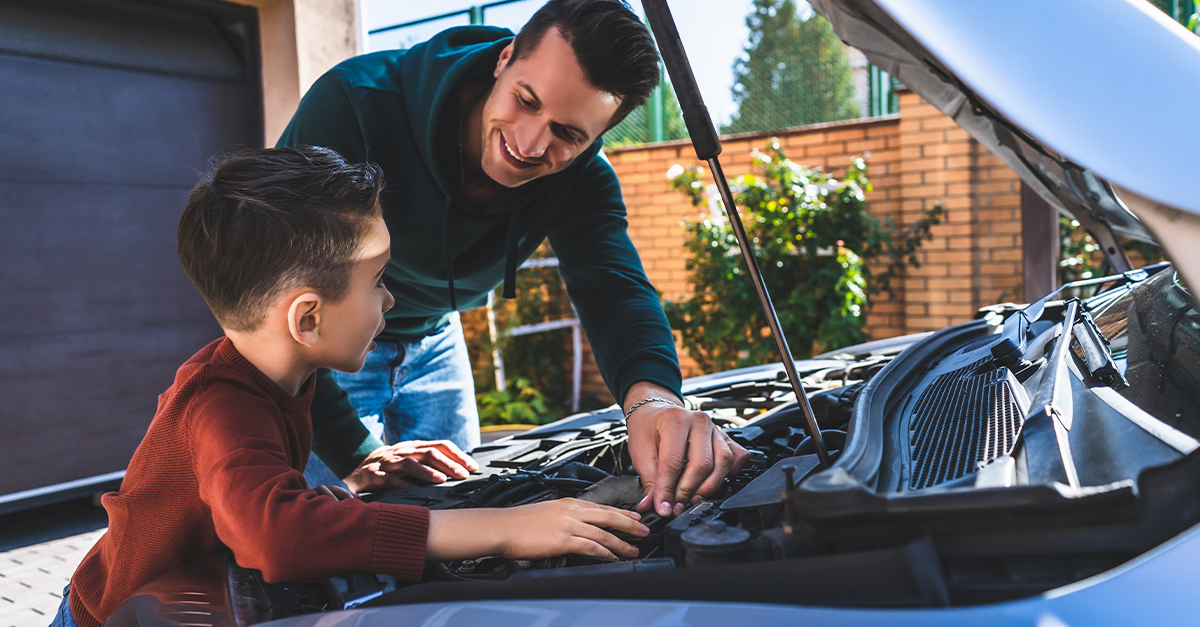
Modern vehicles generate an incredible amount of information every time you drive. Engine performance, battery health, tire pressure, diagnostic trouble codes, software updates, and even driving habits can all be recorded. So when your automaker says that diagnostic data belongs to them, but your mechanic says they need access to fix your car, it's easy to wonder who's actually in control.
As vehicles become more connected, that question is becoming one of the biggest debates in the automotive industry.

Your Car Creates More Data Than Ever Before
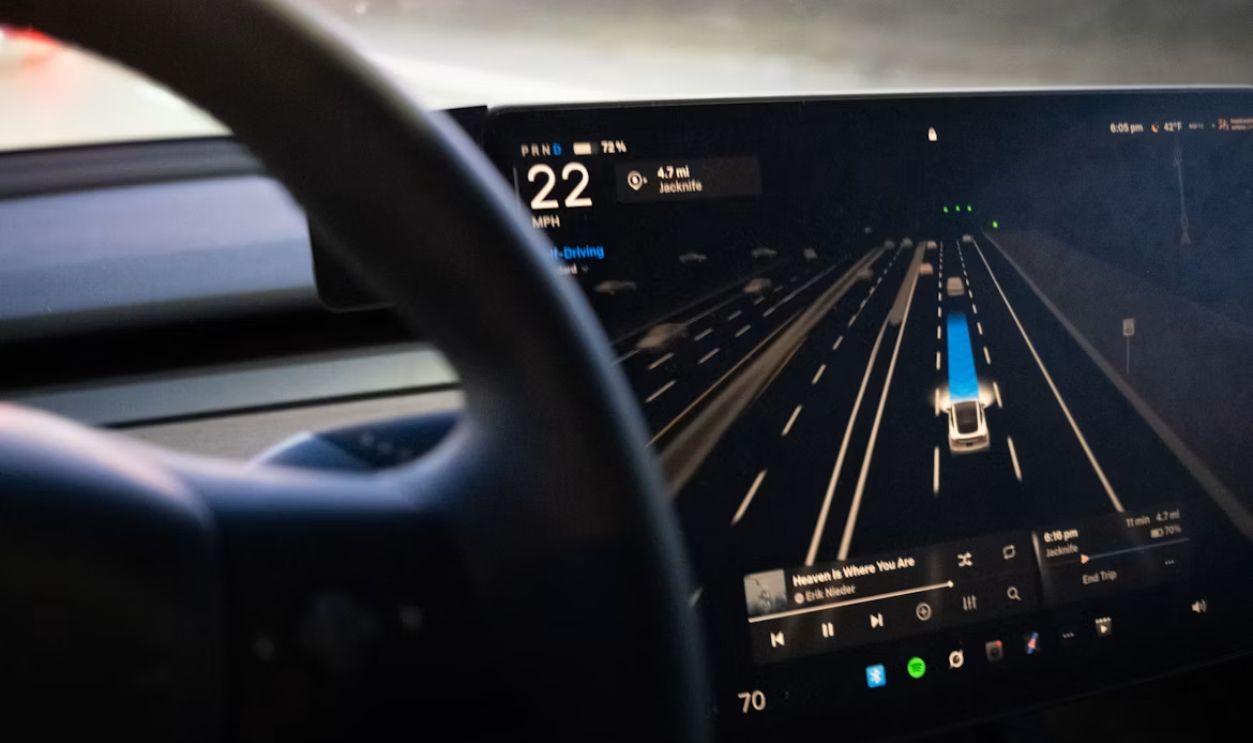
Today's vehicles aren't just mechanical machines—they're rolling computers. Newer models continuously collect information about engine performance, safety systems, emissions equipment, battery condition, and hundreds of other vehicle functions. That information helps diagnose problems long before a warning light appears.
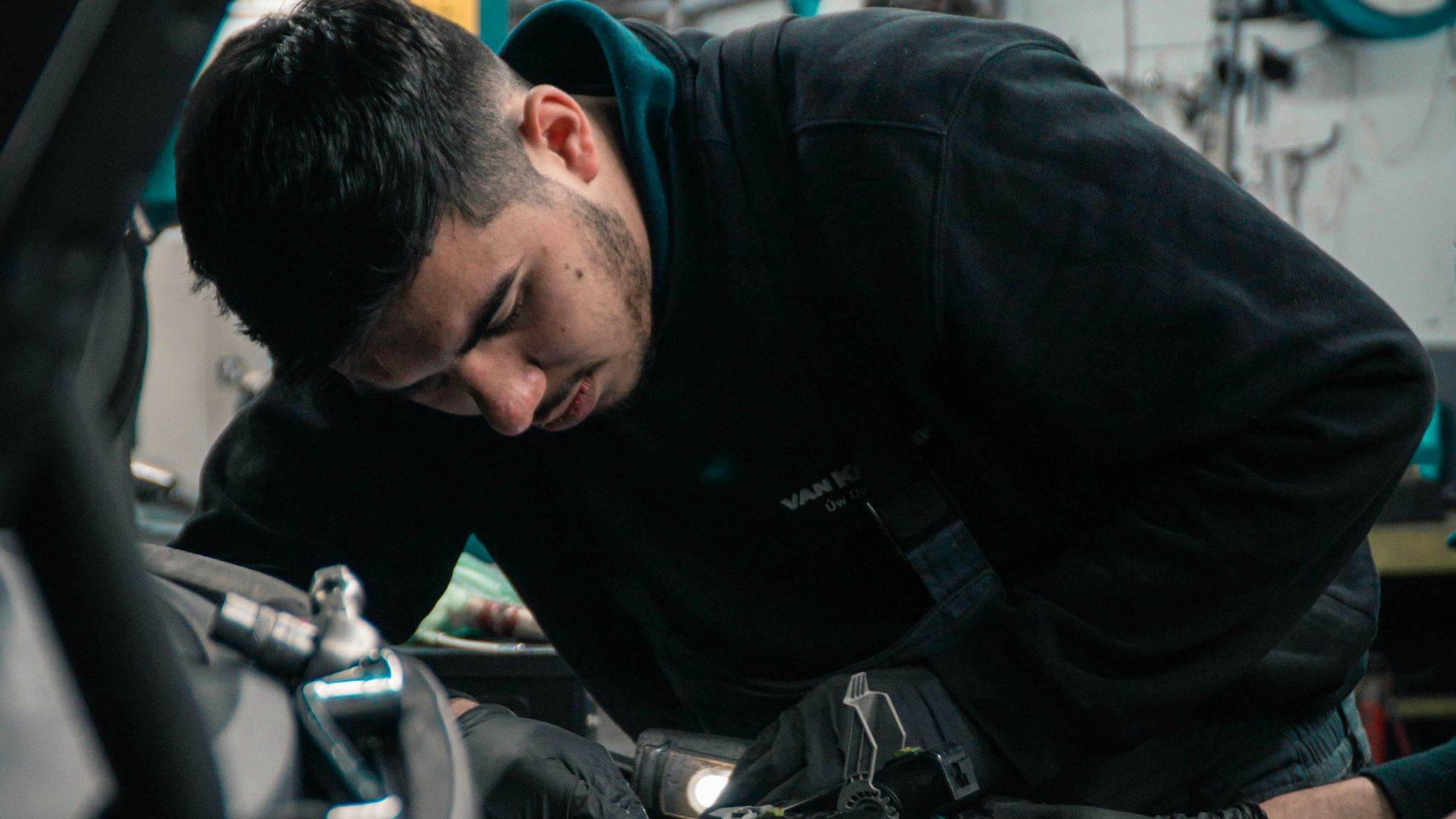
 Jose Ricardo Barraza Morachis, Pexels
Diagnostic Data Isn't The Same As Personal Data
It's important to separate two different types of information. Diagnostic data includes things like fault codes, sensor readings, and system health. Personal data can include navigation history, contacts, location information, and connected app activity. Both may be stored in your vehicle, but they're often treated differently under company policies and privacy laws.

Why Mechanics Want Access
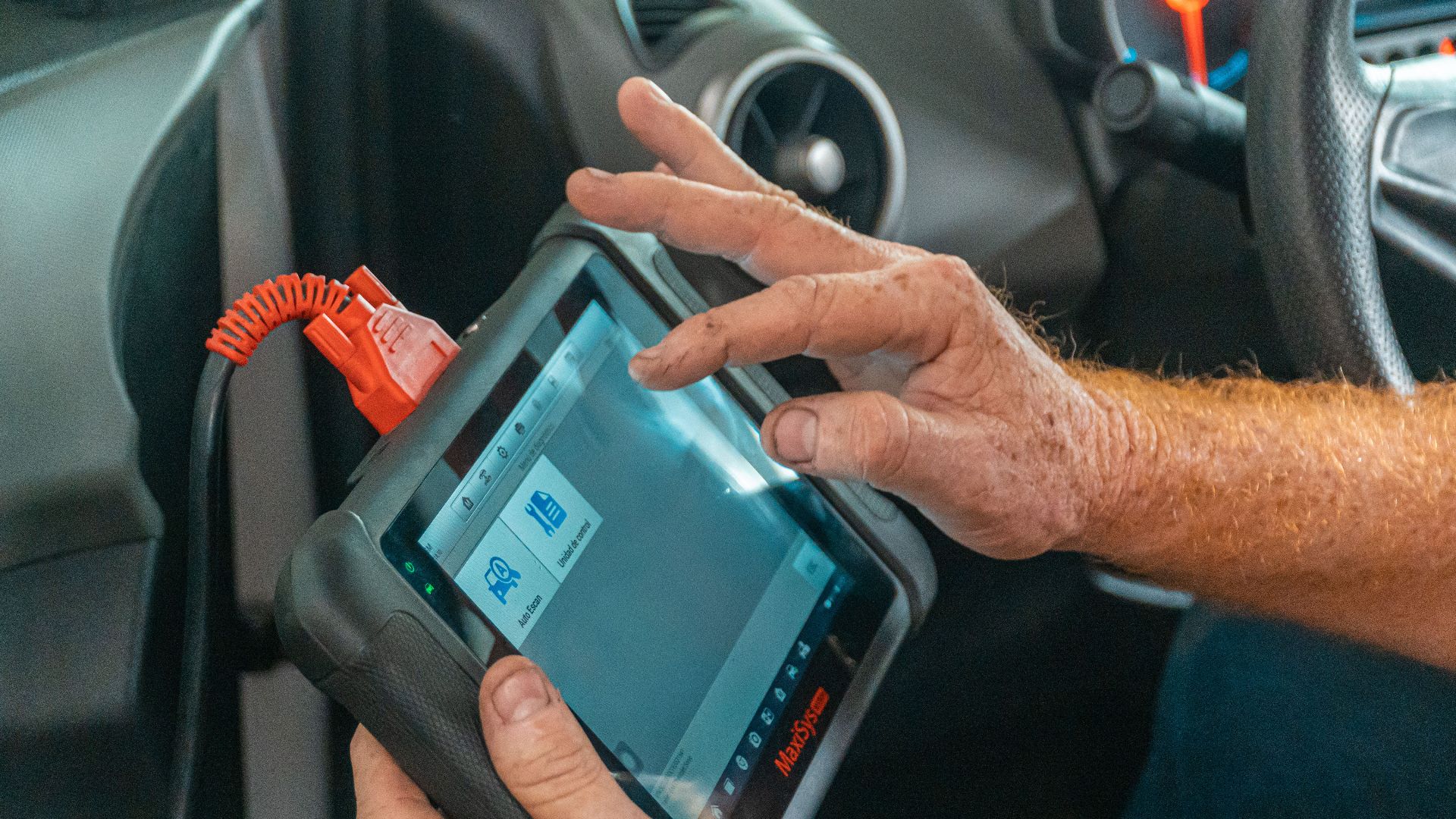
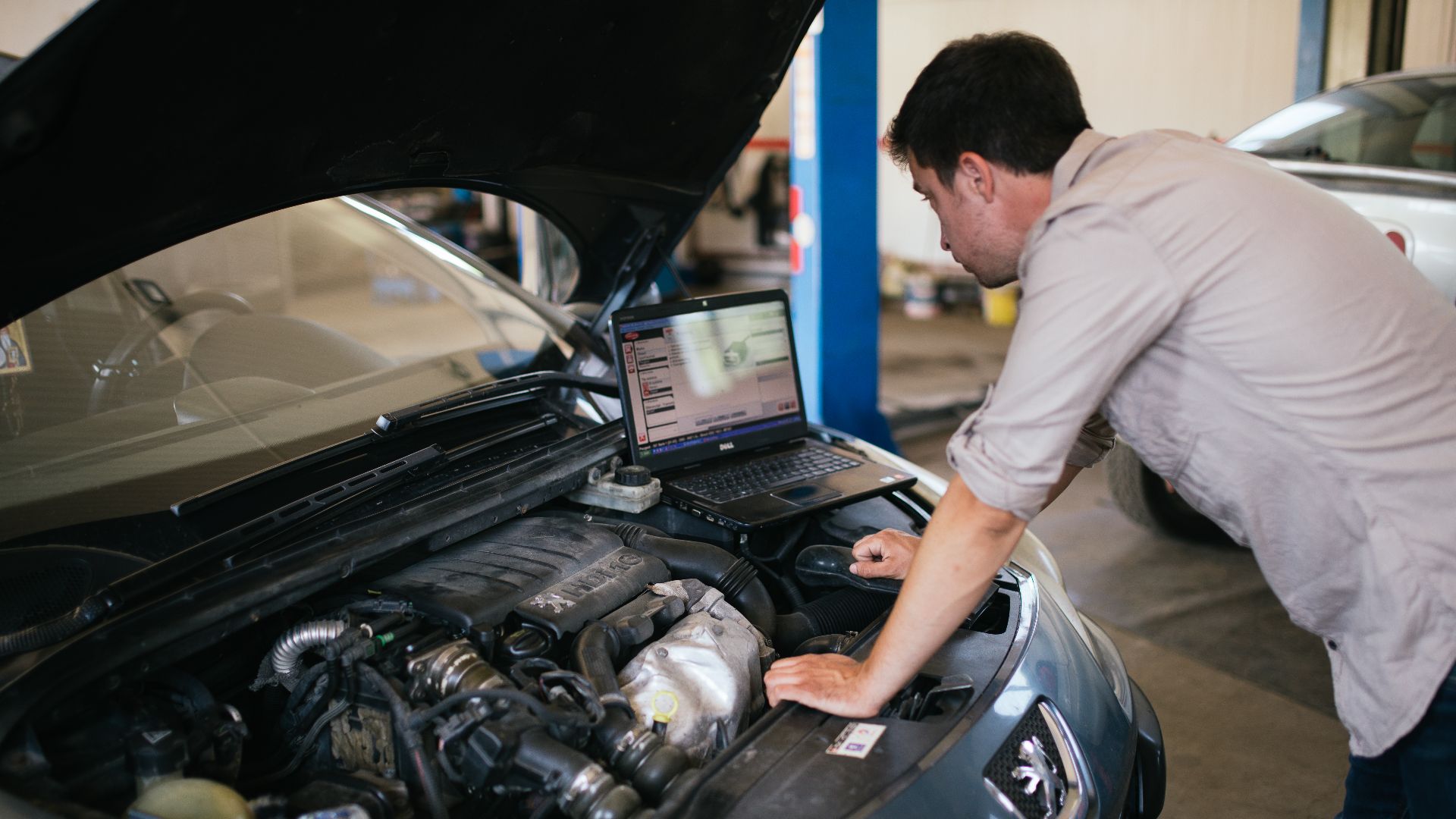
When your check engine light comes on, your mechanic isn't trying to read your text messages. They're looking for diagnostic trouble codes, software information, calibration files, and repair procedures that explain what's wrong with the vehicle. Without that information, many modern repairs become much more difficult—or impossible.
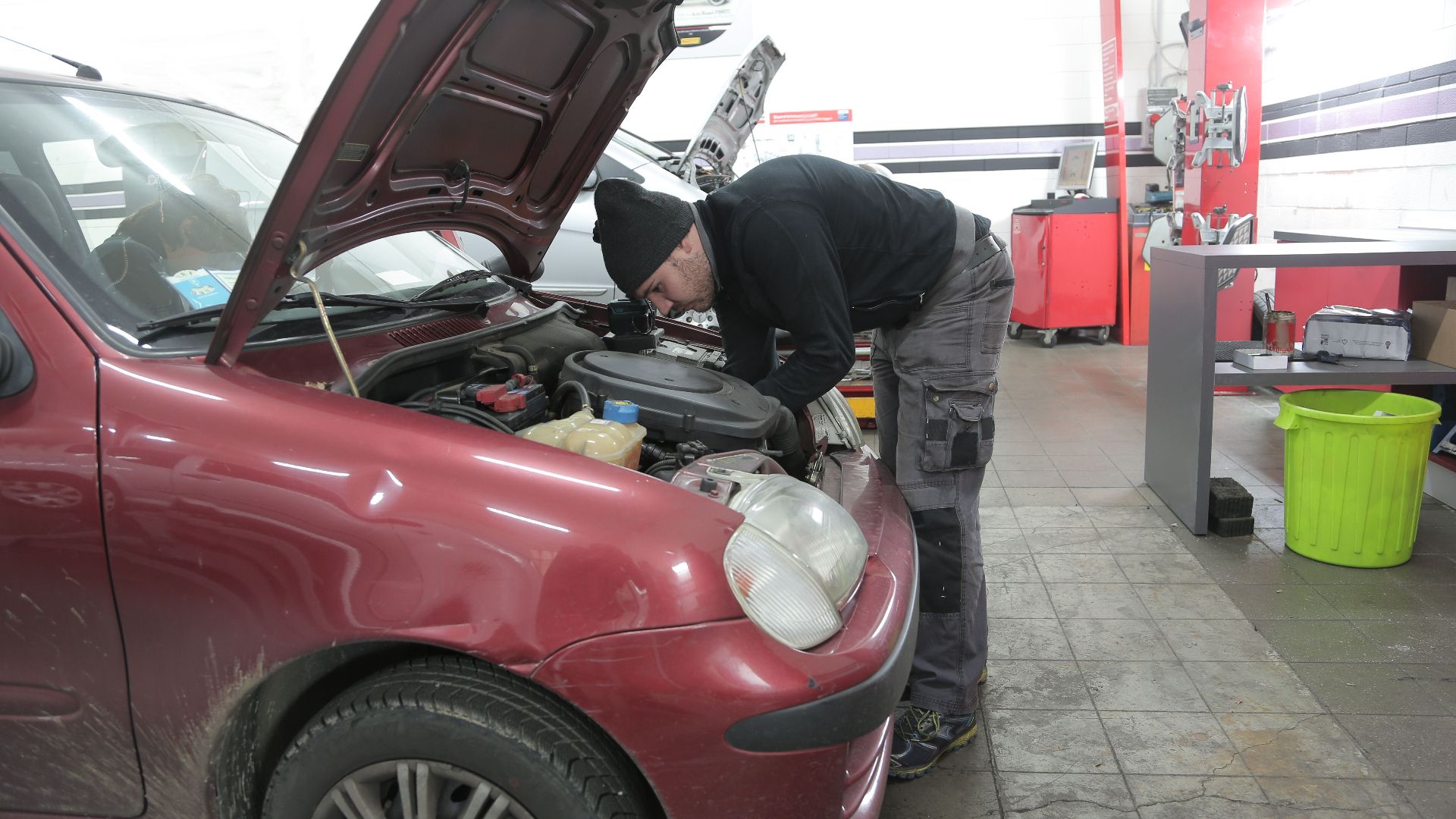
 Shixart1985, Wikimedia Commons
Why Automakers Control So Much Information
Manufacturers argue that modern vehicles rely on highly sophisticated software that must remain secure. Restricting access helps protect against hacking, unauthorized modifications, and improper repairs that could affect safety systems such as braking, steering, or driver assistance features.

This Is The Heart Of The Right-To-Repair Debate
The disagreement isn't usually about whether mechanics should repair vehicles. It's about whether independent repair shops should have the same digital access that dealerships already receive. That's why "Right to Repair" legislation has become such a major topic across North America.
Independent Mechanics Aren't Asking For Free Access
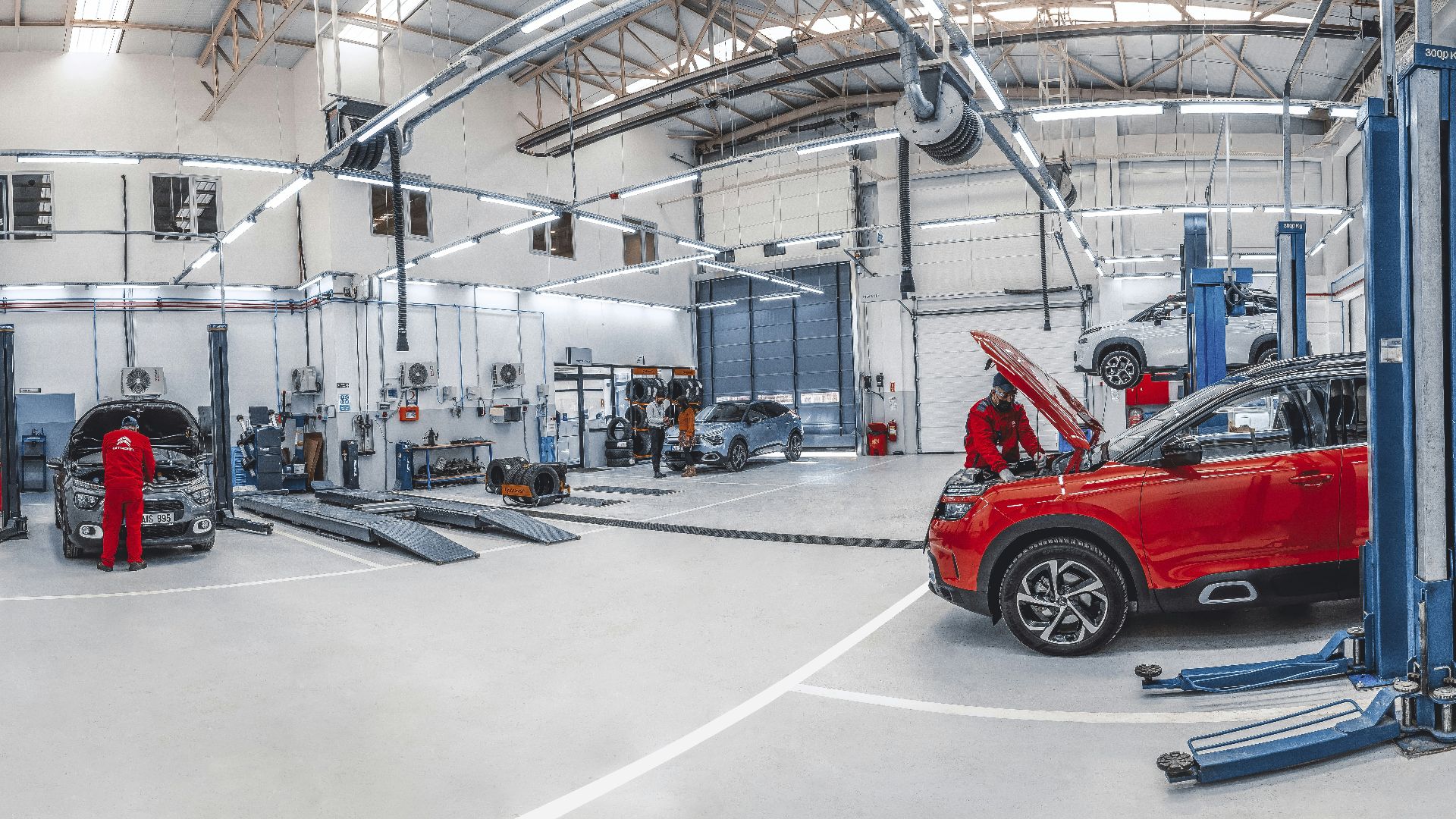
One common misconception is that independent repair shops want proprietary software without paying for it. In reality, many are simply asking for reasonable access to the same diagnostic tools, repair information, and software updates that dealership technicians already use, often through paid subscriptions.
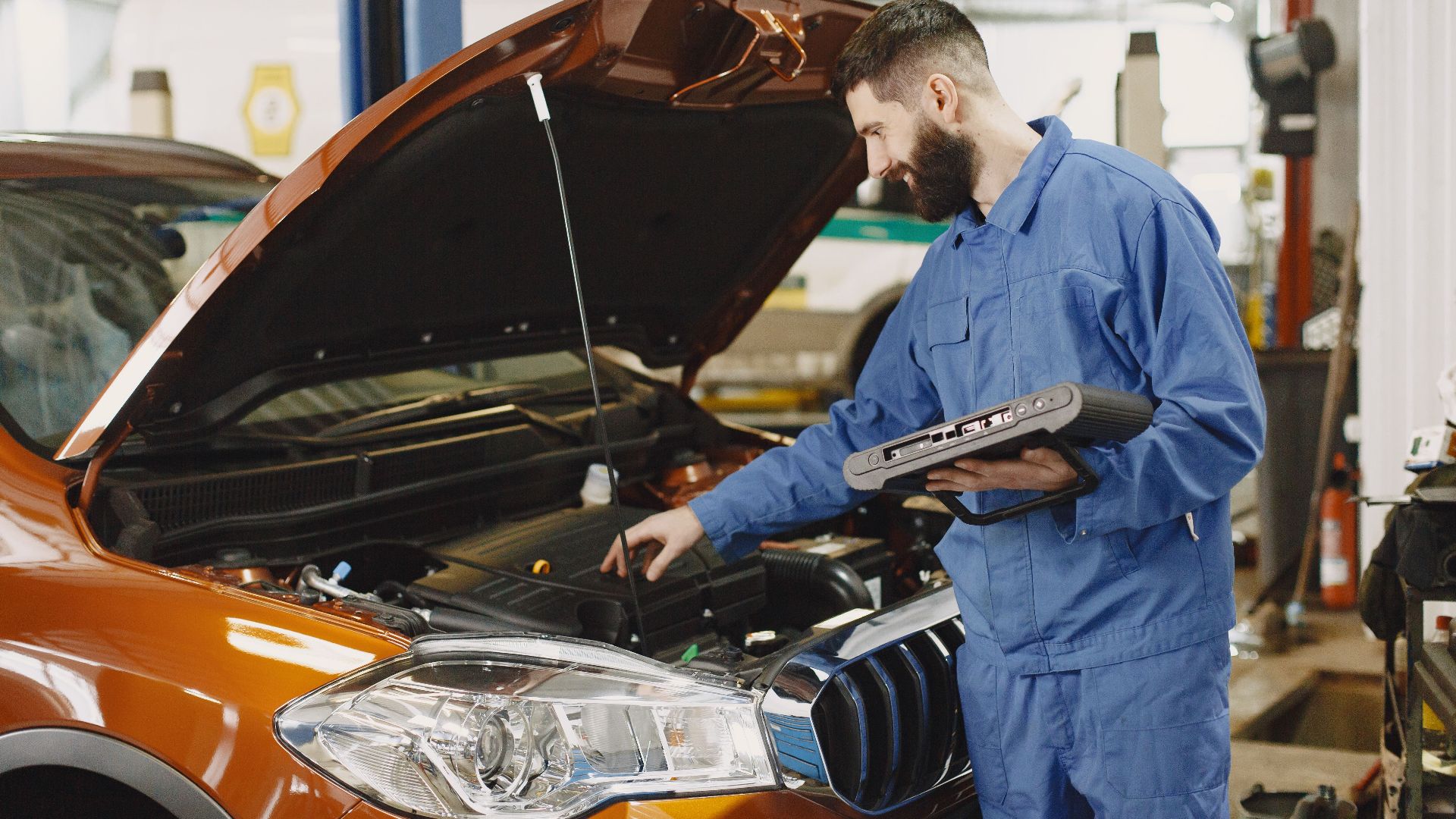
Some Repairs Can't Be Finished Without Manufacturer Software
Replacing a physical part is sometimes only half the job. Modern vehicles often require electronic calibrations, security authorizations, or software programming before the repair is complete. Without manufacturer access, a perfectly installed component may still not function correctly.
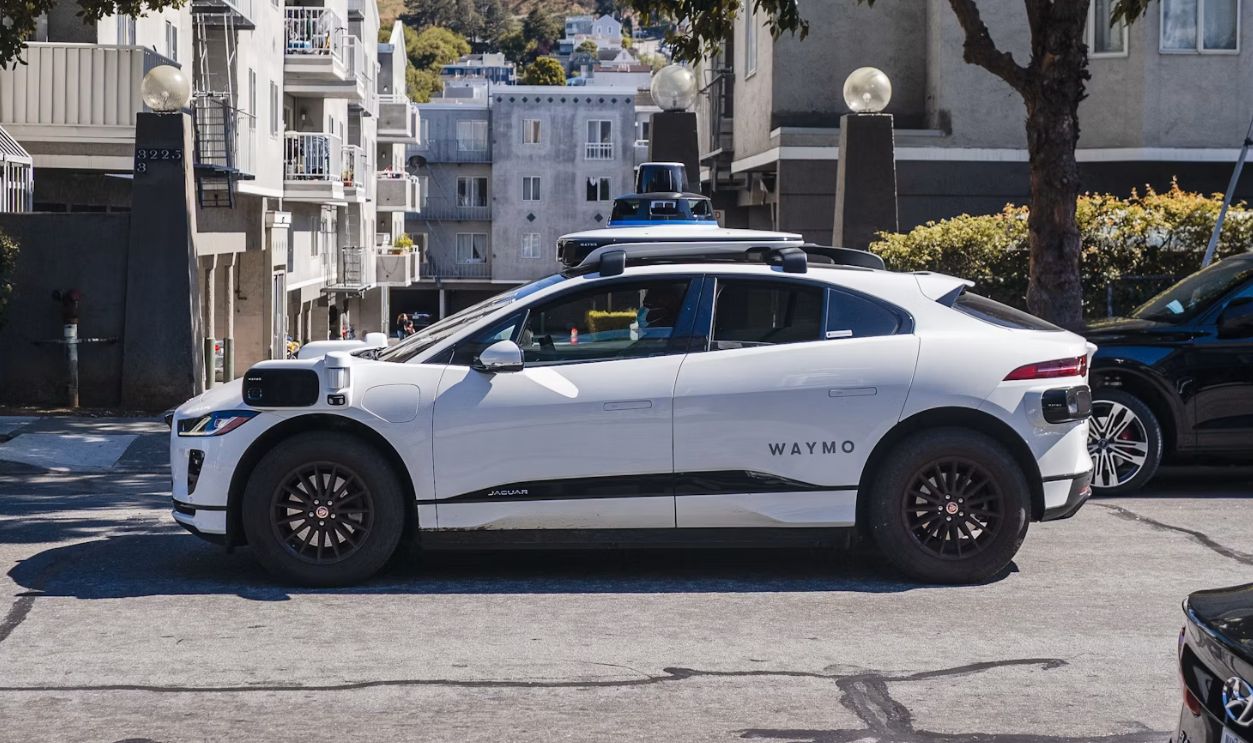
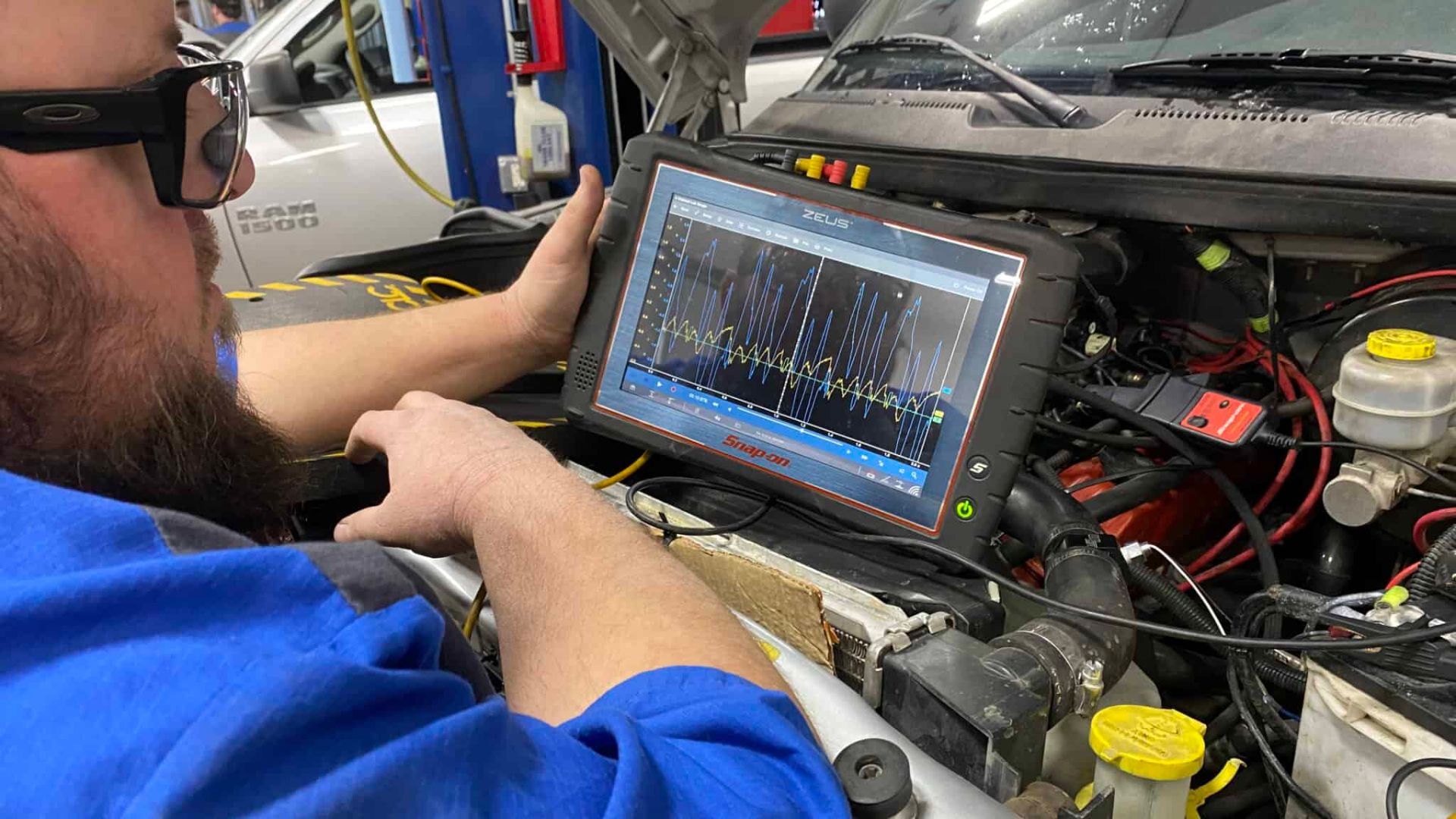 Modern Auto Service: Advanced Vehicle Diagnostics in Fruitland, ID, Wikimedia Commons
Telematics Changed Everything
Older vehicles relied mostly on the diagnostic port under the dashboard. Newer vehicles increasingly transmit information wirelessly through built-in telematics systems. That means manufacturers often receive diagnostic information directly from the vehicle before anyone plugs in a scan tool.
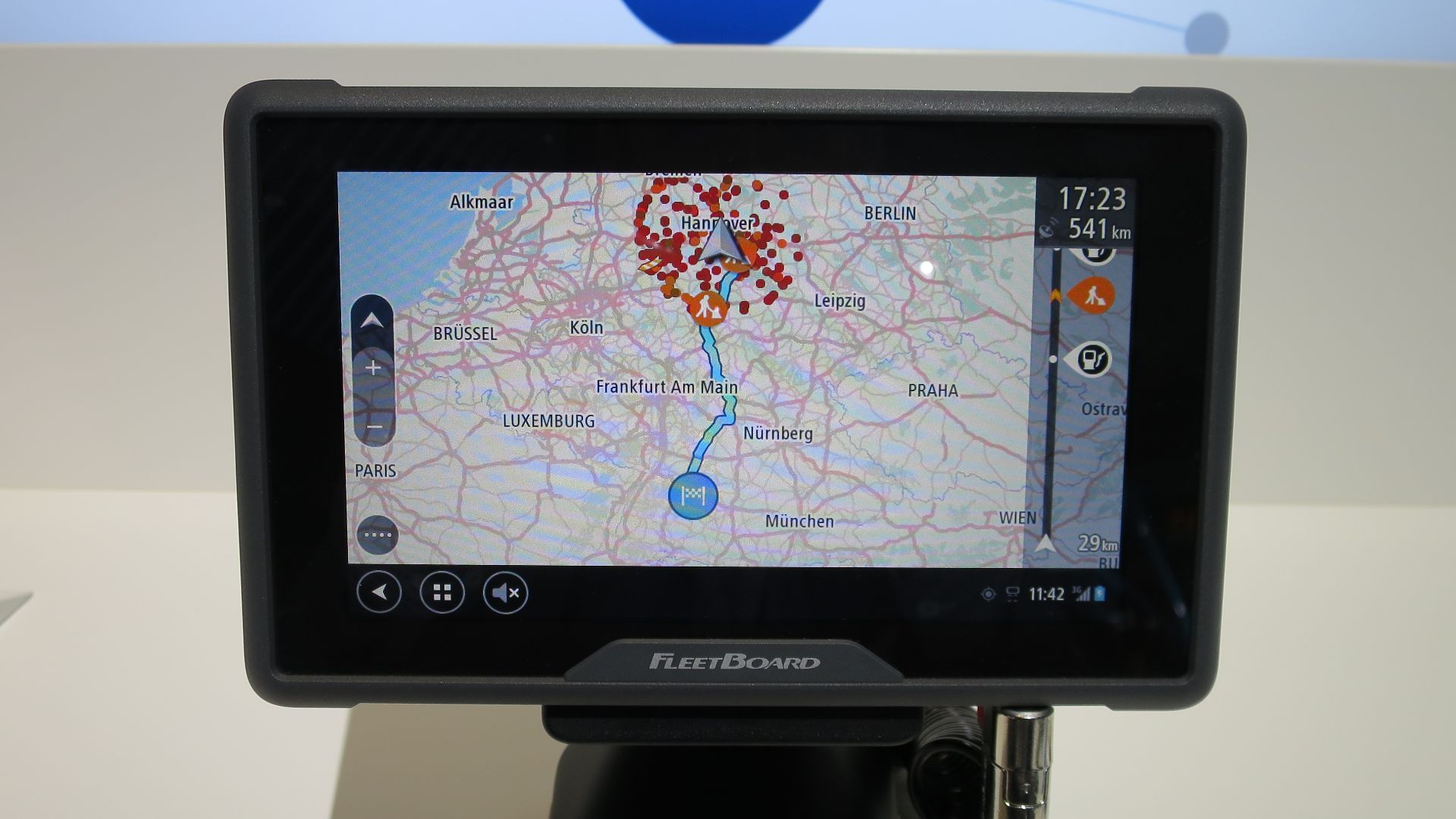
Your Mechanic May See Less Than The Dealer
Independent repair shops often have excellent scan tools, but they don't always receive exactly the same information available to dealership service departments. Some manufacturer-specific functions remain restricted or require separate subscriptions.
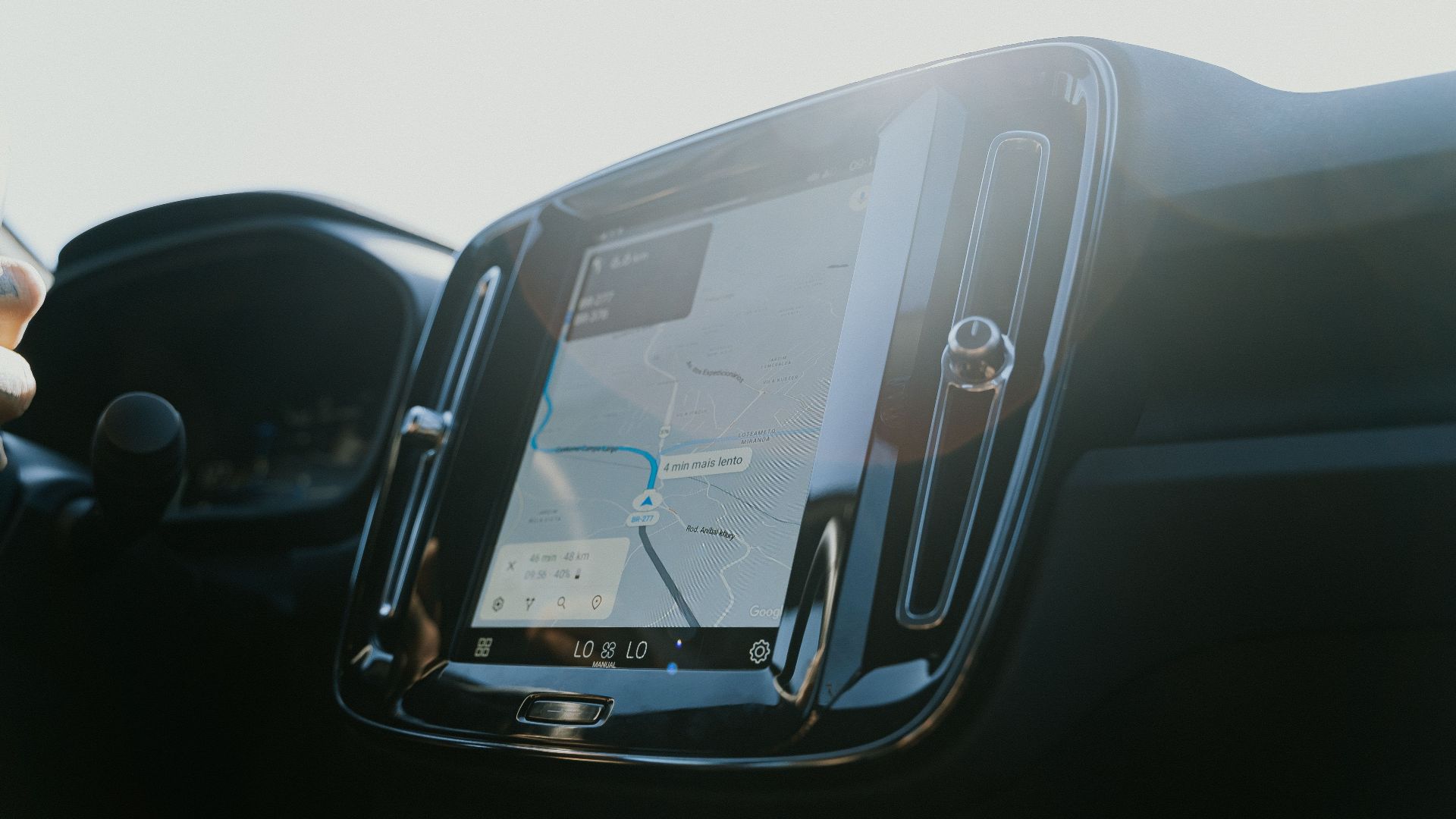
 Mangkorn Danggura, Shutterstock
Who Actually Owns The Data?
That's where things become complicated. Depending on your vehicle, privacy policy, and local laws, you may own the vehicle but not have complete control over every piece of data it generates. Many consumer organizations argue drivers should ultimately decide who can access their vehicle information.
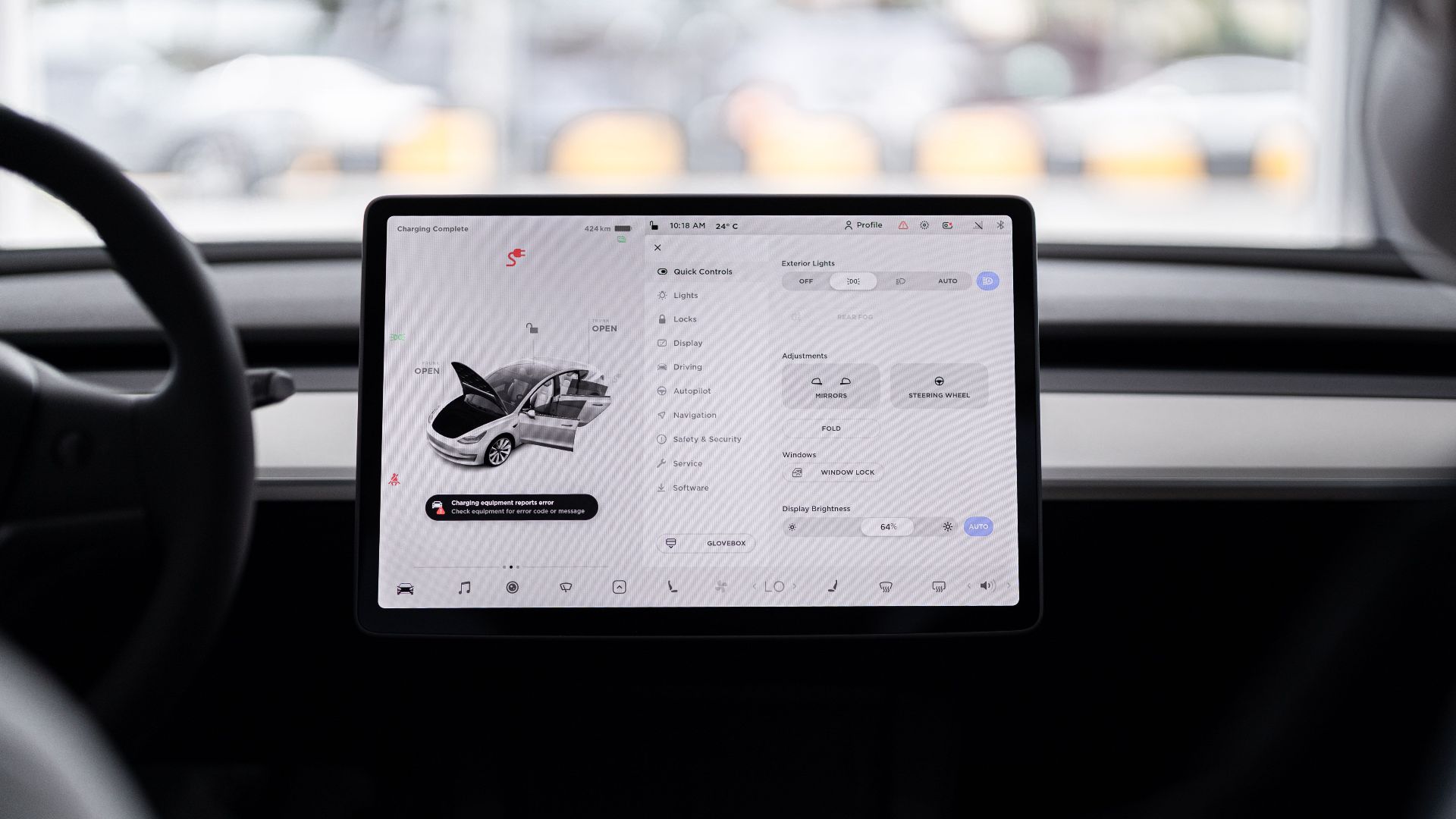
Consumers Are Often Surprised
Research has shown many drivers aren't even sure who owns the information produced by their vehicles. Some believe it's automatically theirs, while others assume it belongs to the manufacturer. The reality is often governed by purchase agreements, privacy policies, and evolving laws.

Privacy And Repairs Can Both Matter
This isn't simply a fight between automakers and mechanics. Drivers want repairs completed quickly and affordably, but they also want their personal information protected. Finding the right balance between privacy, cybersecurity, and repair access remains a major challenge.
Some Governments Are Stepping In
Several jurisdictions have introduced or expanded right-to-repair laws that require manufacturers to provide access to repair information under certain conditions. In Québec, for example, manufacturers are required to provide access to repair data needed to diagnose and maintain vehicles.

Dealerships Still Have Advantages
Even where independent mechanics receive access, dealerships often benefit from manufacturer training, factory support, and immediate software updates. That doesn't necessarily mean independent shops can't perform the repair—it just means the process may differ.
The Cost Can Affect Drivers
Limited access to diagnostic information may reduce competition, which can increase repair costs and limit where owners choose to service their vehicles. Consumer advocates argue that broader repair access gives drivers more choice while helping keep repair prices competitive.

You Can Still Choose Your Mechanic
For most maintenance and many repairs, you generally remain free to use an independent repair shop without voiding your vehicle warranty. The bigger issue is whether the shop has access to the digital information needed to complete certain complex repairs.

Expect This Debate To Continue
As vehicles become increasingly connected, software-driven, and capable of over-the-air updates, questions about data ownership are only becoming more important. The discussion today isn't just about fixing cars—it's about who controls the information those cars constantly generate.
Here's The Question That Really Matters
Is the information your car creates part of the vehicle you purchased, or is it part of the manufacturer's connected technology platform? That's the legal and policy question lawmakers, automakers, consumer advocates, and repair shops are still working through.
So... Who Controls Your Car's Information?
Right now, the answer is often "both"—depending on the type of data. Automakers typically control access to many proprietary diagnostic systems, software, and telematics platforms, while owners generally control where they have their vehicle serviced and how certain personal information is shared. Independent mechanics increasingly have access to repair information, but not always at the same level as dealerships. The rules continue to evolve as right-to-repair laws expand and connected vehicles become more common.
The Future Of Car Ownership May Be Digital
Buying a vehicle used to mean owning a machine with an engine and four wheels. Today, you're also buying a computer that constantly creates valuable information. As technology continues to evolve, understanding who controls that data may become just as important as understanding who owns the keys.

You May Also Like:
Car Brands That Break Down The Most—According To Mechanics
New Car Models Baby Boomers Can’t Stand
Studies Now Show That Advanced Driver-Assistance Systems (ADAS) May Be Doing More Harm Than Good