Why Didn't My Insurance Drop
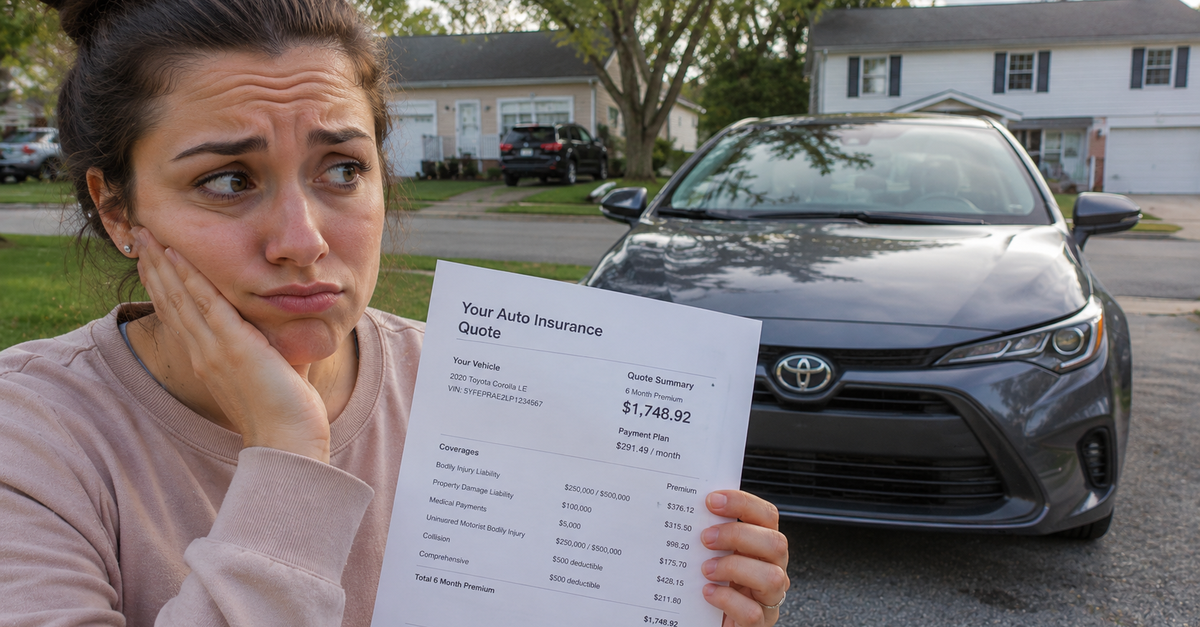
Downsizing a vehicle can reduce fuel use, maintenance expenses, and monthly payments, so it seems reasonable to expect a noticeably smaller insurance bill too. The surprise is that vehicle size is only one part of a much larger pricing calculation. Insurers primarily want to estimate how likely you are to make a claim and how expensive that claim could be.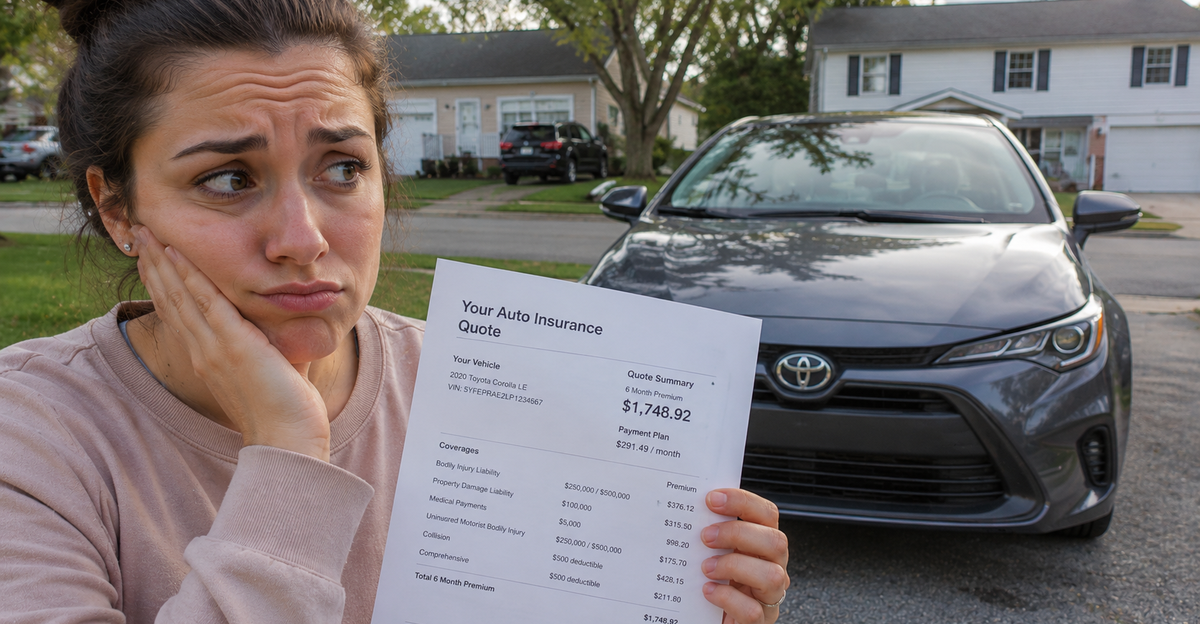 Factinate Ltd
A Smaller Car Does Not Guarantee Smaller Premiums
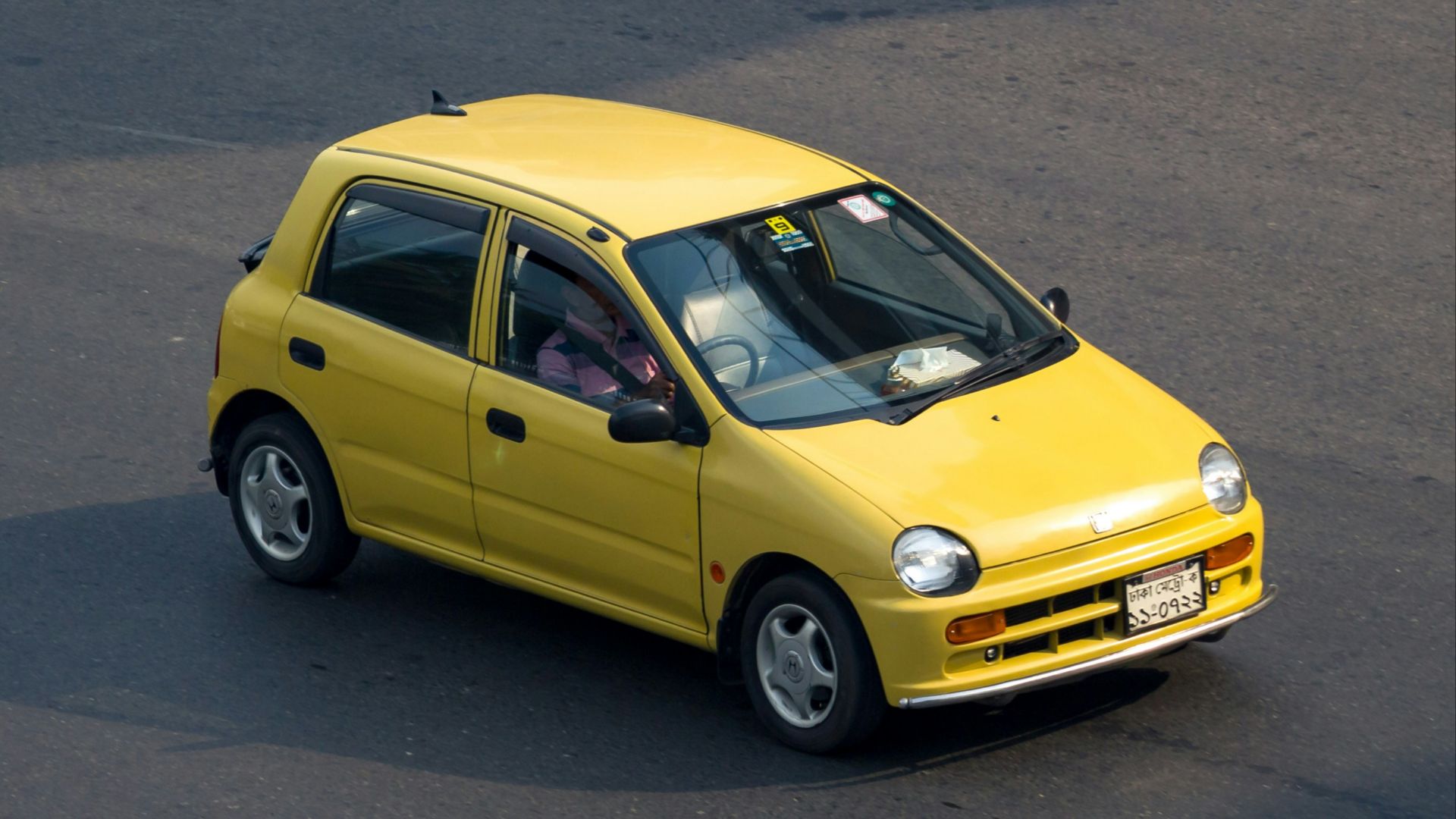
Insurance companies do not price vehicles according to their physical dimensions alone. They examine the claims history, repair costs, theft exposure, safety equipment, and replacement value associated with each specific make, model, and model year. A compact vehicle can therefore cost as much to insure as a larger one if its expected claims are similarly expensive.
 Tanvir Hasanat Rahat, Unsplash
Your Premium Is Really A Risk Estimate
An insurer combines information about you, your vehicle, your location, and how you drive to estimate future losses. Each factor helps predict either the probability of a claim or the amount the insurer may have to pay. The final premium reflects the combined risk rather than any single characteristic.

The Vehicle May Be A Smaller Piece Than Expected
Changing vehicles can alter the collision and comprehensive portions of your premium. However, much of your bill may relate to liability coverage, accident benefits, and other protections that are influenced more heavily by the driver and location. If those larger components remain unchanged, switching vehicles may produce only a modest reduction.

Insurers Study Claims For Individual Models
Canadian insurers commonly use vehicle-rating information based on how frequently particular models generate claims and how costly those claims are. The Insurance Bureau of Canada’s How Cars Measure Up tool compares popular vehicles using claim frequency and claim cost data. This means two similarly sized cars can receive very different insurance ratings.

Repair Costs Can Matter More Than Purchase Price
A reasonably priced compact car is not necessarily inexpensive to repair. Sensors, cameras, specialized headlights, lightweight materials, and integrated electronic systems can make even minor repairs complicated. Insurers consider these expected repair expenses when assigning vehicle rate groups.
Modern Technology Can Raise The Bill
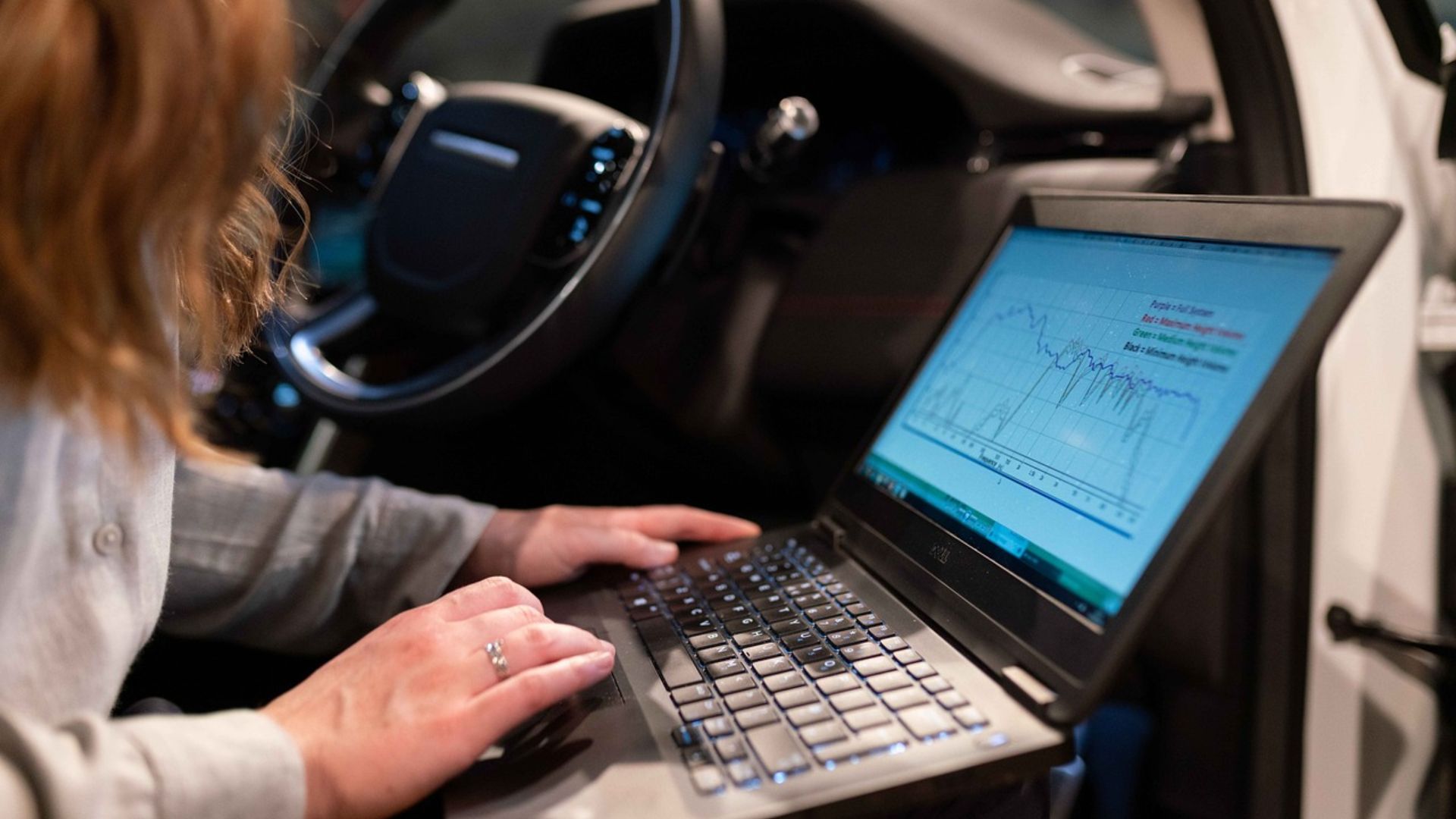
Newer vehicles often contain advanced driver-assistance systems that can help prevent or reduce collisions. The same equipment may also require recalibration or replacement after a crash. A smaller car packed with sophisticated components can consequently generate higher repair claims than an older, simpler vehicle.

Theft Risk Follows Models, Not Just Sizes
Certain vehicles are targeted more frequently because they are easy to steal, valuable for resale, or in demand overseas. Insurers may respond to higher theft losses through vehicle-specific ratings, surcharges, deductibles, or security requirements. A small vehicle with an unfavourable theft record may therefore offer little insurance relief.

Replacement Value Still Has An Effect
A smaller vehicle will often cost less to replace than a large luxury SUV, but there are plenty of exceptions. A new premium compact car may be worth considerably more than an older midsize vehicle. Insurers consider the expected cost of repairing or replacing the insured vehicle, not merely its category or body style.

Your Driving Record Carries Serious Weight
Tickets, licence suspensions, at-fault collisions, and other driving-history details can have a major influence on premiums. A clean record generally indicates a lower expected chance of future claims. Switching to a different vehicle does not erase the history attached to the drivers listed on the policy.

An At-Fault Claim Can Outweigh Downsizing
An insurer may apply a surcharge or remove a claims-free discount after an at-fault accident, subject to provincial rules and the policy involved. That change can be much larger than the saving created by choosing a cheaper vehicle. The timing and number of previous claims may also affect how heavily they influence the price.

Experience Behind The Wheel Matters
Insurers often consider how long each listed driver has been licensed. Drivers with limited experience generally provide less history for an insurer to evaluate and may belong to groups with different claim patterns. Adding an inexperienced household member can therefore affect the premium even when that person rarely uses the vehicle.

Your Postal Code Can Change Everything
Where the vehicle is normally kept helps insurers estimate exposure to collisions, theft, vandalism, and other claims. Rates can vary between cities and even between nearby rating territories. Moving to a different area may change the premium more dramatically than replacing one vehicle with another.

Busy Roads Create Different Risks
Insurers examine loss patterns associated with particular regions rather than simply deciding that every urban driver is expensive. Areas with heavier traffic, more collisions, frequent theft, or costlier claims may receive higher ratings. The address listed on the policy must accurately reflect where the car is primarily kept.
 https://kaboompics.com/, Pexels
Your Annual Kilometres Remain Important
The more often a vehicle is on the road, the more opportunities there are for a collision or another covered event. Insurers commonly ask about estimated annual kilometres and regular commuting distance. Downsizing the car without reducing your driving may leave this part of the calculation unchanged.
Commuting And Pleasure Use Are Not Identical
A vehicle driven to work every weekday may be rated differently from one used primarily for errands and leisure. Business use, deliveries, ridesharing, or other commercial activities can also alter the risk and may require different coverage. Accurate usage information helps prevent coverage problems if a claim occurs.

Every Listed Driver Can Affect The Price
Insurance companies usually need information about the people in the household who may regularly operate the vehicle. Their ages, experience, records, and assigned vehicles can influence the quote. Replacing the family SUV with a compact model may not change much if the same higher-risk drivers remain insured.

Coverage Choices May Dominate The Difference
A policy with high liability limits, collision coverage, comprehensive protection, accident benefits, and several endorsements will generally cost more than a stripped-down policy. Keeping exactly the same protection after changing vehicles can limit the available saving. This is not necessarily bad, since reducing essential coverage solely to lower the price can leave a serious financial gap.

Collision Coverage Protects Your Own Vehicle
Collision coverage generally addresses insured damage to your vehicle resulting from a collision or upset, subject to the policy terms and deductible. The price of this coverage depends partly on expected vehicle damage claims. Owners of older, low-value vehicles sometimes consider removing it, but they must be comfortable paying for their own repairs or replacement.
Comprehensive Coverage Goes Beyond Crashes
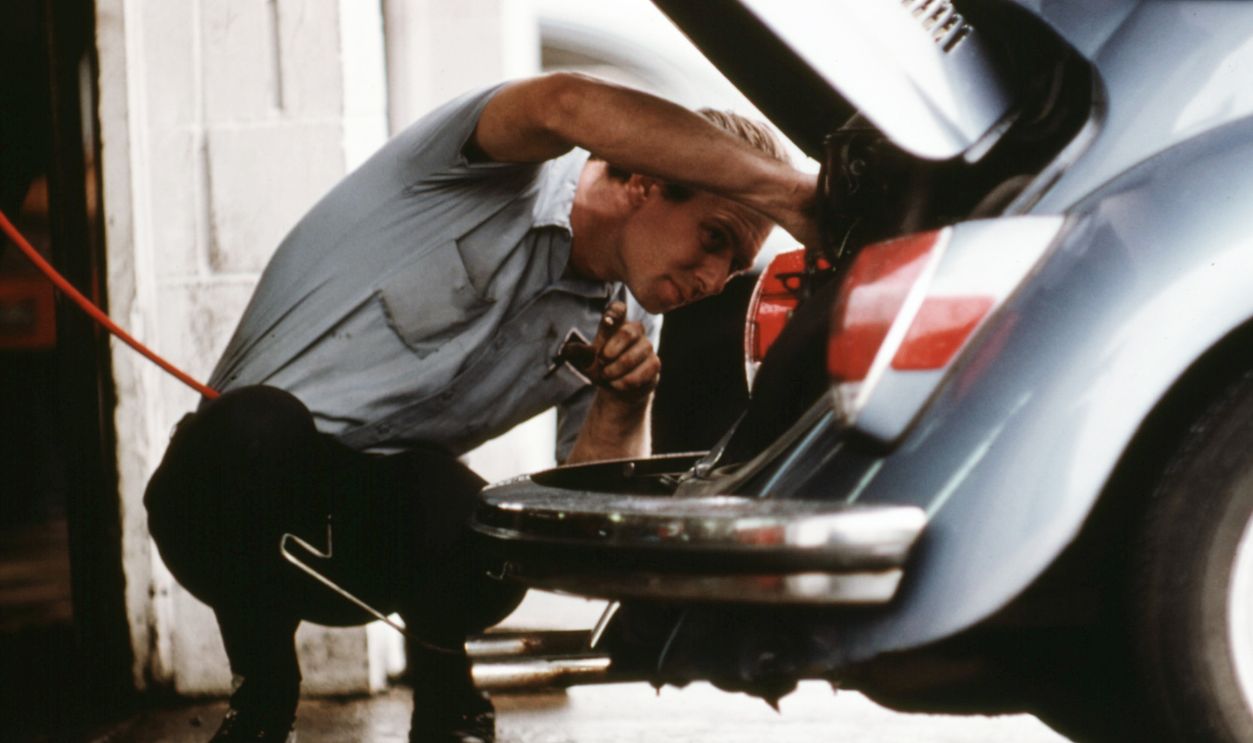
Comprehensive coverage can protect against risks such as theft, vandalism, fire, and certain weather-related losses, depending on the contract. Vehicle theft patterns and replacement costs can therefore affect this portion of the premium. Moving to a smaller model will not necessarily help if the replacement vehicle has poor comprehensive claims experience.

Your Deductible Changes The Trade-Off
The deductible is the amount you agree to pay toward a covered loss before the insurer pays the remaining eligible amount. Choosing a higher deductible can reduce the premium because you are accepting more of the financial risk. The potential saving should be weighed against whether you could comfortably pay that amount after an unexpected claim.
 f.t.Photographer, Shutterstock
Liability Limits Affect The Price Too
Third-party liability coverage protects against certain claims when an insured driver causes injury or property damage. Higher limits provide more protection but can also increase the premium. Since this coverage is mainly connected to the potential harm caused to others, buying a smaller car may not greatly reduce its cost.

Discounts Can Hide Or Erase The Saving
A previous vehicle may have qualified for discounts based on safety systems, anti-theft equipment, multiple vehicles, or other insurer-specific programs. Changing cars can remove one discount while creating another. The net result may be a surprisingly small difference even when the new vehicle receives a better base rating.

Bundling Can Be More Powerful Than Downsizing
Many insurers offer discounts when customers combine auto insurance with home, tenant, or other eligible coverage. Multi-vehicle discounts may also apply when several cars are insured together. These reductions can sometimes have a greater effect than changing from a large vehicle to a compact one.

Usage-Based Insurance May Reward Your Habits
Usage-based insurance programs use driving data to help calculate a discount or premium, depending on the program and provincial rules. They may consider behaviours such as braking, acceleration, driving times, distance, or phone distraction. A careful, low-mileage driver may find that changing how the vehicle is used produces more savings than changing its size.

Market-Wide Costs Reach Individual Drivers
Premiums are influenced not only by your personal circumstances but also by broader insurance losses. Higher repair bills, vehicle prices, theft claims, medical expenses, fraud, legal expenses, and operating costs can place upward pressure on rates. These trends may offset the reduction an insurer would otherwise give you for switching vehicles.
 LinkedIn Sales Solutions, Unsplash
Inflation Makes Claims More Expensive
When labour, parts, towing, rental vehicles, and replacement cars become more expensive, insurers must pay more to settle comparable claims. Regulators recognize that approved premiums must be sufficient to cover claims obligations and operating expenses. This helps explain why a lower-risk vehicle does not always produce a lower total bill during a period of rising claim costs.

Every Insurer Uses Its Own Pricing Formula
Insurers compete for different types of customers and do not assign identical prices to every rating factor. One company may offer an attractive rate for your new car while another may place greater weight on its claims history or your location. Shopping around is therefore one of the most practical ways to test whether the premium you received is competitive.

Compare Quotes Before Buying The Vehicle
The most reliable way to estimate insurance costs is to request quotes for the exact model, model year, trim, drivers, address, and coverage you plan to use. Broad assumptions about compact cars, sedans, or SUVs can be misleading. Checking insurance before signing a purchase or lease agreement prevents an unpleasant surprise later.
Ask For A Full Premium Breakdown
Your broker, agent, or insurer can explain how the vehicle change affected each coverage and whether any discounts were removed. You can also ask whether your annual kilometres, vehicle use, listed drivers, address, and deductibles are recorded correctly. A small data error or outdated assumption can matter more than the difference between two vehicle sizes.

Focus On The Factors You Can Control
You cannot personally reverse inflation or change regional claim patterns, but you can maintain a clean record, compare insurers, review coverage, adjust deductibles carefully, and ask about discounts. You can also consider theft protection and usage-based programs where appropriate. The best insurance strategy is to manage the whole risk profile rather than expecting vehicle size to determine the final price.

The Small Car May Still Save Money Elsewhere
A limited insurance reduction does not mean downsizing was a bad decision. Fuel consumption, financing, tires, maintenance, parking, and depreciation may still be lower, depending on the vehicles being compared. Insurance is simply one ownership expense, and its pricing reflects far more than the amount of space the car occupies.

You May Also Like:
The Most Overrated Cars Today, According To Car Enthusiasts
People With The Largest Car Collections In The World