When Ford and Chevy Fought for America’s Driveways
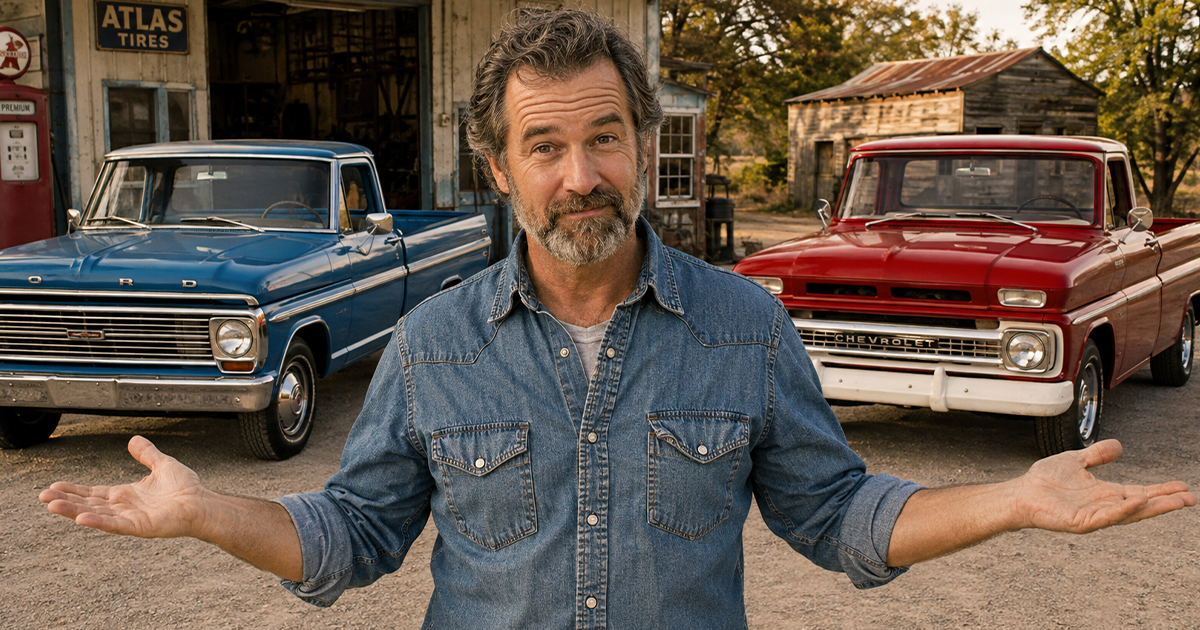
Long before pickup trucks came with touchscreens and heated steering wheels, Ford and Chevrolet were battling for the loyalty of American farmers, tradespeople, families, and weekend adventurers. The 1960s gave us rugged four-wheel drives, comfortable half-tons, unusual cab-over designs, and even muscle-powered pickups. Now it is time to see which Blue Oval or Bowtie classic comes out on top.
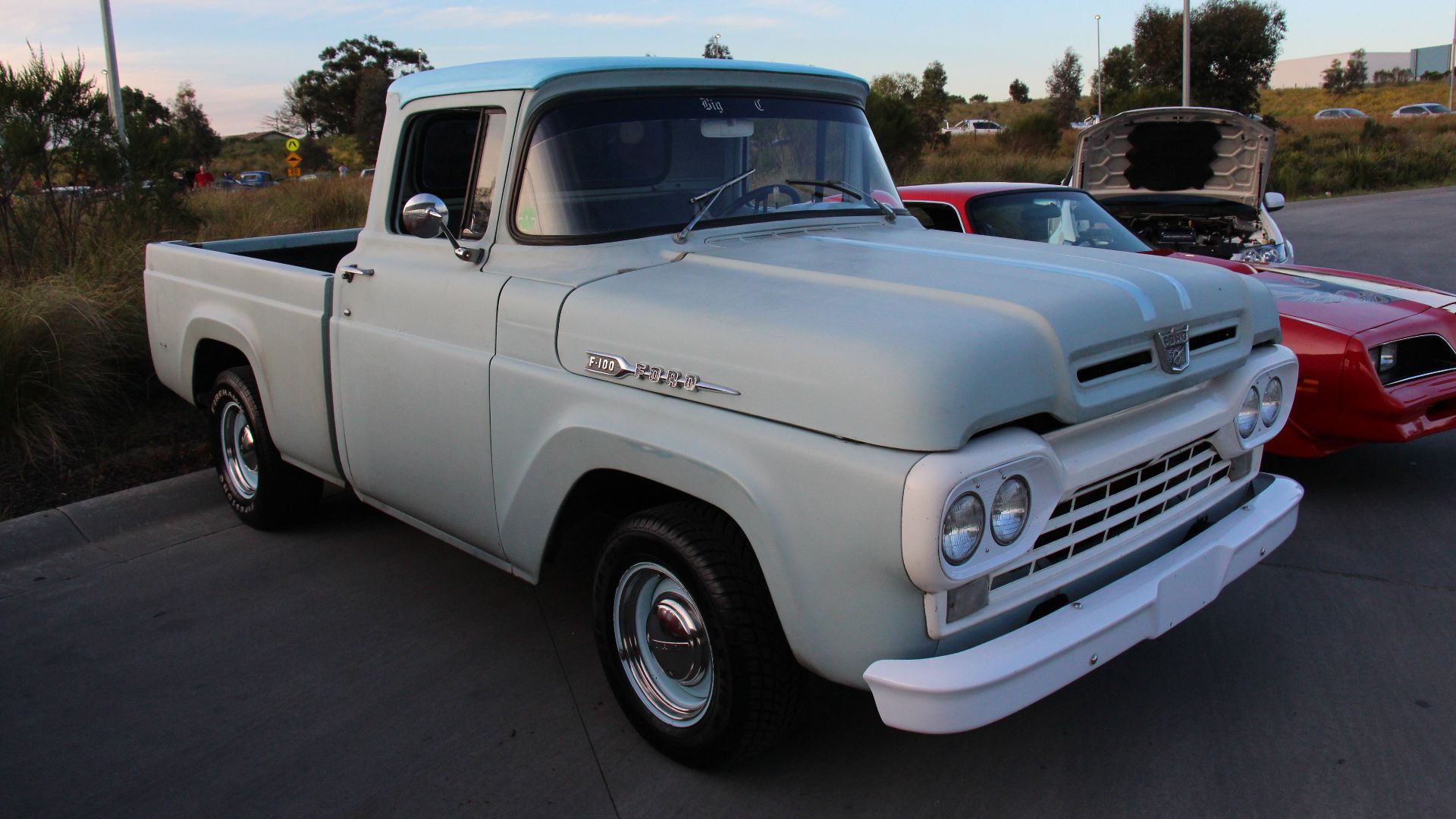
#20. 1960 Ford F-100 Flareside
The 1960 F-100 was the final version of Ford’s third-generation pickup. Its separate rear fenders, exposed running boards, and wooden cargo floor gave the Flareside an old-school appearance. Buyers could choose a 223-cubic-inch six or a 292 Y-block V8, plus factory four-wheel drive.
#19. 1961 Chevrolet Corvair 95 Loadside
The Loadside was the conventional member of Chevrolet’s rear-engined Corvair pickup family. Unlike the better-known Rampside, it relied on a standard tailgate. Its elevated rear cargo floor covered the air-cooled flat-six engine, limiting versatility and helping make the Loadside a remarkably short-lived model.
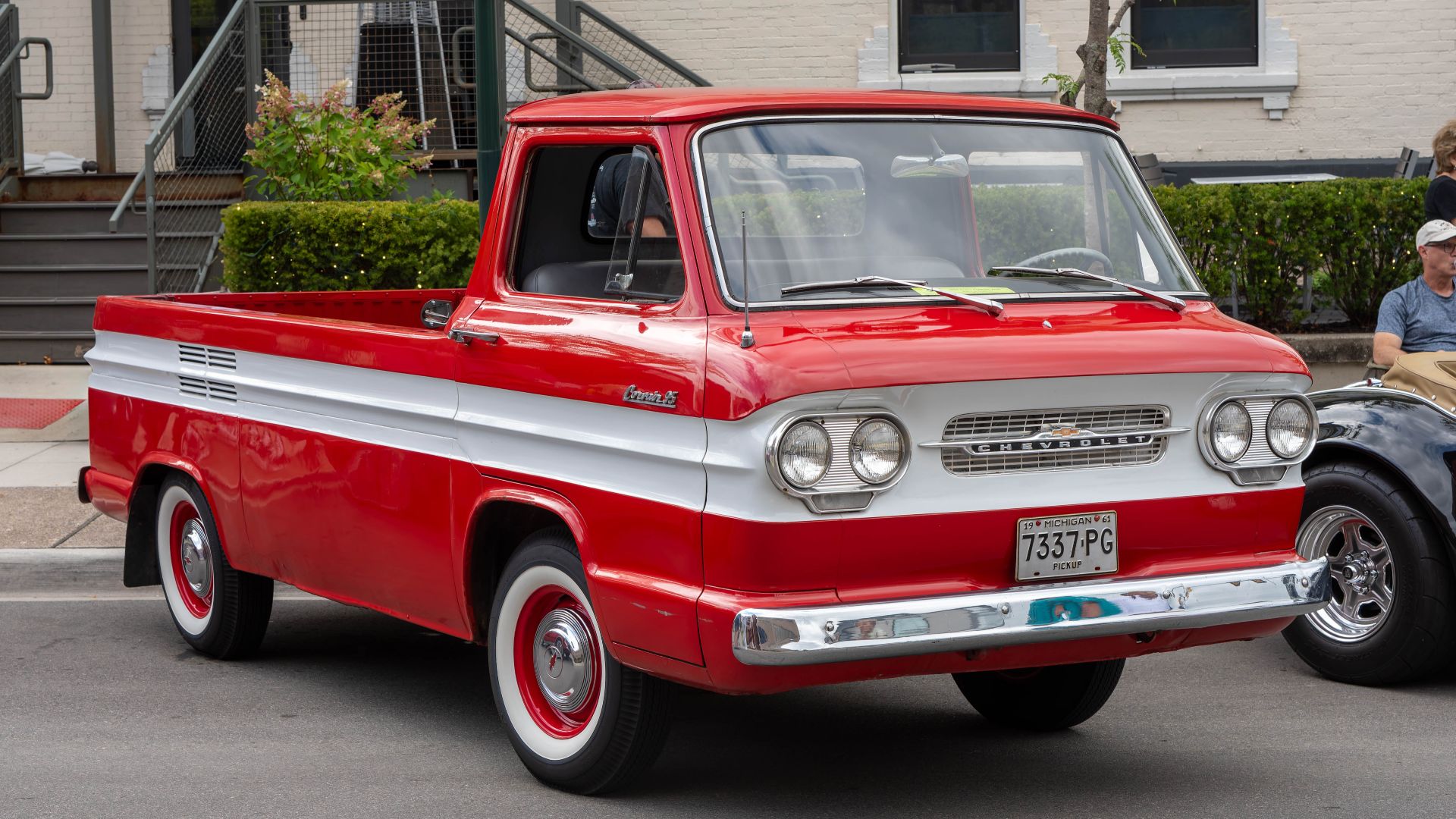 Mustang Joe, Wikimedia Commons
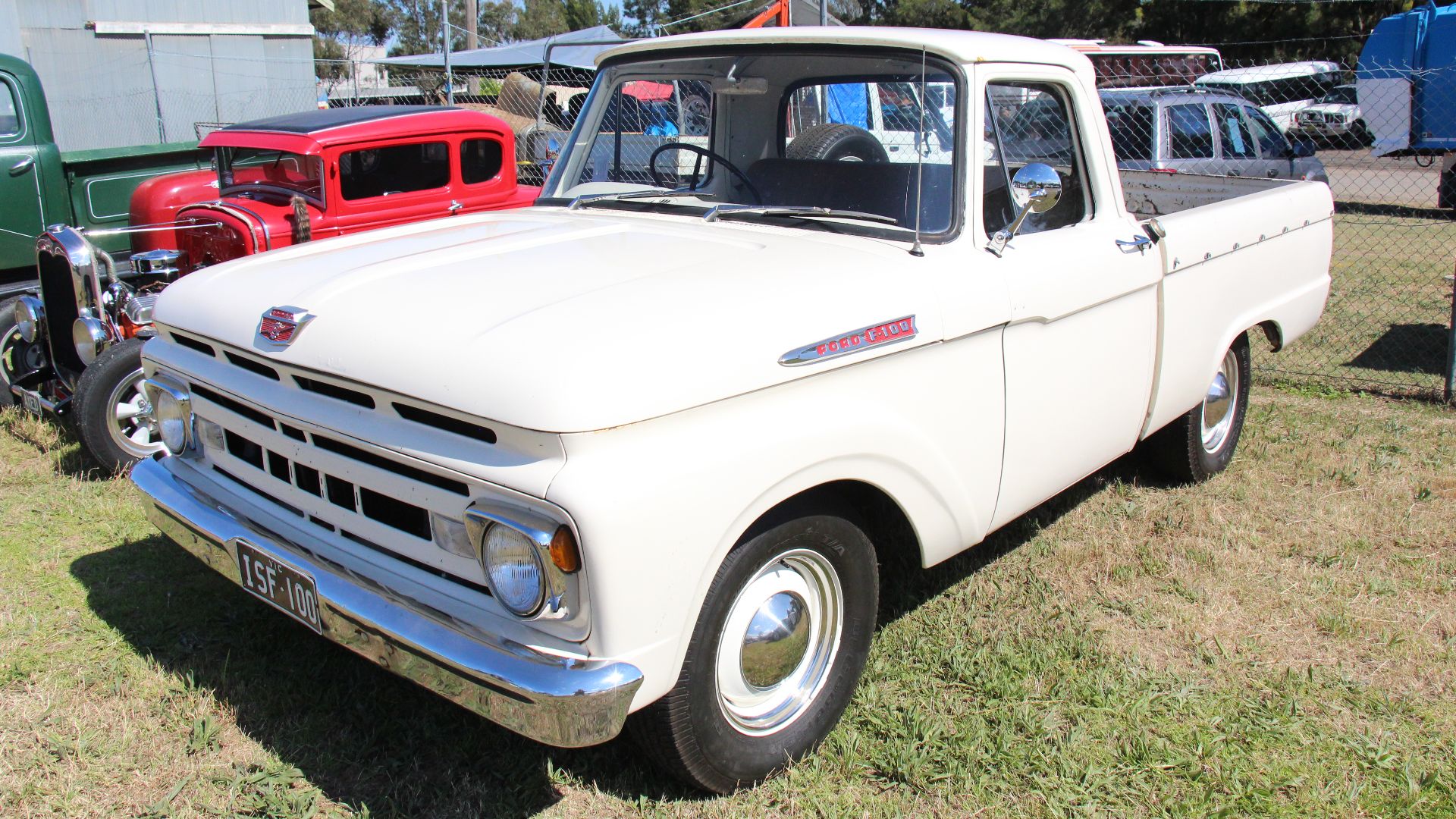
#18. 1961 Ford F-250 Integrated Styleside
Ford joined the F-250’s cab and Styleside bed into one continuous body, although the structure still sat on a conventional frame. The unusual construction provided smooth styling and additional cargo space. It was innovative, attractive, and just controversial enough to become fascinating many decades later.
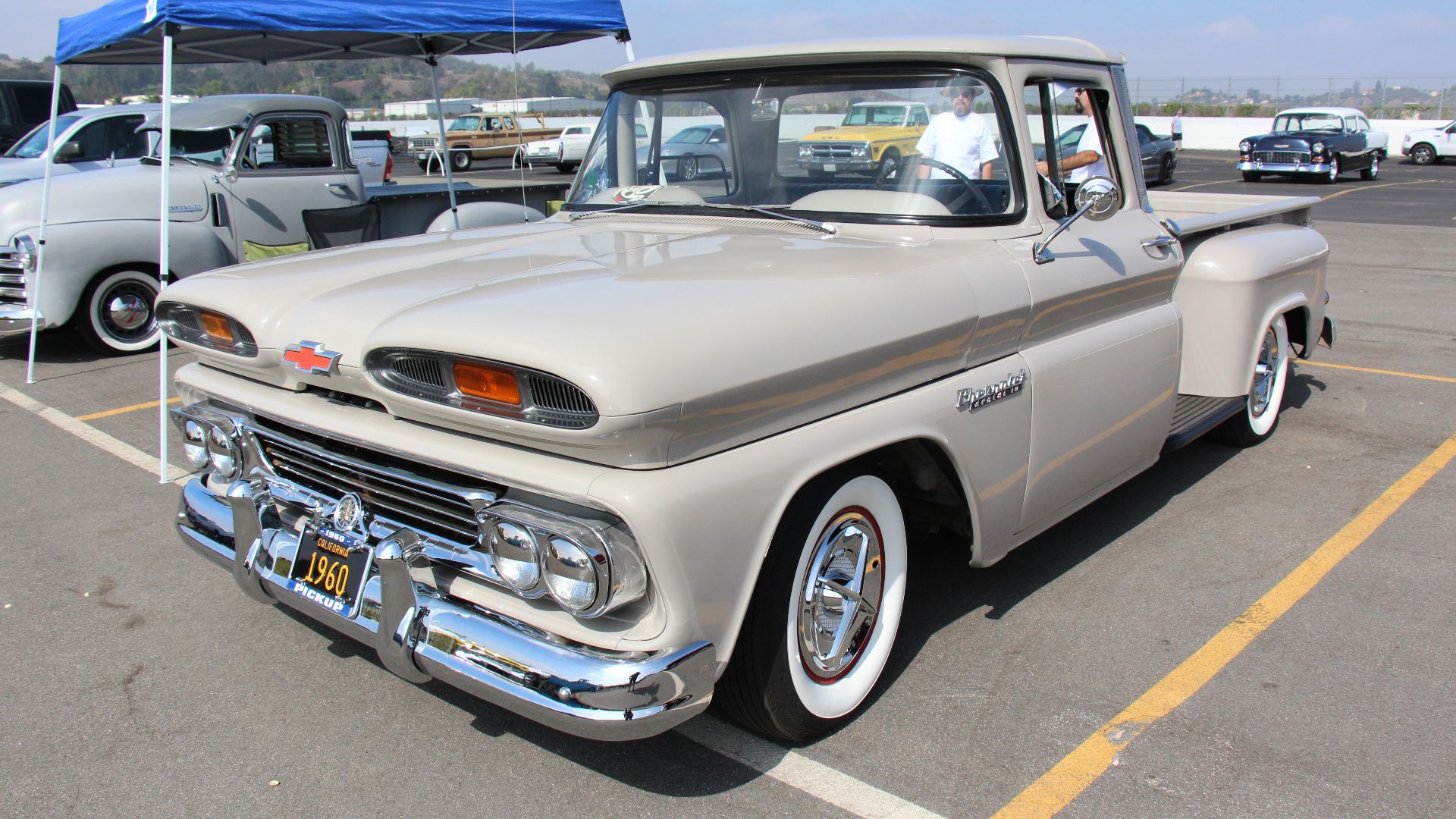
#17. 1960 Chevrolet C10 Apache Stepside
Chevrolet completely redesigned its light-duty trucks for 1960. The new C10 featured independent torsion-bar front suspension, rear coil springs, and a lower cab than its predecessor. The Stepside retained exposed rear fenders, giving buyers modern road manners without making the truck look suspiciously sophisticated.
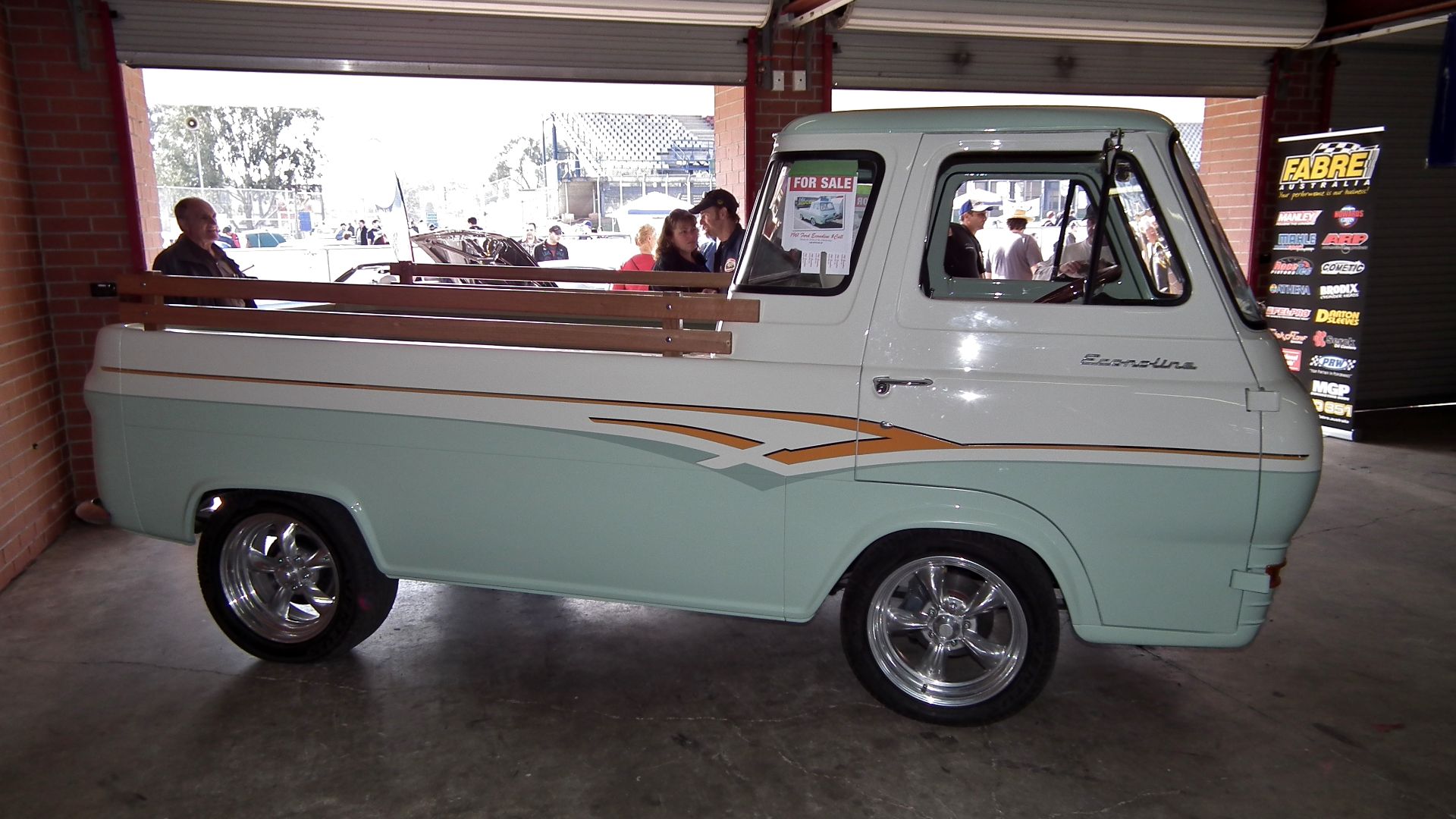
#16. 1961 Ford Econoline Pickup
The forward-control Econoline placed its driver above the front axle and its engine between the seats. This created a long cargo bed on a compact 90-inch wheelbase. It was excellent for crowded delivery routes, although anyone sitting ahead of the front wheels had a particularly close relationship with traffic.
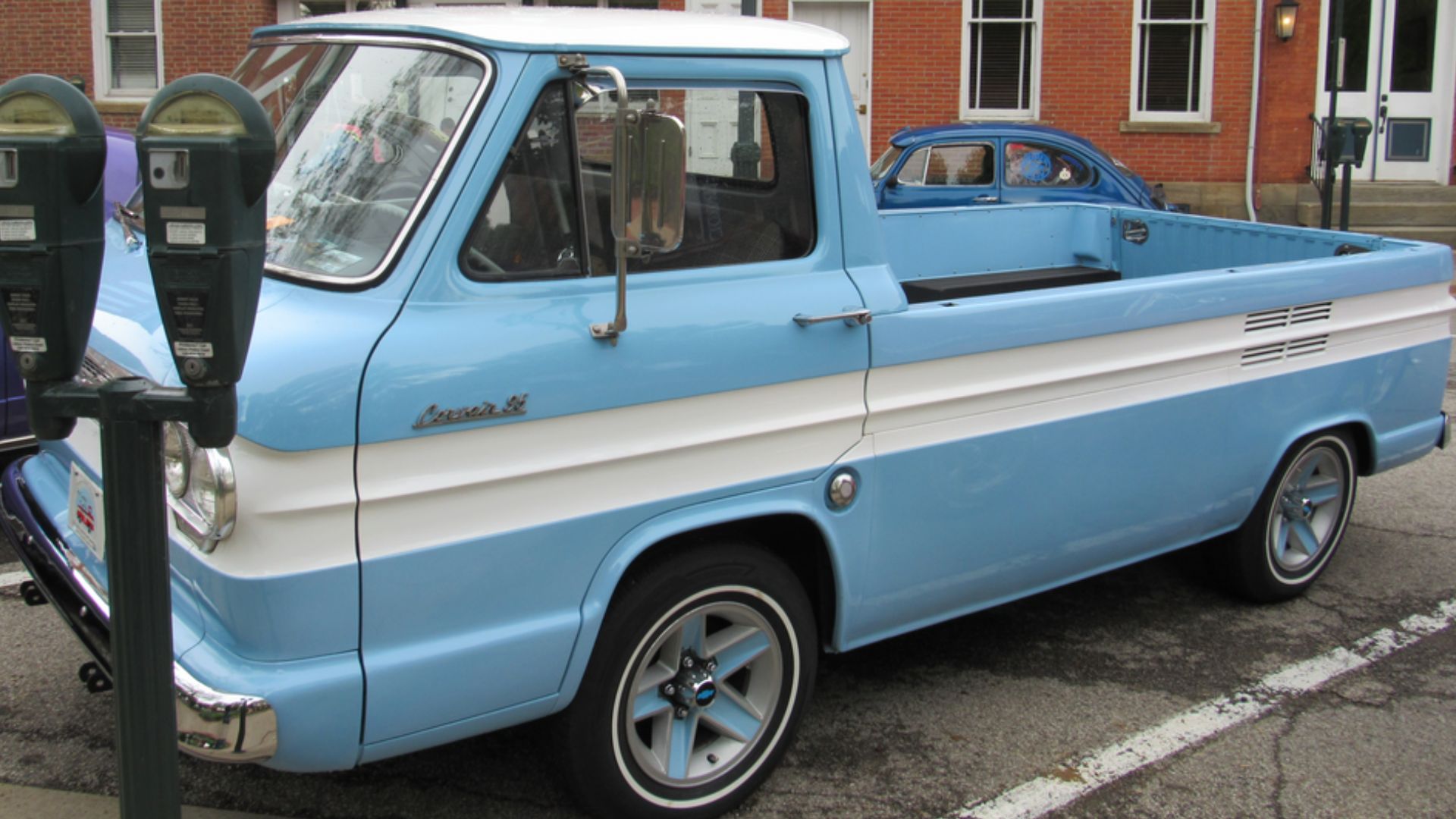
#15. 1961 Chevrolet Corvair 95 Rampside
Chevrolet gave the Rampside a passenger-side panel that folded downward to form a loading ramp. Appliances, barrels, and wheeled equipment could enter the low central cargo area without being lifted over the tailgate. Its rear-mounted air-cooled engine was unusual, but the ramp itself was genuinely brilliant.
 Captainpisslord, Wikimedia Commons
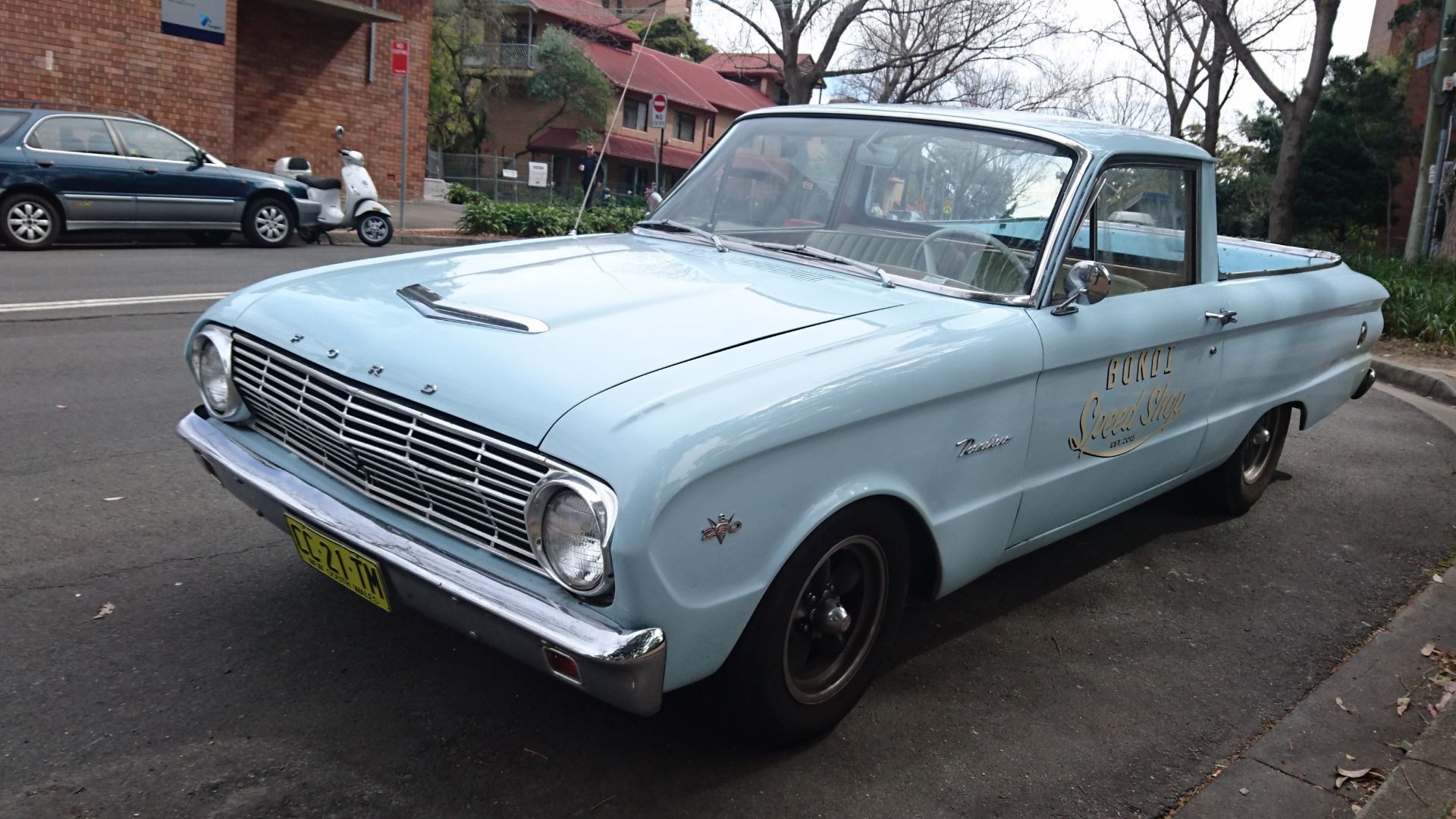
#14. 1963 Ford Falcon Ranchero 260 V8
Ford added the optional 260-cubic-inch V8 to the compact Falcon Ranchero during the 1963 model year. The lightweight coupe utility could now combine an 800-pound-rated cargo box with considerably livelier performance. It remained economical enough for errands but finally sounded ready for Saturday night.
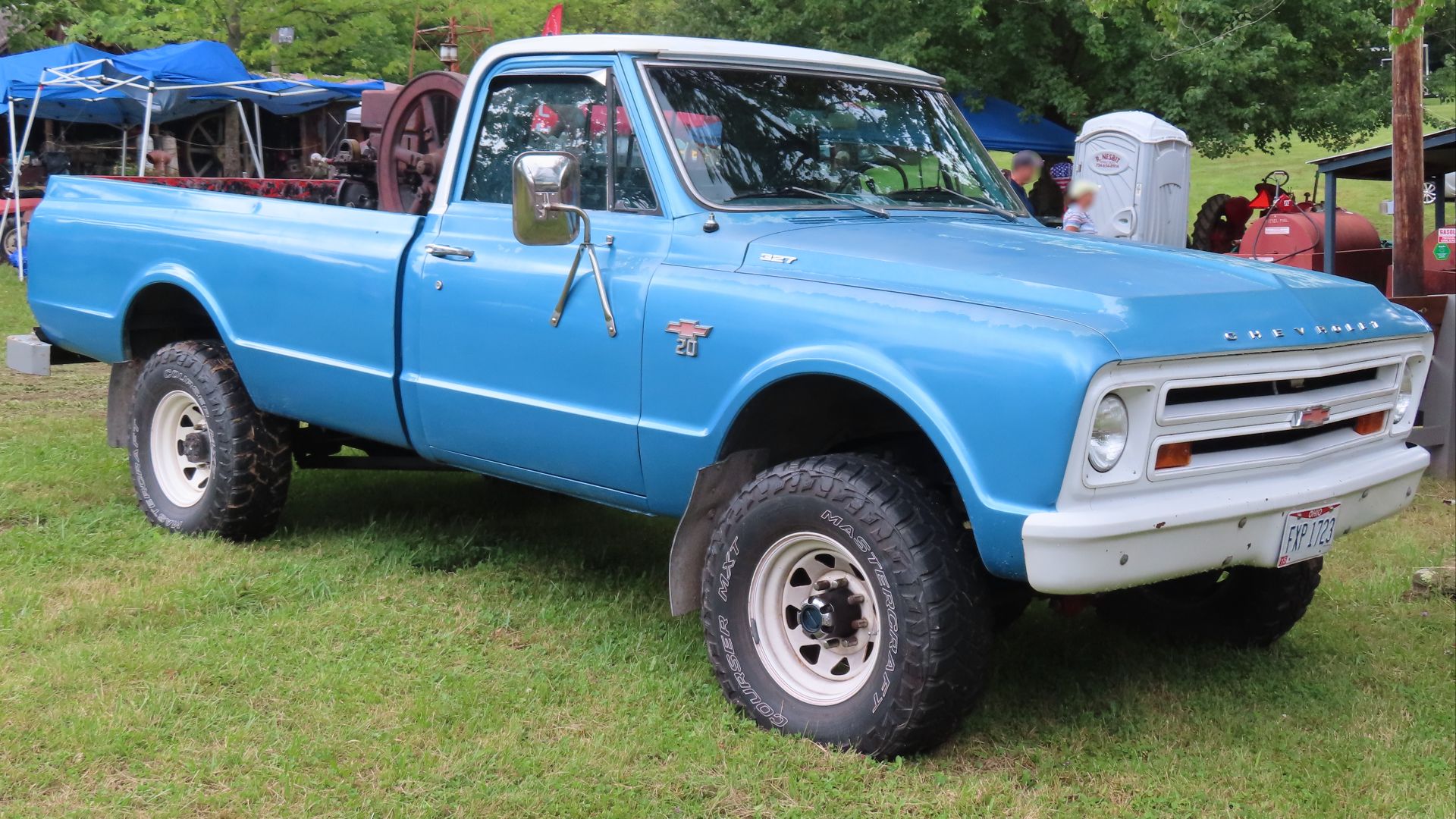
#13. 1963 Chevrolet K20 Stepside
The three-quarter-ton K20 brought serious factory four-wheel drive to Chevrolet’s pickup range. Manual locking hubs, a two-speed transfer case, and a rugged ladder frame prepared it for difficult terrain. An optional 292-cubic-inch inline-six produced 165 horsepower and plenty of useful low-speed torque.
 MercurySable99, Wikimedia Commons
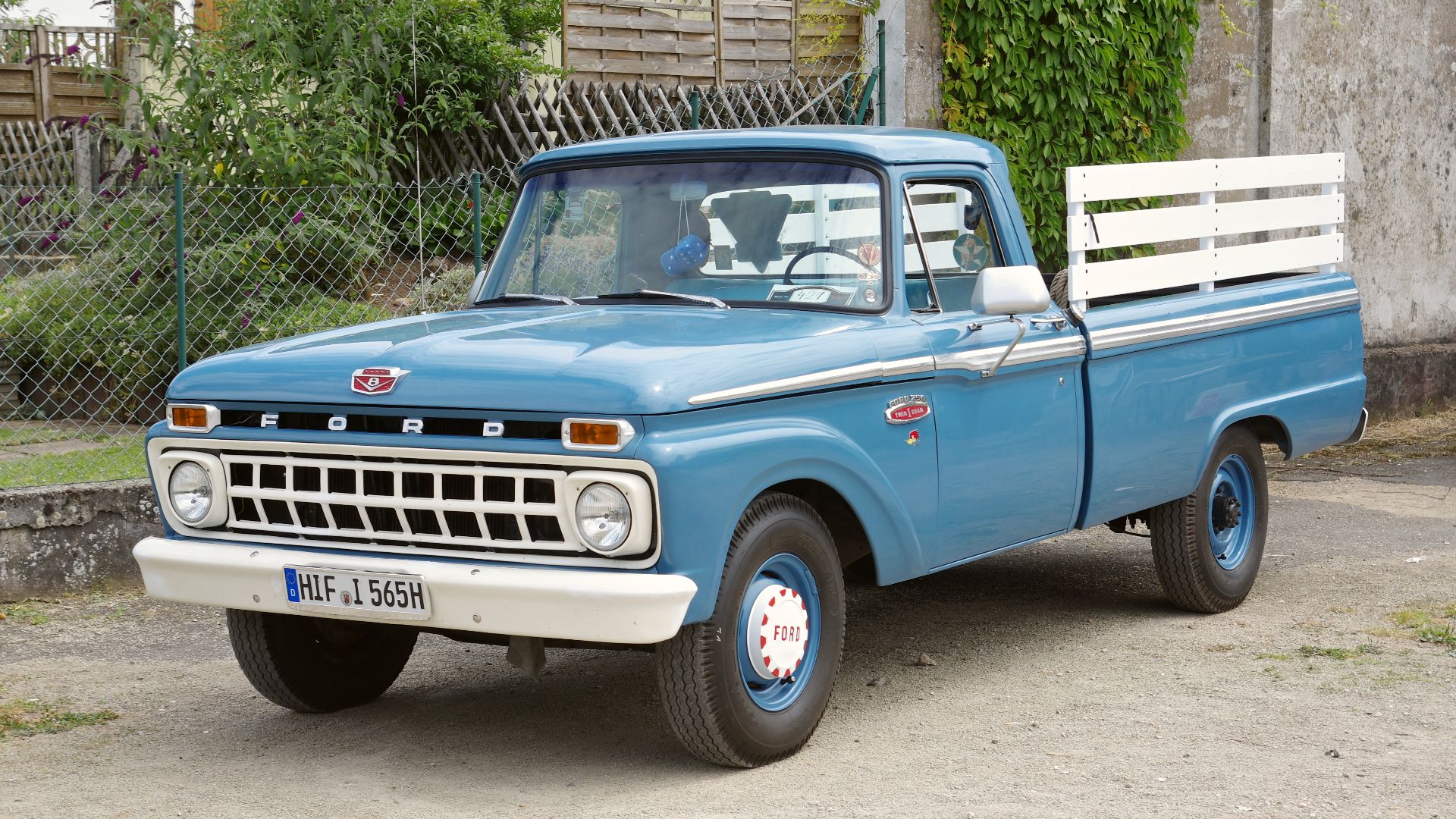
#12. 1964 Ford F-250 Styleside 4×4
Ford’s 1964 F-250 was available with four-wheel drive and either Flareside or Styleside bodywork. The smooth-sided Styleside looked contemporary, while the three-quarter-ton chassis handled demanding work. Unlike Ford’s integrated pickups, this model used separate cab-and-bed construction, which traditional truck owners generally preferred.
 Berthold Werner, Wikimedia Commons
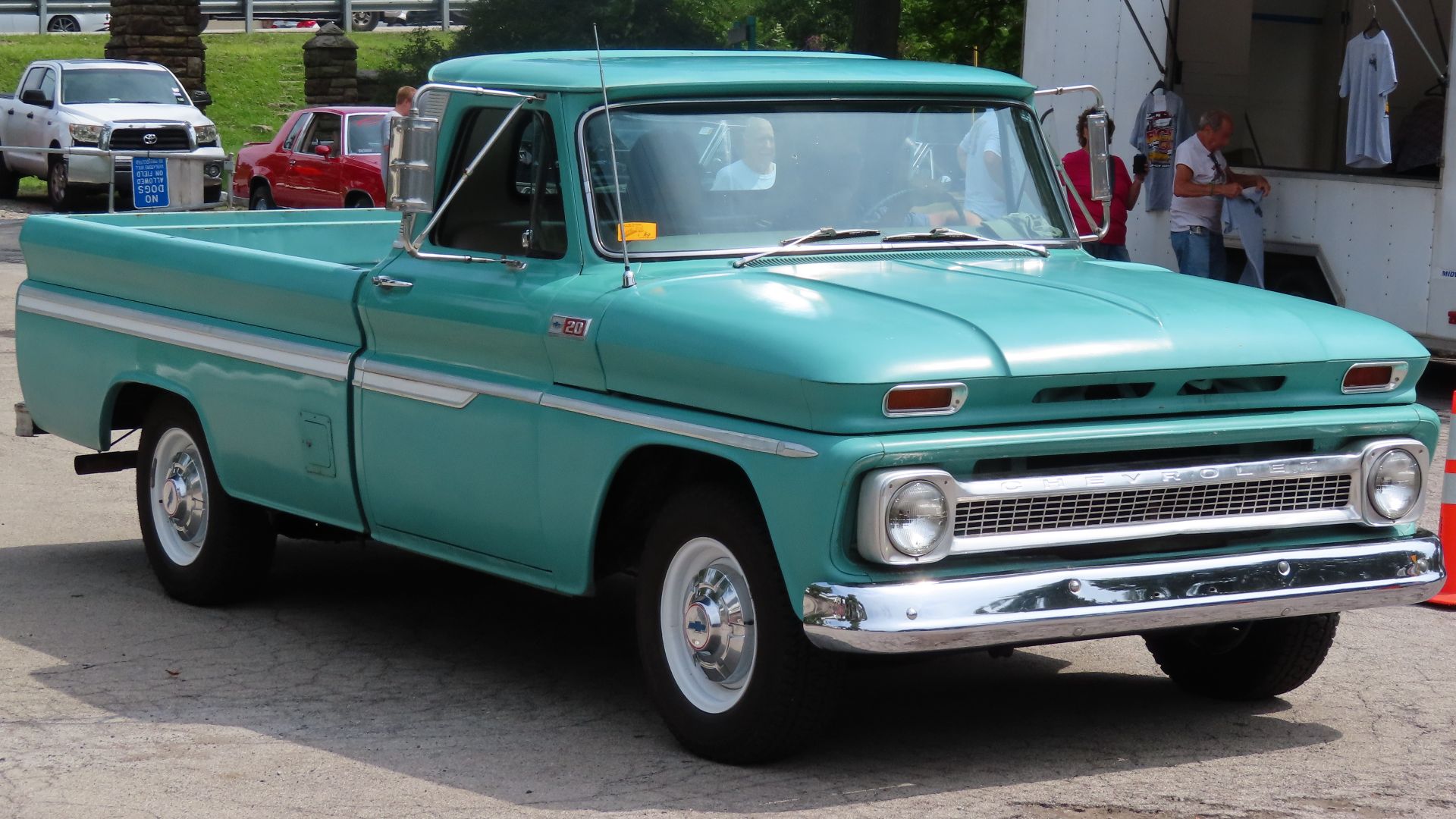
#11. 1965 Chevrolet C20 Fleetside 327
Chevrolet introduced its 327-cubic-inch V8 to the C20 and C30 for 1965. Rated at 220 gross horsepower in truck form, it gave the three-quarter-ton C20 substantially more muscle for hauling and camper duty. The Fleetside bed added clean styling without compromising the truck’s practical personality.
 MercurySable99, Wikimedia Commons
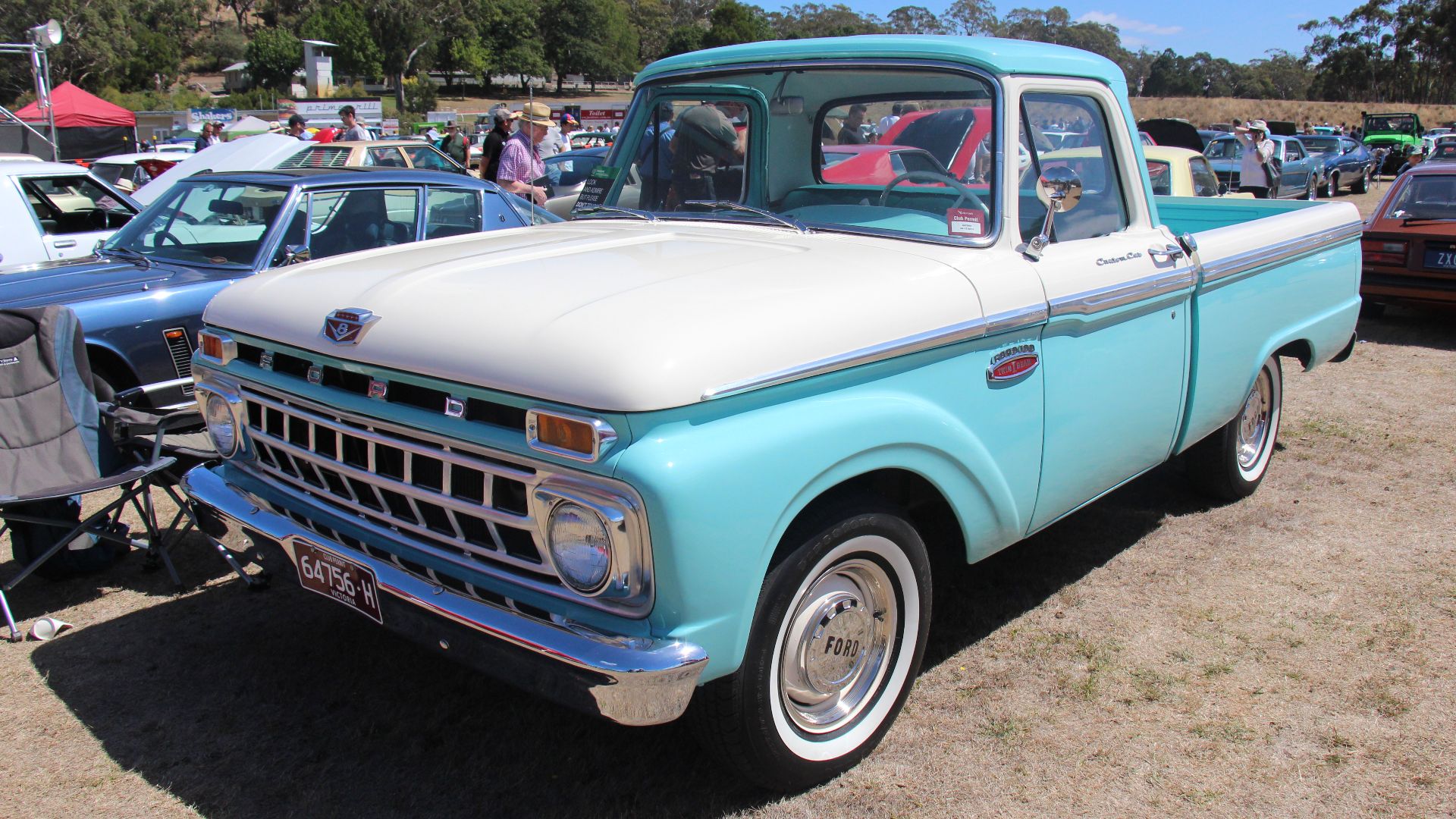
#10. 1965 Ford F-100 Ranger
The Ranger name first appeared on an F-Series pickup in 1965 as an upscale interior package. Available features included carpeting, bucket seats, and an optional center console. Two-wheel-drive trucks also gained Ford’s new Twin I-Beam front suspension, making this F-100 both more comfortable and considerably more civilized.
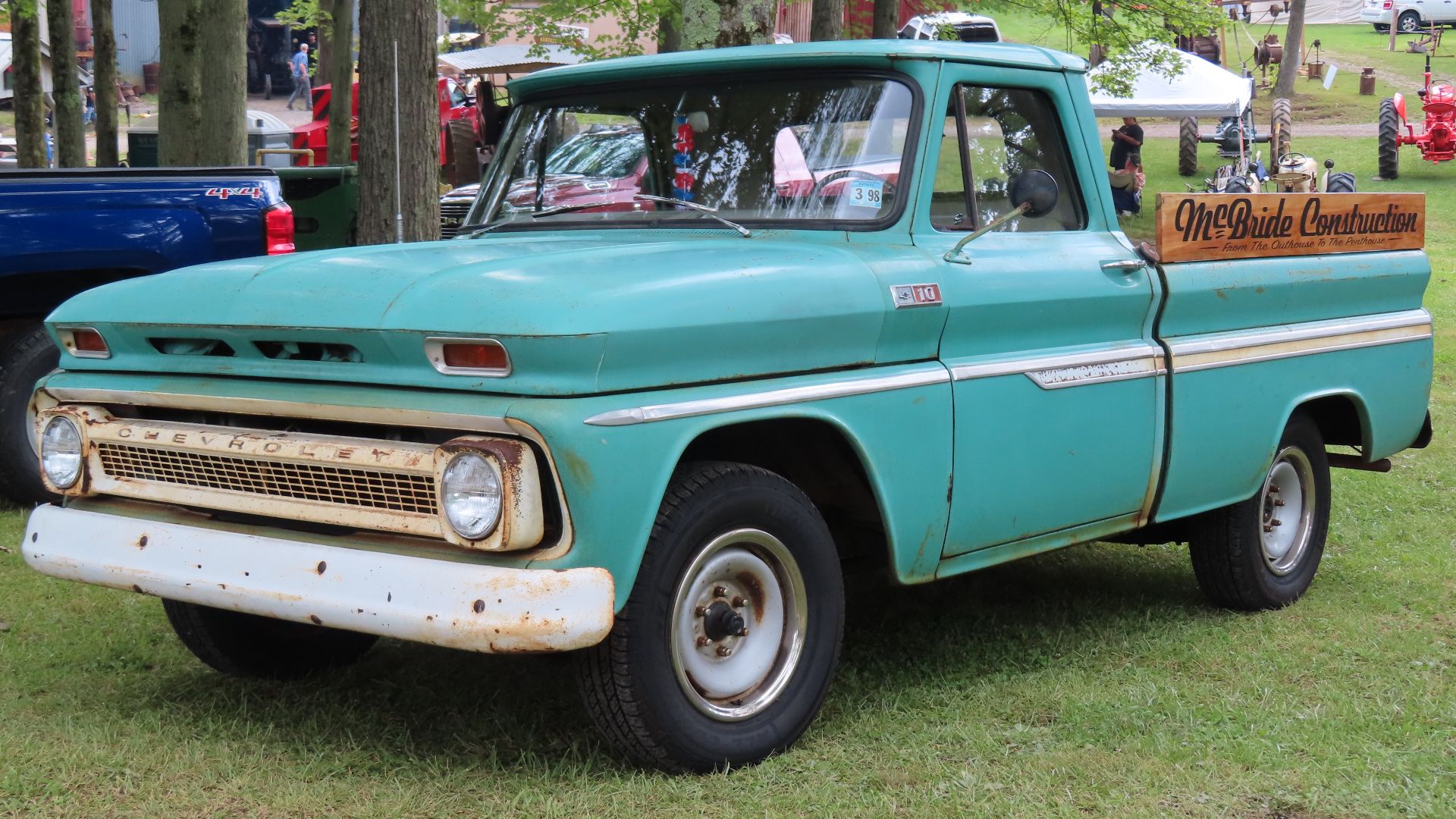
#9. 1966 Chevrolet C10 Custom Fleetside 327
For 1966, Chevrolet made its 327-cubic-inch V8 available in the half-ton C10. The Custom trim added visual and interior upgrades, while the Fleetside bed supplied smooth proportions. It was powerful, comfortable, and practical—a combination that explains why beautifully restored examples remain so desirable.
 MercurySable99, Wikimedia Commons
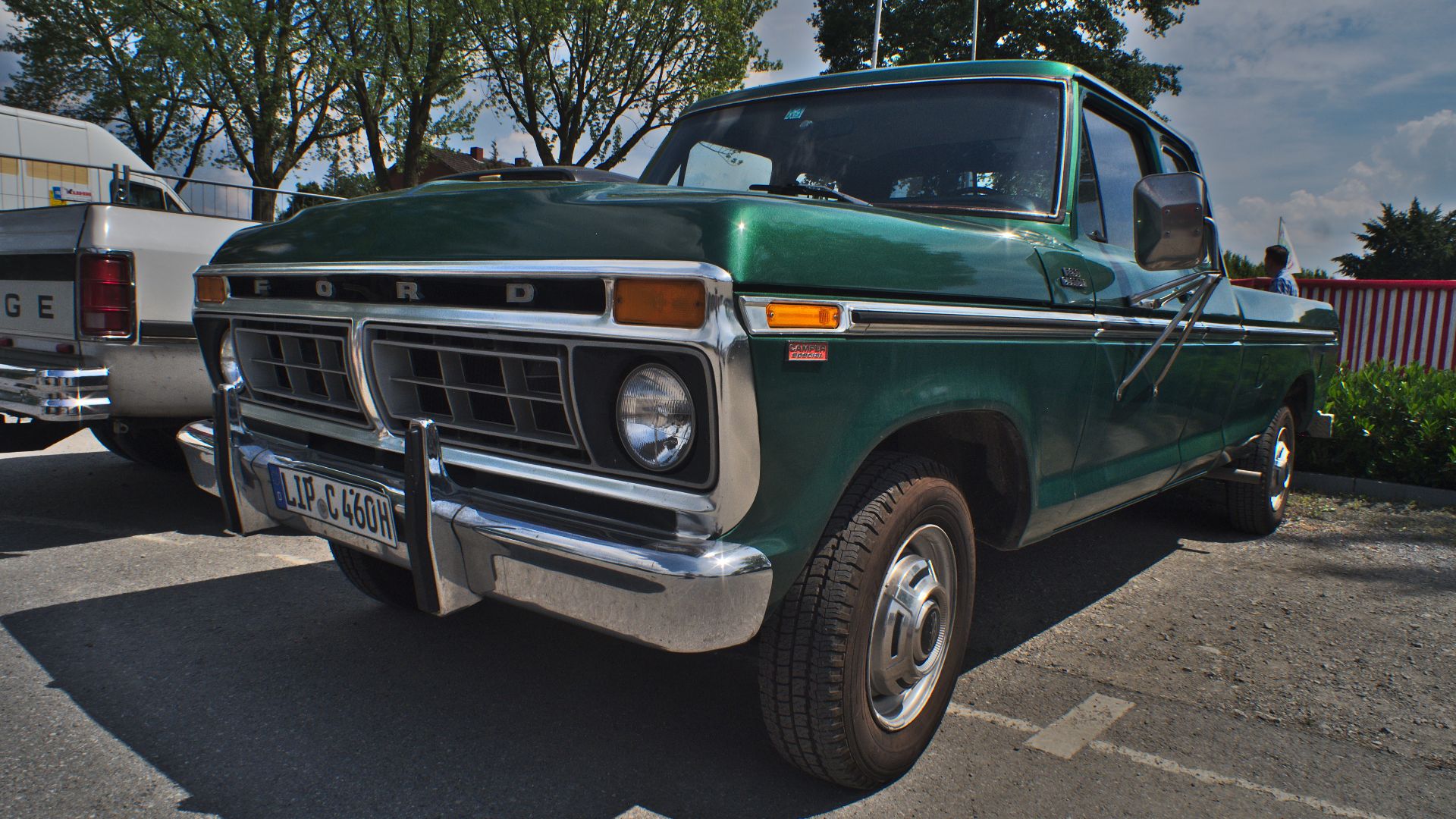
#8. 1966 Ford F-250 Camper Special
Ford introduced the Camper Special package in 1965 and refined the formula for 1966. Heavy-duty springs, upgraded charging and cooling equipment, camper wiring, and large mirrors helped the F-250 carry popular slide-in campers. Available 300-cubic-inch six and 352 V8 engines supplied dependable pulling power.
 Thomas Vogt from Paderborn, Deutschland, Wikimedia Commons
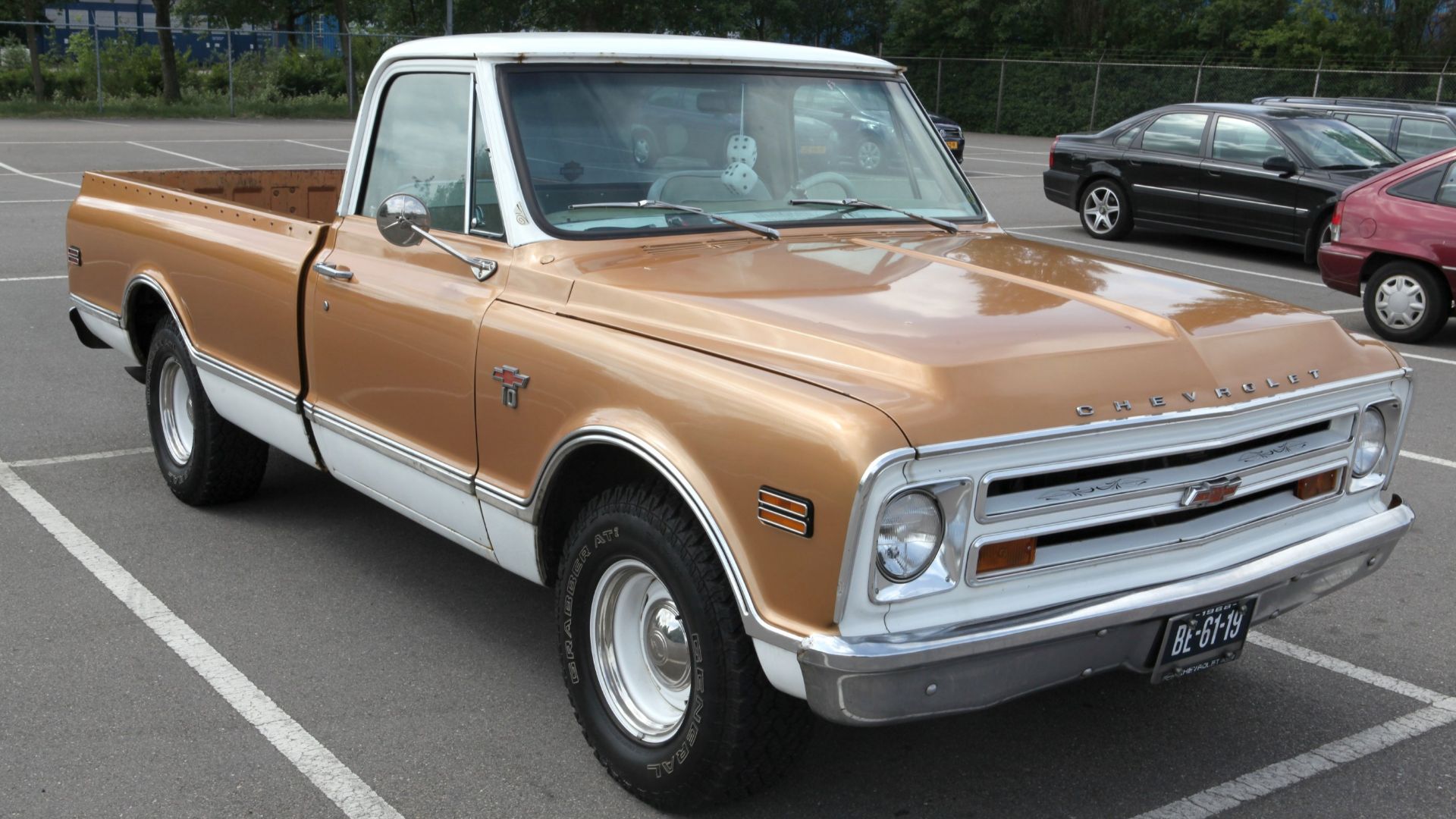
#7. 1968 Chevrolet C10 Golden Anniversary Edition
Chevrolet celebrated 50 years of truck production with a Golden Anniversary package offered on selected 1968 trucks. Its distinctive gold-and-white finish and matching interior made it immediately recognizable. Beneath the special colors was the handsome second-generation C10, with available engines including the new 307 V8.
 Joost J. Bakker from IJmuiden, Wikimedia Commons
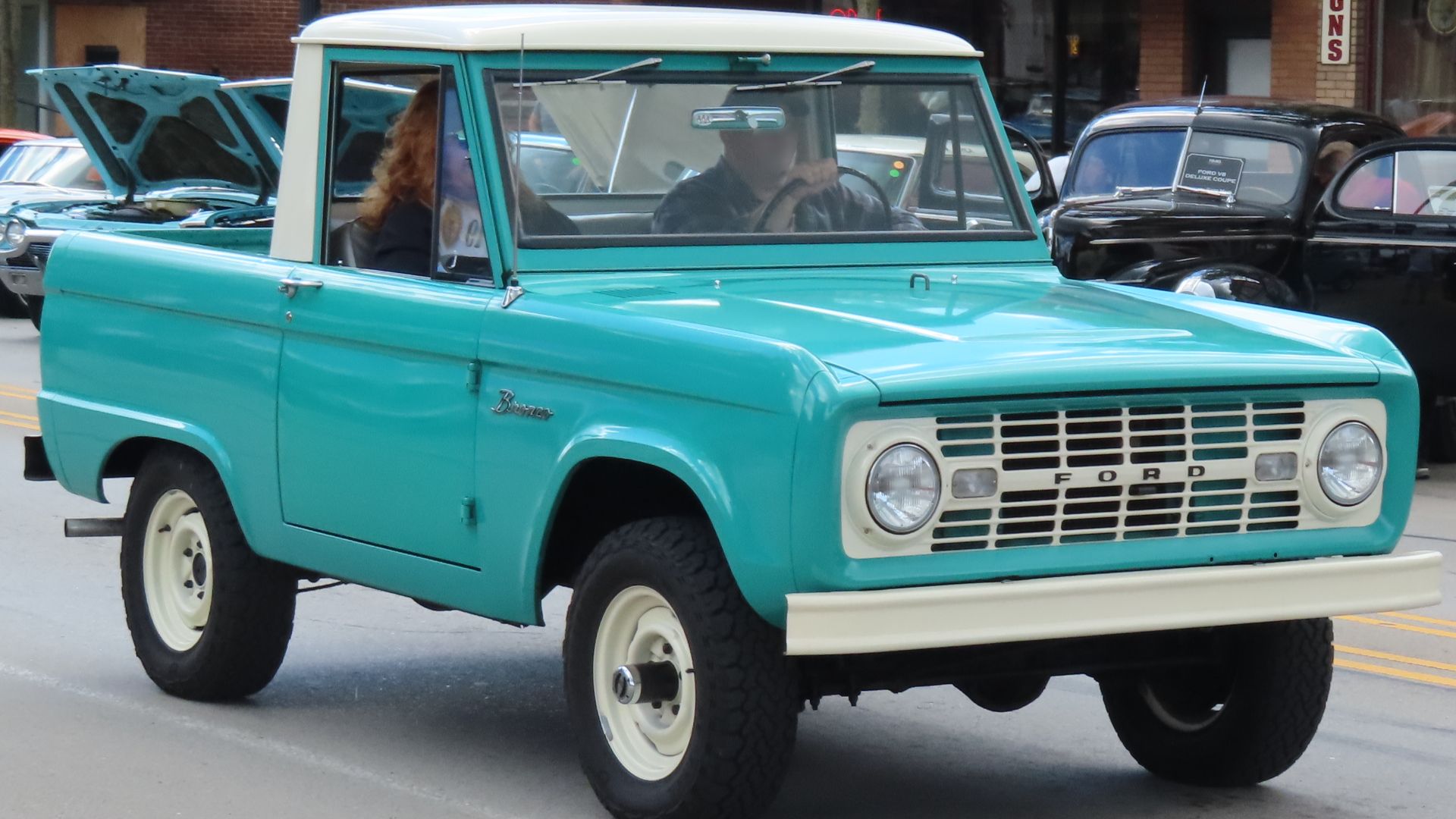
#6. 1966 Ford Bronco Sport Utility Pickup
The original Bronco arrived in three body styles, including the short-roof U14 Sport Utility pickup. Four-wheel drive, a compact wheelbase, coil-spring front suspension, and excellent maneuverability suited ranches and narrow trails. Its cargo box was small, but few full-size pickups could follow it very far.
 MercurySable99, Wikimedia Commons
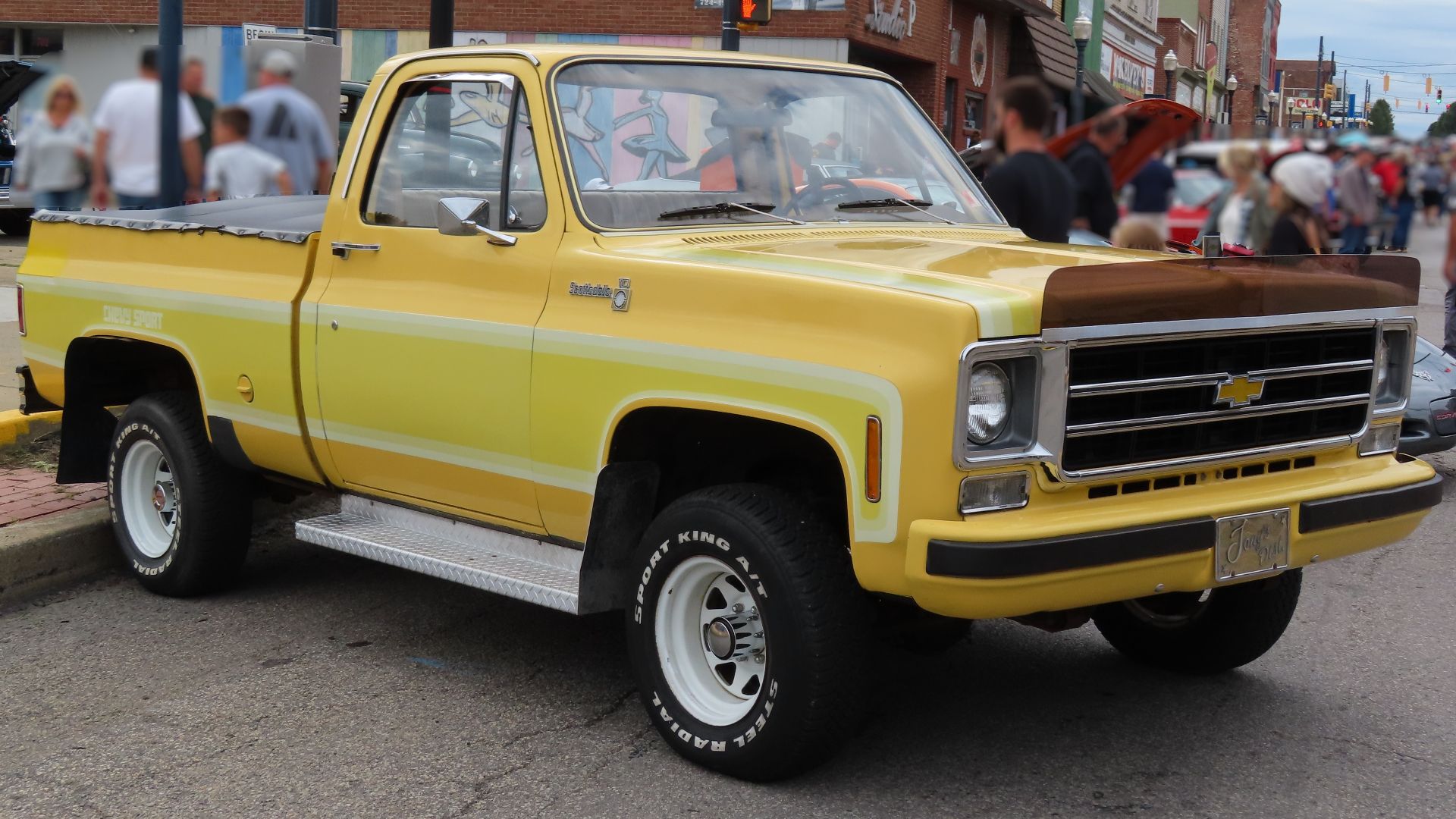
#5. 1968 Chevrolet K10 4×4
The K10 combined Chevrolet’s clean Action Line body with genuine four-wheel-drive capability. Available small-block V8 power, a two-speed transfer case, and a live front axle prepared it for snow, mud, and farm roads. These trucks were less common than two-wheel-drive C10s and are highly sought after today.
 MercurySable99, Wikimedia Commons
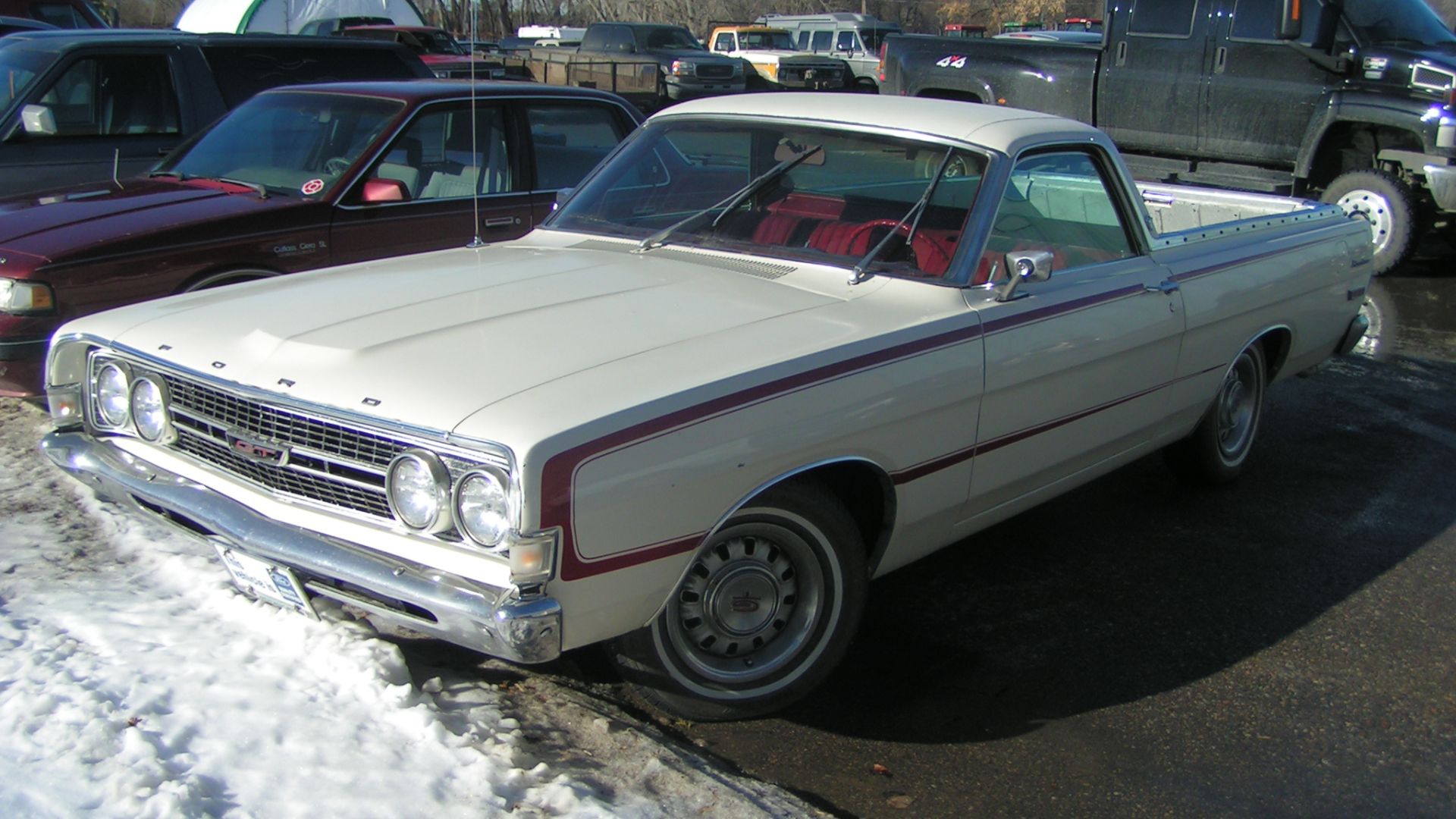
#4. 1968 Ford Ranchero GT 428 Cobra Jet
Ford transformed the Ranchero into a muscle pickup by offering the 428 Cobra Jet during the 1968 model year. The GT also brought sporty Torino-inspired styling, a hood scoop, and upgraded trim. It could haul hardware in the afternoon and terrorize rear tires after the store closed.
 dave_7 from Lethbridge, Canada, Wikimedia Commons
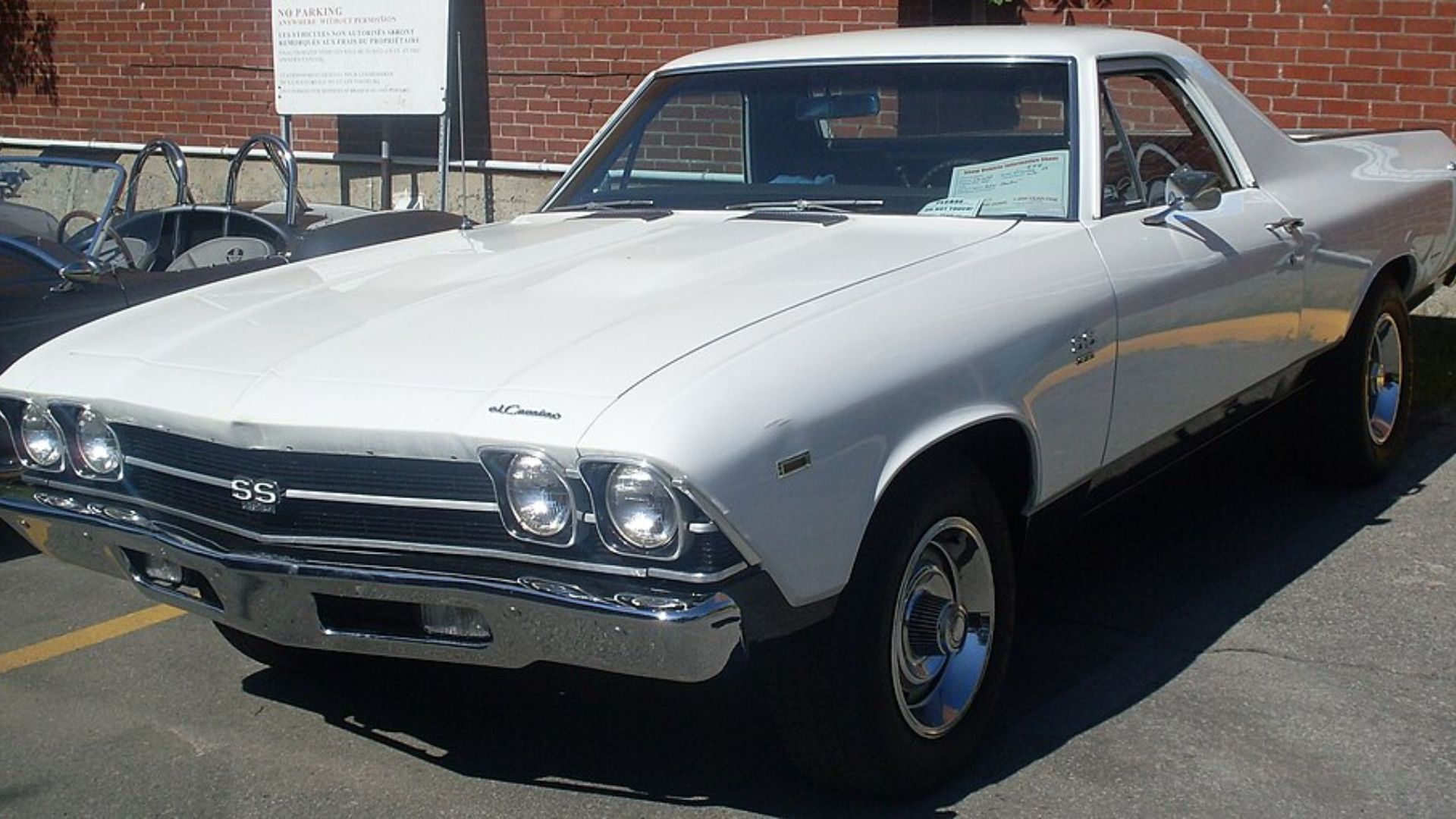
#3. 1969 Chevrolet El Camino SS 396
For 1969, the SS 396 became an option package rather than a separate El Camino series. The standard SS engine was a 325-horsepower 396 V8, with more powerful versions available. A special hood, power front brakes, wider wheels, and SS identification completed Chevrolet’s wonderfully excessive car-pickup.
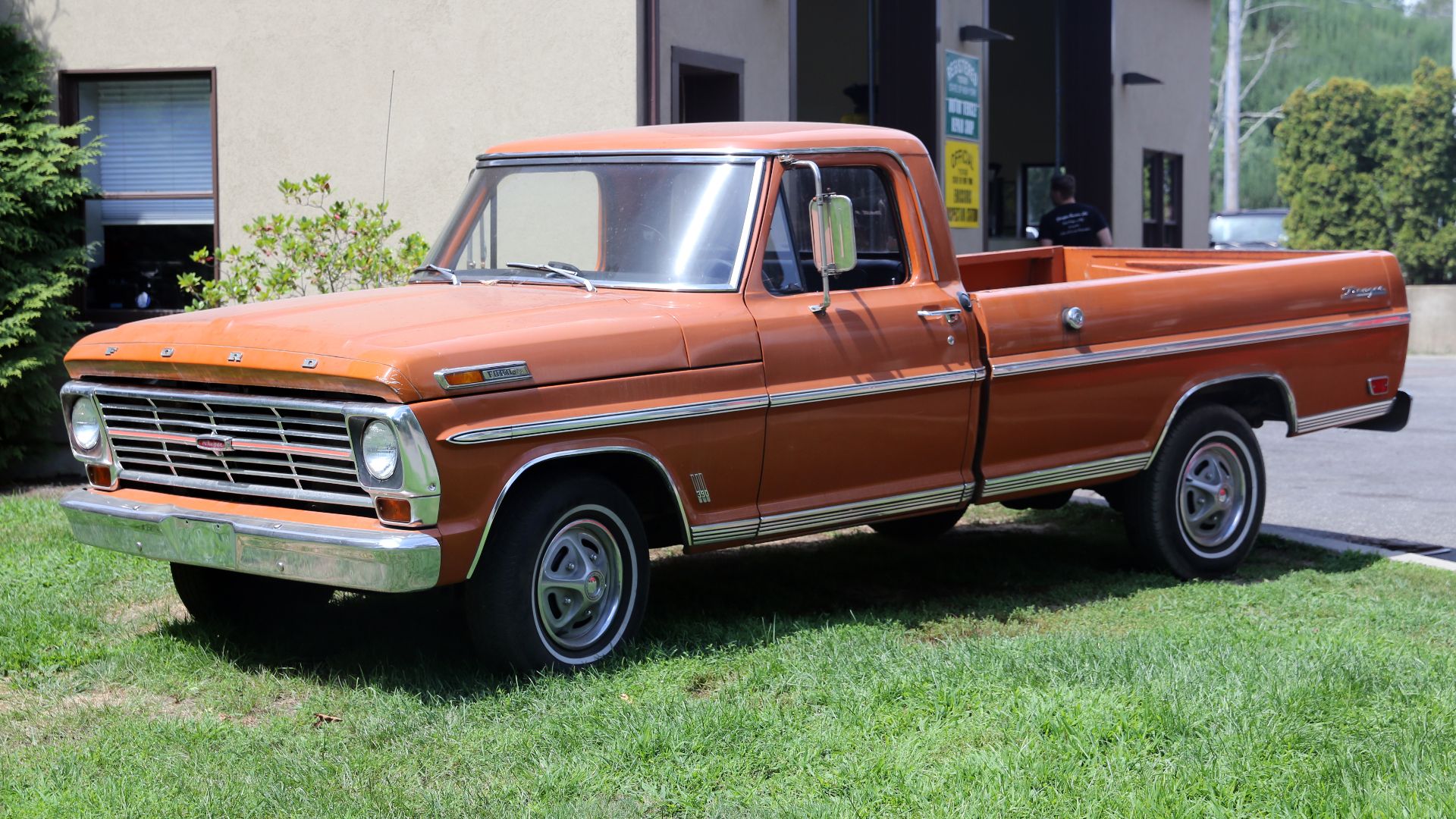
#2. 1969 Ford F-100 Ranger Styleside 390
This F-100 combined handsome Bumpside sheet metal, smooth Styleside bodywork, upscale Ranger trim, and an available 390-cubic-inch V8. Two-wheel-drive versions used Twin I-Beam front suspension. It represented Ford’s transition from purely functional work trucks toward pickups comfortable enough for everyday family transportation.
 Mr.choppers, Wikimedia Commons
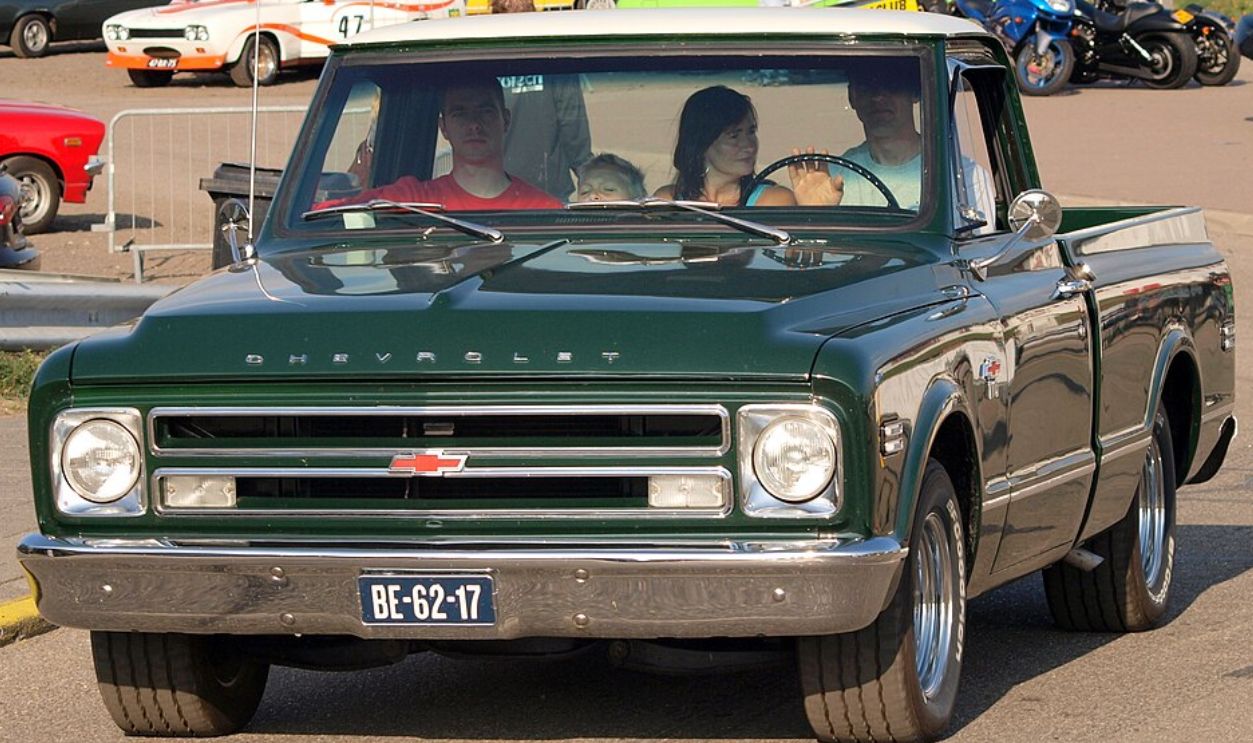
#1. 1967 Chevrolet C10 CST Short-Bed Fleetside
The 1967 C10 CST takes first place for its lasting influence, balanced proportions, and broad appeal. The redesigned cab was larger and more comfortable, while the Custom Sport Truck package added upscale trim. Short-bed Fleetsides with optional 327 V8 power became templates for the modern collectible American pickup.
You May Also Like:
Pickup Trucks That Are Still Running Strong After 400,000 Miles
The Most Reliable Diesel Trucks For 2025, According To Edmunds
Classic Pickup Trucks Are Skyrocketing in Value—Here’s What’s Driving It