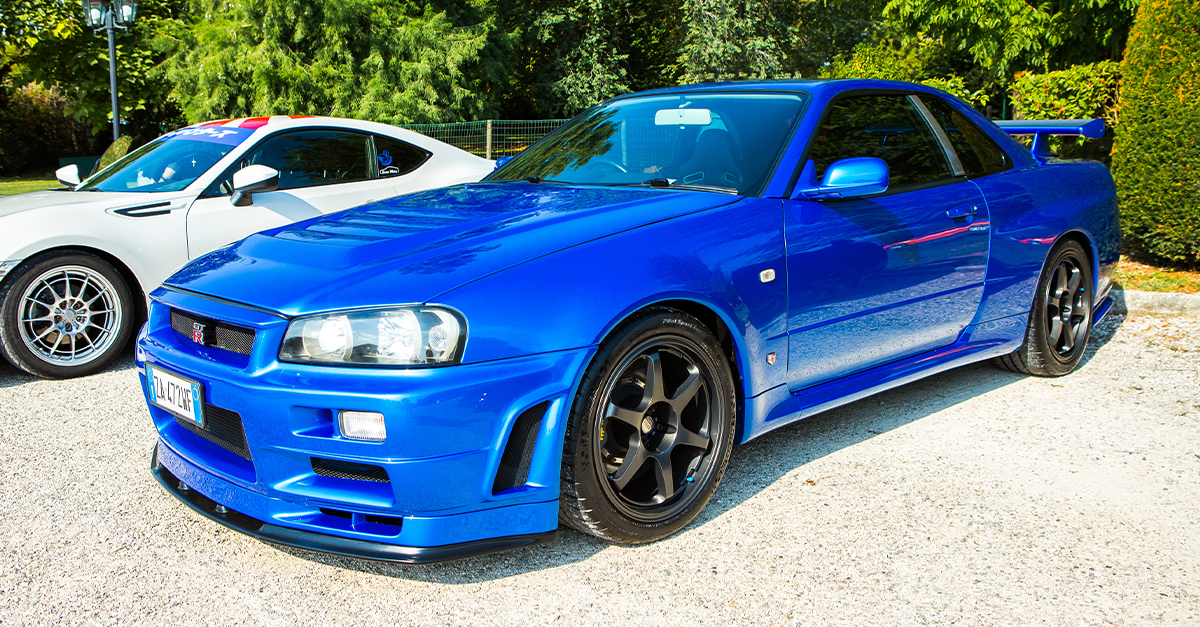
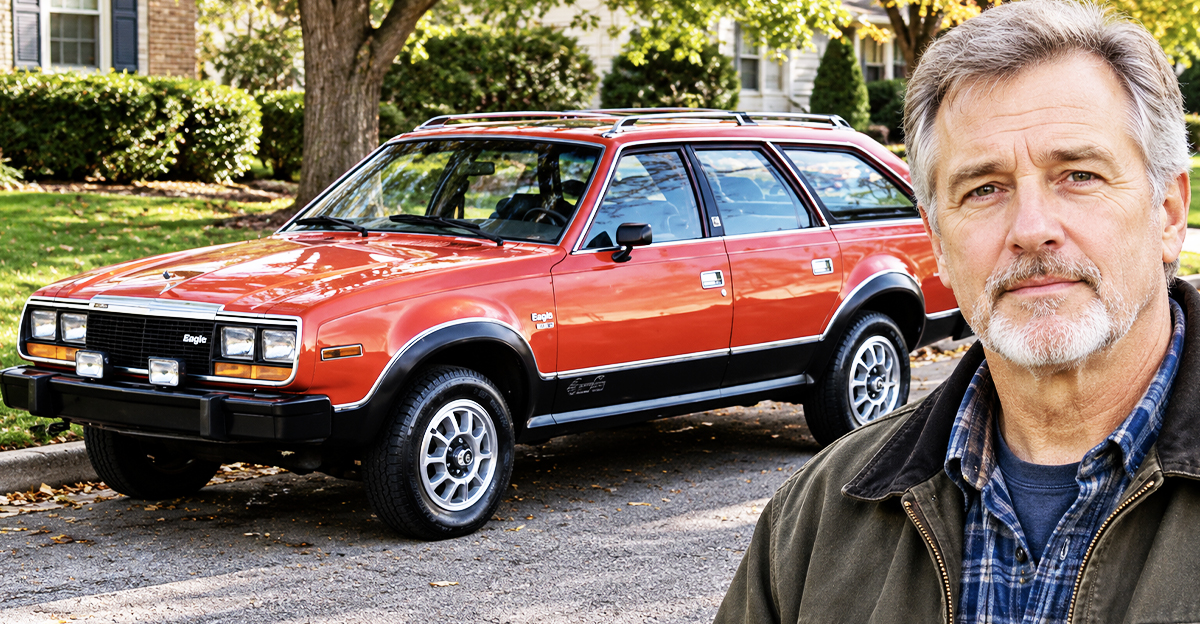
A 20-year-old luxury car can look like a steal when the asking price lands below a brand-new economy model. That is the temptation your husband is seeing, and to be fair, the math looks seductive at first glance. But with aging premium cars, the low purchase price often hides repair costs, parts prices, and complexity that do not age as gracefully as the leather seats.
You bought the car, and the hardware is already sitting there in plain sight. Then the automaker asks for a monthly fee to switch on a feature that the vehicle can physically already do. That is the core reason so many drivers hear this pitch and immediately think, “Wait, am I paying twice?”
If your insurer denied a flood claim on a parked car because you declined comprehensive coverage, that answer is usually consistent with how auto insurance works in the United States. Many drivers assume “basic” insurance protects the car itself from almost anything, but that is often not true. In most cases, flood damage to your own vehicle is covered under comprehensive, not liability-only coverage.
Remember when pickups were built for work instead of family duty? Discover the strange, forgotten, and innovative American trucks of the 1960s, from the Chevrolet Corvair Rampside and Jeep FC to the Studebaker Champ, Dodge A100, and International Travelette.
For most cars, extinction is a slow, quiet process that ends in the scrap yard. Let's pay homage to the ones that are nearing their final days on the road.
Remember when pickups were built for work instead of family duty? Discover the strange, forgotten, and innovative American trucks of the 1960s, from the Chevrolet Corvair Rampside and Jeep FC to the Studebaker Champ, Dodge A100, and International Travelette.
Cutting fuel costs by more than 40% would be a huge improvement (and a huge relief on the wallet given the price of gas these days). And according to some hypermilers, one strange-looking technique called “ridge riding” can help squeeze lots more miles from a tank.
For most cars, extinction is a slow, quiet process that ends in the scrap yard. Let's pay homage to the ones that are nearing their final days on the road.
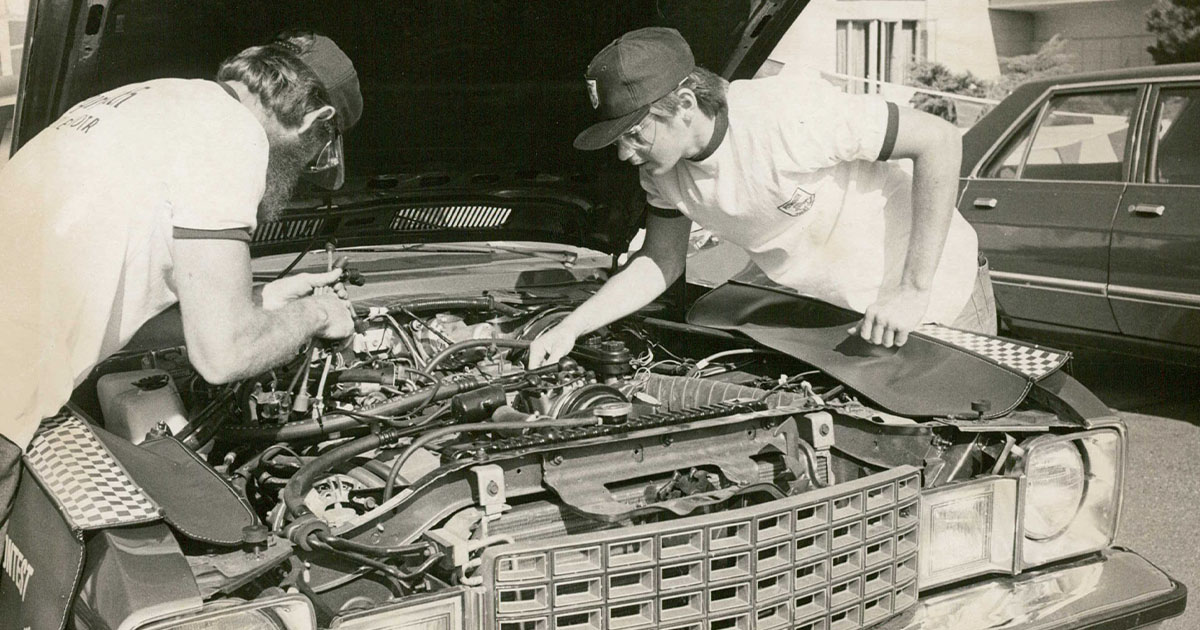
Master DIY car maintenance with our comprehensive guide, highlighting key tasks every car owner can handle. Learn the 'what,' 'why,' and 'how' of maintaining your vehicle for optimal performance. From changing oil to checking tire pressure, we've got your auto care needs covered.
Cutting fuel costs by more than 40% would be a huge improvement (and a huge relief on the wallet given the price of gas these days). And according to some hypermilers, one strange-looking technique called “ridge riding” can help squeeze lots more miles from a tank.
Master DIY car maintenance with our comprehensive guide, highlighting key tasks every car owner can handle. Learn the 'what,' 'why,' and 'how' of maintaining your vehicle for optimal performance. From changing oil to checking tire pressure, we've got your auto care needs covered.
Used-car shoppers hear this all the time: highway miles barely count, while city miles are what really wear a car out. It sounds neat, and there is some truth in it, but the real answer is more complicated. Buyers should care about how miles were driven, but they should not treat the odometer like an afterthought.
You pull into the station, glance at the price board, and feel that little sting. Then you remember what the dealership said: use premium. But your owner's manual says regular is acceptable, which raises the question that matters most at the pump: are you paying extra for nothing?
You drop your car off for one problem and get a call later saying the shop already replaced something else. Then comes the kicker. The mechanic says it was too dangerous to leave alone and now expects you to pay for work you never approved.
A bright security light aimed straight into your windshield can be more than a neighborhood nuisance. If it interferes with your ability to see while backing into a street, sidewalk, or driveway approach, it can create a real driving safety problem. The tricky part is that whether your neighbor has to fix it usually depends on local lighting, nuisance, and zoning rules rather than a single nationwide law.