
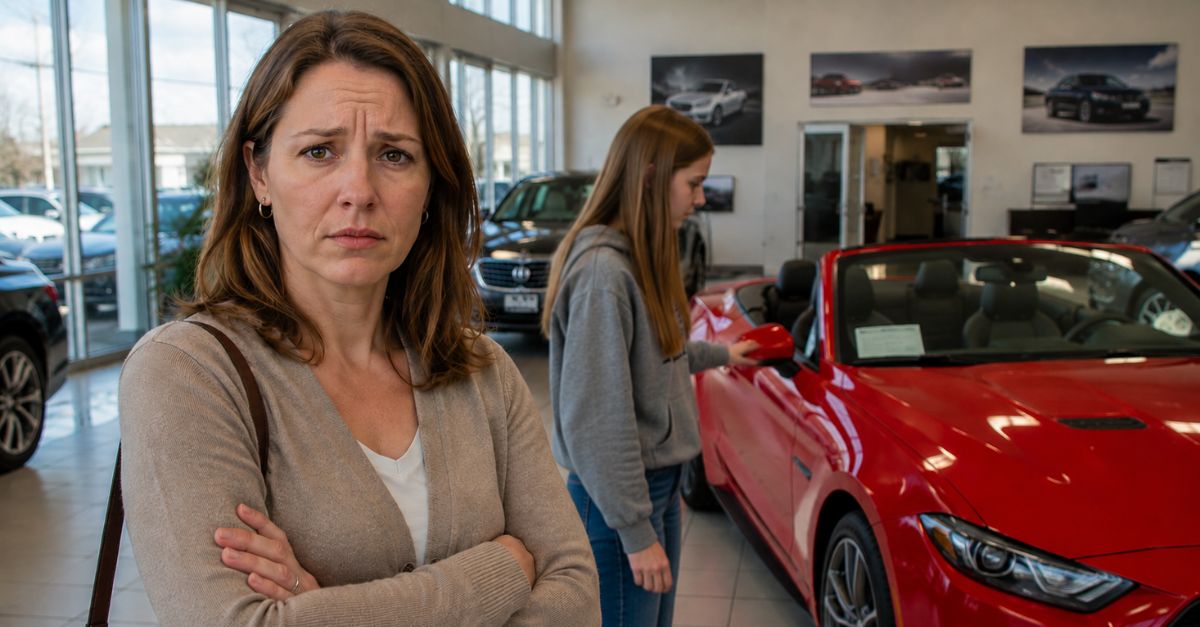
The Cute Car Argument Gets Real Fast
Plenty of teens want a convertible because it looks fun, stylish, and a little rebellious. A teenage dream. That does not make it a smart first car. If you are the parent saying no, you are not being harsh. You are doing what parents are supposed to do: weighing risk, cost, and common sense before saying yes to a vehicle.

Why This Question Gets So Emotional
First cars are emotional purchases, especially for teenagers. Parents tend to think about safety and reliability. Teens often start with image and looks. A convertible can seem harmless because it is still just a car, but the body style brings some real tradeoffs. That is where the conversation has to shift from appearance to practicality.

What Safety Experts Say About Teen Drivers
The Insurance Institute for Highway Safety has been clear about this for years. Teens have crash rates about four times those of drivers age 20 and older per mile driven. That matters because the best first car is usually one that lowers injury risk when inexperience shows up. The driver matters, but the vehicle still matters too.

The Biggest Problem Is Not Just The Roof
A convertible is not automatically unsafe just because the roof opens. Modern convertibles can do well in crash tests and often include reinforced structures and roll protection. The bigger problem for a teen is that convertibles often mix distraction, image, and higher ownership costs in one package. That is not a great combination for a new driver.

Crash Protection Gets More Complicated In Convertibles
Without a fixed steel roof, engineers have to strengthen other parts of the vehicle to keep crash protection up. That is one reason many modern convertibles weigh more than hardtop versions. The National Highway Traffic Safety Administration notes that safety depends on the whole vehicle design, not just one feature. Even so, roof strength and occupant protection are often easier to optimize in many regular sedans and small SUVs.

Rollover Risk Is Worth Taking Seriously
Rollover crashes are not common, but they are especially deadly. NHTSA has long said that almost any passenger vehicle can roll under the right conditions, especially after hitting a curb, soft shoulder, or median. In a convertible, carmakers often use reinforced windshield frames and pop-up roll bars, but the open-top design still raises extra concerns. Parents are not overreacting for noticing that.
Ejection Risk Is One Of The Hardest Facts To Ignore
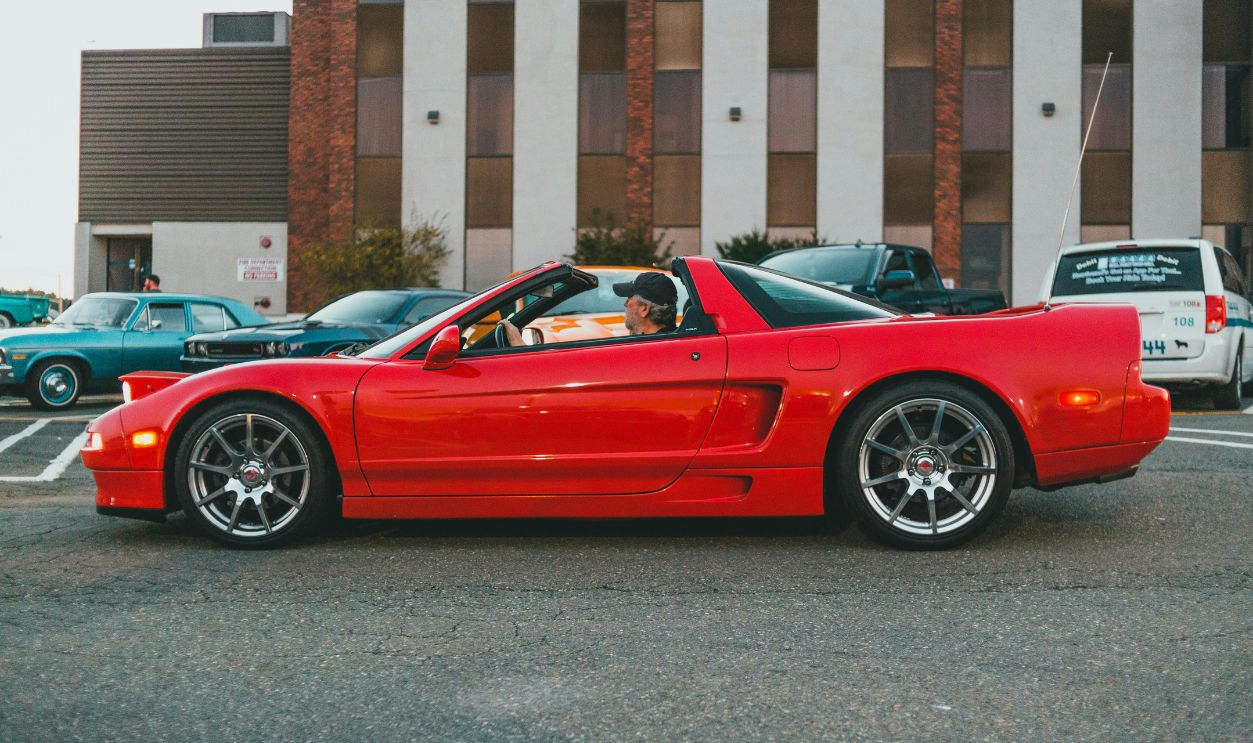
NHTSA has repeatedly said that seat belts are the best defense against ejection in crashes and rollovers. That warning matters in every car, but it hits harder when there is no fixed roof over the passenger area. A teen who is even occasionally careless about wearing a seat belt should not be driving a convertible. That is not about style. It is about basic safety.

Teen Impulse And Open-Top Driving Are A Bad Mix
Convertibles can invite the kind of behavior that goes wrong fast. Friends standing up for a photo, arms out the window, messing with the roof controls, and filming videos are exactly the sort of bad ideas that can happen around teens. Parents are right to think about behavior, not just crash-test scores. A first car should reduce the odds of dumb mistakes, not turn them into a scene.
Visibility And Weather Can Be A Hassle
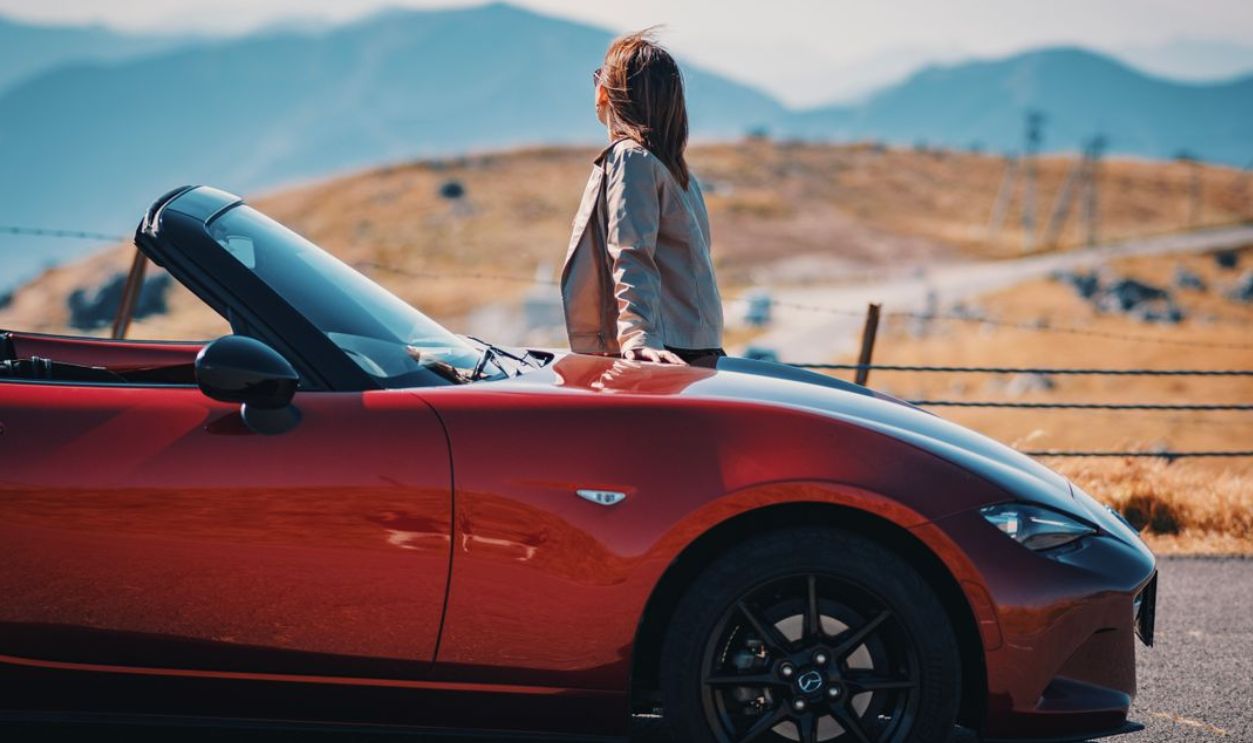
Many convertibles have thicker rear pillars, smaller rear windows when the top is up, and worse sightlines than a regular sedan. Soft tops can also fog, crease, or wear down in ways that make visibility worse over time. Add rain, snow, road salt, or intense heat, and daily driving gets old fast. A car that looked perfect in theory can feel a lot less appealing on a cold, dark commute.

Soft Tops Also Create Security Problems
A soft top is not as secure as a regular fixed roof and body structure. Breaking into many older convertibles can be easier than breaking into a sedan. Even if the car is not stolen, a slashed top can still leave you with a costly repair. For a teen parking at school, work, sports practice, and friends' houses, that is a real drawback.

Insurance Usually Gets Worse
Insurance for teens is already expensive. Add a sporty or less practical body style, and the price can climb even more. Rates depend on location, driver history, and the exact model, but insurers look closely at repair costs, theft rates, and claim history. A parent who does not want to pay extra for a car that brings more compromise is making a reasonable financial choice.

Repair Costs Can Sneak Up On You
Convertible tops are expensive when they tear, leak, stop working, or need replacement. Power roof systems add more parts that can break, and weather seals often become a problem as cars get older. Used convertibles can look like bargains until the first water leak, electrical issue, or roof repair estimate shows up. That is exactly the kind of surprise most families do not need in a first car.

Older Convertibles Often Hide More Wear
A 10- or 15-year-old convertible may have spent years sitting in the sun, soaking in rain, or dealing with clogged drains and shrinking seals. Water leaks can damage carpets, wiring, electronics, and interior trim long before the problem is obvious. That makes shopping riskier than buying a similar sedan at the same price. Looks do not help much when mold, corrosion, or electrical problems appear.
Practicality Matters More Than Teens Expect
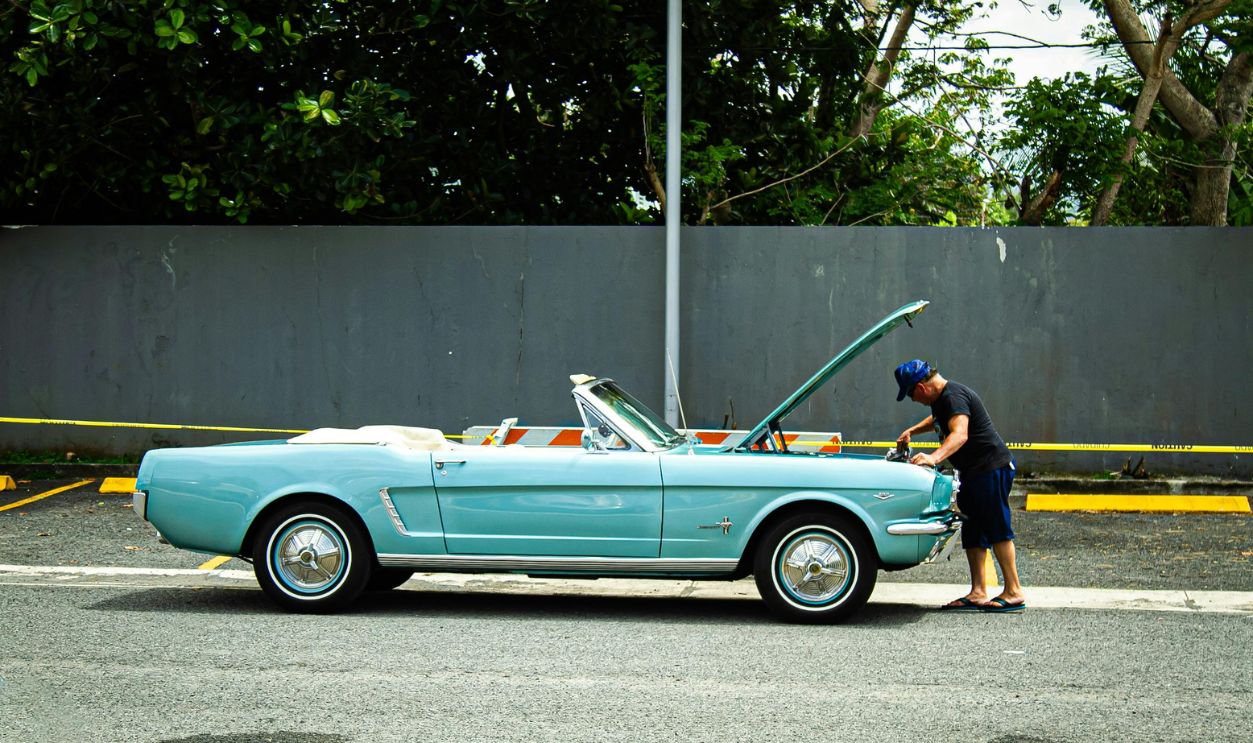
First cars have to do real work. They carry school bags, sports gear, groceries, and sometimes younger siblings. Many convertibles have small trunks, awkward openings, and less cargo space when the top is folded down. Parents who want something more useful are not ruining a dream. They are choosing a car that actually fits everyday life.

Noise Fatigue Is A Real Daily-Driver Issue
Even good convertibles are often noisier than fixed-roof cars because of wind noise, road noise, and body design. That can make highway driving more tiring and concentration harder for a new driver. It can also push drivers to turn the music up louder, which is not ideal for someone still learning good habits behind the wheel. Comfort matters more than people think because comfort affects attention.
Peer Pressure Looks Different In A Convertible
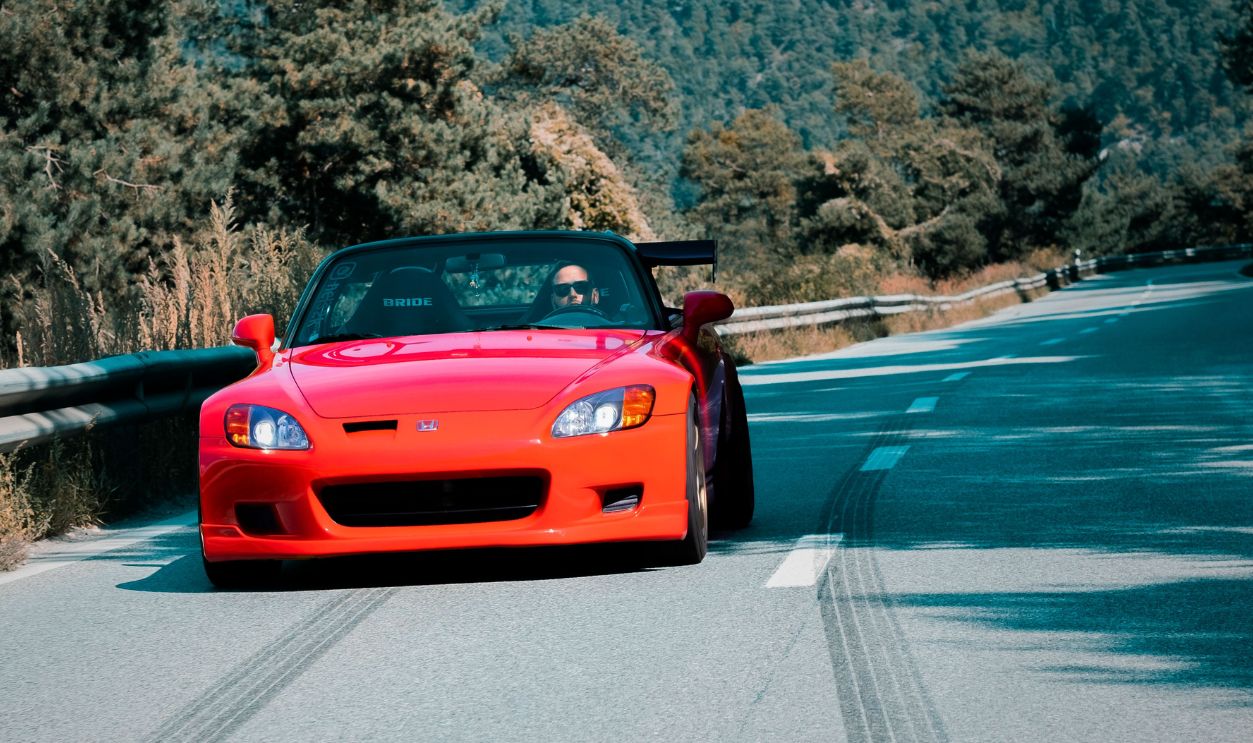
A convertible changes the social feel of a teen's car. It is more likely to attract ride requests, more likely to become a prop for showing off, and more likely to encourage top-down driving when conditions are not ideal. A boring car can actually be a gift to a new driver because it lowers the social pressure. That is a feature, not a flaw.

There Is A Reason Experts Recommend Boring Cars
When the IIHS and Consumer Reports publish advice for teen drivers, the best choices are usually heavier mainstream sedans, hatchbacks, and small SUVs with good crash performance and standard safety features. It is not glamorous, but it is based on real risk. Teens usually do better in vehicles that are forgiving, easy to see out of, and not too powerful. Cute rarely tops the safety list.

What Good First Cars Usually Have In Common
The best beginner cars tend to share the same basic traits. They have strong crash-test performance, electronic stability control, good headlights, moderate power, and lower ownership costs. NHTSA has required electronic stability control on all new passenger vehicles since the 2012 model year, and that matters because the system helps drivers keep control during skids and emergency moves. Those are the details worth caring about more than a folding roof.

Power And Speed Matter Too
Many convertibles are sold as fun cars, and fun often comes with more horsepower or sportier tuning. That does not mean every convertible is fast, but the body style is often marketed as an experience rather than plain transportation. For a teen, modest acceleration and predictable handling are usually better. The first goal should be learning, not thrill-seeking.
 sv1ambo, CC BY 2.0, Wikimedia Commons
If She Says Modern Convertibles Can Be Safe, She Has A Point
This is where it helps to be fair. Some modern convertibles have earned solid crash ratings, and safety engineering has improved a lot over the last 20 years. If your daughter points that out, she is making a real argument. But safe enough is not the same thing as best choice for a first-time driver on a family budget.

The Best Answer Might Just Be Not Yet
You do not have to rule out convertibles forever to say no to one now. A reasonable middle ground is to make it something she can buy for herself later after a few years of clean driving. That turns the issue into a timing question instead of a punishment. It also teaches that different stages of life call for different tools.

Set Standards Before You Debate Specific Cars
These arguments usually go better when the family agrees on clear standards first. Require strong crash-test results, electronic stability control, manageable insurance costs, good tires, and enough back-seat or cargo space for real life. Once those boxes are checked, then compare actual models. That keeps the conversation grounded in facts instead of vibes.

Give Her A Voice In The Safer Option
Saying no to the convertible does not mean handing down a joyless box with no discussion. Let her help choose the color, trim, interior, tech features, and maybe even a model with some personality. A Mazda3 hatchback, Honda Civic, Subaru Impreza, Toyota Corolla, or a well-rated small SUV can still feel young without bringing the same tradeoffs. Teens handle limits better when they still get a say.

Use Data Instead Of Just Parent Instinct
If the debate gets heated, pull up the ratings and guidance together. NHTSA safety ratings, IIHS evaluations, and Consumer Reports' teen car picks give you something concrete to point to. Facts lower the temperature. They also make it clear that your answer is based on evidence, not stubbornness.

What To Say If You Want To Keep The Peace
You can be direct without sounding dismissive. Try saying that a convertible is fun, but a first car needs to be chosen for safety, insurance, practicality, and total cost. Then offer to revisit the idea after she gets more driving experience and shows she can handle the responsibility. That usually lands better than a flat no because I said so.

So, Are You Being Unreasonable
No. Saying no to a convertible as a teen's first car is a defensible, evidence-based parenting decision. Modern convertibles are not automatic death traps, but they often come with higher costs, more compromises, and more temptation than most first-time drivers need. If your goal is to give your daughter the safest and most practical start possible, refusing the cute car is not unreasonable. It is probably the smarter call.



.jpg)