The Glare Complaint Is Real
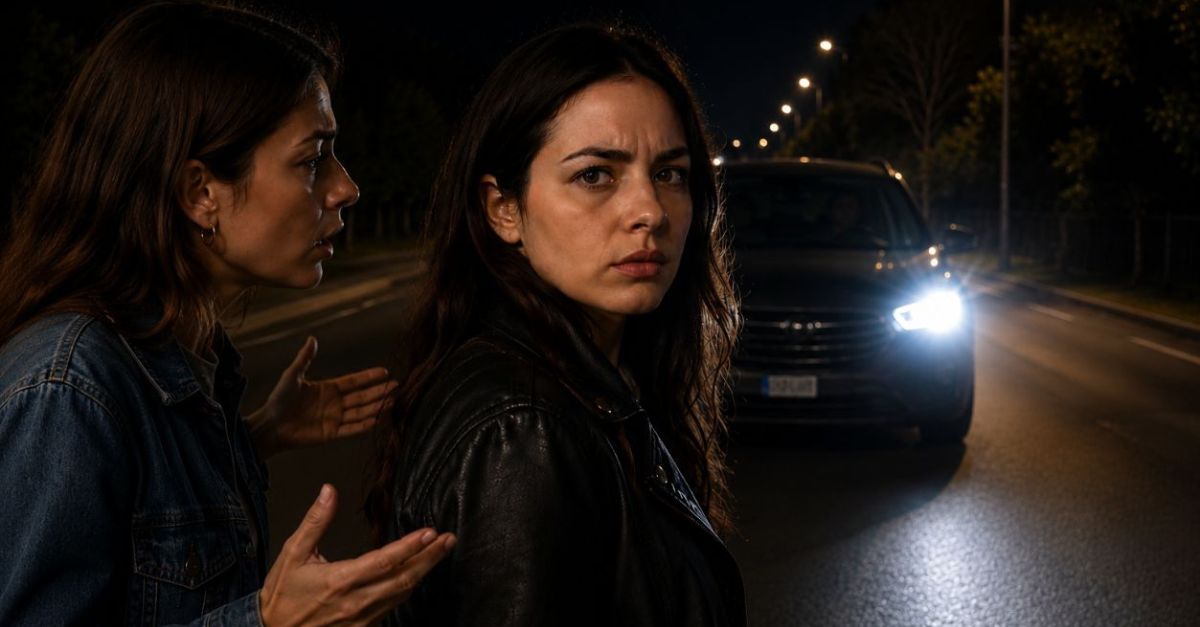
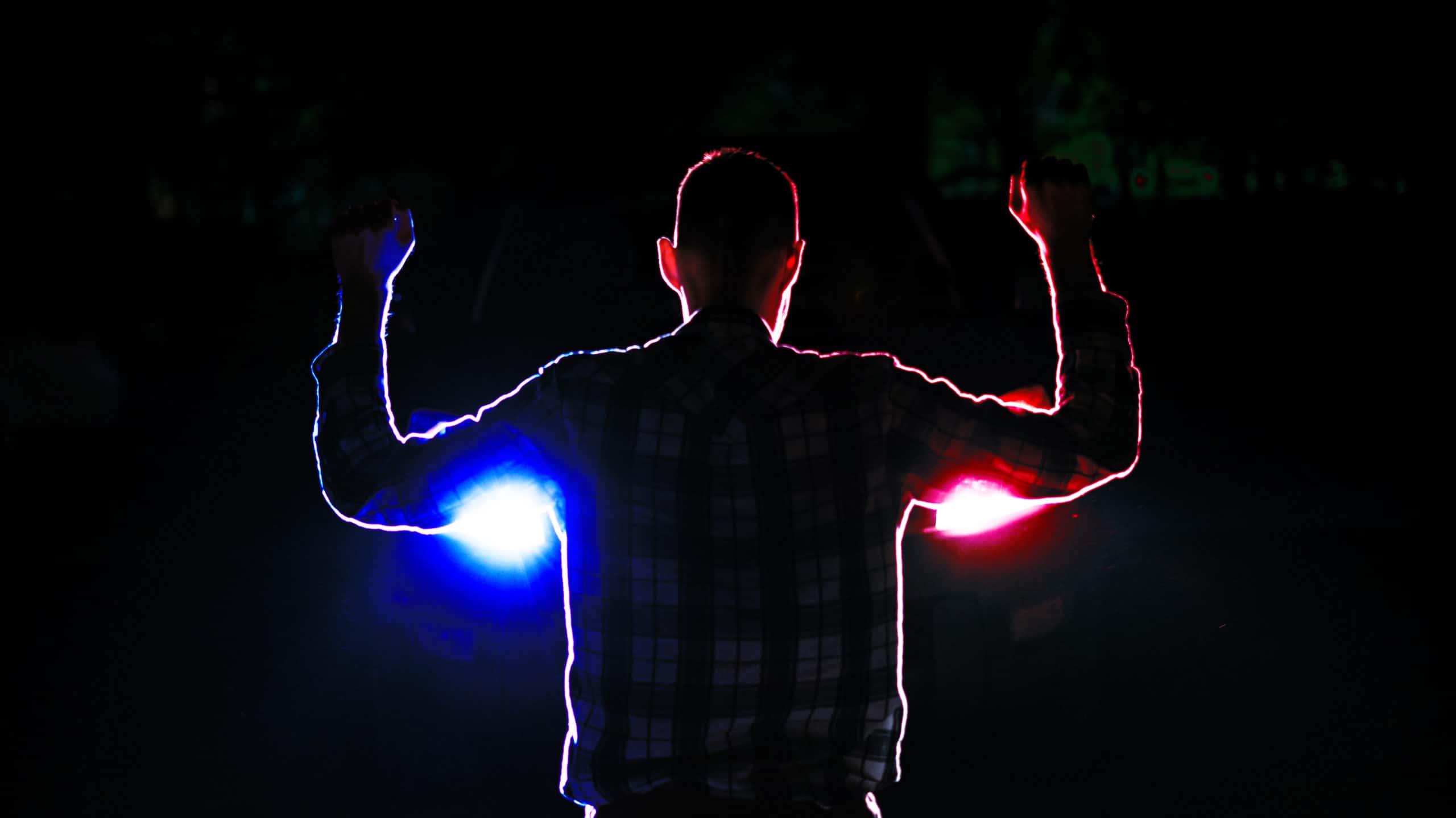
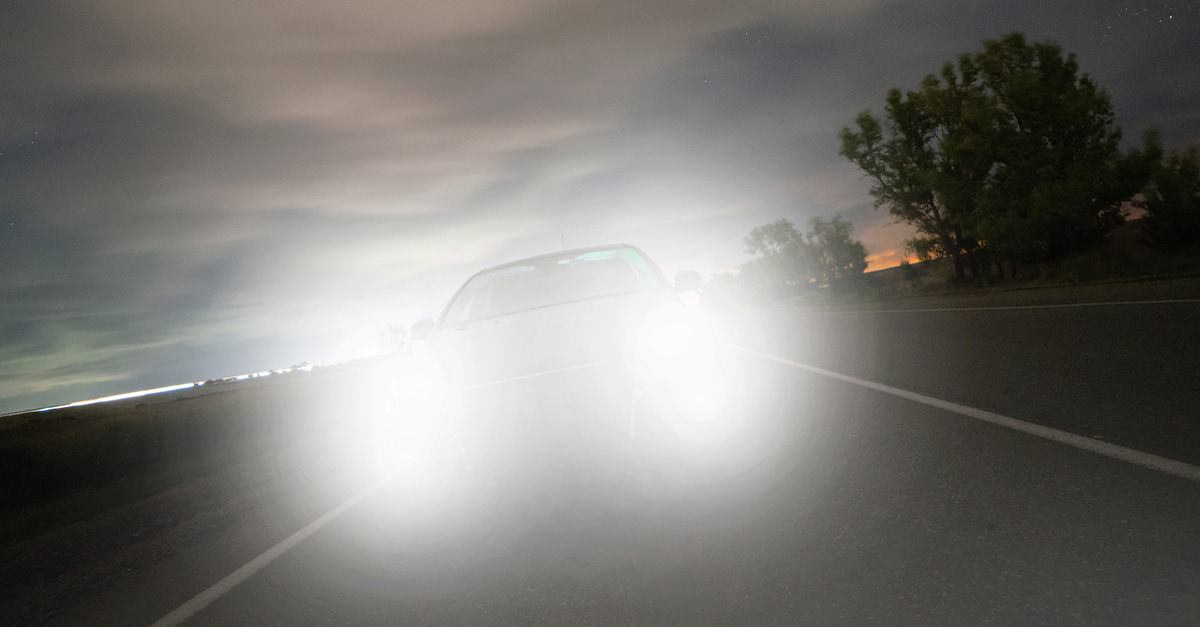
If your friend is arguing that blinding modern headlights make driving feel more dangerous at night, that's not just a random gripe. Complaints about headlight glare have become loud enough that regulators, researchers, and safety groups have all looked into the issue. The real question is not whether people feel dazzled. It's why it seems like it's so much worse now.
Bright Does Not Always Mean Safer
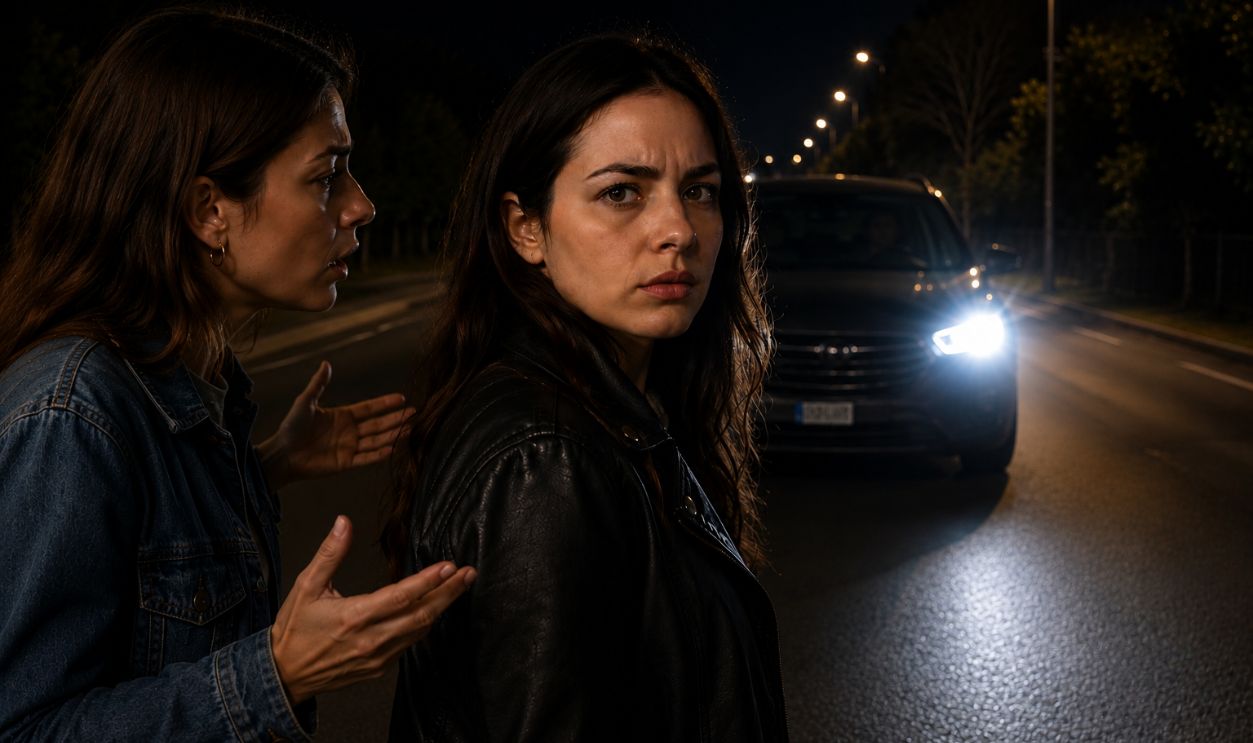
Headlights are meant to help drivers see farther and react faster in the dark. But when lights are badly aimed, mounted higher, or intense enough to overwhelm another driver's eyes, one driver's visibility can become someone else's problem. That tradeoff is at the heart of the modern headlight debate.
There Is Evidence People Are Struggling
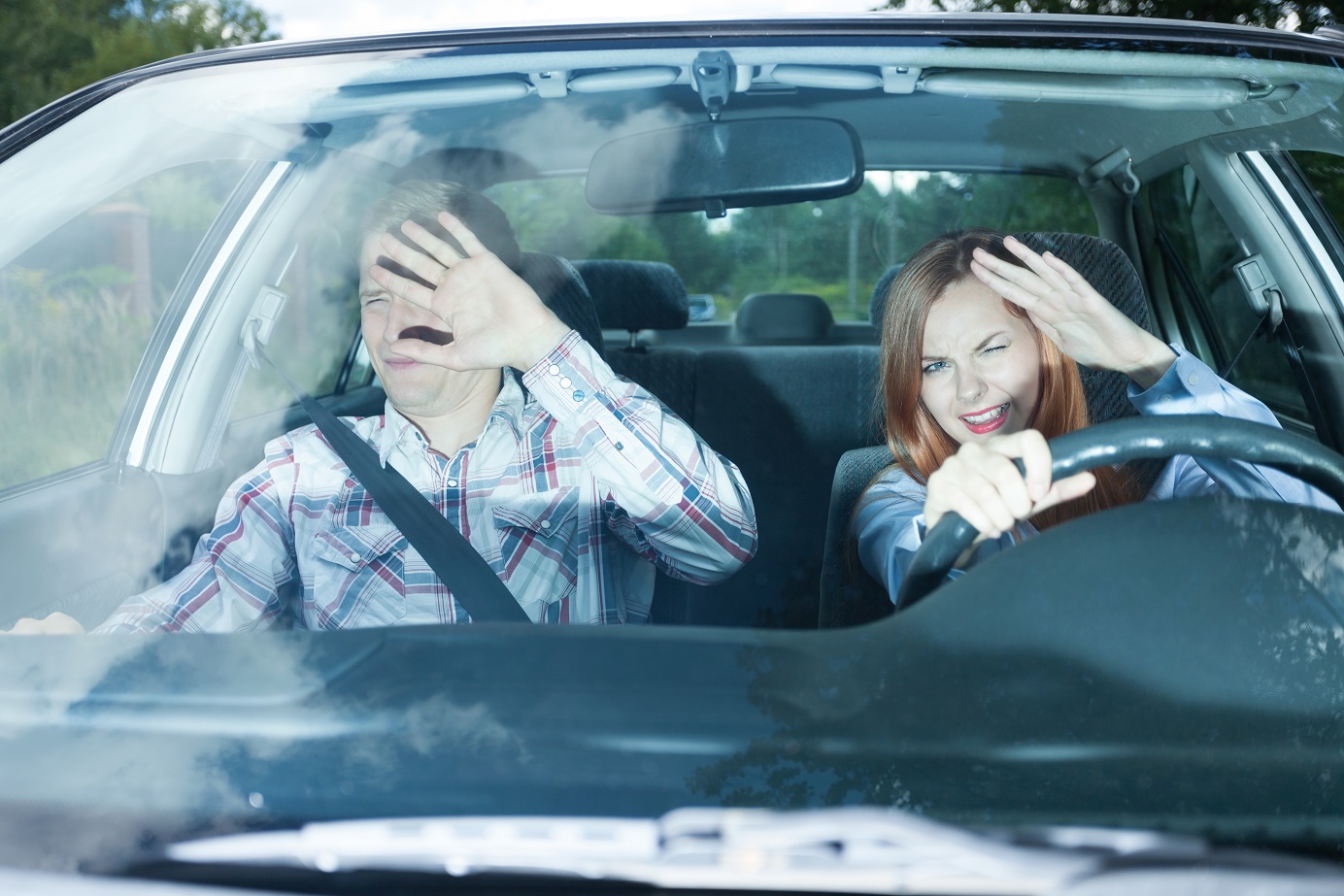
The American Automobile Association has warned for years that headlight glare can cut visibility and raise discomfort, especially for older drivers. AAA has also pointed out that many drivers say they are regularly bothered by oncoming headlights at night. That does not prove every new headlight is too bright, but it does show the complaint is widespread and worth taking seriously.
Older Eyes Have A Harder Time
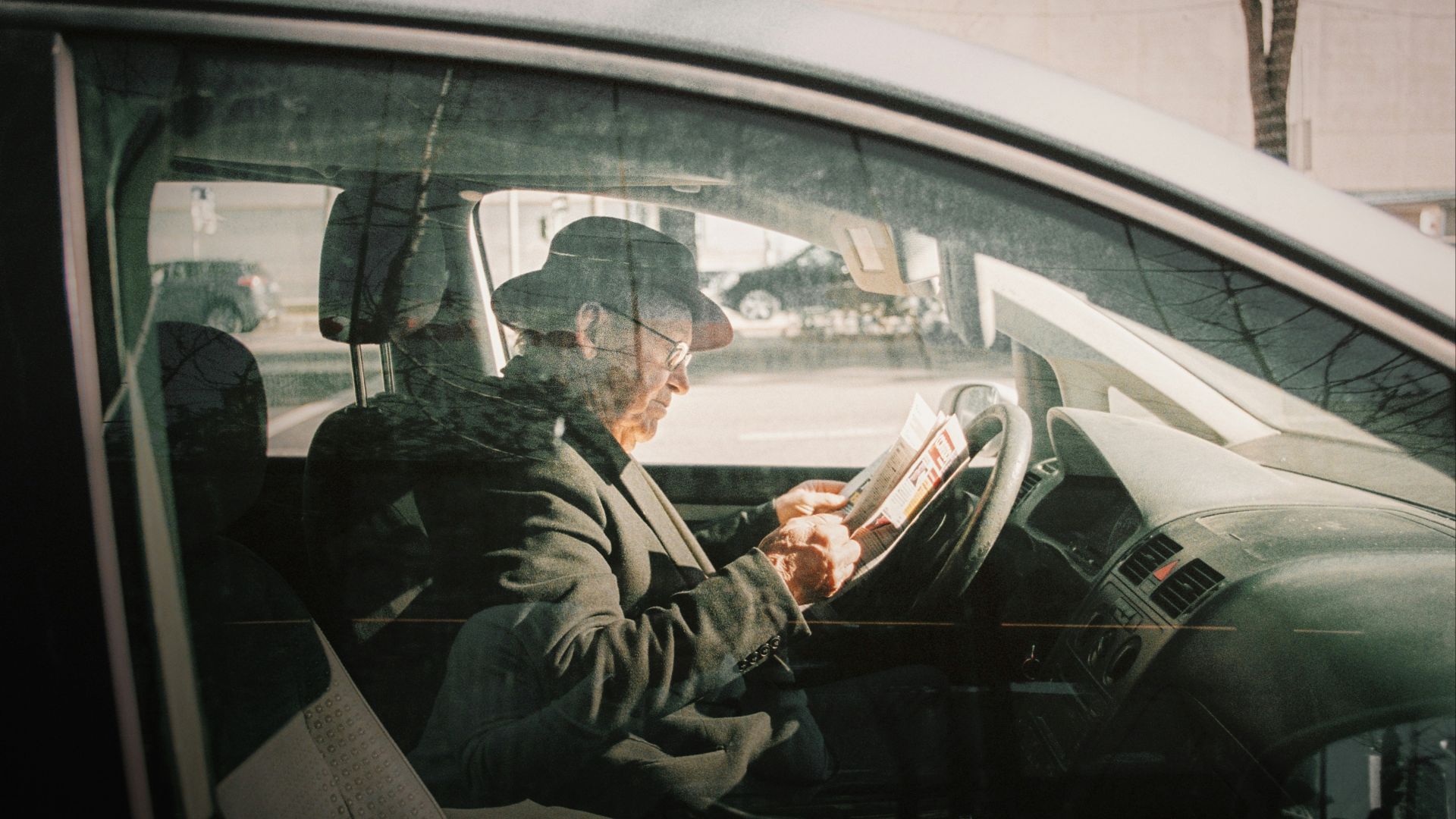
One of the biggest facts here has more to do with human vision than cars. The National Institute on Aging says older eyes need more light to see and are also more sensitive to glare. So the same headlight that feels manageable to a 30-year-old can feel blinding to a 70-year-old.
The Problem Is Often Glare, Not Raw Output
People usually say lights are too bright, but researchers often focus on glare instead of simple brightness. Glare is about how the light is spread, where it lands, and how it affects contrast in the viewer's eyes. A well-designed lamp can throw a lot of useful light on the road without punishing oncoming traffic, while a badly controlled beam can be miserable even if its measured output is not extreme.
LEDs Changed The Look Of Night Driving
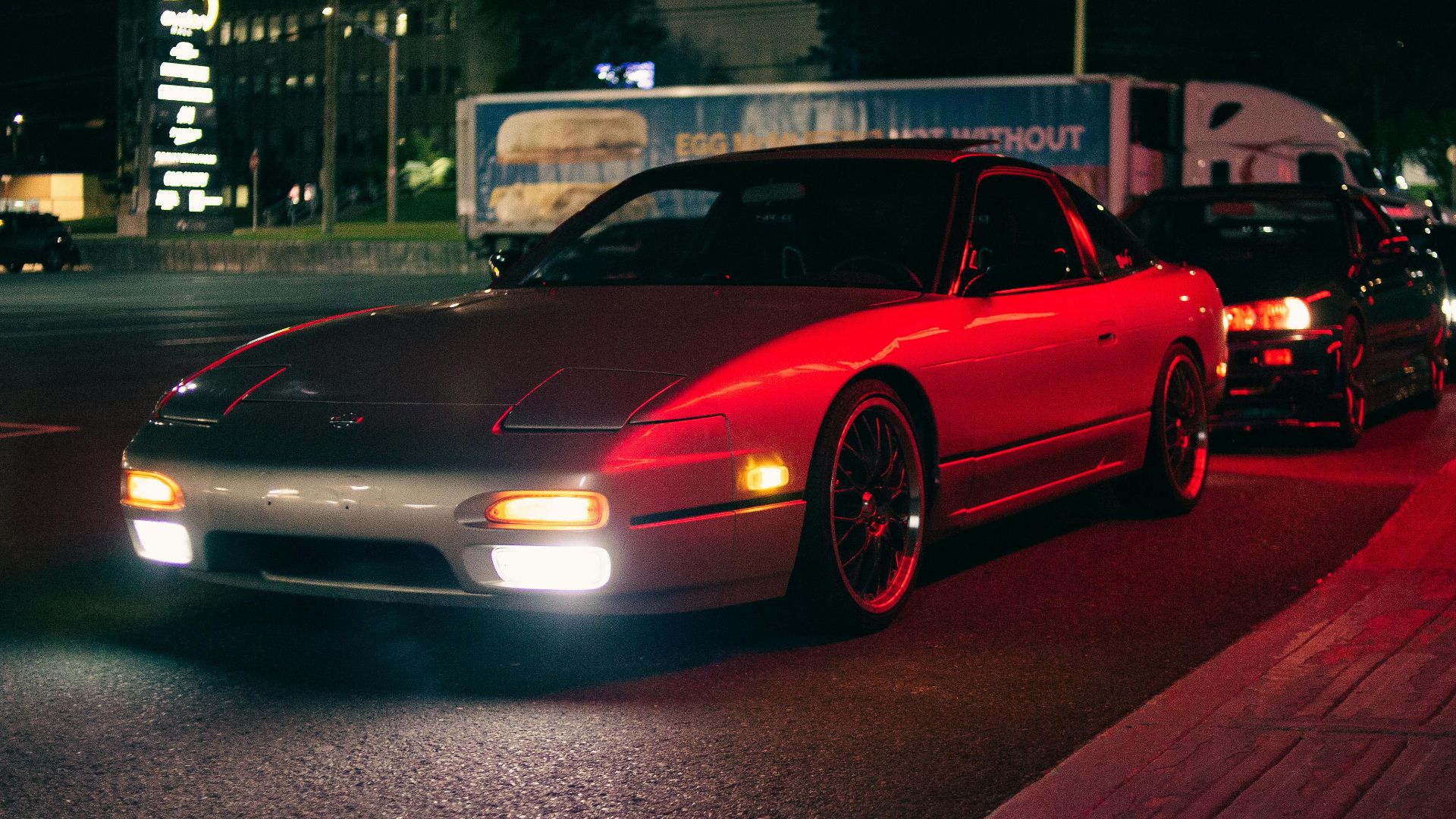
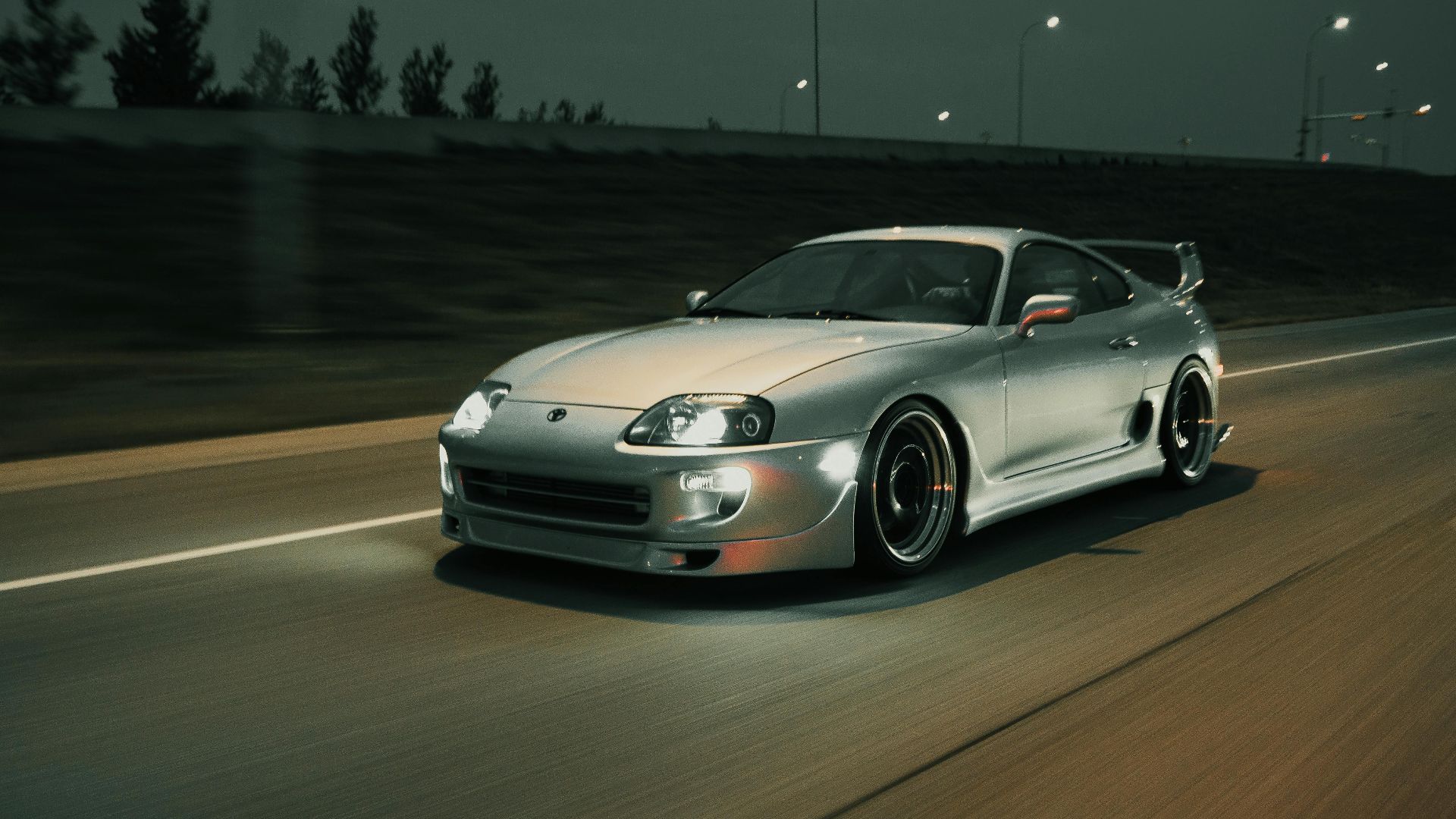
Modern LED headlights spread quickly through the market in the 2010s because they are efficient, durable, and easier for designers to package. They also tend to have a cooler, whiter look than older halogen bulbs. That color can make them seem harsher to many drivers, even when the lamp meets legal standards.
Blue-White Light Feels Harsher To Many Drivers
The Insurance Institute for Highway Safety has explained that headlight performance depends on beam pattern, not just bulb type, but many drivers react strongly to the color of LED and HID systems. Cooler light can create more discomfort and perceived glare than warmer light. In plain English, the lights may not just be bright. They may also look sharp and harsh in a way older lamps did not.
Pickup Trucks And SUVs Add Another Twist
American roads now have far more tall vehicles than they did a generation ago. As the headlight height of trucks and SUVs rises, their beams are more likely to shine straight into the cabin of a lower sedan or hatchback. Even correctly aimed lights can feel much worse when they are mounted higher off the ground.

Aim Matters More Than Most Drivers Realize
Headlights can be legal, advanced, and still cause trouble if they are misaligned. Replacement housings, suspension changes, heavy cargo, collision repairs, or simple factory variation can all change where the beam hits. The National Highway Traffic Safety Administration has acknowledged that headlamp aim is a major factor in glare complaints.
Not Every New Car Has Great Headlights
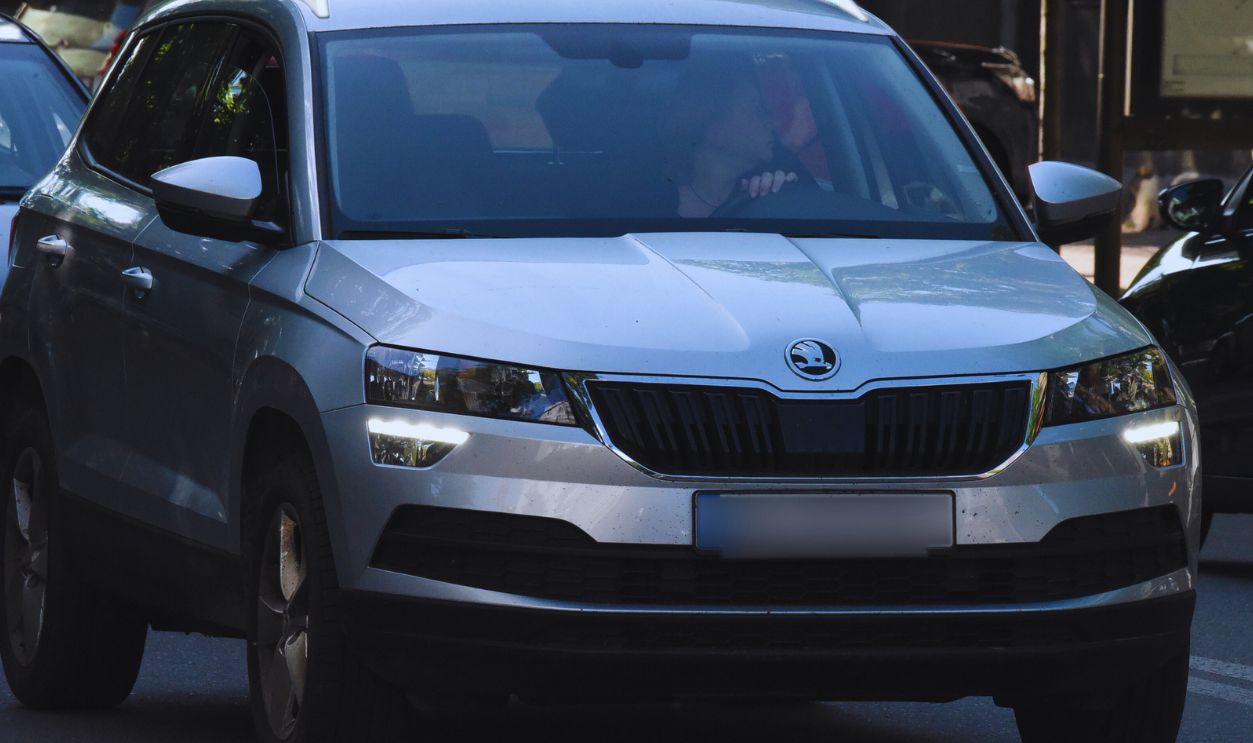
It is easy to assume newer means better, but independent testing shows a messier reality. The Insurance Institute for Highway Safety began publishing headlight ratings in 2016 and found wide variation in performance, even among expensive models. Some headlights lit the road very well with limited glare, while others performed poorly despite modern technology.
 Vadim Chuprina, Wikimedia Commons
IIHS Helped Expose The Gap
When IIHS launched its headlight evaluation program in 2016, it put hard numbers to what drivers had been feeling. The group tests visibility on straight roads and curves and also measures glare for oncoming vehicles. That work showed the industry had made big advances in lighting hardware without always delivering strong real-world results.
Adaptive Driving Beams Were Supposed To Help
For years, one of the most promising fixes was adaptive driving beam technology. These systems can automatically shape light around other road users, keeping more illumination on the road while reducing glare for oncoming drivers. The technology was used overseas before it was allowed in the United States.

The Rule Change Took A Long Time
Congress told NHTSA to enable adaptive driving beam systems in the 2021 infrastructure law. NHTSA published a final rule in February 2022 that amended federal standards to permit this technology on U.S. vehicles. That was a big moment because it opened the door to smarter headlights that can help drivers see more without blasting everyone else.
Smarter Lights Are Not A Quick Fix
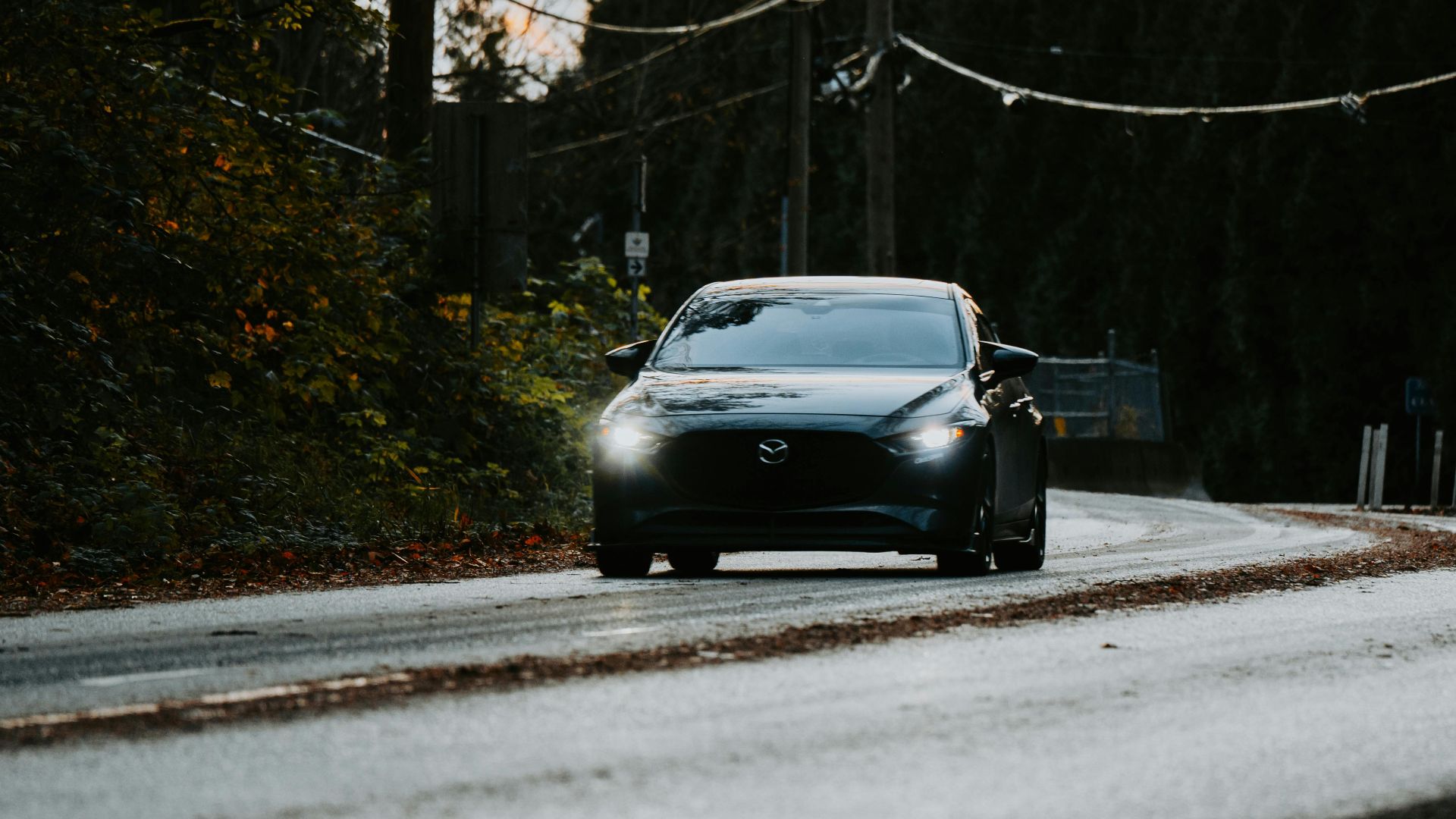
Even with the 2022 rule, adaptive systems will not instantly solve glare complaints. Automakers still have to engineer, certify, and install the systems, and many vehicles on the road will keep using conventional low and high beams for years. For now, drivers are still dealing with the current mix of LEDs, HIDs, halogens, tall vehicles, and inconsistent aim.
There Is Also A Standards Debate
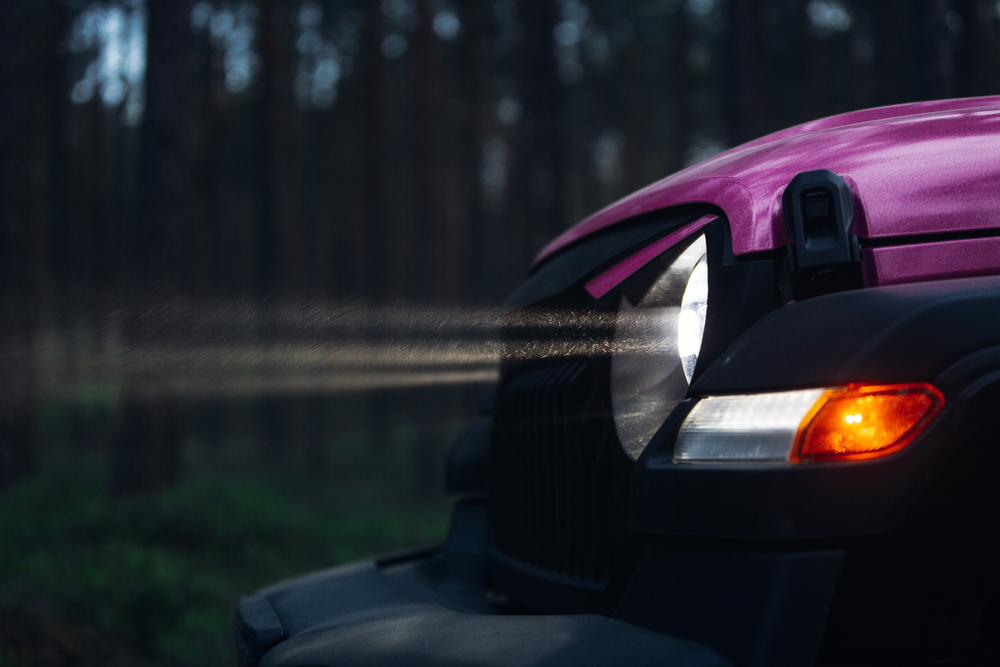
Some critics argue that U.S. headlight rules have not kept up with what modern lighting can do. Others say the standards are not the only issue, because legal lamps can still create unpleasant real-world glare when they are installed on taller vehicles or pointed slightly wrong. In other words, this is partly a regulation story and partly a vehicle design story.
 Quality Stock Arts, Shutterstock
Consumer Reports Heard The Complaints Too
Consumer Reports has covered a growing wave of driver frustration over bright headlights and noted that glare can come from several causes beyond illegal modifications. The organization points to poor aim, high-riding vehicles, and newer light sources among the likely contributors. That matches what safety researchers and plenty of everyday drivers have been saying.

High Beams Are Still Part Of The Mess
Some of what people blame on modern headlights is simply drivers leaving high beams on too long, or relying on automatic high-beam systems that do not always react perfectly. Automatic systems can help, but they are not flawless in every traffic or weather situation. A very bright low beam is one issue. An actual high beam in your face is another.
Headlight Restoration Will Not Fix This
On your own car, cloudy plastic lenses can reduce how well you see and make you more dependent on high beams. Restoring old lenses is smart maintenance, but it does not solve the glare coming from other vehicles. That matters because the glare problem is not just about neglected older cars. It is very much a modern fleet issue.
Misused Aftermarket Bulbs Make It Worse
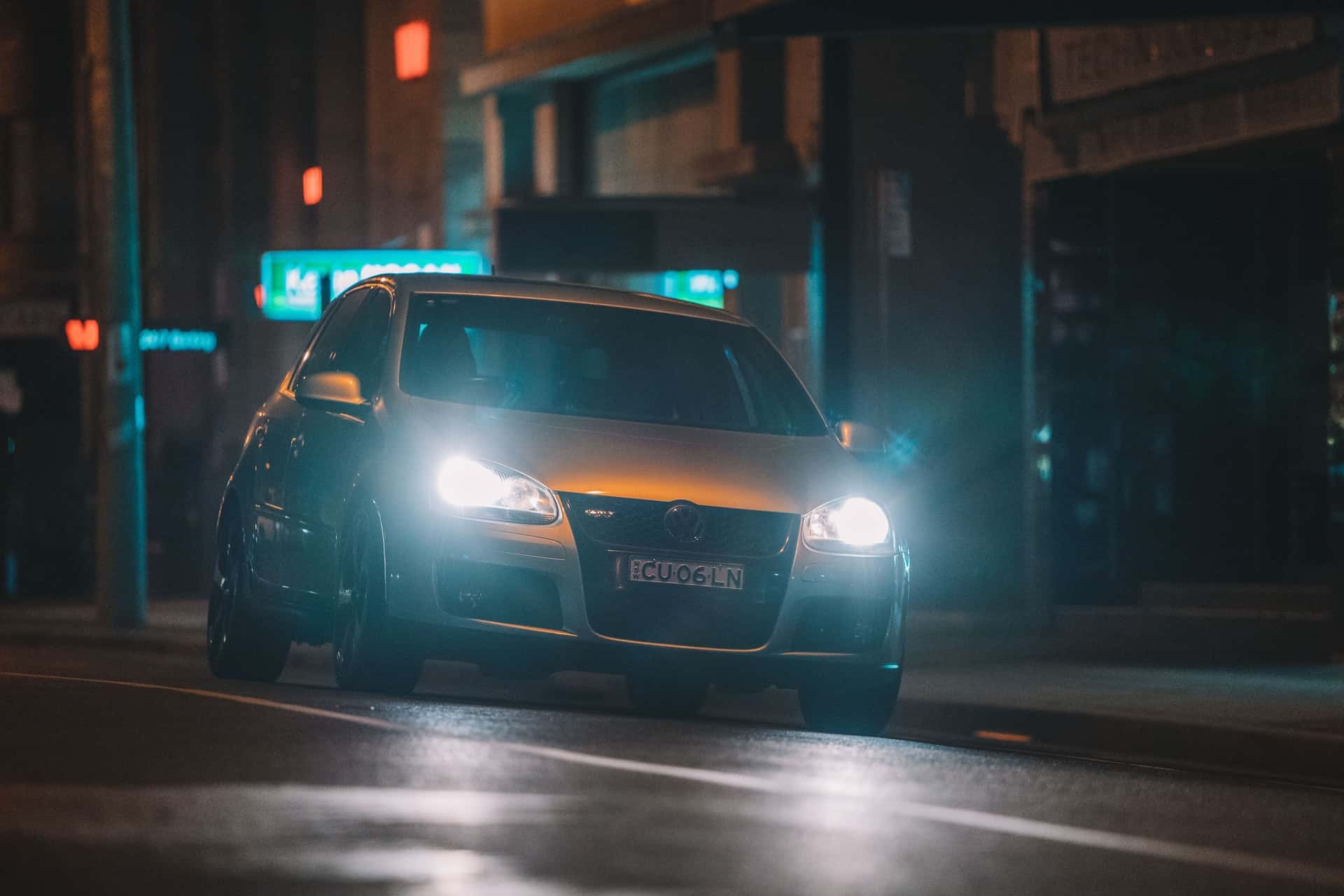
Another complication is aftermarket LED or HID bulb conversions installed in housings designed for halogen bulbs. NHTSA has repeatedly warned that replacement equipment can create unsafe glare if it does not conform to federal standards. So yes, some of the lights that feel outrageous may be legal factory systems, but some may be poor retrofits.
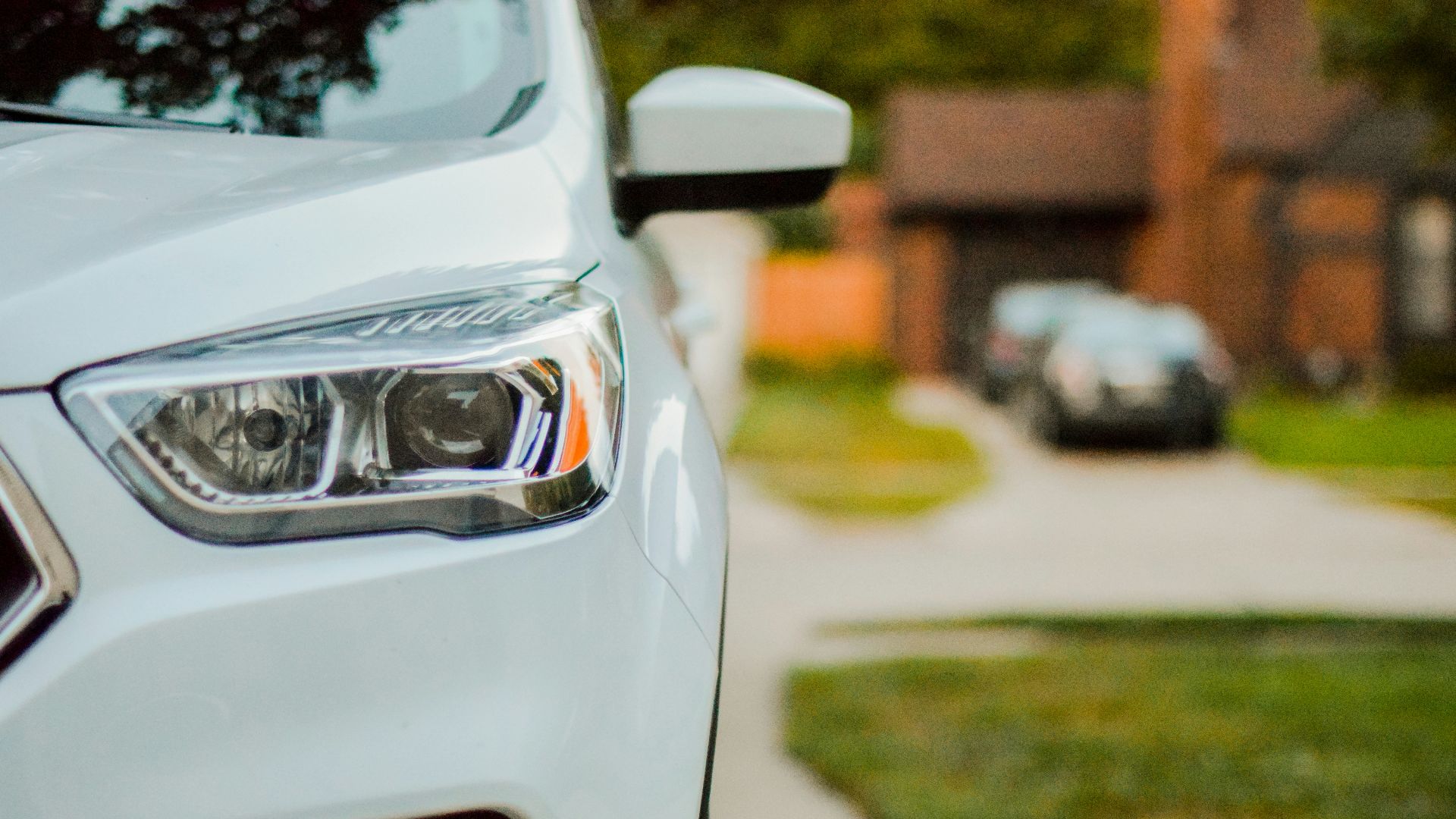
The Color Of The Light Changes Perception
Human vision plays a big role here. Cool white or slightly bluish light often looks more glaring than warmer halogen light, even when total output does not tell the whole story. That is one reason people often remember modern headlights as more hostile, even if the deeper problem is beam control and contrast.
Rain Makes Everything Worse
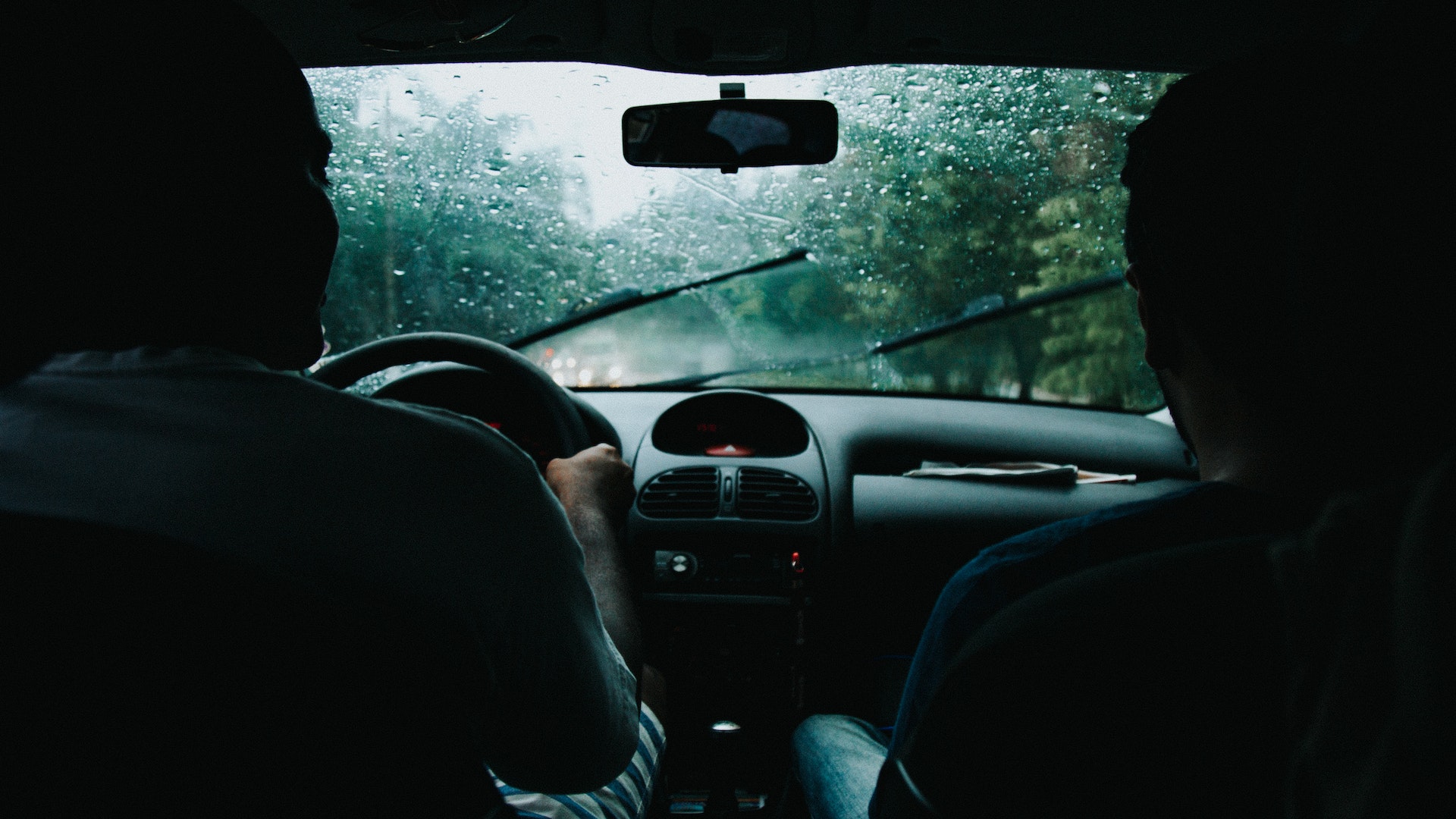
If you have ever felt overwhelmed by headlights on a wet road, there is a reason. Rain, reflective pavement, dirty windshields, and oncoming glare can combine to crush contrast and make lane markings harder to see. The light is not only coming straight at your eyes. It is also bouncing back at you off the road and glass.
So Is Your Friend Exaggerating
Not really, but the claim needs a little sharpening. Modern headlights are not automatically more dangerous just because they are brighter. The stronger evidence suggests that glare, color, beam aim, mounting height, and driver age are what make night driving feel less safe.

There Is No Single Villain
If you want one neat culprit, you will not find it. The issue is a pileup of technology shifts, bigger vehicles, imperfect standards, bad aim, and the limits of human vision. That is exactly why the complaint has been so hard to solve even though it is so easy to recognize from behind the wheel.
What You Can Do In Your Own Car
Keep your windshield clean inside and out, because haze and film can amplify glare more than many drivers realize. Make sure your own headlights are properly aimed and that your suspension is not sagging under cargo. If your lenses are cloudy, restore or replace them so you are not tempted to overuse high beams.

How To Cope When You Meet Harsh Lights
Safety experts generally recommend looking toward the right edge of your lane, not directly at an oncoming vehicle's headlights. Slow down if visibility drops and leave more following distance in bad weather or on dark roads. If night driving has become unusually stressful, especially with age, an eye exam is also a smart move.

The Industry Is Making Progress, Slowly
There is some good news buried in all this frustration. IIHS ratings pushed automakers to improve headlight performance, and adaptive driving beam systems offer a real path toward better visibility with less glare. But because cars stay on the road for a long time, drivers will probably keep arguing about blinding headlights for years.
The Bottom Line
Your friend is reacting to something real, and the complaints are backed by research and regulatory attention. Still, the problem is more specific than saying all modern headlights are too bright. A better way to put it is this: many modern headlights, especially on taller vehicles or when poorly aimed, can create glare that makes night driving feel less safe for other people.