Wait, The Battery Isn't Original?
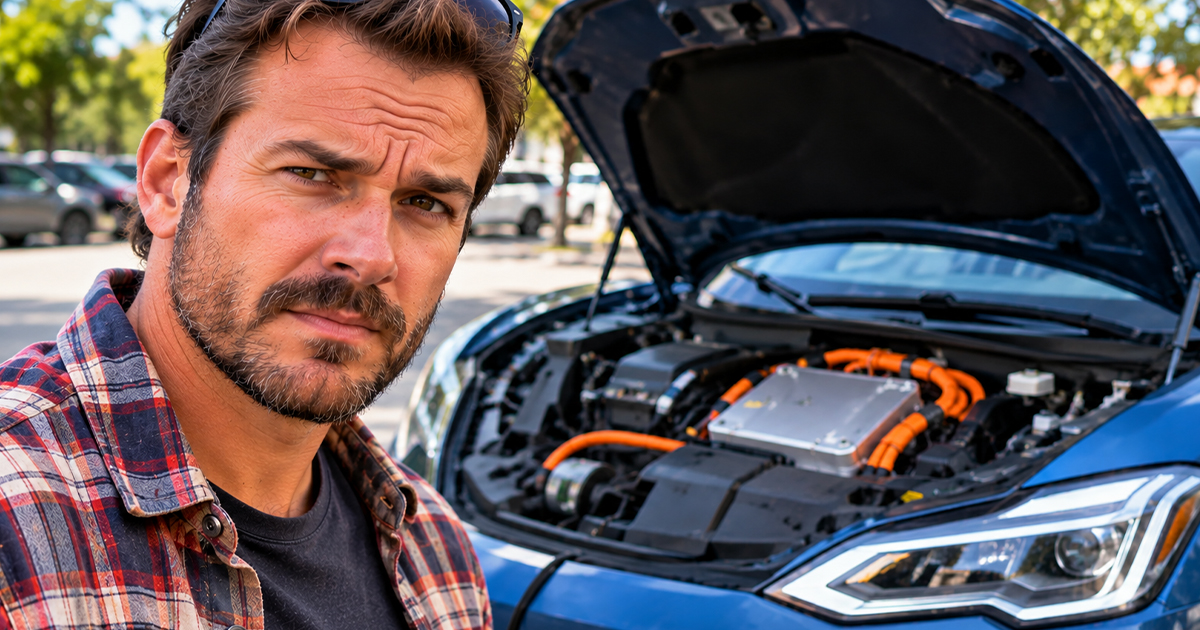
You've finally found a used EV at the right price, but the vehicle history contains one detail that makes you nervous: the high-voltage battery has been replaced. Considering that the battery is one of the most expensive parts of an electric vehicle, that sounds serious. But before walking away, find out exactly why it was replaced. A replacement battery can sometimes be very good news for a used-EV buyer.
Don't Assume Replacement Means Failure
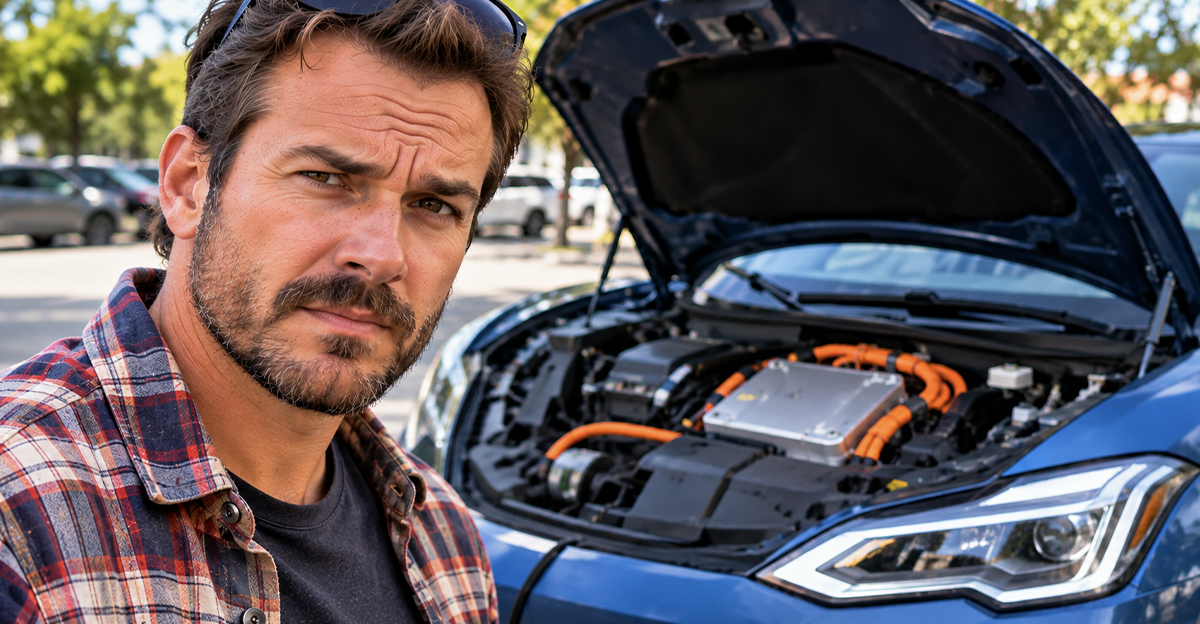
A replaced battery doesn't automatically mean the vehicle was unreliable. EV batteries can be replaced because of manufacturing defects, recalls, warranty claims, collision damage, diagnostic problems, or other issues.
The reason for the replacement matters almost as much as the replacement itself.
It Could Actually Be A Major Bonus
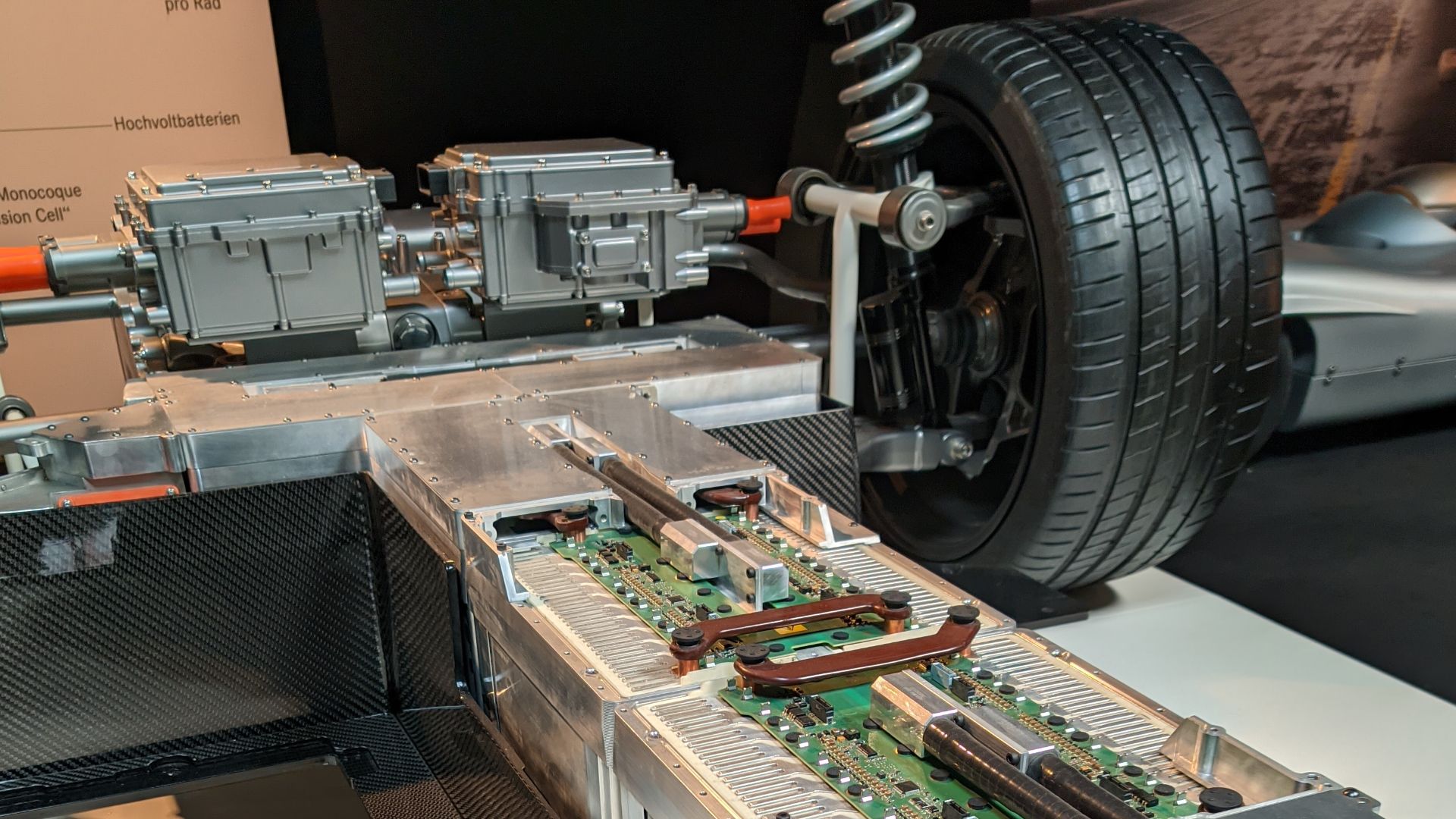
Imagine two otherwise identical six-year-old EVs. One still has its original six-year-old battery. The other received a manufacturer-installed replacement two years ago.
Depending on the replacement and its warranty, the second car could potentially be more attractive. That's why you need paperwork before deciding whether to worry.
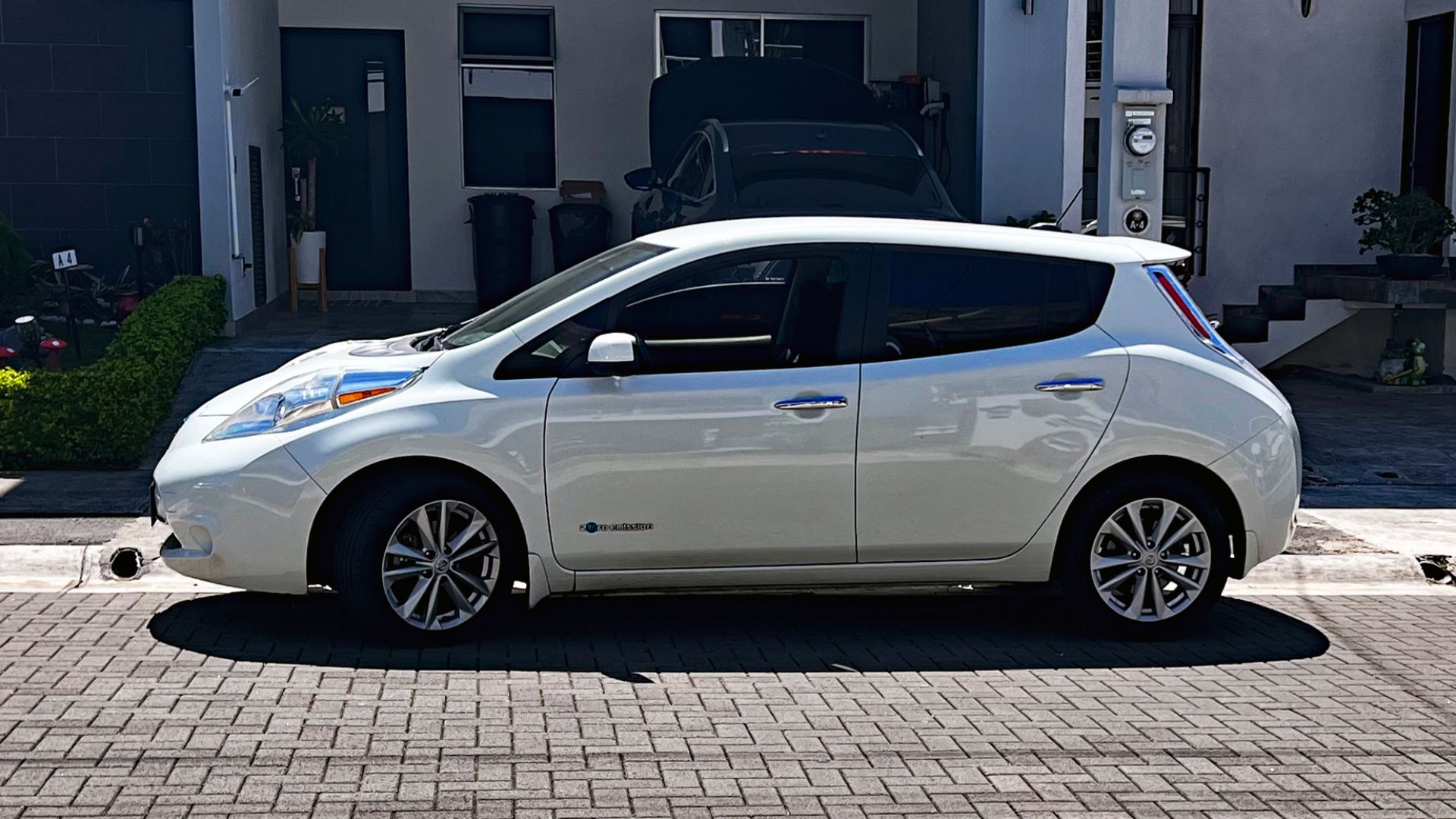 Mariordo (Mario Roberto Durán Ortiz), Wikimedia Commons
EV Batteries Are Expensive Components
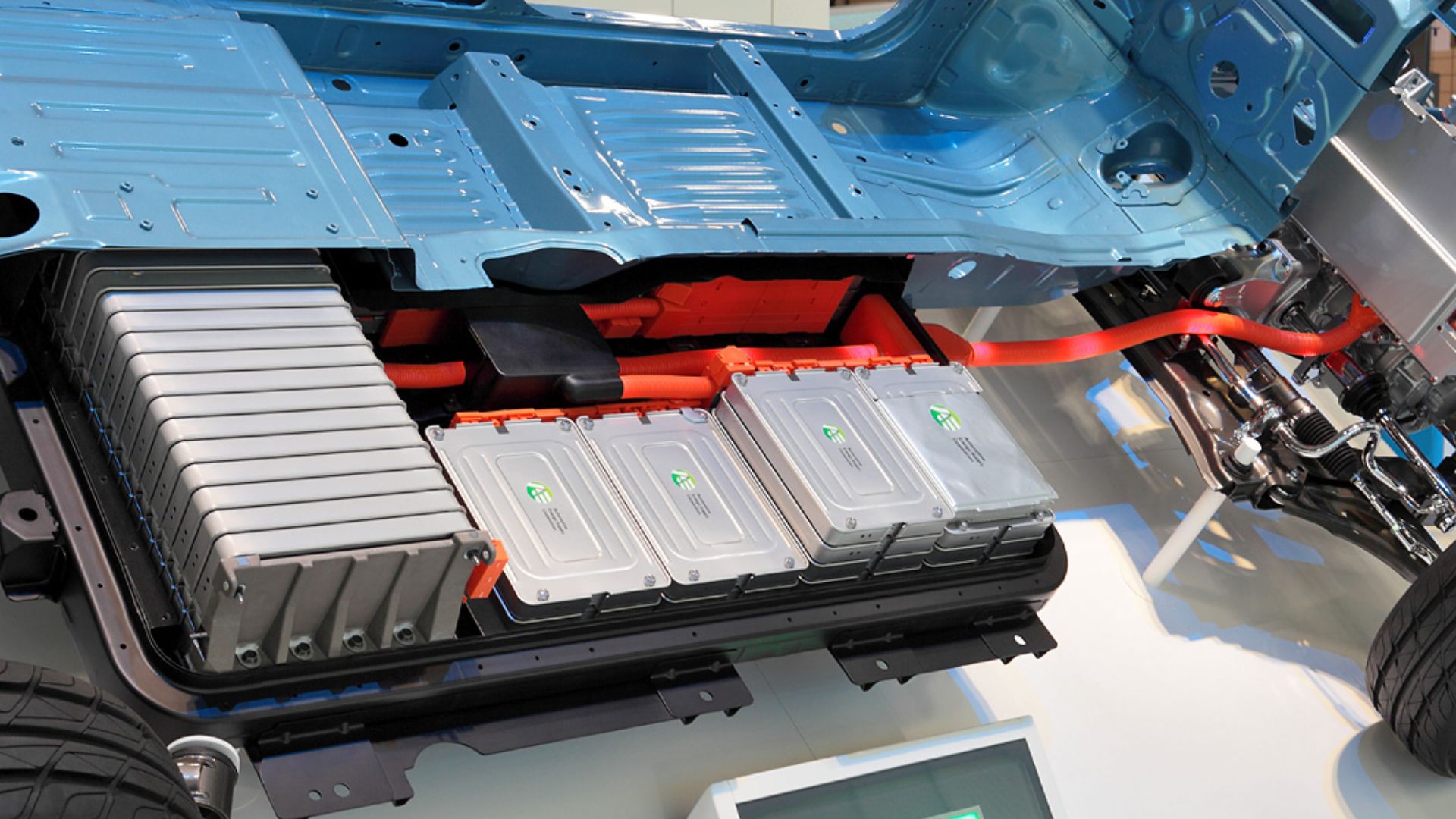
The U.S. Department of Energy notes that manufacturers generally don't publish standard replacement-battery prices and that replacing a battery outside warranty can be a significant expense. That makes remaining battery coverage particularly valuable when shopping used.
Most EVs Start With Long Battery Coverage
Battery warranties are generally much longer than ordinary bumper-to-bumper warranties. The Department of Energy says manufacturers typically offer around 8 years or 100,000 miles of battery coverage, although individual manufacturers can offer longer terms.
Ford, for example, currently advertises 8-year/100,000-mile high-voltage battery coverage.
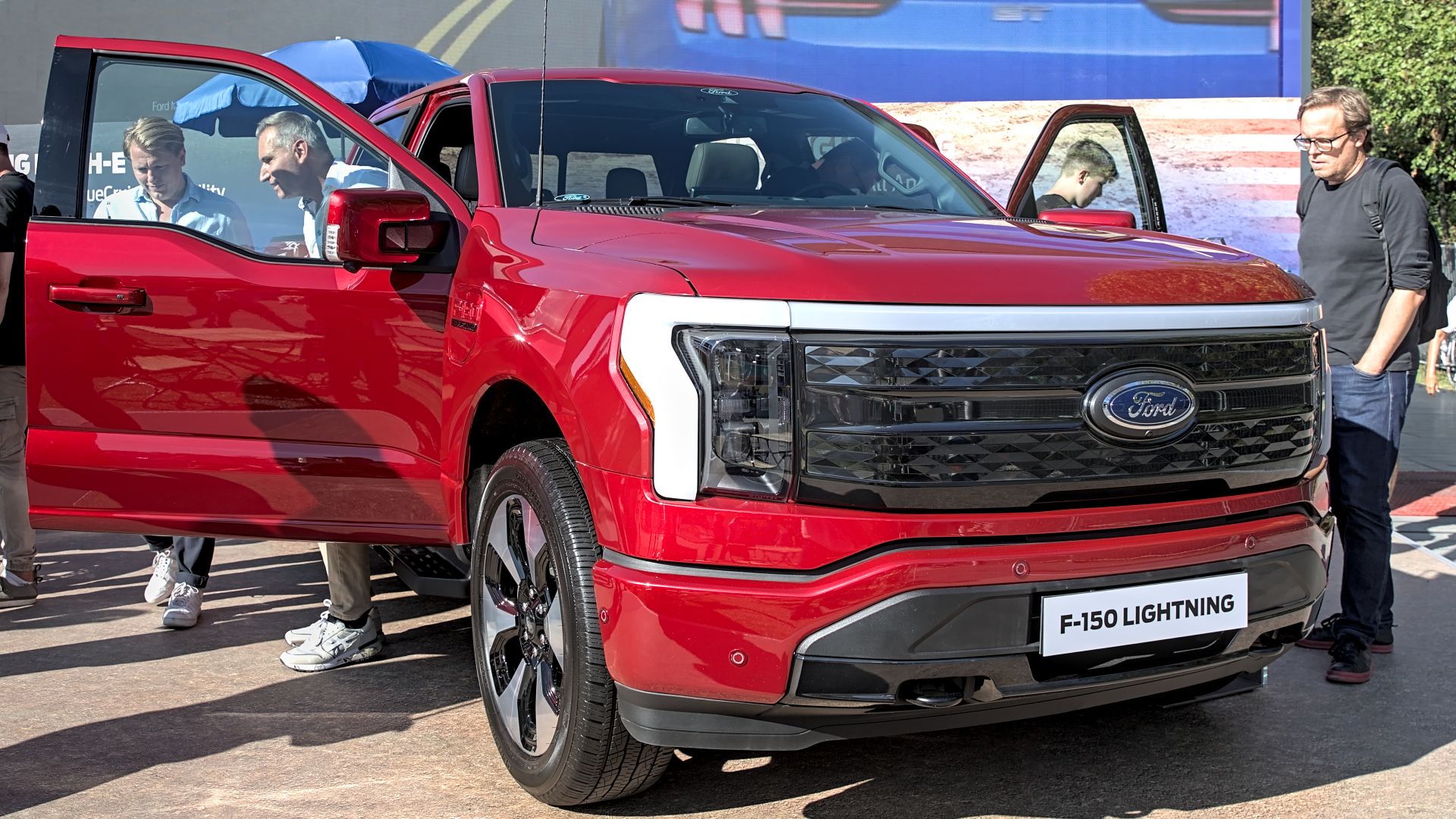 Alexander-93, Wikimedia Commons
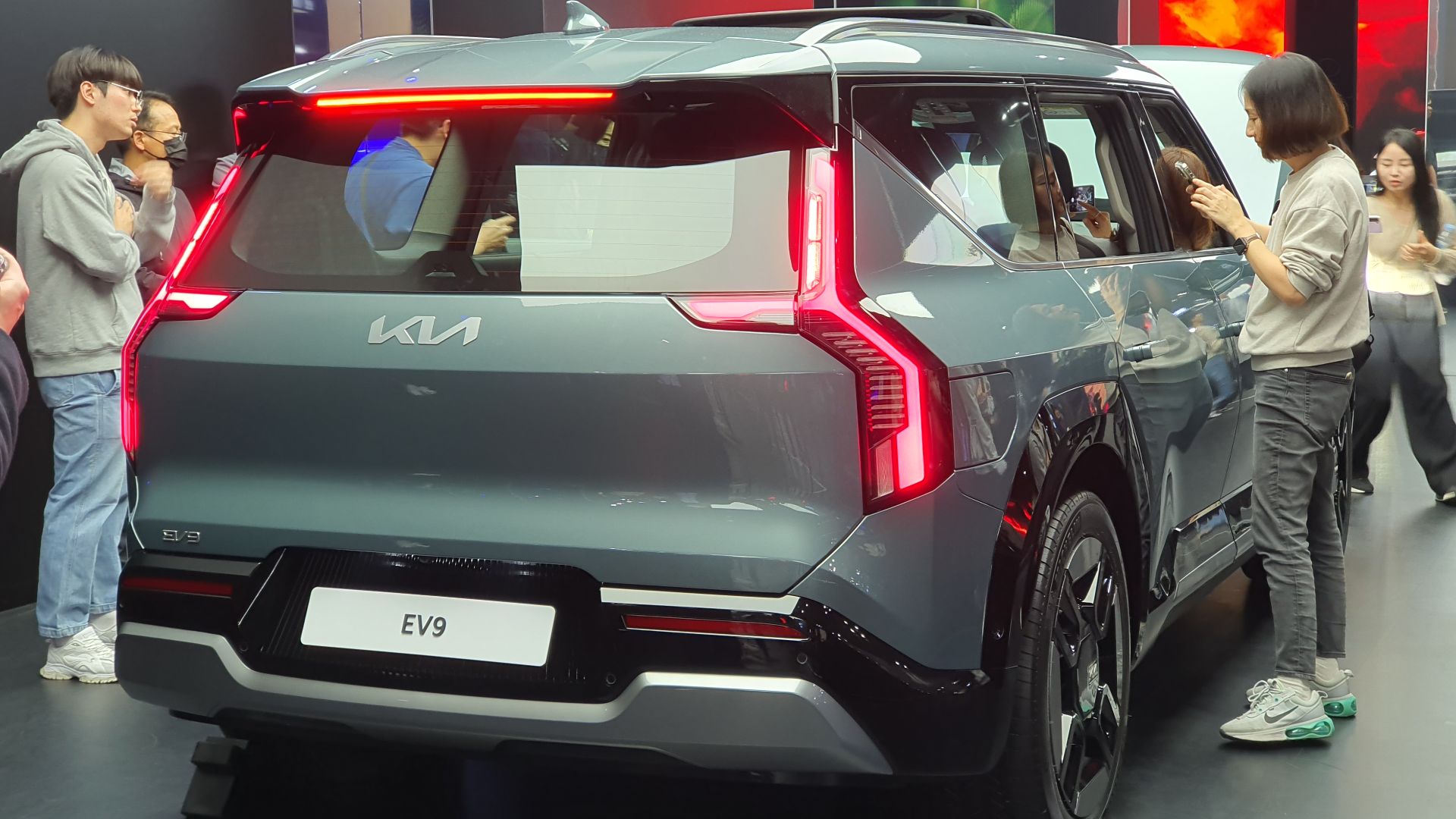
Kia Goes Even Longer
Kia currently advertises EV battery coverage of 10 years or 100,000 miles. Its published terms also cover capacity loss below 70% of original capacity during that period.
That illustrates why you shouldn't use one manufacturer's warranty to judge another manufacturer's used EV.
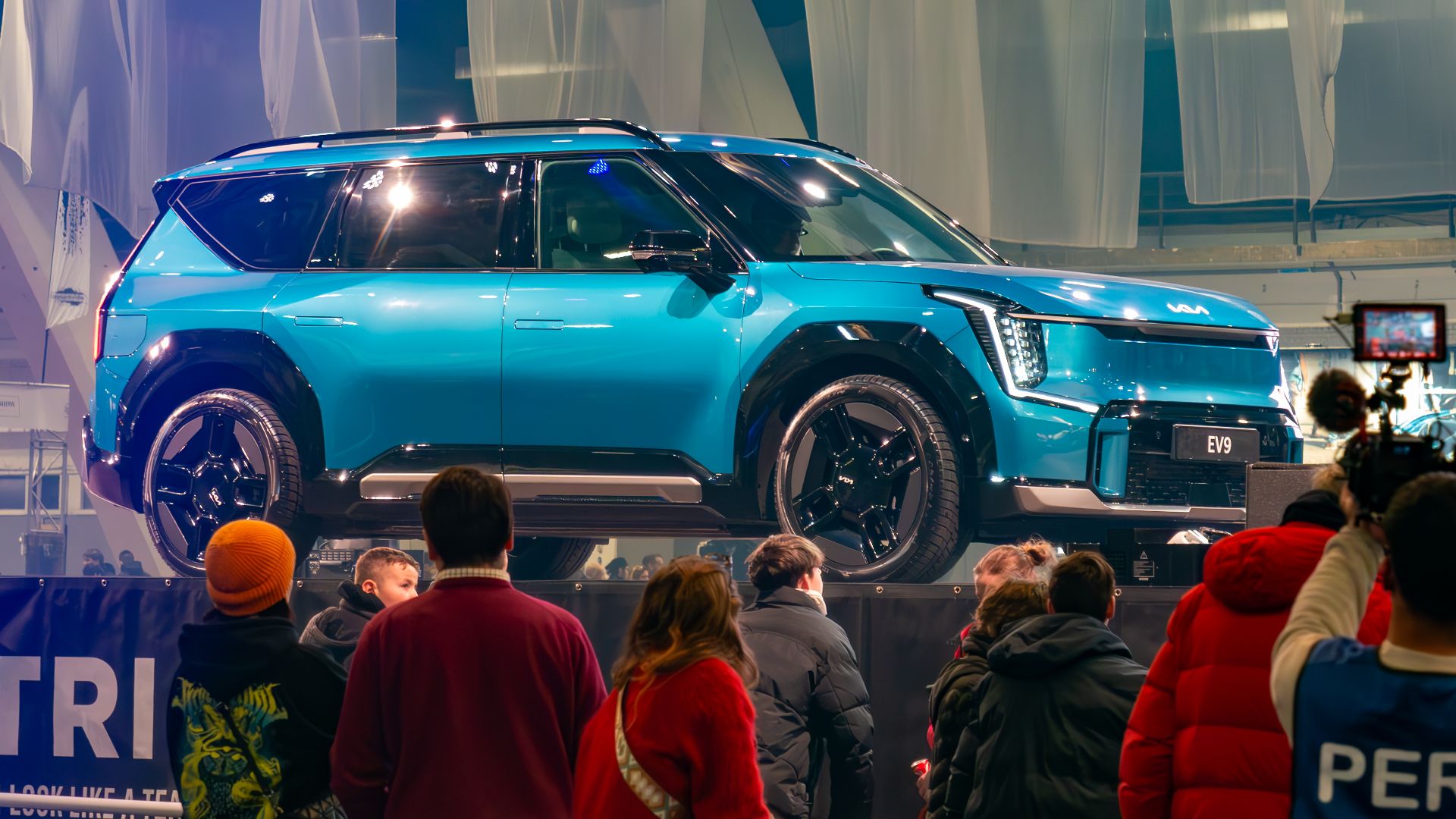 Matti Blume, Wikimedia Commons
But Here's The Catch
Finding a newer battery under the floor doesn't necessarily mean the warranty clock restarted when that battery went in.
That's one of the biggest misconceptions used-EV shoppers can make. The replacement battery and the warranty covering it are two separate questions.
 Damian B Oh, Wikimedia Commons
The Original Warranty May Still Control
Suppose an EV originally came with an 8-year/100,000-mile battery warranty. The battery failed in year five and the manufacturer replaced it under warranty.
You shouldn't automatically assume the new battery now has another eight years of coverage. The manufacturer's warranty terms determine what happens next.

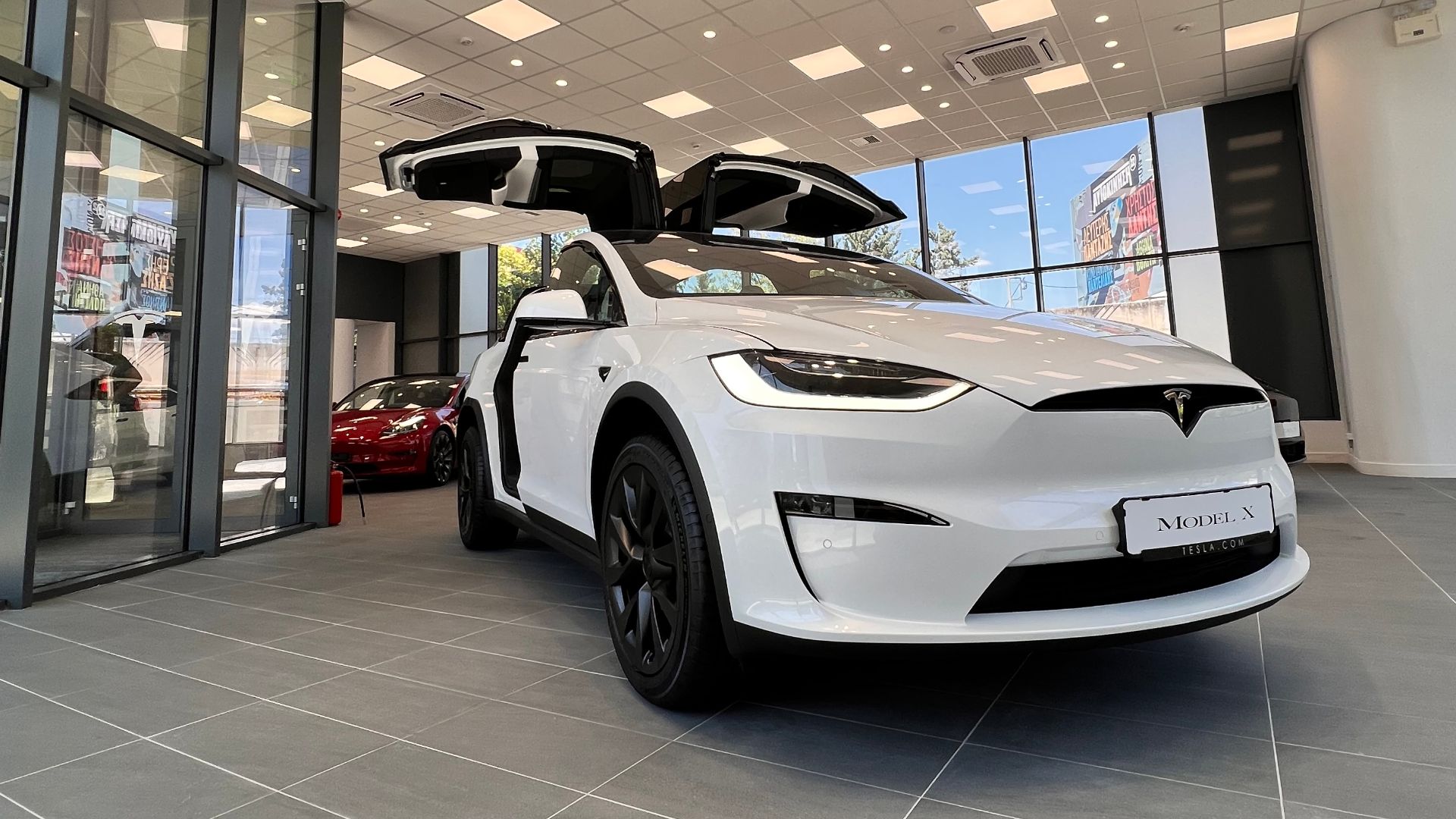
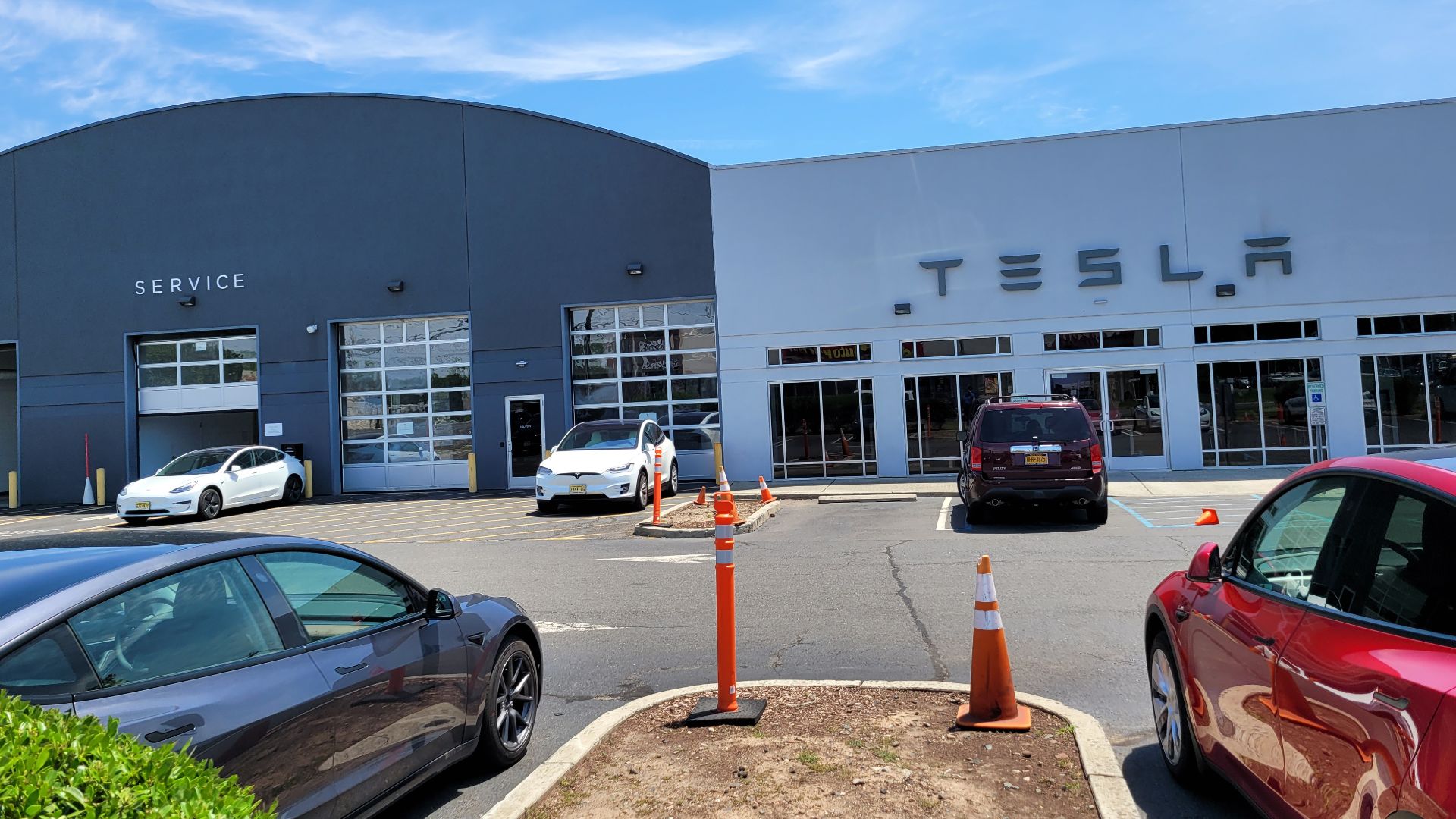
Tesla Shows Why This Matters
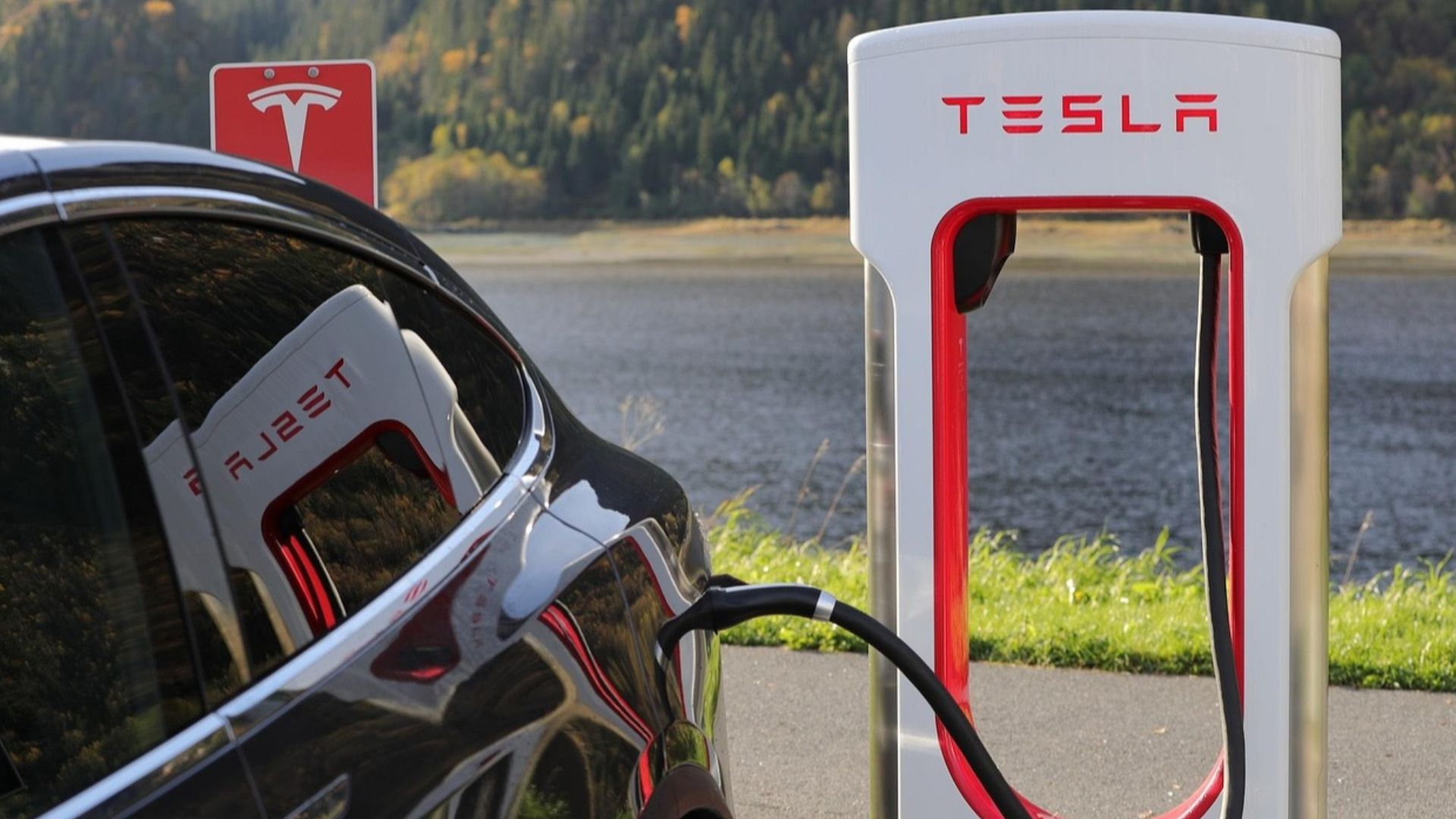
Tesla currently says the balance of its original Battery and Drive Unit Limited Warranty continues to apply to its Certified Pre-Owned vehicles.
In other words, buying the vehicle used doesn't automatically restart the original battery warranty. You need the vehicle's original in-service date and mileage limits.
A Replacement Part Can Have Different Coverage
Tesla provides another useful example. A high-voltage battery purchased and installed through Tesla Service can currently carry a 4-year/50,000-mile Parts, Body & Paint Repair Limited Warranty in the United States.
That's completely different from Tesla's original battery warranties, which can run 8 years and 100,000, 120,000, or 150,000 miles depending on model.
Why The Battery Was Replaced Changes Everything
Ask the seller this exact question: Was the battery replaced under the original vehicle warranty, under a recall, as a customer-paid repair, after collision damage, or by a third party? Those possibilities can produce very different warranty situations.

Recall Batteries Can Be Especially Interesting
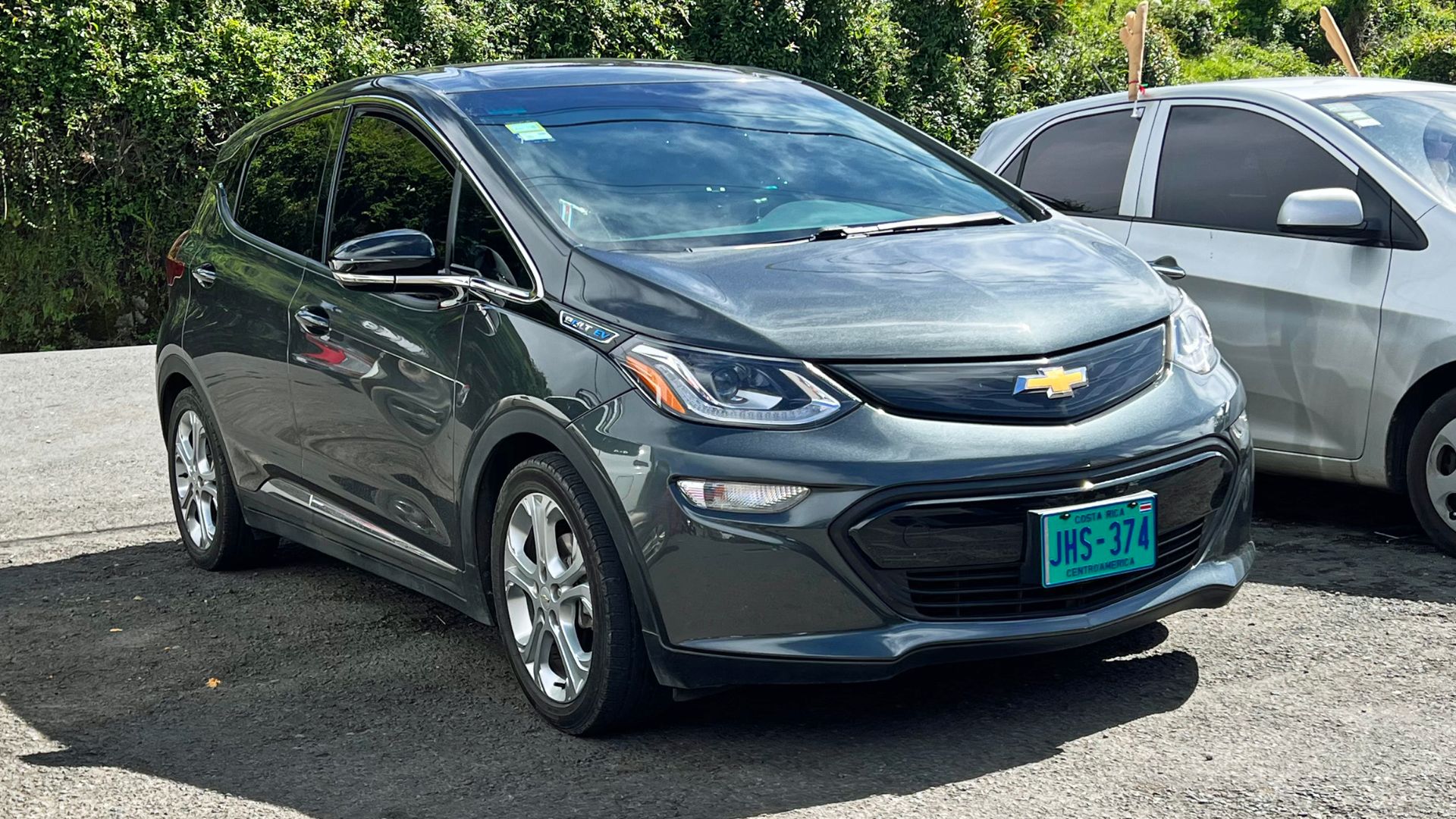
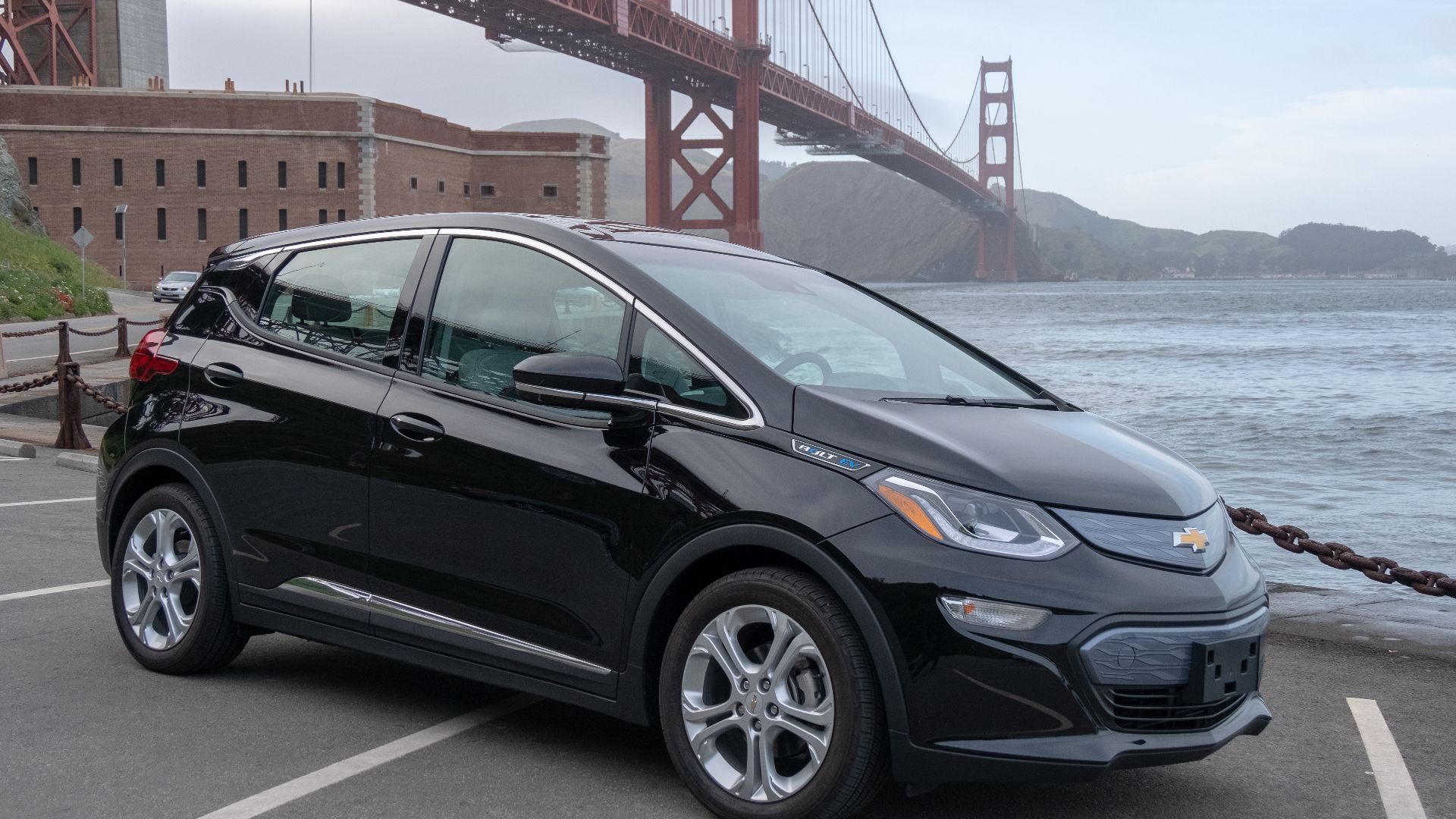
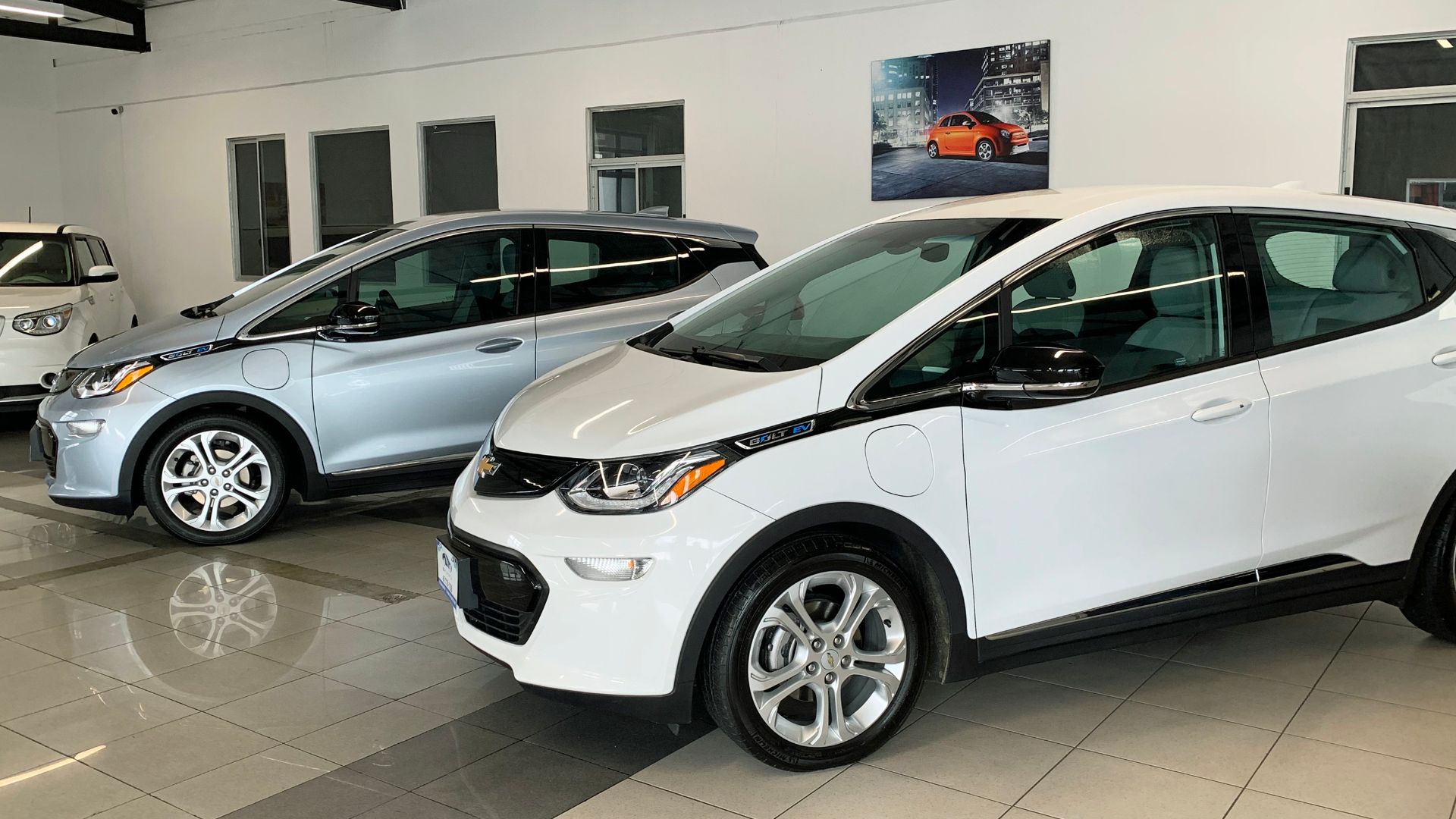
The Chevrolet Bolt provides a perfect real-world example. During GM's Bolt battery recall, GM announced that batteries receiving new modules under the recall would receive an 8-year/100,000-mile limited warranty in the United States. That made the replacement date extremely important to later used-car shoppers.
 Mariordo (Mario Roberto Durán Ortiz), Wikimedia Commons
Some Bolt Owners Essentially Got A New Battery Clock
For qualifying recall replacements, GM stated that the new modules would come with an 8-year/100,000-mile limited warranty.
So a used Bolt with a documented recall battery replacement can present a very different financial picture from an EV that simply has a replacement battery with no paperwork.
Never judge the car from the words "battery replaced" alone.
 Gregory Varnum, Wikimedia Commons
Get The Replacement Date
The date tells you how old the replacement actually is. If someone says the EV has a "new battery," don't accept that description without checking. "New" might mean last month, or it might mean the battery was replaced four years ago. Those are very different purchases.

Get The Mileage At Replacement Too
Suppose the car currently has 80,000 miles. If the battery was installed at 25,000 miles, it has already traveled 55,000 miles. If it went in at 76,000 miles, it has traveled only 4,000. That doesn't determine battery health by itself, but it's valuable context.

Ask For The Repair Invoice
You want documentation showing the VIN, repair date, mileage, reason for replacement, installer, battery part information if available, and whether the work was performed under warranty or recall.
A seller saying, "The previous owner told me they replaced it," isn't equivalent to a manufacturer repair record.

Find Out Who Installed It
A manufacturer-authorized dealer or service center provides a much clearer paper trail than an unknown repair shop. That doesn't automatically mean third-party work is bad. It does mean you'll want more information about the battery source, installer, warranty, and compatibility before spending thousands of dollars.

Was It New, Refurbished, Or Remanufactured?
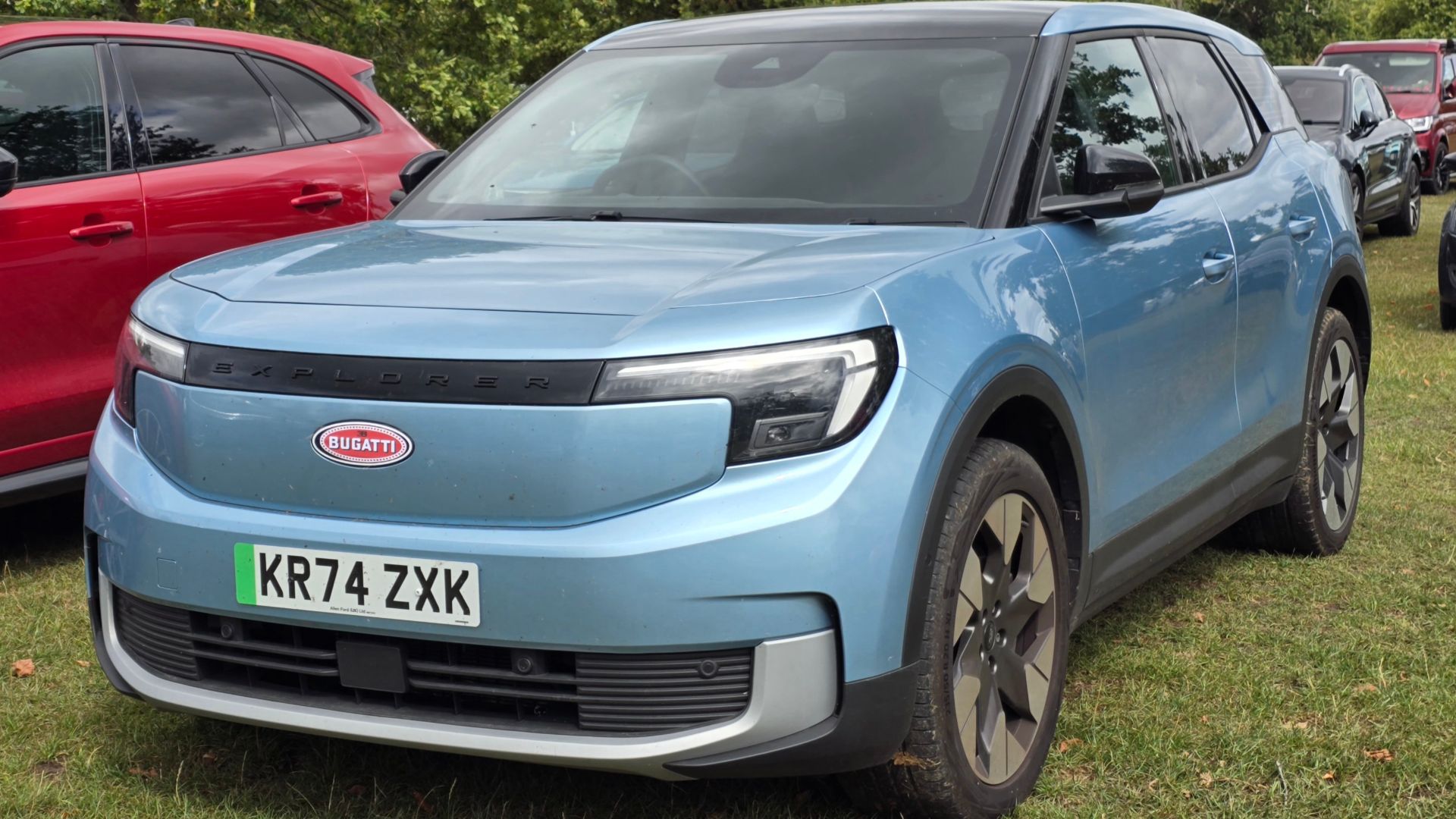
Don't automatically assume "replacement battery" means a factory-new pack. Manufacturers may repair battery packs or use refurbished or remanufactured components under warranty. Tesla's warranty language, for example, allows warranty repairs using new or remanufactured parts. Ask what was actually installed.

Refurbished Doesn't Automatically Mean Bad
A professionally remanufactured manufacturer battery isn't automatically a red flag. What matters is who supplied it, how it was tested, what capacity it provides, and what warranty backs it. The paperwork matters more than the word that makes you nervous.

Ask Whether The Warranty Transfers
This is critical when buying used. A warranty can exist without necessarily giving a subsequent owner exactly the same rights as the original purchaser. Read the warranty terms for that specific vehicle and replacement. Tesla says its New Vehicle Limited Warranty follows the vehicle when ownership is properly transferred through Tesla.

Certified Used EVs Can Add Coverage
Manufacturer-certified used programs can provide additional protection. Ford's EV Certified program, for example, currently includes a 12-month/12,000-mile comprehensive limited warranty plus 8-year/100,000-mile BaseCARE EV coverage covering the battery, transmission, and other components. That's very different from buying the same vehicle "as-is" from an unrelated used-car lot.
Don't Confuse Vehicle Warranty With Battery Warranty
A used EV may have several overlapping warranty clocks. The bumper-to-bumper warranty might already be expired. The battery warranty could still have years remaining. A certified-used warranty might add separate coverage. A replacement part might have another warranty. Write each one down separately.

Capacity Coverage Matters Too
A battery warranty doesn't necessarily promise that your EV will retain exactly the same range it had when new. Battery capacity naturally declines over time, and manufacturers use different thresholds and terms. Tesla's current U.S. battery warranties include minimum 70% capacity retention during the applicable warranty period on listed models.

Kia Uses A 70% Threshold Too
Kia currently states that its EV battery coverage protects against capacity dropping below 70% of original capacity during its 10-year/100,000-mile coverage period.
Again, read the warranty for the exact model year you're buying. Current advertised terms aren't automatically the terms that governed an older vehicle when it was sold.
 Carlos Figueroa Rojas, Wikimedia Commons
GM Uses Its Own Standard
GM's current EV warranty documentation likewise contains specific battery-capacity provisions. The important lesson isn't memorizing one percentage. It's recognizing that "battery warranty" can cover defects and capacity loss differently. Ask what threshold applies to your exact VIN.
 TheWxResearcher, Wikimedia Commons
Remaining Range Isn't The Same As Warranty Coverage
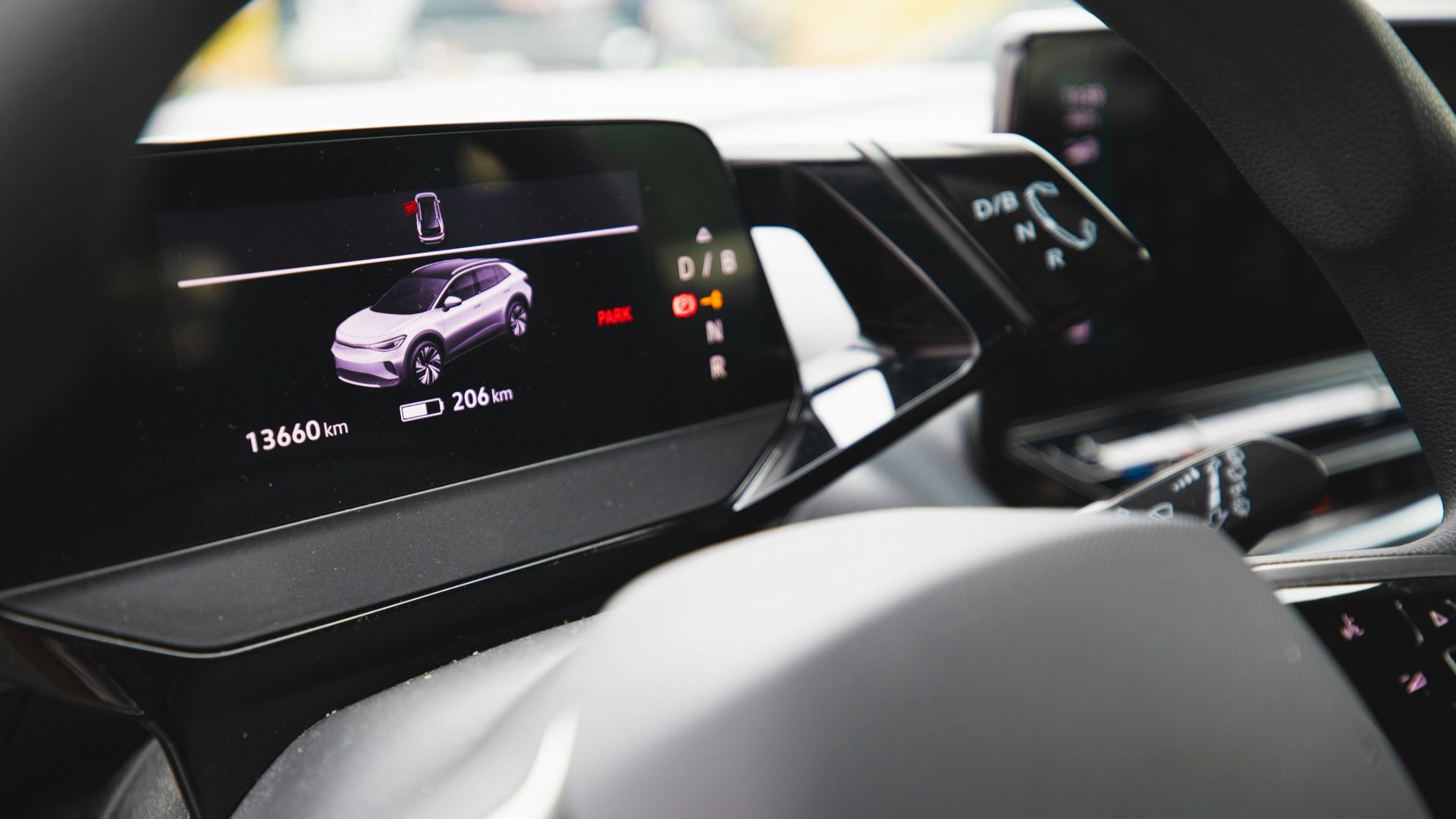
A dashboard showing 250 miles at full charge doesn't prove the battery has 250 miles of guaranteed capacity. Weather, temperature, driving style, wheel size, climate-control use, and recent driving can influence estimated range. Get a proper battery-health assessment rather than judging the pack from one dashboard number.
Battery Health Could Affect What You Should Pay
Suppose two used EVs cost $25,000. One has an older original battery with limited warranty remaining. The other has a documented manufacturer replacement with strong health and meaningful coverage remaining. Those cars may look identical in an online listing, but their long-term financial risk can be very different.
 Mariordo (Mario Roberto Durán Ortiz), Wikimedia Commons
A Replacement Can Reduce Your Biggest Fear
Many used-EV shoppers worry about buying an inexpensive car and eventually facing a costly battery repair outside warranty. A properly documented recent replacement could reduce that risk. The replacement itself isn't necessarily the scary part. An undocumented replacement is.

Beware Of Third-Party Battery Modifications
If someone opened, modified, rebuilt, or replaced the battery outside the manufacturer's authorized network, investigate carefully.
Manufacturer warranties can exclude damage caused by unauthorized servicing or modification. Tesla, for example, identifies certain damage resulting from servicing or opening the battery by non-Tesla personnel among warranty exclusions.

Collision History Deserves Extra Attention
If the battery was replaced after an accident, investigate the entire repair rather than focusing only on the pack. Ask whether there was underbody damage, structural damage, water intrusion, or damage to high-voltage components. A new battery doesn't erase the circumstances that caused the old one to be removed.

Check For Recalls
Run the VIN through the manufacturer's recall system and NHTSA's recall lookup before buying. You want to know whether the replacement resulted from a recall, whether the recall is officially marked complete, and whether other outstanding safety recalls remain.

Call The Manufacturer With The VIN
This may be one of the most valuable calls you make. Ask an authorized dealer or the manufacturer to confirm the original in-service date, battery-replacement record if available, remaining battery warranty, mileage limit, capacity coverage, and whether that coverage transfers to you. Don't rely entirely on the seller's interpretation.

Ask For The Answer In Writing
If possible, obtain a warranty-status printout or written confirmation. "The salesman says the battery is covered for another five years" isn't nearly as useful as documentation tied to the VIN showing the actual expiration date and mileage limit. This becomes especially important if you eventually need a five-figure repair.

Watch Both The Date And Mileage
Battery warranties generally expire when either the time limit or mileage limit is reached. Suppose your warranty ends at eight years or 100,000 miles. You may technically have three years remaining, but if the car already has 94,000 miles, your practical remaining coverage is only 6,000 miles. That's a huge difference.

Do The Warranty Math Before Negotiating
Imagine a used EV with 85,000 miles is advertised at $22,000. If its battery coverage expires at 100,000 miles, you've only got 15,000 miles of mileage protection left. If a documented replacement has separate coverage extending much farther, that information could materially change what the vehicle is worth to you.

Don't Pay A Premium Without Proof
A dealer may advertise: "NEW BATTERY!" That sounds fantastic and may justify a higher asking price. But before paying that premium, ask for the invoice and warranty documentation. A replacement battery with no transferable coverage isn't financially equivalent to one backed for years by the manufacturer.

Get A Pre-Purchase Inspection Anyway
A replacement battery doesn't make the rest of the EV new. Suspension components, brakes, tires, HVAC equipment, charging hardware, electronics, motors, bodywork, and other components still have the age and mileage of the vehicle. Have the whole car inspected.

Check Charging Too
Make sure the vehicle charges correctly on both the charging systems it supports. A healthy replacement battery won't make you happy if the charging hardware has an expensive problem that isn't covered by the battery warranty. Battery coverage and charging-system coverage aren't necessarily identical.
So... Does A Replacement Battery Change The Warranty?
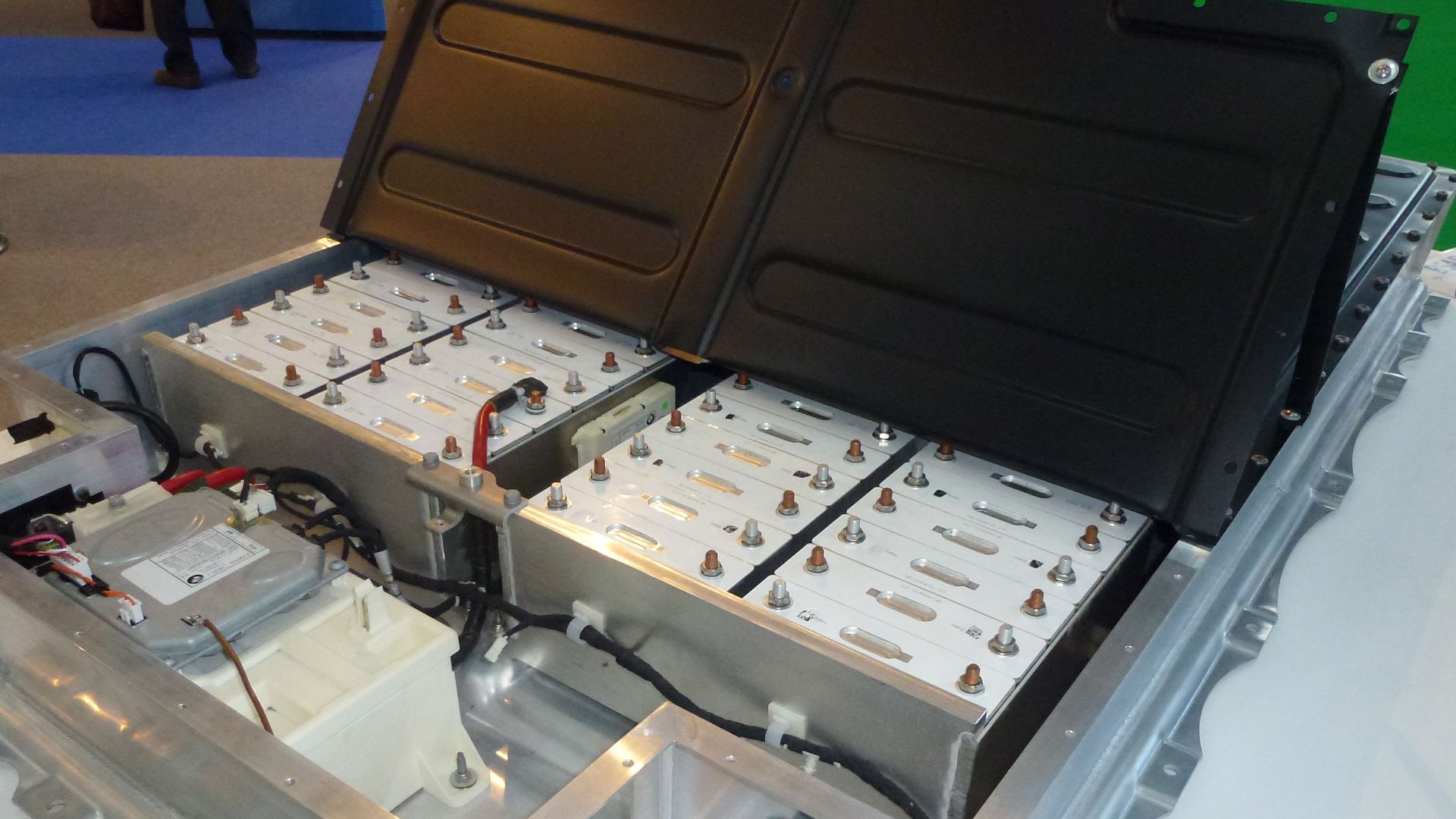
Sometimes, but not automatically. A battery replacement may simply continue under the remaining original vehicle warranty. A separately purchased replacement may receive its own parts warranty. A recall replacement may receive special extended or restarted coverage. A certified-used program may add another layer.
The manufacturer, model, repair reason, replacement date, and warranty terms determine the answer.
 RudolfSimon, Wikimedia Commons
Could The Replacement Actually Make The EV More Valuable?
Absolutely. A recent manufacturer-installed battery with documented health and substantial transferable warranty coverage can be a major selling point. You could be buying a five-year-old vehicle with one of its most expensive components considerably newer than the rest of the car. That's not automatically something to fear.
 4300streetcar, Wikimedia Commons
The Paperwork Determines Whether It's Good News
Before buying, get the battery replacement invoice, original in-service date, replacement date and mileage, reason for replacement, battery type, installer, current battery-health information, and written confirmation of remaining warranty coverage.
If the seller can't produce any of it, price that uncertainty into your decision.

The Bottom Line
Don't walk away from a used EV simply because its battery was replaced. In some cases, that replacement may be one of the best things in the vehicle's history.
But don't assume "replacement battery" means "brand-new eight-year warranty" either.
Verify the VIN, verify the repair, and verify the warranty before you pay. A newer battery can save you thousands, but only if you know exactly what you're buying.
 Hryshchyshen Serhii, Shutterstock