The Second Car Question Is Hitting More Households
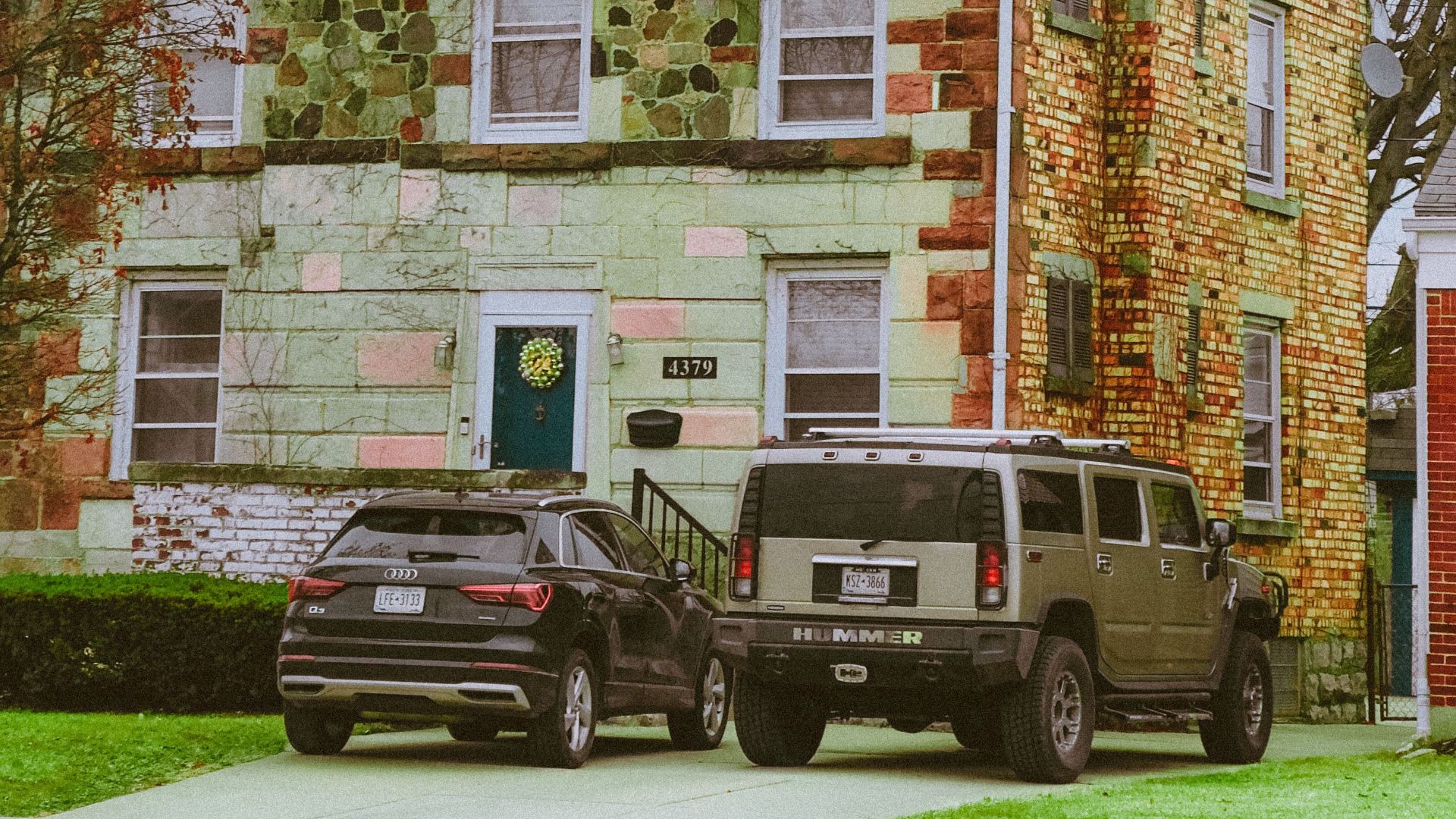
If your wife is asking whether the second car is really worth it in 2026, she's not alone. Higher ownership costs and the ease of booking a ride in an emergency have pushed a lot of families to rethink a long-standing suburban norm. So, does your household still get enough use out of that extra vehicle to justify the cost? That depends.
Americans Still Love Multi-Car Living
Data from the U.S. Census Bureau shows that most American households still have access to more than one vehicle. In recent American Community Survey results, two-vehicle households remain the largest single category, and households with three or more vehicles are also common. That tells us the second car is far from obsolete, but it does not mean every family truly needs one.

Why This Debate Feels More Urgent Now
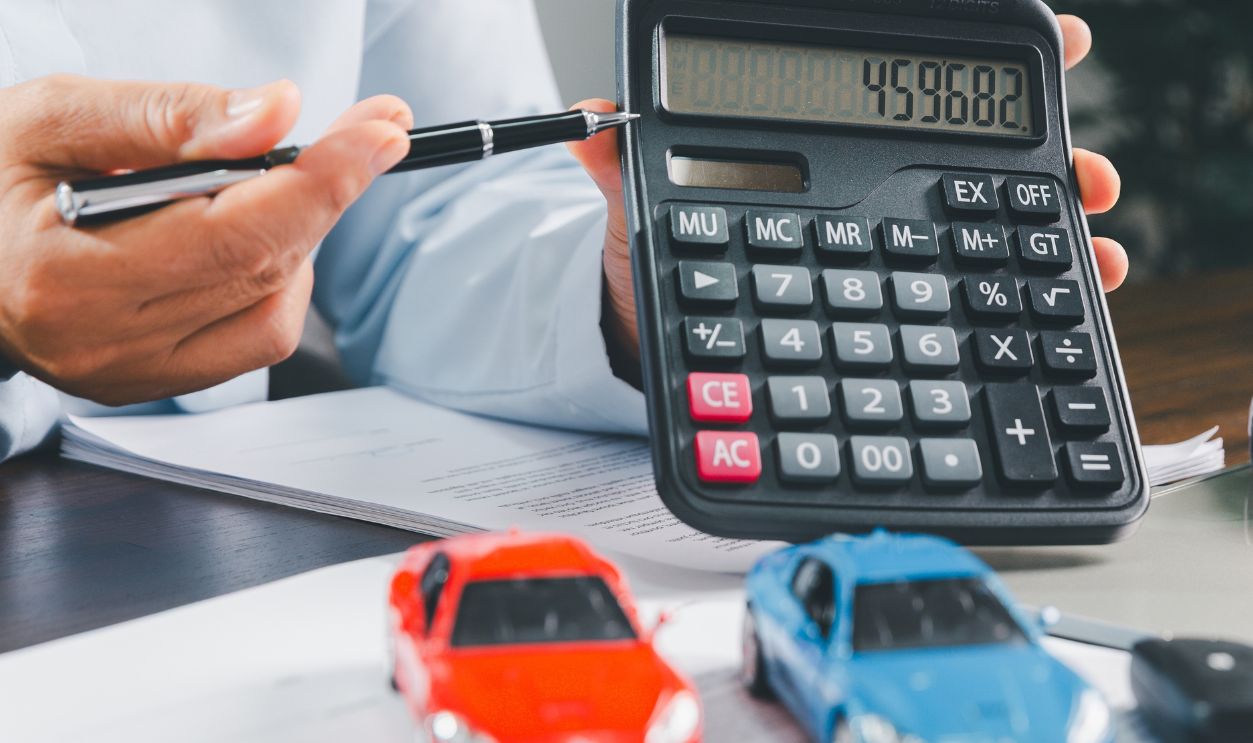
The biggest reason is cost. AAA reported in 2024 that the average cost to own and operate a new vehicle driven 15,000 miles per year reached $12,297 annually, or about $1,024.71 per month. If a second vehicle only gets occasional use, that kind of expense becomes a lot harder to defend.
The Big Number That Changes The Conversation
A little over a thousand dollars a month can stop any conversation in its tracks. AAA's 2024 Your Driving Costs study adds up depreciation, finance charges, fuel, maintenance, insurance, fees, and tires. Even if your older second car costs less than a new one, the study is a good reminder that car ownership drains money in more ways than just the monthly payment.
Insurance Alone Can Make A Spare Car Feel Expensive
Insurance is one of the most annoying costs because it keeps coming whether the car moves or not. The Insurance Information Institute says personal auto premiums have been pushed up by higher repair costs, pricier vehicles, and legal trends. If your second car spends long stretches parked, paying full-time insurance for part-time use can feel like a bad deal.

Maintenance Does Not Stop Just Because You Drive Less
It is easy to assume a lightly used car is cheap to keep, but that is not how it works. Tires age, batteries die, fluids break down, and registration or inspection fees still show up. A second car can quietly bleed money before you even get to surprise repairs.
Depreciation Is The Quiet Cost Most Owners Underestimate
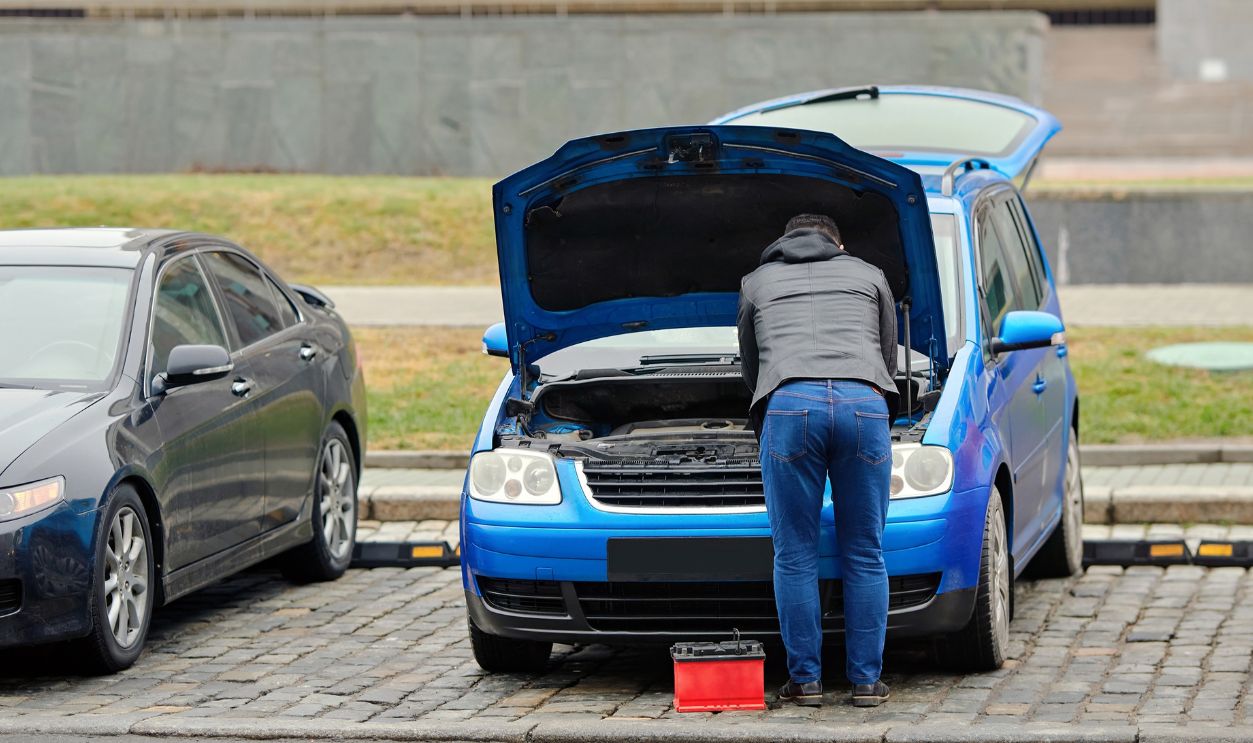
Depreciation is easy to ignore because it does not arrive as a monthly bill. Still, AAA has long listed it as one of the biggest ownership costs. If your second vehicle is fairly new, hanging onto it for convenience can cost a lot more than it seems from day to day.

Ride-Sharing Looks Cheap Until You Price Real Usage
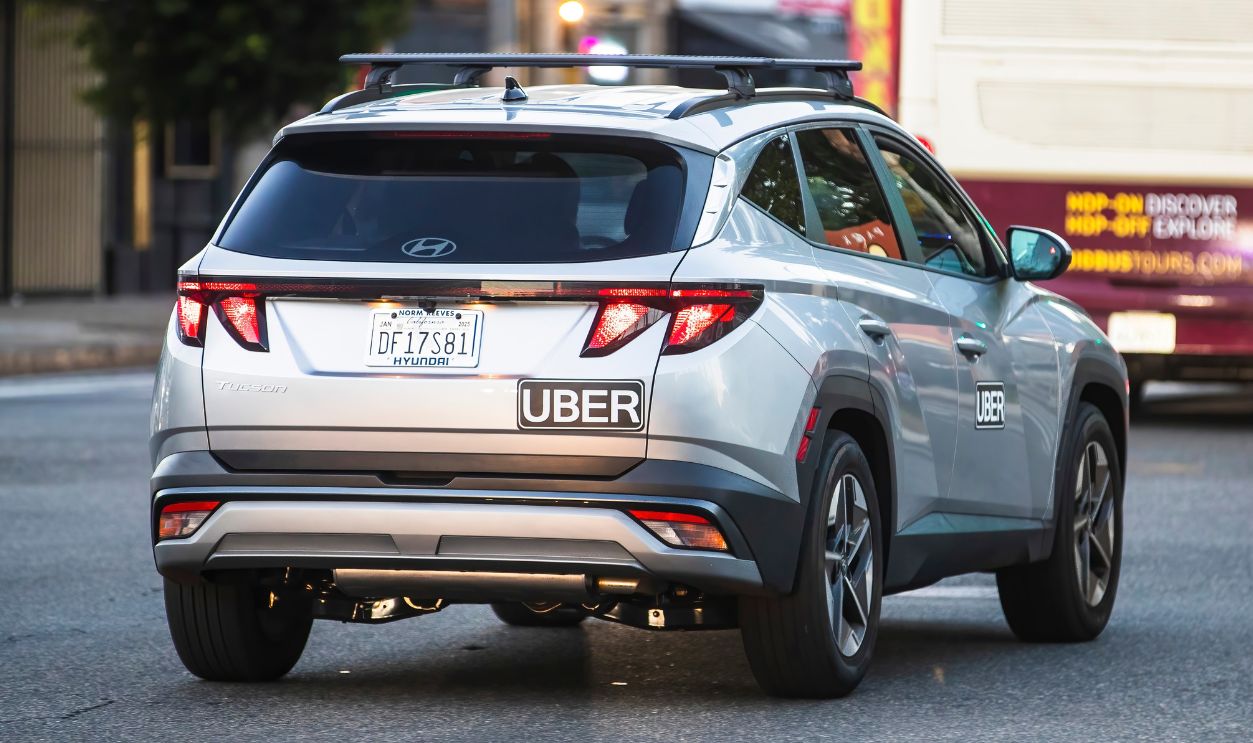
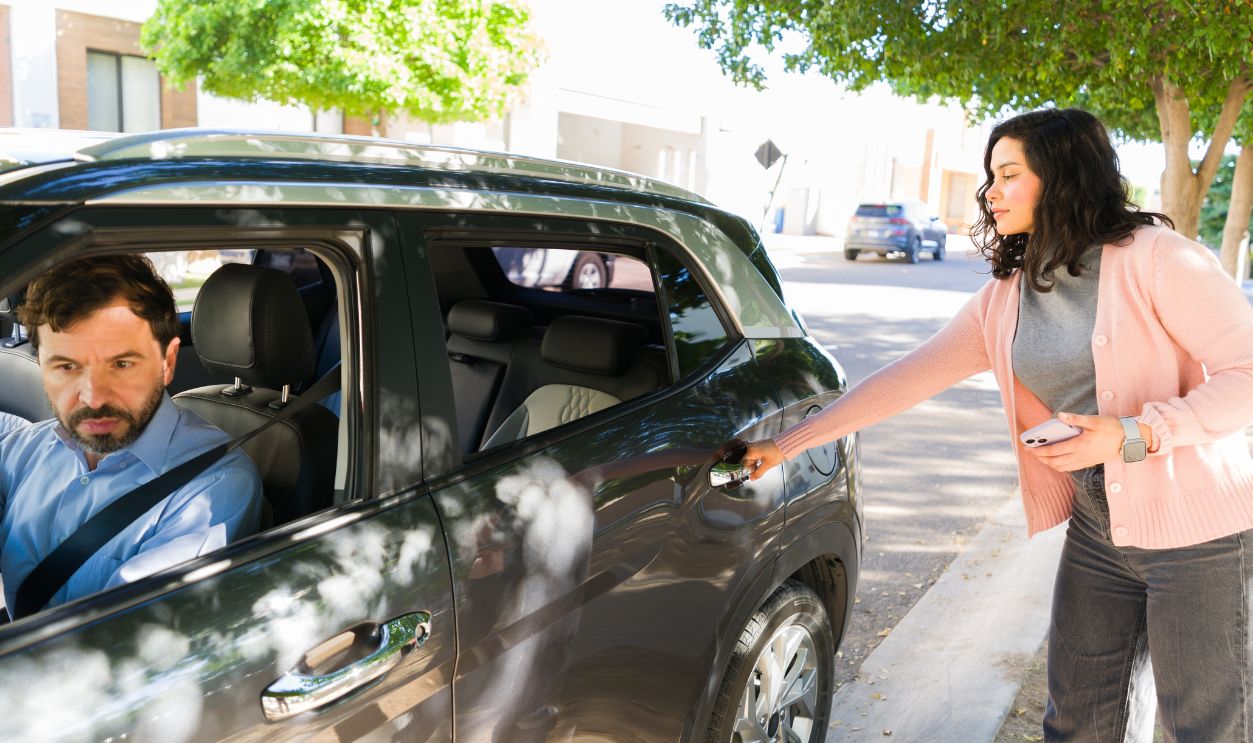
Uber and Lyft can look like a bargain when you compare one trip to a monthly car payment. The problem is that regular users can run into surge pricing, airport fees, and higher fares during rush hour or bad weather. A family that only needs occasional backup transportation may save money, but a family using ride-sharing several times a week can rack up a hefty bill.
 Karolis Kavolelis, Shutterstock
Who Actually Wins By Selling The Second Car
The best candidates are households with one main commuter car, short trips to stores and school, and reliable access to transit or ride-sharing. It also helps if one adult works from home several days a week. In that setup, the second car may be solving a problem that barely comes up anymore.

Who Probably Should Keep It
Families with kids in multiple activities, long suburban distances, weak transit, or schedules that overlap all the time usually face a different reality. The same goes for households with unpredictable work hours or medical needs. In those cases, the second car is less of a luxury and more of a scheduling tool.

Urban Households Have A Very Different Math Problem
In dense cities, parking, insurance, and traffic can make a second car look hard to justify. Households in places with strong transit and lots of ride-share coverage often have a real alternative. The less you need to drive, the easier it is to swap ownership for on-demand rides.
Suburbs And Small Towns Often Change The Answer
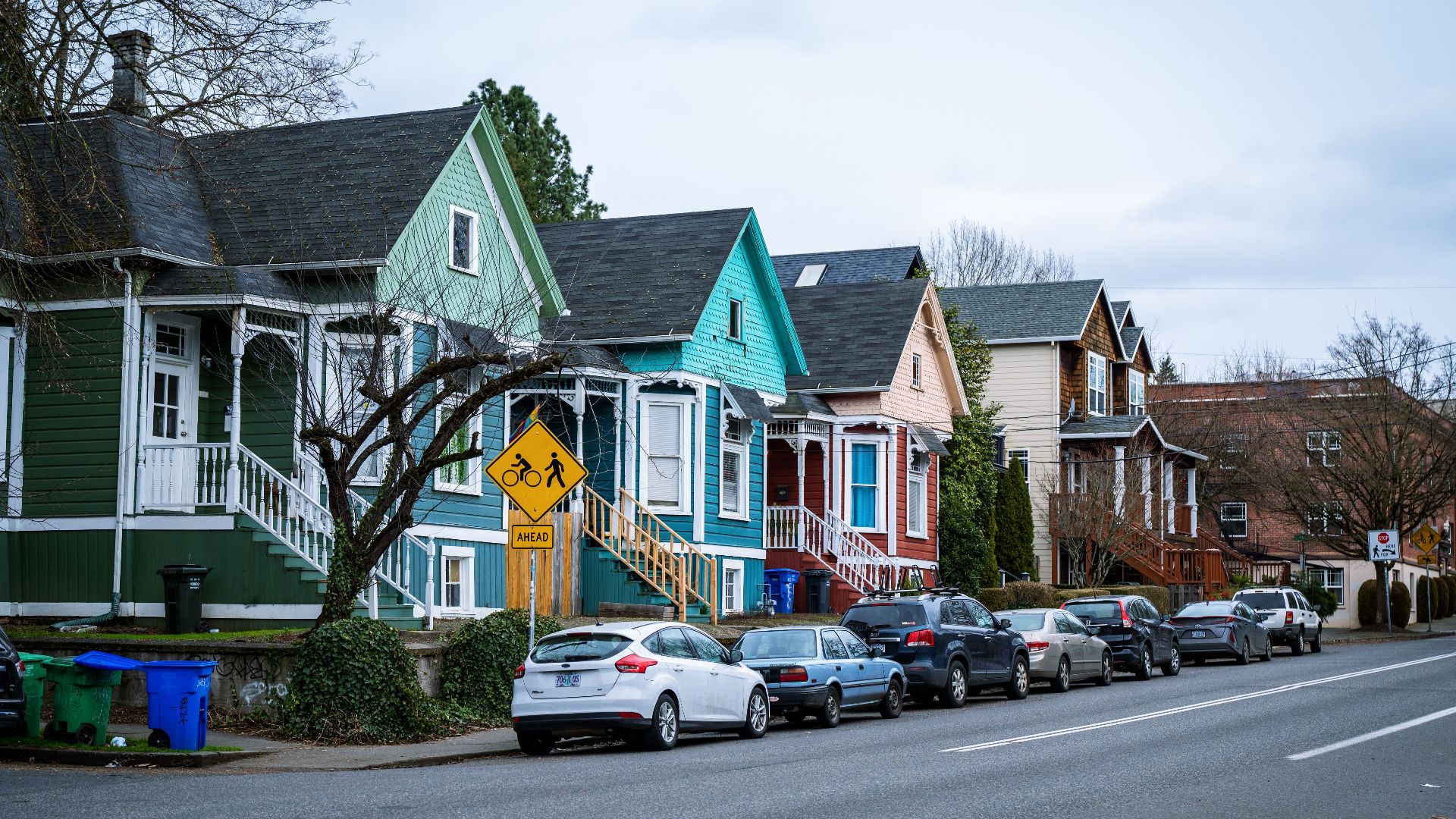
Outside major cities, ride-sharing can be hit or miss, and wait times can stretch longer than you would like. That matters if you need a sure ride for daycare pickup, a late work shift, or a doctor appointment. A second car may be expensive, but so is being stranded when timing matters.

Work From Home Has Quietly Shifted The Equation
Remote and hybrid work made a lot of households realize one car was just sitting in the driveway during the week. If the second vehicle was mainly there for a daily commute that no longer happens, the logic behind owning it may have disappeared. That is a big reason this conversation has become so common in recent years.

The Census Data Says Cars Still Matter Deeply
American Community Survey commuting data still shows that most workers travel by car, truck, or van. That includes driving alone and carpooling, which remain the dominant ways Americans get to work. In plain English, ride-sharing has grown, but it has not replaced the central role of personal vehicles for most households.
Ride-Sharing Is A Tool, Not A Full Substitute, For Many Families
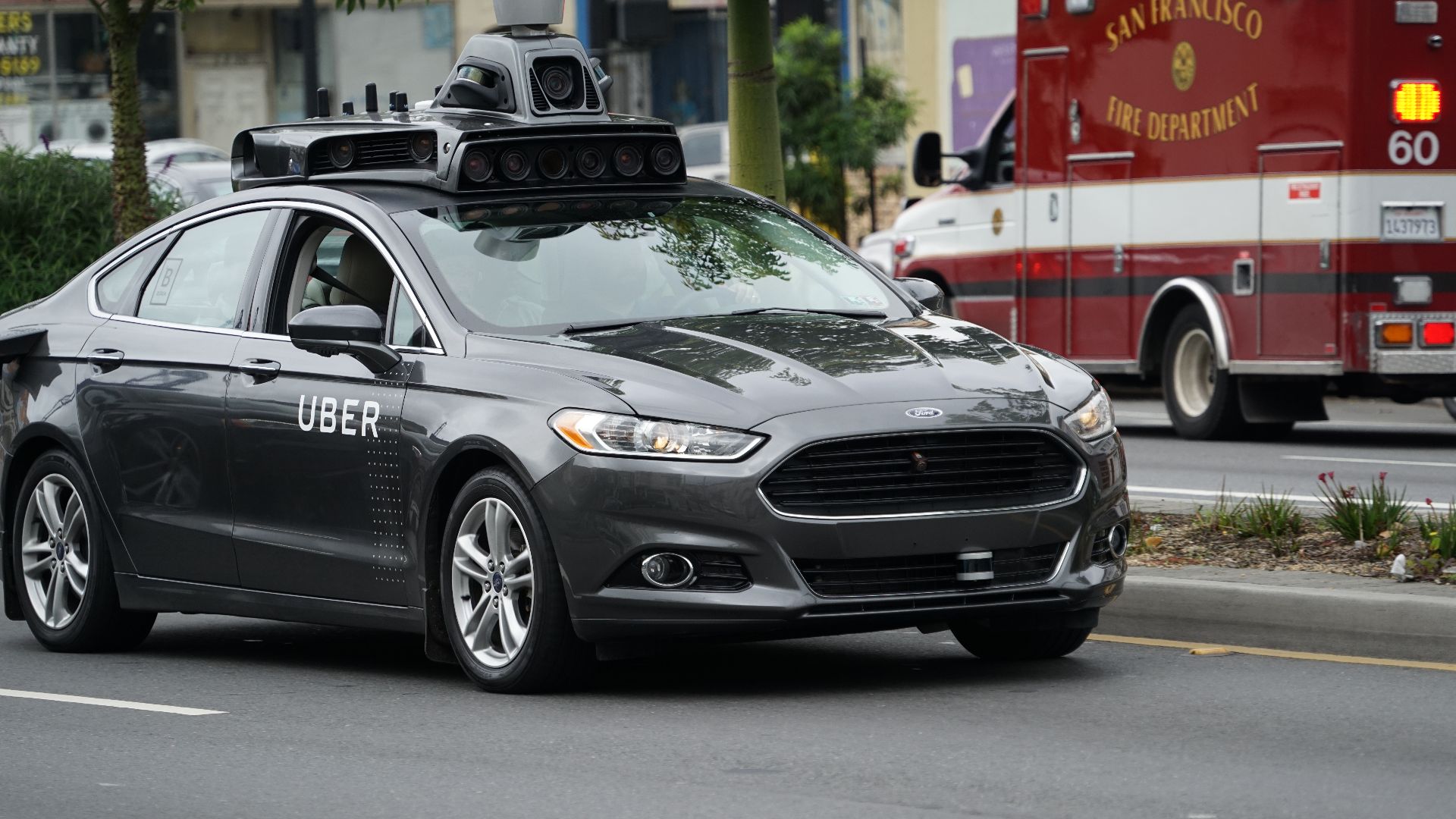
Uber launched in 2010 and Lyft followed in 2012, changing how Americans think about getting around on short notice. Their apps made car-free living more realistic in many neighborhoods, especially for nights out, airport runs, and one-off errands. But their biggest strength is convenience, not always low total cost for everyday heavy use.
There Is A Hidden Risk In Depending On App-Based Rides
Ride-sharing is not guaranteed the way your own car is. Driver supply changes by location and time of day, and prices can jump when demand spikes. If your life includes school drop-offs, late-night pickups, or other time-sensitive obligations, that uncertainty needs to be part of the decision.
The Best Test Is To Run A Household Transportation Audit
Before selling anything, track every trip for 30 to 60 days. Write down when both cars are used at once, how urgent those trips were, and whether another option could have worked. That simple exercise usually shows whether the second car is a real need or just a habit.

Add Up The Real Cost Of Your Specific Second Car
Do not rely only on national averages. Add up your loan or lost resale value, insurance, registration, fuel, parking, maintenance, and likely repairs over the next year. Then compare that number with a realistic ride-share budget based on your actual travel, not best-case thinking.

Do Not Forget The Resale Opportunity
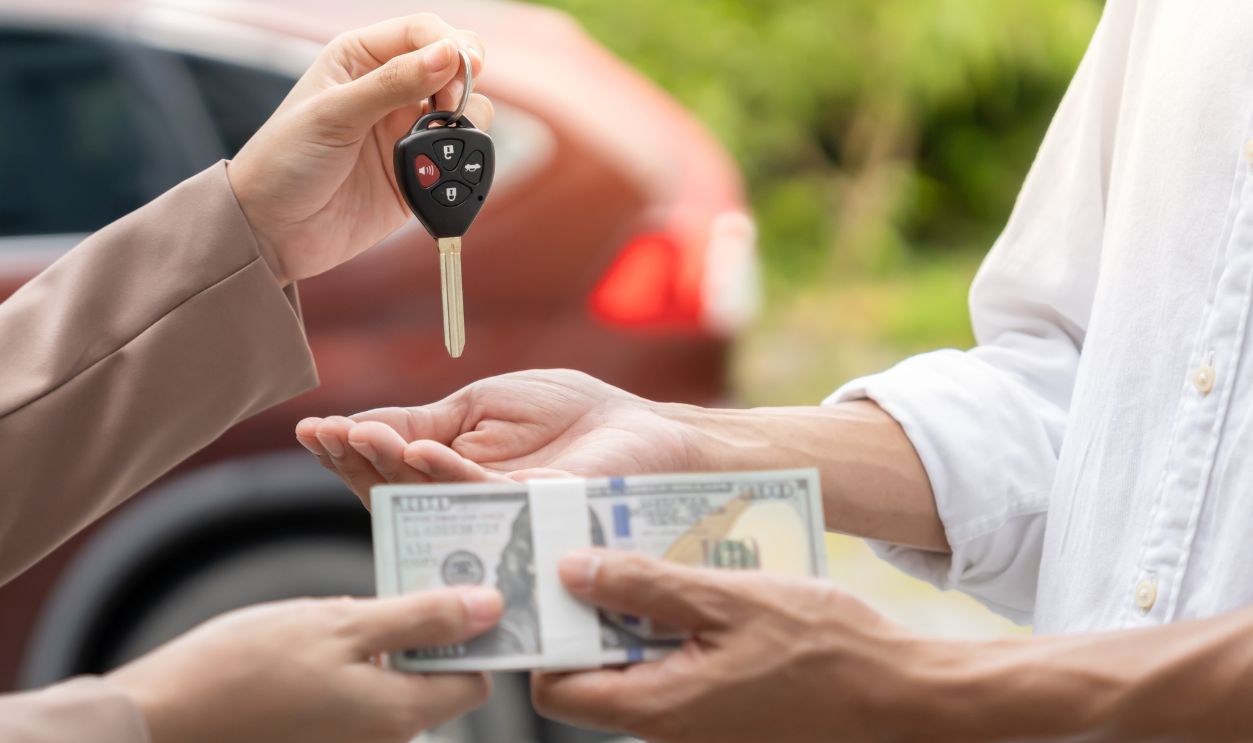
If your vehicle still has strong used-market value, selling now may make even more sense. A lightly used car with decent resale value can turn parked metal into useful cash. That money could go toward debt, savings, or a transportation fund for ride-sharing and rentals.
Car Rentals Can Fill The Gap Better Than You Think
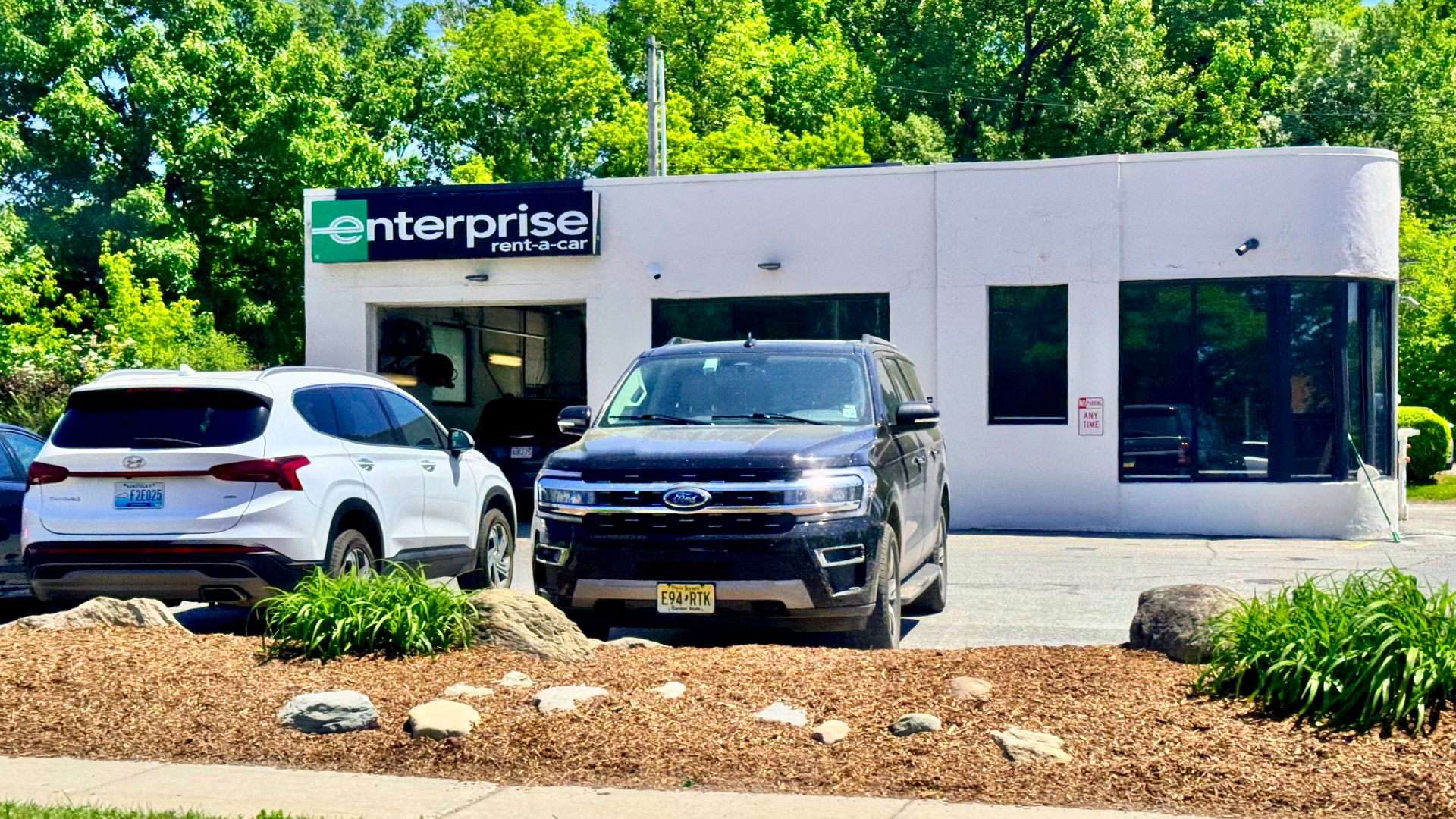
Some households do well with one owned car, ride-sharing for short local trips, and occasional rentals for weekends or bigger errands. That mix can cover more situations than people expect. In many cases, it works better than pretending Uber alone can replace every job a second vehicle handles.
 Harrison Keely, Wikimedia Commons
Public Transit Changes Everything When It Is Actually Good
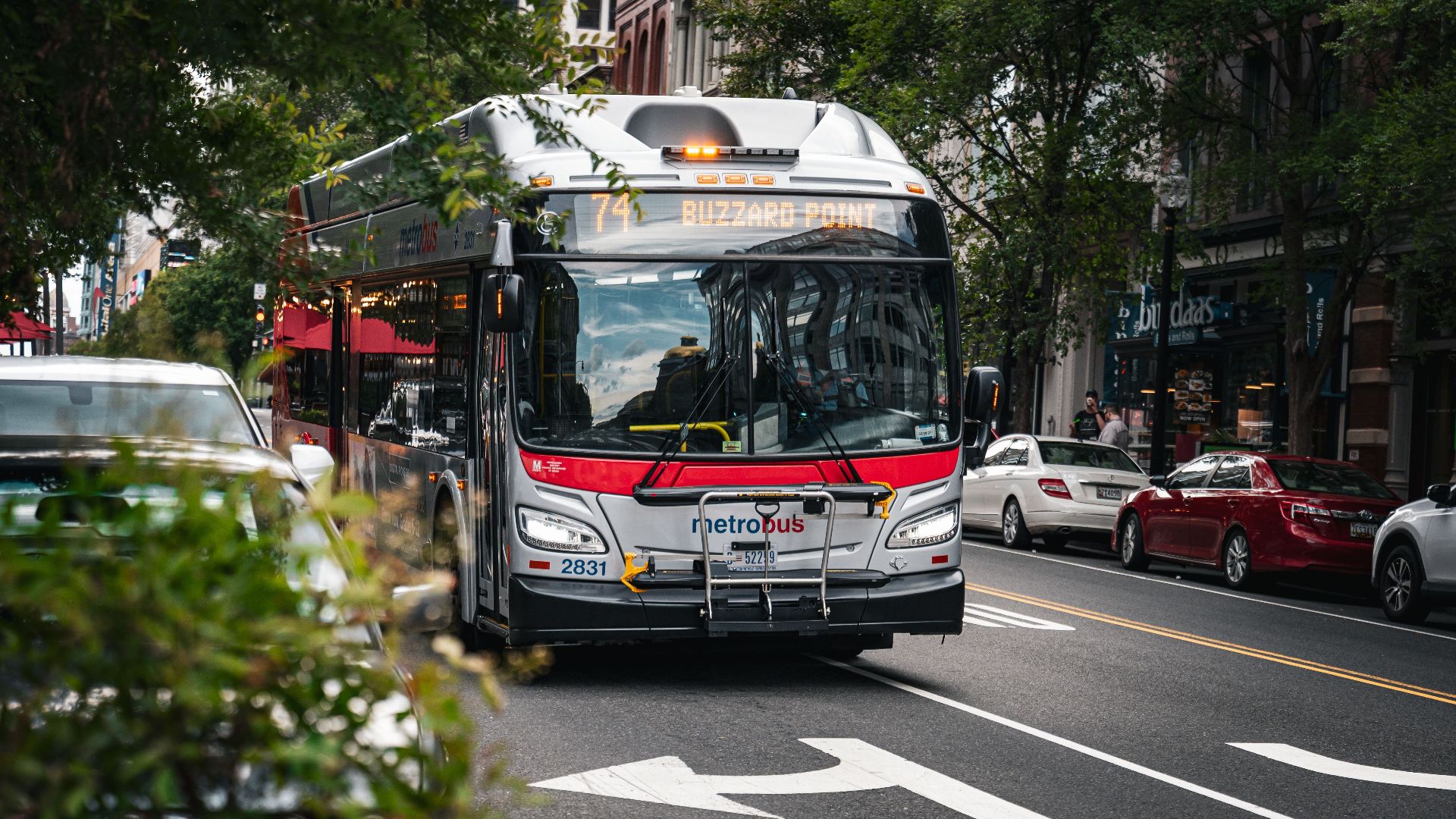
If you live near dependable bus or rail service, the math can shift quickly against owning a second car. Transit can handle the regular commute while ride-sharing fills in the awkward gaps. What matters here is the quality of local service, because weak transit will not suddenly become useful just because you sold a car.
Families With Teens Need To Think Two Steps Ahead
A second car may become more useful when a new driver joins the household or when activity schedules get more chaotic. On the other hand, some families find that staggered routines and school transportation lower the need for a backup vehicle. Timing matters, and a choice that makes sense now may not make sense two years from now.
 LightField Studios, Shutterstock
Emergency Situations Deserve Their Own Category
This is where spreadsheets can miss real life. A second car can be a lifeline during sudden illness, family emergencies, or a breakdown of the main vehicle. If selling it would leave your household without a dependable backup plan, that should carry real weight.
There Is No National Rule That The Second Car Is Dead
The evidence does not show that owning two cars has become broadly unnecessary in America. Census data still points to widespread multi-vehicle households, and commuting remains heavily car-based. What has changed is that ownership costs are now high enough to make families question assumptions they used to leave alone.
So Is Your Wife Right
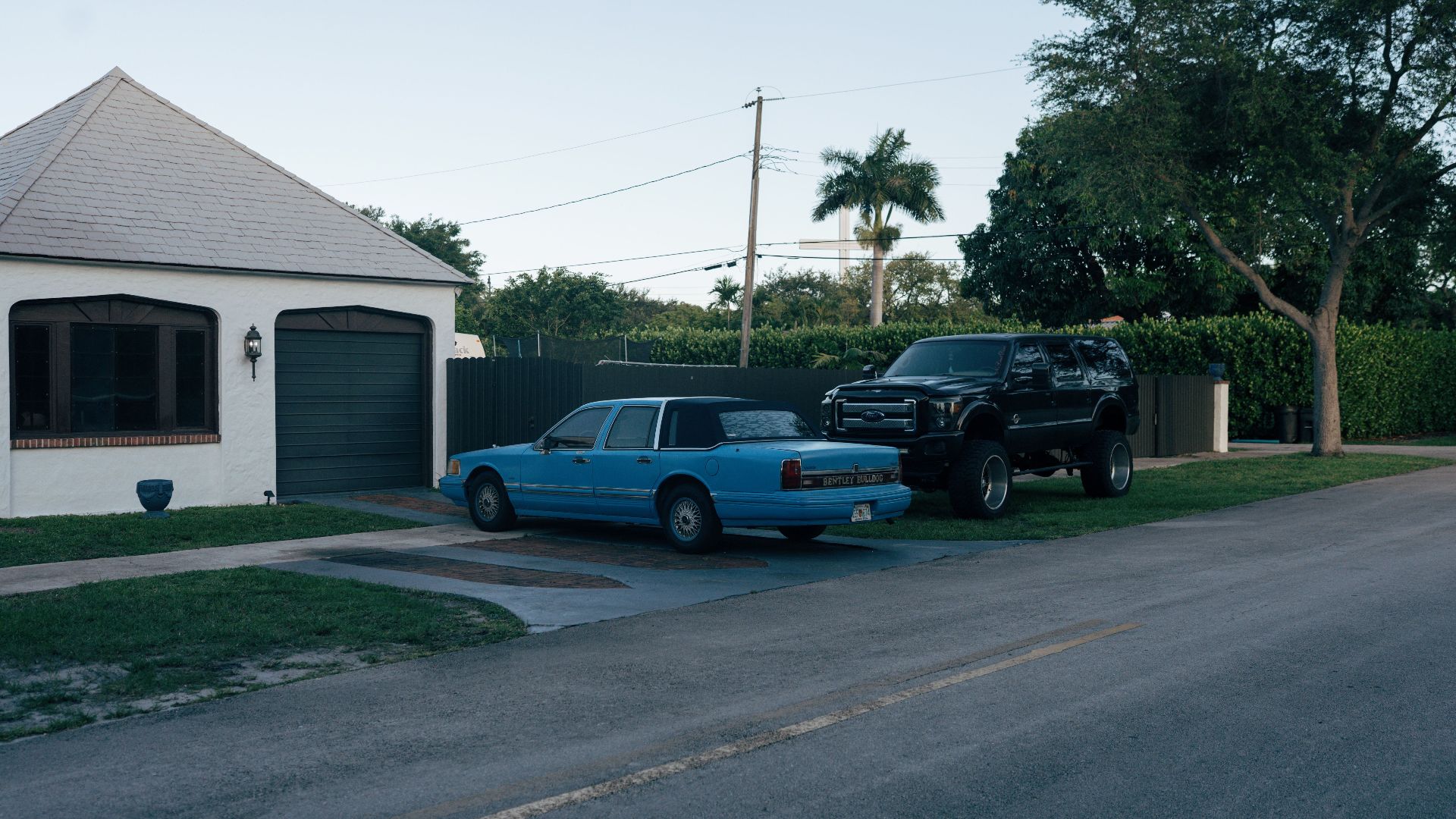
She might be, especially if the second car gets little use, costs a lot to insure, and can be replaced with some mix of ride-sharing, transit, and occasional rentals. But if your daily routine depends on overlapping schedules or weak local alternatives, selling it could create more hassle than savings. The smartest move is not to argue about it, but to do the math using your real trips and your real costs.

The Bottom Line For Drivers Today
Owning two cars is not becoming universally unnecessary, but it is becoming much easier to question. For some households, the second car has gone from essential machine to expensive backup plan. If that sounds familiar, a trial run of one-car living may tell you more than any debate ever could.