
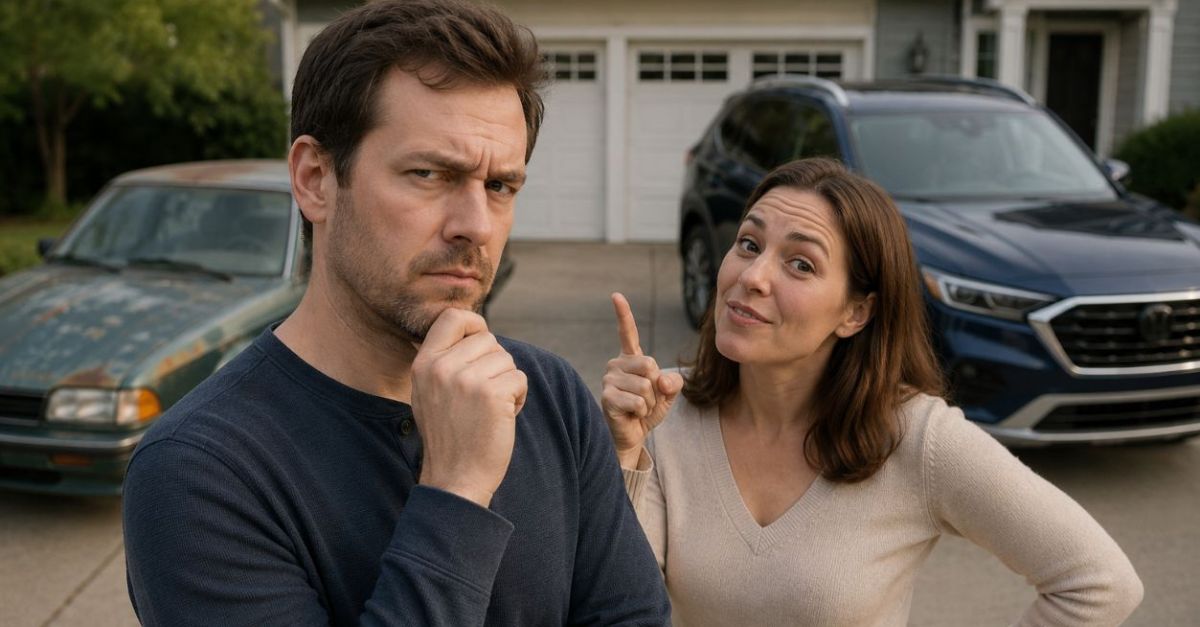
The Safety Debate Gets Personal Fast
If you're buying a new car, the variation in the price you might pay is bigger than almost any other purchase. One spouse says only a brand-new vehicle is safe enough for the family. The other sees the monthly payment and winces at all that money down the drain. The good news here is that the truth sits somewhere in the middle, and the data gives a much clearer answer.
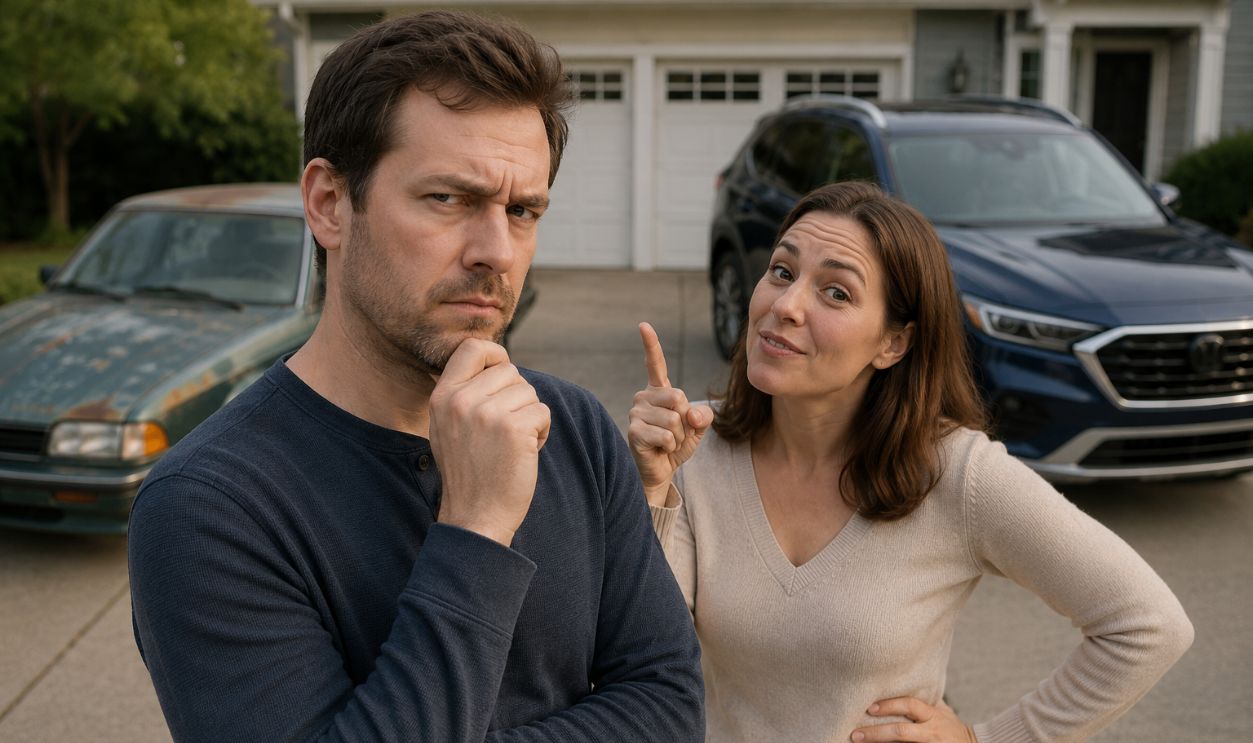
Yes, Newer Cars Are Usually Safer
If you compare an average new vehicle with an average vehicle from 10, 15, or 20 years ago, the newer one usually has a real safety edge. Crash tests, fatality studies, and years of better vehicle design all point the same way. But that does not mean every older car is unsafe or that every family needs to buy new.
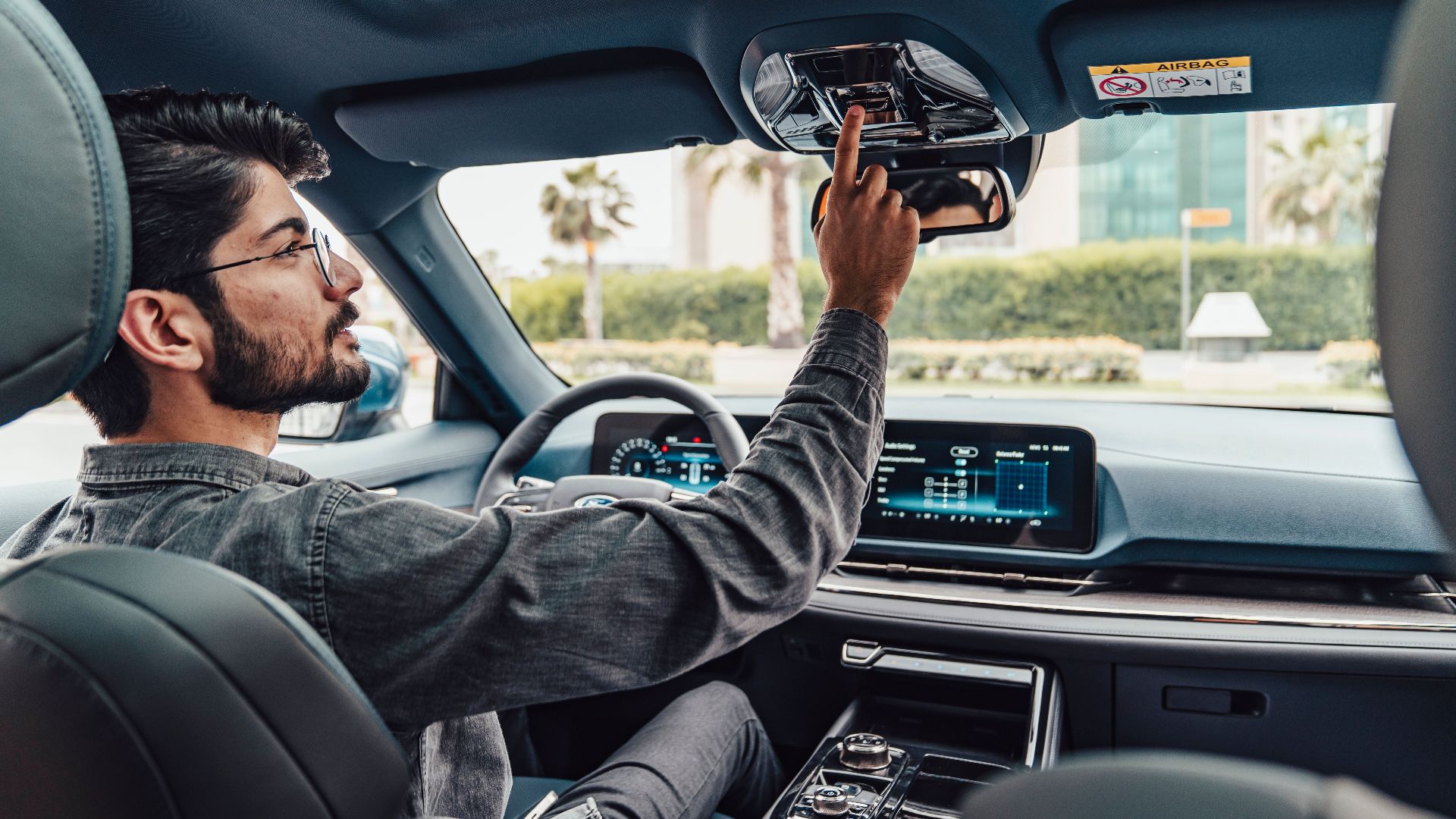
The Big Picture Started Changing Decades Ago
Modern vehicle safety did not show up all at once. The Insurance Institute for Highway Safety, founded in 1959, and the National Highway Traffic Safety Administration, created in 1970, helped drive decades of progress through research, testing, and regulation. For buyers, the key point is simple: safety improvements came in waves, and a used car’s model year tells you which of those waves it actually got.

Crash Protection Took A Major Leap In The 2000s
One big reason newer cars are safer is that crash structures got much better in the 2000s and 2010s. Automakers built stronger passenger compartments and improved the way vehicles absorb crash forces. IIHS has repeatedly shown that newer designs do a better job protecting survival space in serious wrecks.

The Small Overlap Test Changed The Conversation
In 2012, IIHS introduced the small overlap front crash test, which simulates a brutal real-world crash where only a small part of the front end strikes an object. A lot of vehicles that looked good in other tests struggled badly at first. That exposed weak spots in cars that seemed safe on paper but were less prepared for one of the most dangerous crash types.
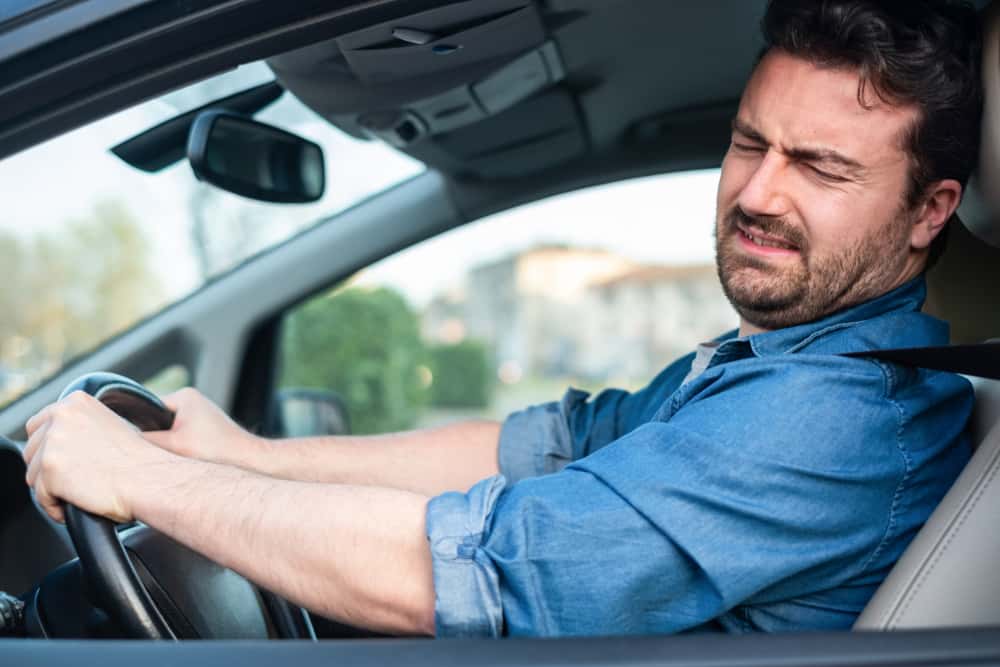
Side Crashes Were A Huge Problem Too
Side impacts are especially dangerous because there is so little space between the occupant and the striking vehicle. Side airbags and stronger side structures made a major difference, especially as SUVs and pickups became more common. Over time, IIHS and NHTSA testing pushed automakers toward better protection in these crashes.

Electronic Stability Control Was A Breakthrough
If there is one feature safety experts keep coming back to, it is electronic stability control. NHTSA has said ESC helps drivers stay in control and cuts down on single-vehicle crashes. The agency required ESC on new passenger vehicles starting with the 2012 model year, which means many older used cars do not have one of the most important crash-prevention features ever introduced.

Federal Data Put Numbers Behind ESC
NHTSA has published findings showing that ESC sharply lowers the risk of fatal single-vehicle crashes for passenger cars and SUVs. This was not marketing from car companies. It was a federal safety finding based on crash data, and it is a major reason a 2012-or-newer vehicle often has a meaningful advantage over an older one.
Head Protection Improved Quietly But Significantly
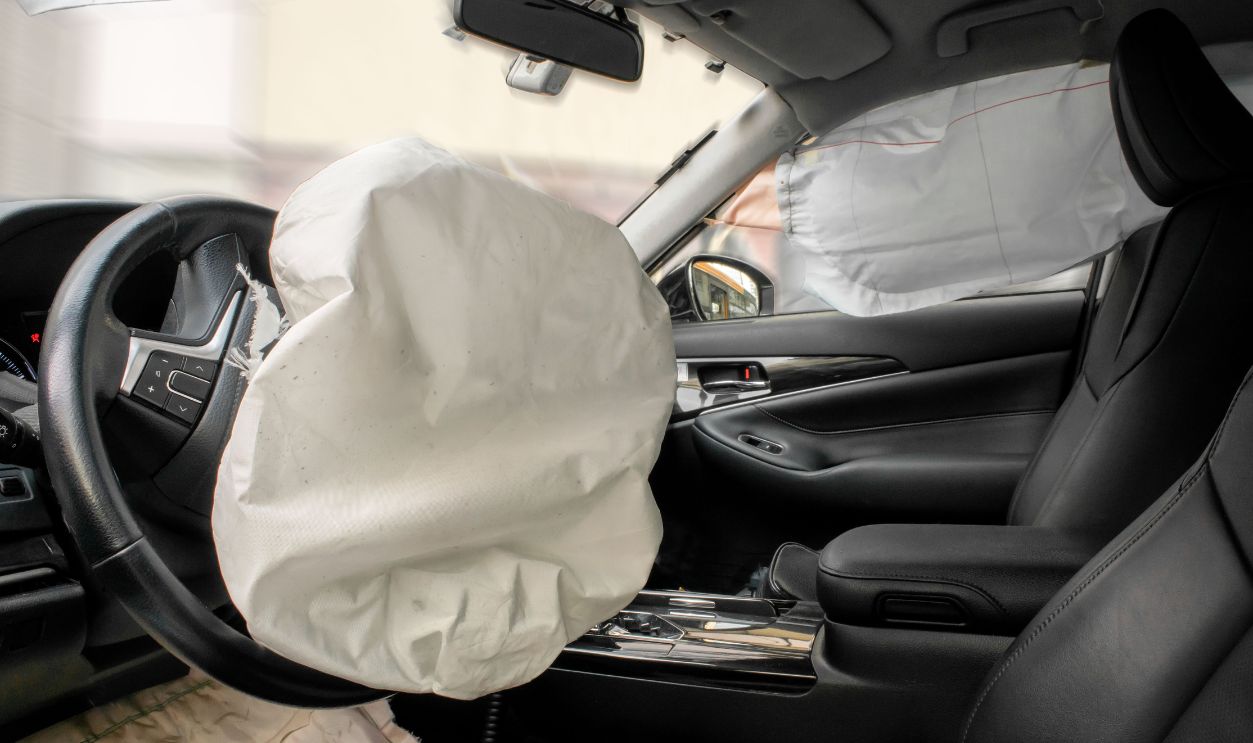
Side curtain airbags became far more common in the 2000s and later became standard on new vehicles. They help protect people’s heads in side crashes and rollovers, where injuries can be severe. A used vehicle from the late 1990s or early 2000s may not have them at all.
Roof Strength Became More Important As SUVs Boomed
As taller vehicles grew more popular, rollover protection became a bigger issue. IIHS increased its focus on roof strength, and stronger roofs can lower the risk of injury in rollover crashes. It is not something most shoppers notice on a test drive, but it matters when a crash turns ugly.

Rear Seat Safety Is Still A Work In Progress
There is one surprising catch. Newer cars are generally safer overall, but not every seat improved at the same pace. IIHS has noted that front-seat safety advanced faster than rear-seat safety for years, so parents should not assume every newer vehicle offers the same level of protection in back.
Automatic Emergency Braking Is A Real Divider
The newest cars often pull ahead most clearly in crash-avoidance tech. Automatic emergency braking, or AEB, can sense an upcoming crash and brake if the driver does not react in time. IIHS has called front crash prevention one of the most important recent safety advances, and many older cars do not offer it at all.
The Industry Promised More Standard AEB
In 2016, IIHS and NHTSA announced a voluntary commitment from 20 automakers to make automatic emergency braking standard on nearly all new vehicles by September 2022. That sped up the spread of a feature that had mostly been limited to higher trims. As a result, many vehicles from the early 2020s are far more likely to have AEB than vehicles from just a few years earlier.
Pedestrian Safety Entered The Picture Too
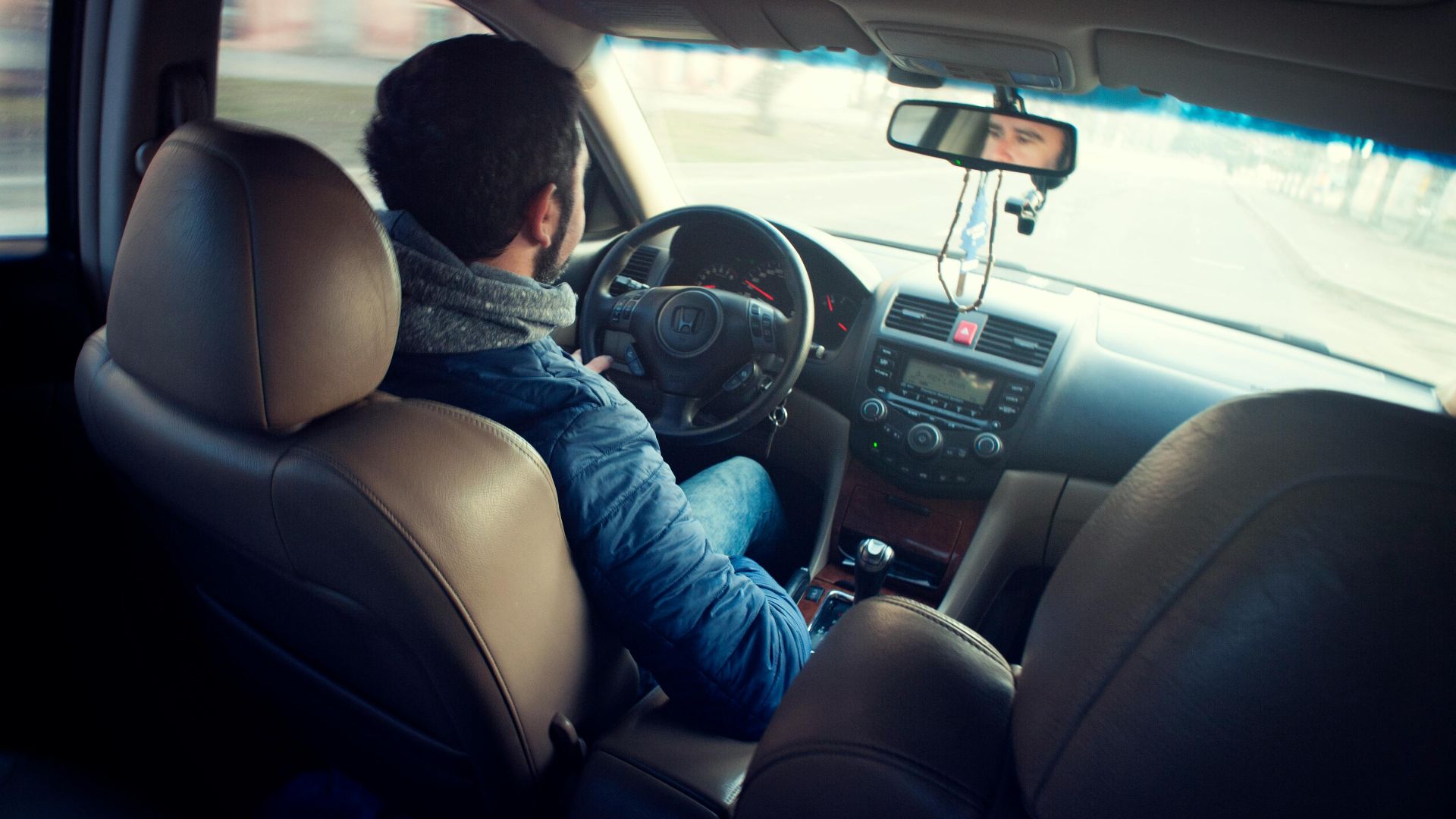
Some newer AEB systems can detect pedestrians as well as other vehicles. That matters because pedestrian deaths rose in the United States over the past decade, and crash-avoidance technology became part of the response. For families who spend a lot of time driving in suburbs or cities, that is a real advantage.
NHTSA Ratings Help, But They Are Not The Whole Story
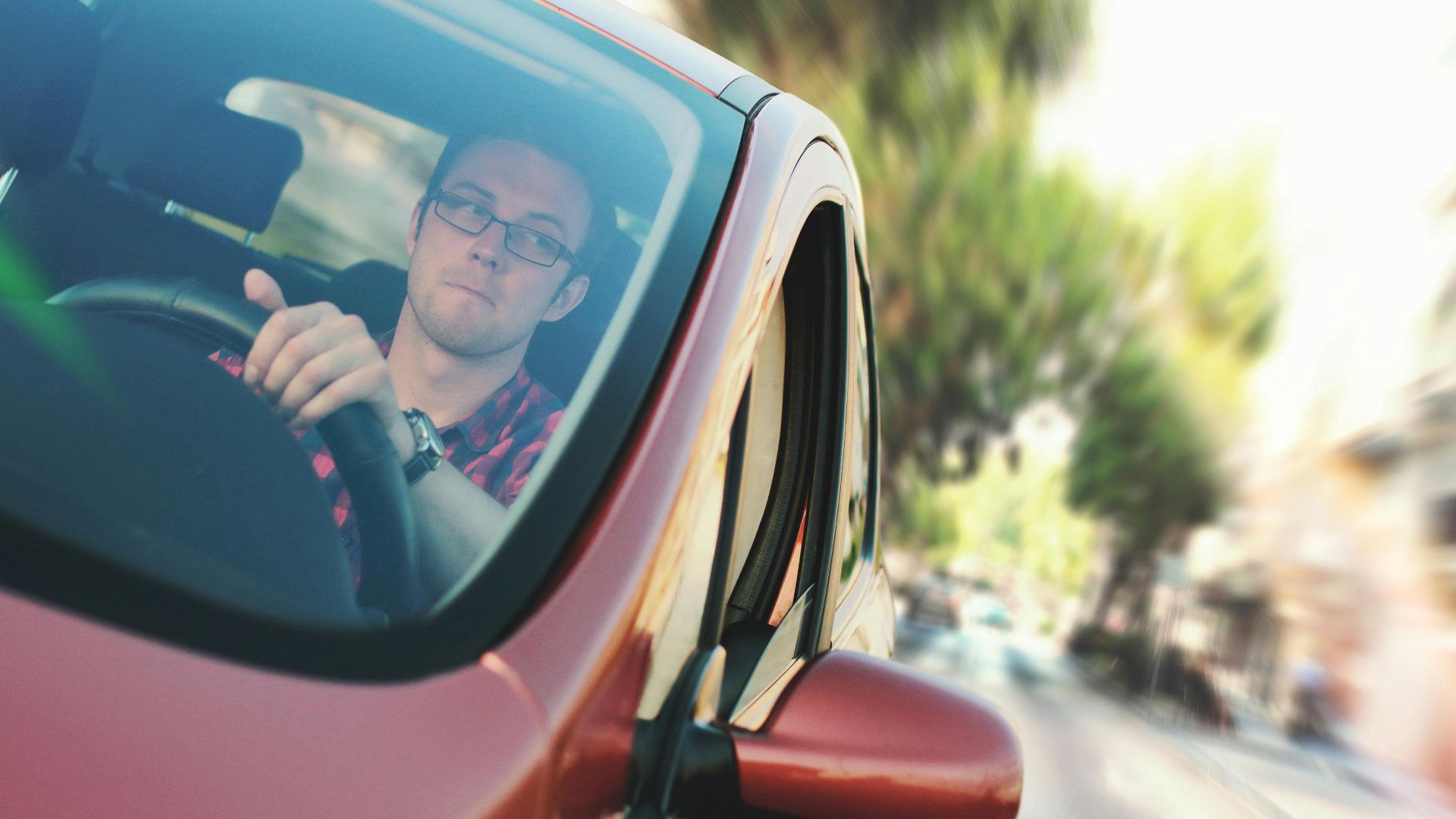
NHTSA’s 5-Star Safety Ratings program gives buyers a quick snapshot based on federal crash tests. It is useful, but smart shoppers should also check IIHS results because the tests are different. A vehicle that scores well in both programs is often a stronger bet than one that shines in only one.
 Hryshchyshen Serhii, Shutterstock
IIHS Top Safety Pick Awards Can Be A Shortcut
IIHS awards like Top Safety Pick and Top Safety Pick+ can help narrow the field. These awards depend on crash protection and, in recent years, crash avoidance and headlight performance too. The key is to check the exact model year, because a redesign can completely change how safe a vehicle is.

Old Does Not Mean Equal
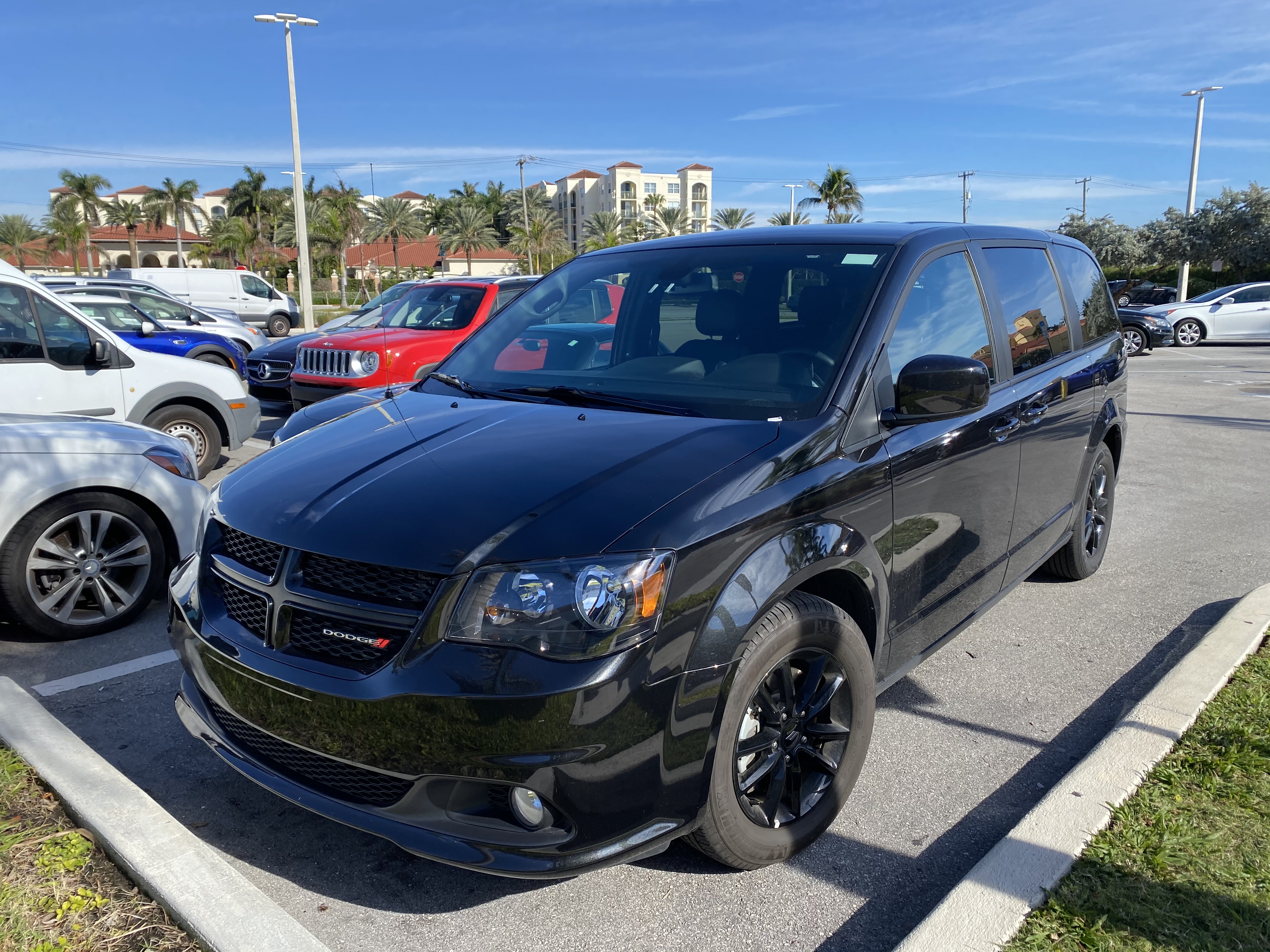
A 2008 luxury sedan, a 2012 minivan, and a 2018 compact SUV are all used cars, but they are nowhere close in safety. Safety progress has not been even across brands, vehicle types, or redesign cycles. Shopping by price alone can make buyers miss major differences that stay hidden until a crash happens.
 Christopher Ziemnowicz, CC BY-SA 4.0, Wikimedia Commons
Vehicle Size Still Matters In A Crash
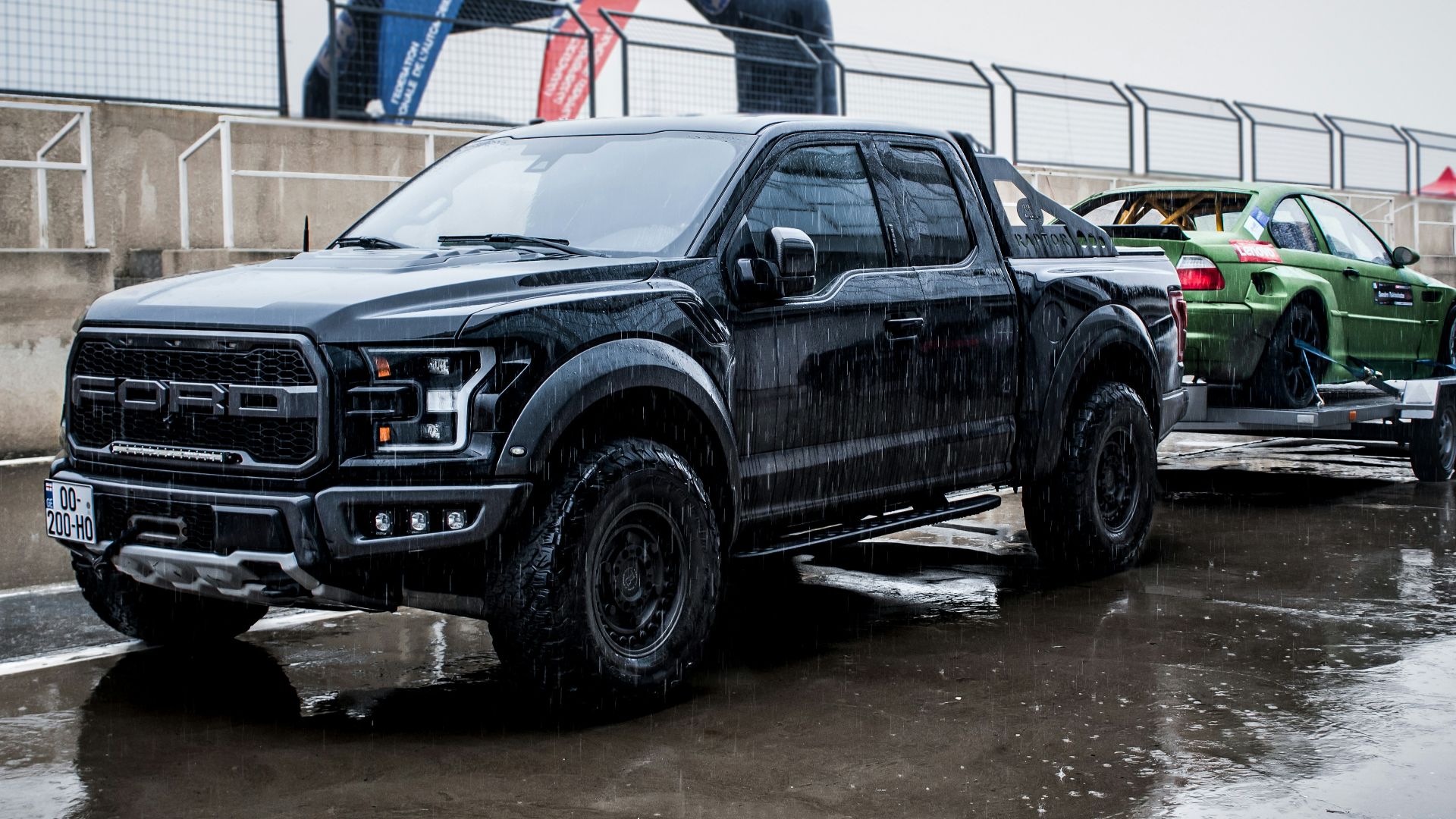
All else being equal, larger and heavier vehicles tend to protect occupants better in multi-vehicle crashes. IIHS and other researchers have long pointed to this general rule, though major weight gaps can increase the danger for people in the other vehicle. Size is not a replacement for good engineering, but it is still part of the real-world safety picture.
But Bigger Is Not Automatically Better
A newer, well-designed midsize or small SUV can be a better family choice than an old, poorly rated full-size SUV. Crash avoidance, structure, restraint systems, and vehicle compatibility all matter. In other words, buying the biggest thing in the budget is not the same as buying the safest thing in the budget.
Maintenance Can Narrow Or Widen The Gap
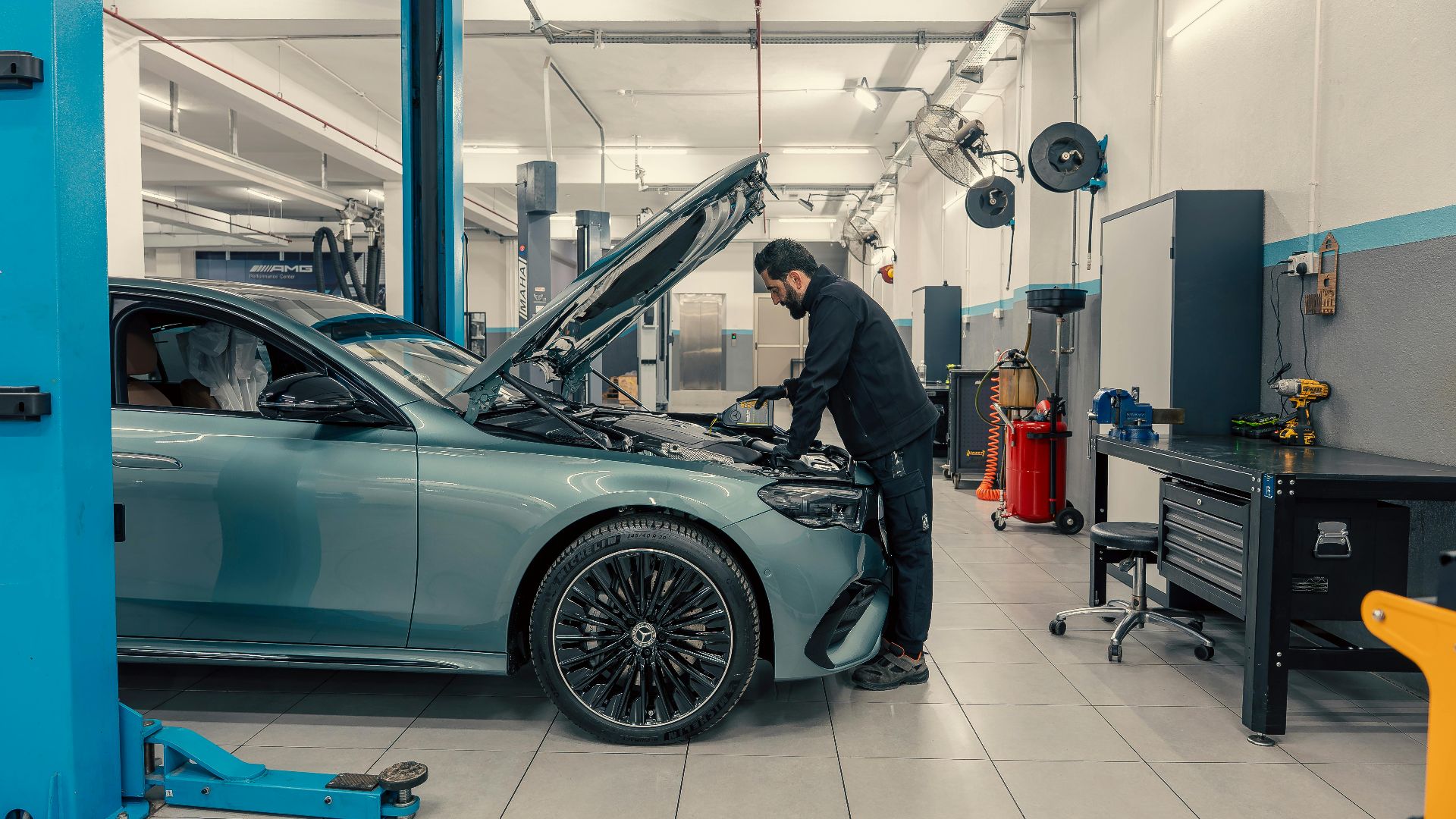
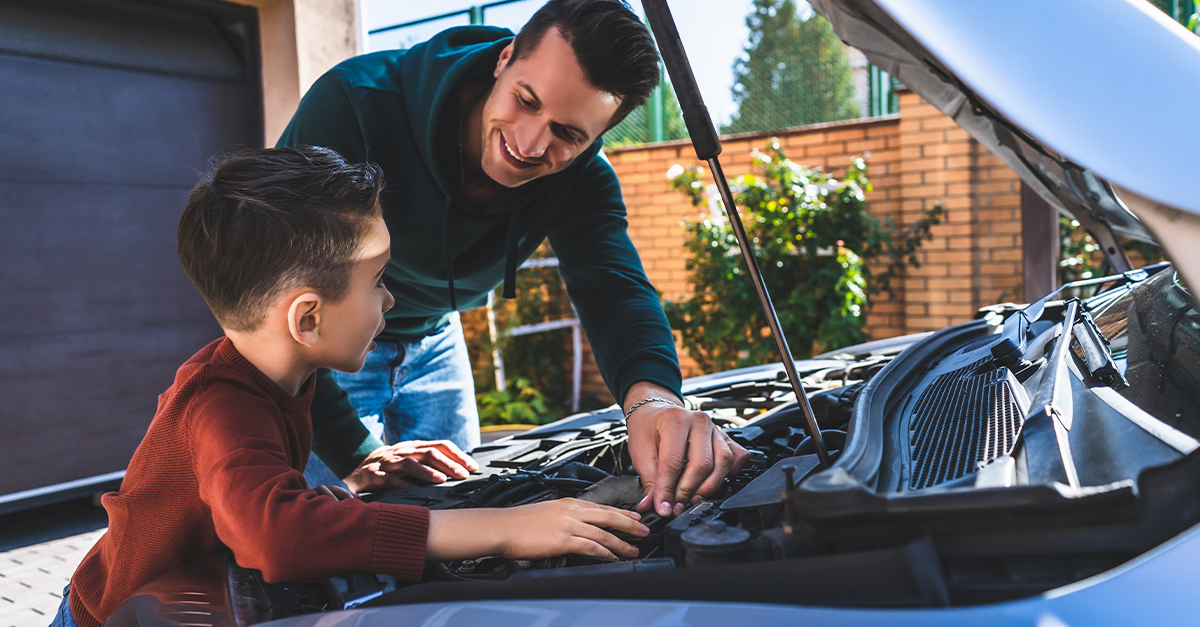
A newer vehicle with bald tires and worn brakes is not magically safe. A well-kept used vehicle with good tires, healthy brakes, and all recalls fixed can avoid trouble better than a neglected newer one. Some safety is built into the vehicle, but some of it depends on how the owner takes care of it.
 Esmihel Muhammed, PexelsRecalls Matter More Than Many Buyers Realize
Before buying any used vehicle, check for open recalls with NHTSA’s VIN lookup tool. An unrepaired recall involving airbags, seat belts, or brakes can wipe out any bargain. It is one of the easiest safety checks a buyer can do, and it costs nothing.

Tires Are The Most Overlooked Safety Upgrade
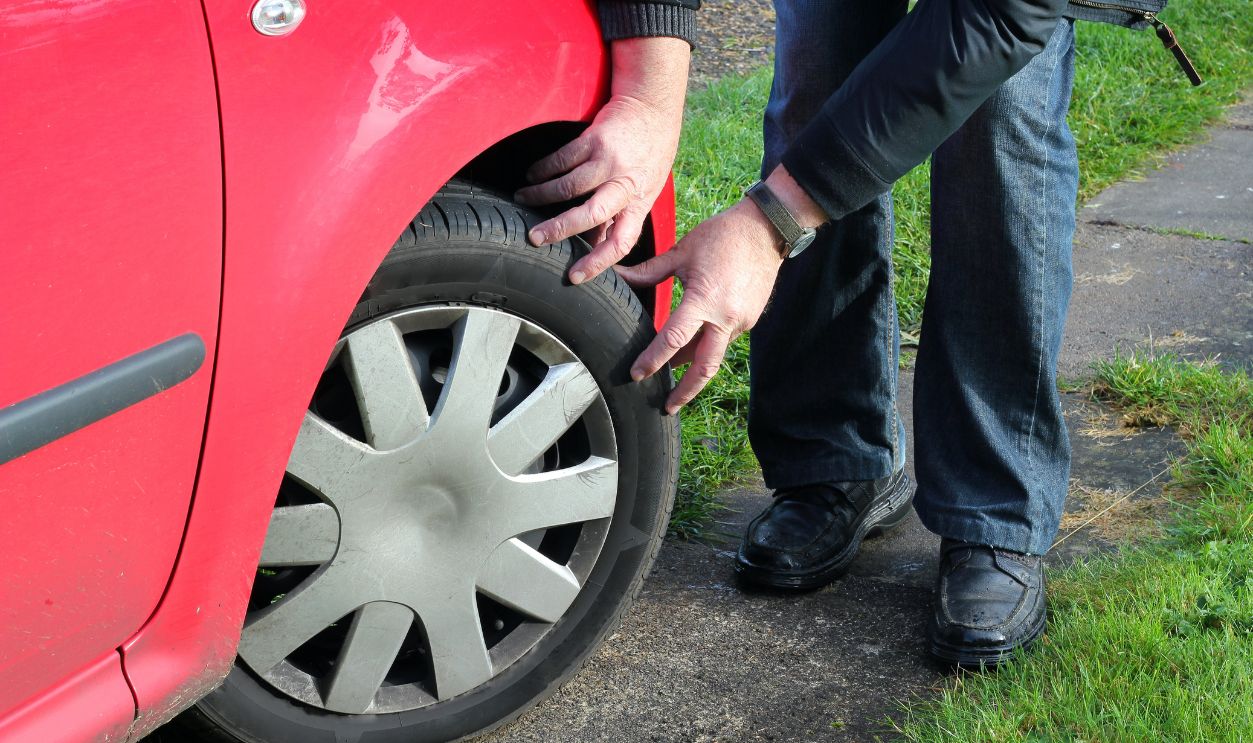
If there is one practical place to start, it is the tires. They affect braking, wet-road grip, and emergency handling more than most people think. Even the safest vehicle design cannot make up for cheap, worn, or underinflated tires in a panic stop.
So Is The Safety Gap Really That Big
Between a brand-new vehicle and a 15- to 20-year-old one, yes, the safety gap can be huge. You are often looking at major differences in structure, side airbags, ESC, and advanced crash-avoidance tech. Between a brand-new vehicle and a well-rated used one from the last five to eight years, the gap is often much smaller.

The Sweet Spot Is Usually Not Brand-New
For many families, the smartest answer is not a new vehicle but a carefully chosen late-model used one. Think roughly 2018 or newer if the budget allows, and focus on strong IIHS and NHTSA ratings along with standard AEB and ESC. That approach often gets you most of the modern safety gains without the steepest depreciation hit.

What To Look For In A Used Family Vehicle
Try to find a vehicle with electronic stability control, side curtain airbags, strong IIHS and NHTSA ratings, and automatic emergency braking if possible. Check the exact model year, trim, and build date because safety features can vary. Then verify recalls, inspect tire age and condition, and do not skip a pre-purchase inspection.
When Brand-New Really Does Make Sense
If your budget is strong, your family spends long hours on busy roads, or you want the widest set of driver-assistance features, buying new can absolutely make sense. The newest vehicles are more likely to include standard AEB, better headlights, and updated crash structures. For some households, that extra margin is worth the cost.
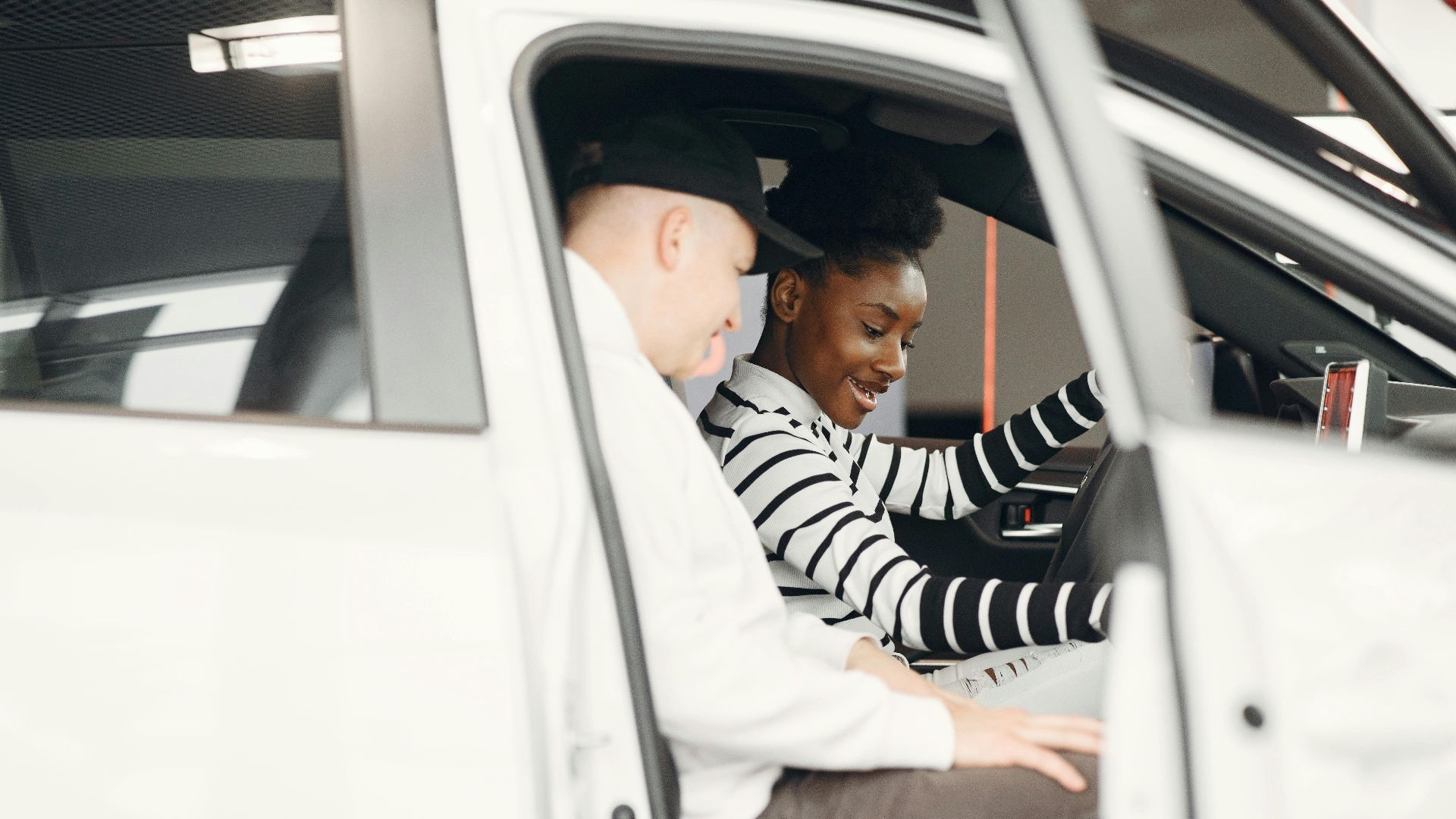
When Your Wife Is Right And When She Is Not
She is right that newer vehicles are generally safer, and the difference is real. But she is not automatically right that every family needs a brand-new vehicle to be safe. In many cases, a carefully researched late-model used vehicle delivers most of the real-world safety benefits at a much lower price.

The Bottom Line For Family Buyers
Do not frame this as new versus old. Frame it as well-protected versus outdated. If you avoid very old designs and shop carefully for a proven used model with modern safety features, you can make a responsible family choice without taking on a brand-new payment.



_GT_minivan_all_black_in_Florida_1of2.jpg)