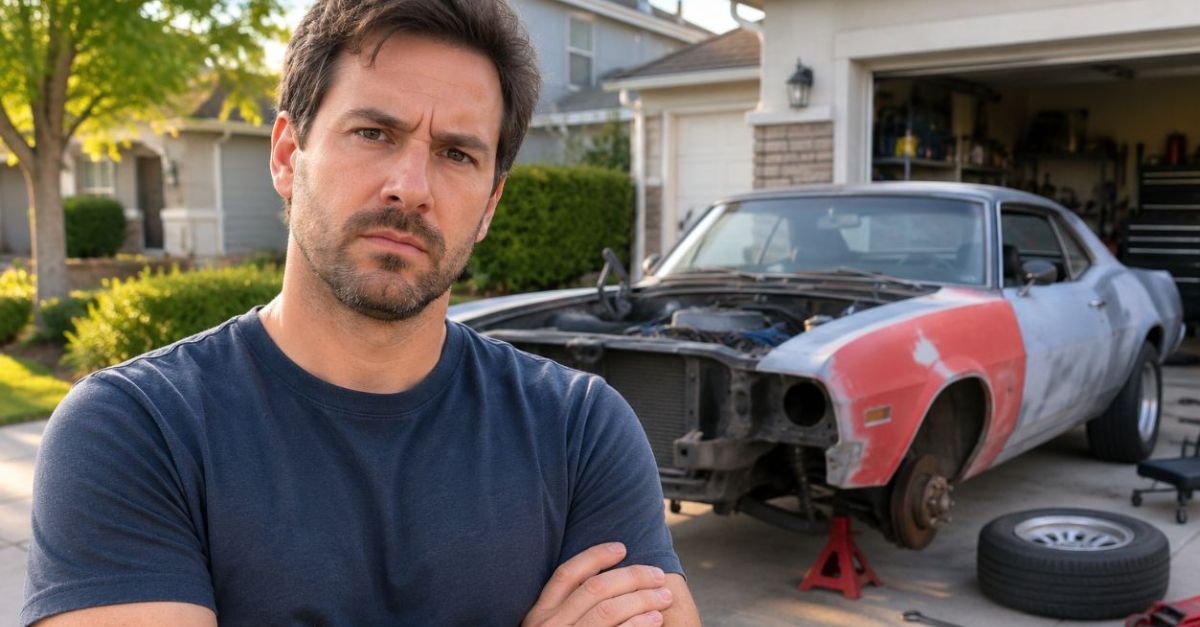
When A Project Car Becomes Public Enemy Number One
For many Americans, a car is a lot more than just transportation. You can rebuild an engine, track down impossible trim pieces, and spend every weekend bringing an old car back to life, only to get stopped by a letter from your HOA. For a lot of enthusiasts, the real battle is not rust or wiring. It's whether you can even work on it on your property.
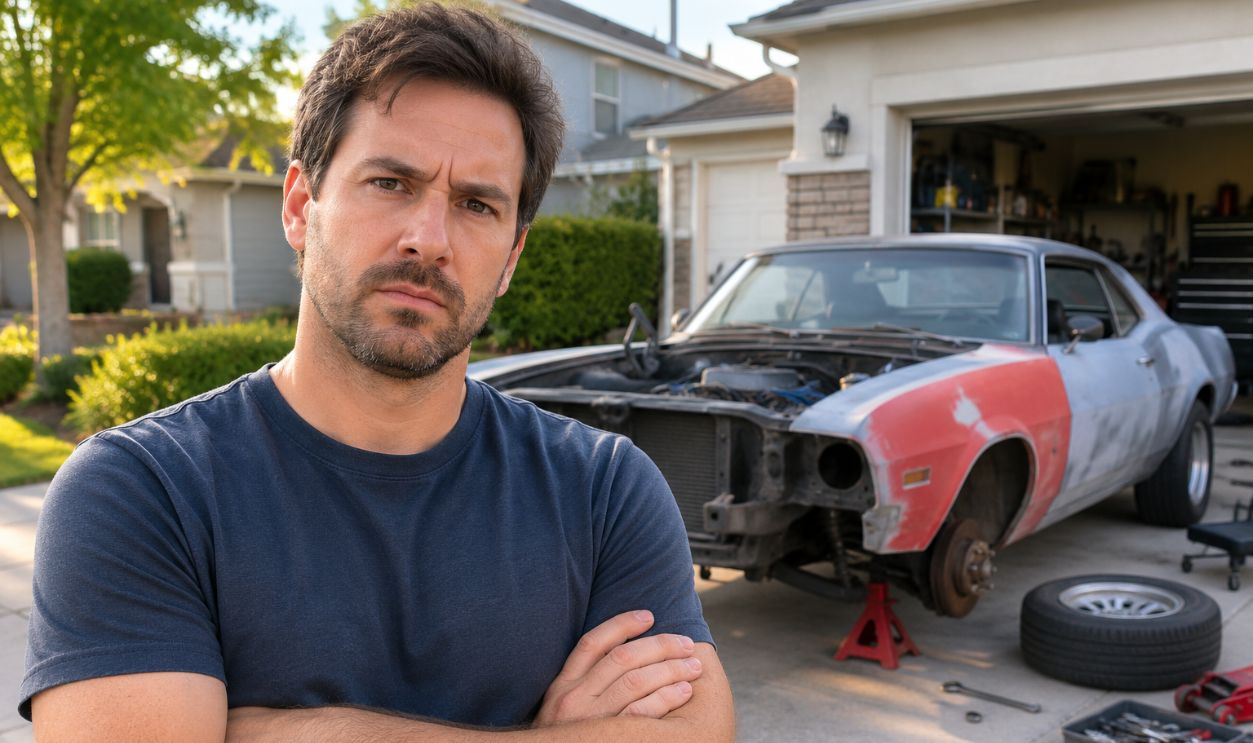
The Fight Usually Starts With One Word
That word is usually “inoperable.” Many HOA rules do not mention project cars directly, but they ban vehicles that are unregistered, dismantled, wrecked, junked, or unable to run under their own power. Once your car falls into one of those buckets, even for a little while, the driveway may be off-limits.

What HOAs Actually Enforce
Most homeowners associations rely on recorded covenants, conditions, and restrictions, usually called CC&Rs, along with board-adopted rules. The Community Associations Institute says associations exist to maintain common standards and property values. In real life, that often means rules about parking, vehicle storage, and visible repairs.

Why Your Driveway Is Not Always “Your Rules” Territory
This is the part that surprises a lot of owners. If you bought a home in an HOA community, you likely agreed to the recorded restrictions tied to the property. Those rules can control what is visible from the street, even on parts of the property that feel fully private.

The Legal Backbone Behind HOA Power
In many states, HOA authority is backed up by state law. For example, Texas Property Code Chapter 202 covers restrictive covenants and how they can be enforced in residential subdivisions. That means HOA rules are not just neighborly suggestions if they were properly adopted and match the governing documents.

Florida Shows How Detailed HOA Law Can Get
Florida Statutes Chapter 720 governs many homeowners associations in that state and spells out official records, meetings, fines, suspensions, and covenant enforcement. The law does not automatically give owners a pass for visible vehicle projects. Instead, it creates a framework that lets associations enforce the restrictions already in their documents.
 Oliver Echeverría, Wikimedia Commons
California Also Treats HOA Rules Seriously
In California, the Davis-Stirling Common Interest Development Act is the main reference point for HOA operations. The Davis-Stirling resource library explains that boards can adopt operating rules and enforce recorded use restrictions if they follow the required process. That matters because a driveway repair ban may be enforceable if it was adopted correctly and is reasonable under the governing documents.
 Sharon Hahn Darlin, Wikimedia Commons
Where Rules Start To Feel Ridiculous
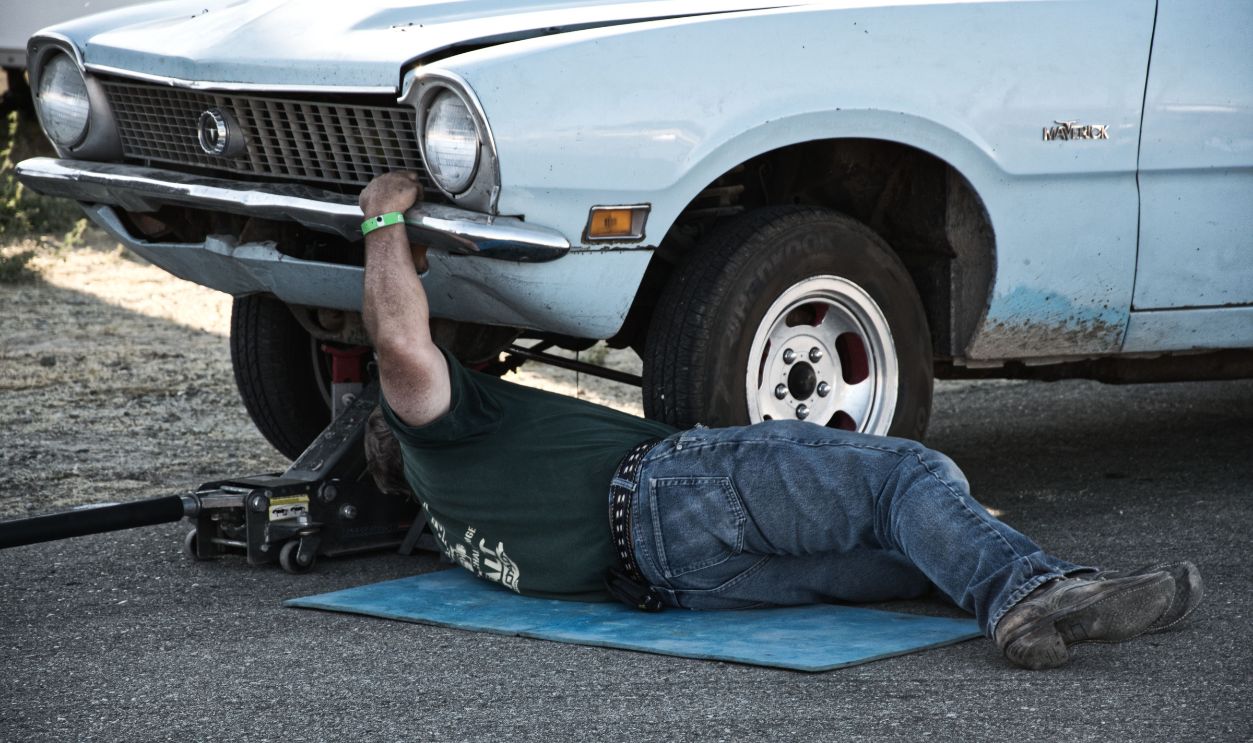
The frustration usually starts when a repair is short-term, clean, and harmless, but gets treated like abandoned junk. A car on jack stands for a weekend brake job does not feel like neighborhood blight to the owner. But some HOAs write rules so broadly that even basic maintenance in public view can trigger a violation.

The Language That Trips Owners Up
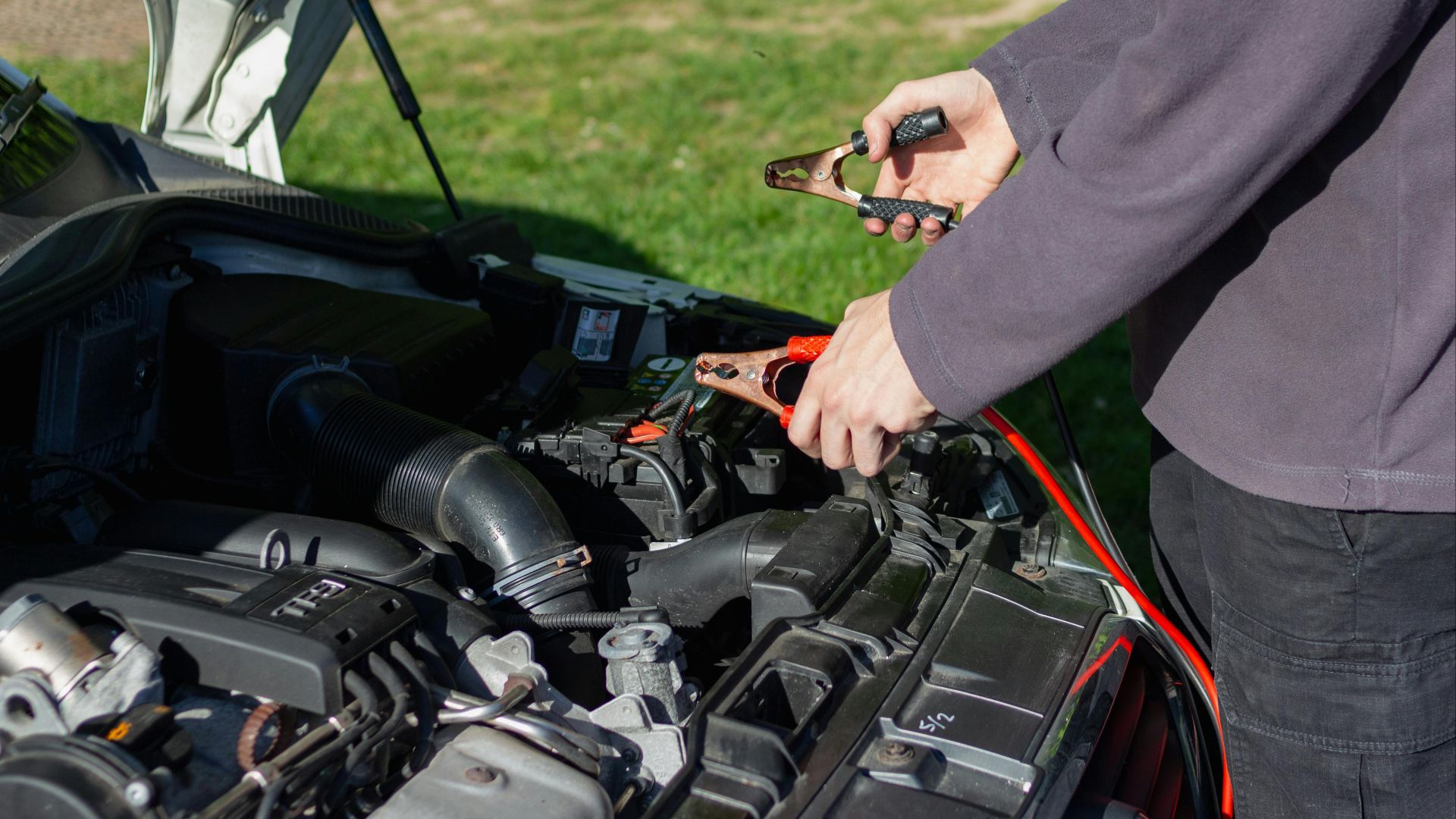
Common restrictions ban “major repair,” “vehicle restoration,” or “maintenance” outside a garage. Others ban any vehicle that is not in “good operating condition” from being visible from streets or neighboring lots. If your battery is out, the wheels are off, or the hood stays open too long, you may already be in violation.
 Daniel @ bestjumpstarterreview.com, Pexels
There Is A Difference Between Annoying And Unenforceable
A silly rule is not automatically an invalid one. Courts often look at the recorded covenants, the exact wording, whether the board followed the right process, and whether enforcement was selective or arbitrary. So the real question is not just whether a rule feels absurd, but whether it is supported by the documents and applied fairly.

Selective Enforcement Is Where Things Get Interesting
If your HOA ignores one neighbor’s boat, another neighbor’s non-running truck, and then suddenly comes after your project Mustang, that may matter. Uneven enforcement can become a real issue in HOA disputes. The details vary by state, but consistency is a big part of whether enforcement holds up.

Documentation Can Save A Car Owner’s Bacon
If your project is temporarily disabled, keep records showing the car is registered if required, insured if needed, and actively being repaired instead of stored forever. Save dated photos, parts receipts, and communication with the board. Those details can help show the vehicle is not abandoned or junked, even if the HOA still does not like looking at it.

Short-Term Repairs Are The Gray Area
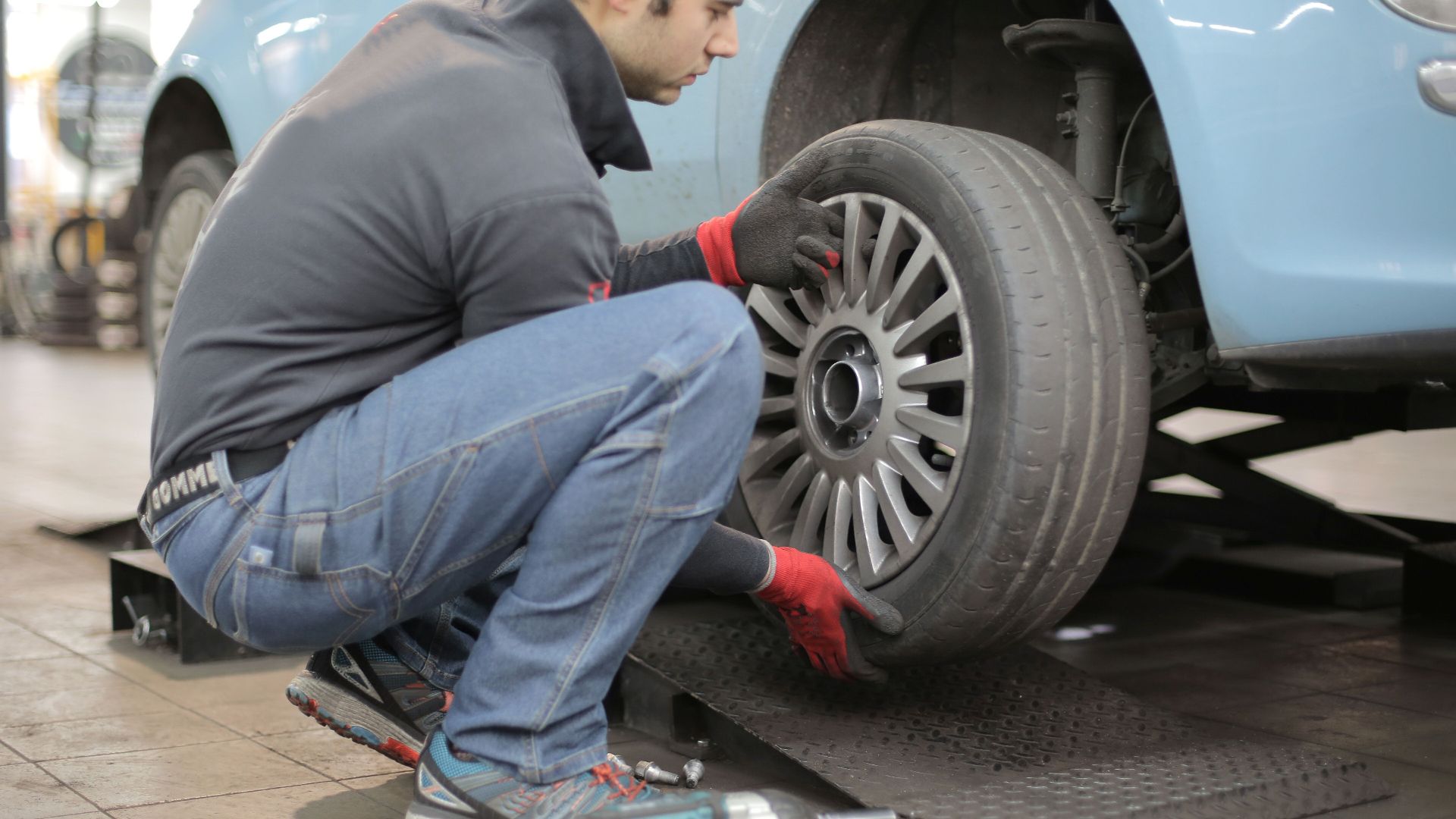
This is where many driveway fights happen. Some communities tolerate quick jobs like swapping a battery or changing a tire, while others ban any visible repair work at all. If the wording is vague, that gray area can turn into an argument over what counts as storage versus active repair.
Boards Usually Defend These Rules The Same Way
They usually point to looks, safety, fluid leaks, scattered parts, and protecting property values. The Community Associations Institute notes that associations are designed to manage shared expectations and appearance standards. Whether that sounds practical or overbearing depends a lot on whether you are holding a torque wrench or writing violation notices.

Project Cars Collide With Modern HOA Culture
There was a time when driveway wrenching was a normal suburban weekend scene. In many HOA neighborhoods now, visible mechanical work is treated more like visual clutter than a hobby. That shift is a big reason car people and HOA boards often talk past each other.
Read The CC&Rs Before You Start Arguing
The first step is boring, but it matters most. Pull the declaration, CC&Rs, bylaws, and any parking or architectural rules currently in effect. The exact wording matters because “no inoperable vehicles” is not the same thing as “no repairs in the driveway,” and one may be easier to challenge than the other.

Check Whether The Rule Was Properly Adopted
Not every restriction carries the same legal weight. Recorded covenants are usually stronger than informal policy memos or a line in a newsletter. Resources on the Davis-Stirling site explain that operating rules generally must be adopted through a required notice process, which can matter if a board tries to create a new ban on the fly.

Due Process Matters More Than Many Owners Realize
HOAs usually cannot jump straight to punishment without following procedure. Florida’s HOA law, for example, includes requirements tied to fines and suspensions, including notice and a chance for a hearing before an independent committee in many cases. If your board skipped required steps, that can matter just as much as the underlying car rule.

Ridiculous Often Begins With No Room For Common Sense
A rule starts looking truly ridiculous when it treats a one-day clutch job the same way it treats a stripped shell sitting for a year. Good governance leaves room for context. Bad governance treats every socket set like a neighborhood emergency.
 Fine Automotive Detailing, Unsplash
Ask For A Temporary Exception Before The Conflict Explodes
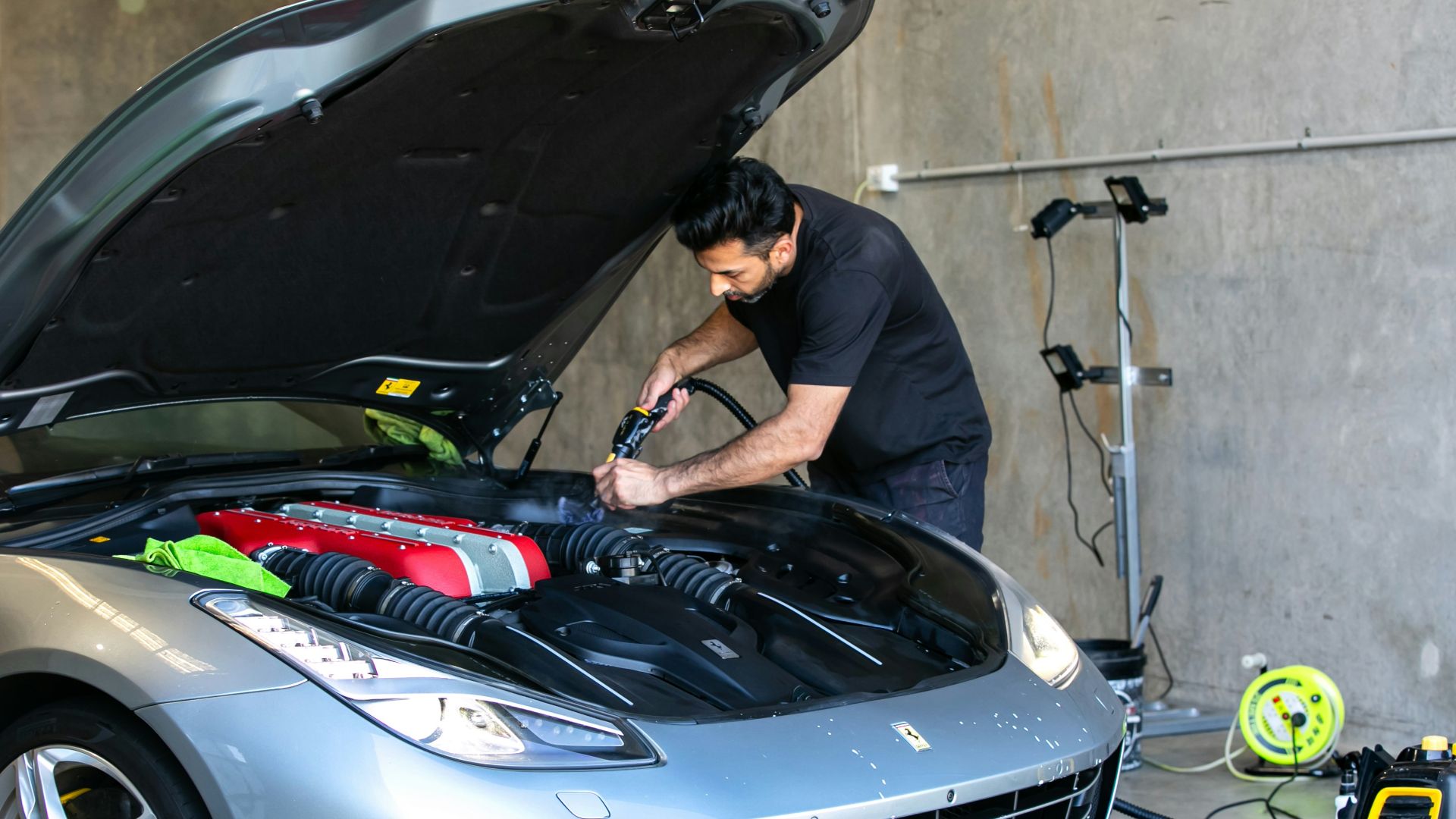
If you know a repair will leave the car immobile for a few days, ask the board or management company in writing for a short exception. Be clear about the dates, where parts will be stored, and how the area will be kept clean. Sometimes a proactive request works better than arguing after the violation letter shows up.

Offer Practical Compromises
You may be able to use a fitted car cover, move the vehicle behind a fence if that is allowed, limit work to daylight hours, or arrange off-site storage during the longest phase of repairs. None of that is as fun as using your own driveway freely, but it can keep the peace. More important, it shows you are trying to solve the problem instead of escalate it.
When You Should Push Back
If the car is operable, legally parked, and the HOA is stretching vague language far beyond what the documents say, pushing back may make sense. The same goes for selective enforcement or procedural mistakes. A polite written response that cites the governing documents is usually a much smarter first move than an angry email.

When The HOA Probably Has The Better Case
If the CC&Rs clearly ban visible repairs, if the vehicle is unregistered or disassembled, or if the community has a long-standing rule that is enforced evenly, your odds get worse fast. That does not make the rule less annoying. It just means the practical answer may be to move the project indoors or off-site.

State Law Can Shape The Outcome
HOA disputes are extremely local. Texas, Florida, and California all provide legal frameworks for associations, but none of those laws guarantees a right to restore a car in the driveway. They mostly decide how associations operate, what process they must follow, and how owners can challenge enforcement.

The Real Breaking Point
So when do HOA rules become ridiculous? For most drivers, it is when the rule stops targeting real nuisance conditions and starts punishing normal ownership, short-term repairs, and harmless hobby work. That is the line between protecting a neighborhood and micromanaging it.
 Karolina Grabowska www.kaboompics.com, Pexels
The Best Advice For Car People Shopping For A Home
If you own a project car or know you want one, treat HOA documents like a pre-purchase inspection. Search for terms like vehicle, inoperable, repair, maintenance, parking, garage, and nuisance before you buy. A beautiful driveway does not mean much if you are not allowed to use it for the thing you actually enjoy doing.

The Bottom Line For Your Driveway Build
An HOA rule does not become ridiculous just because it is inconvenient. It becomes ridiculous when it is too broad, too rigid, selectively enforced, or disconnected from any real harm. If your board is treating a temporary repair like a public crisis, you may not just be annoyed. You may have a fair reason to challenge it.