The Clock on a Trade-In Offer Can Feel Harsh
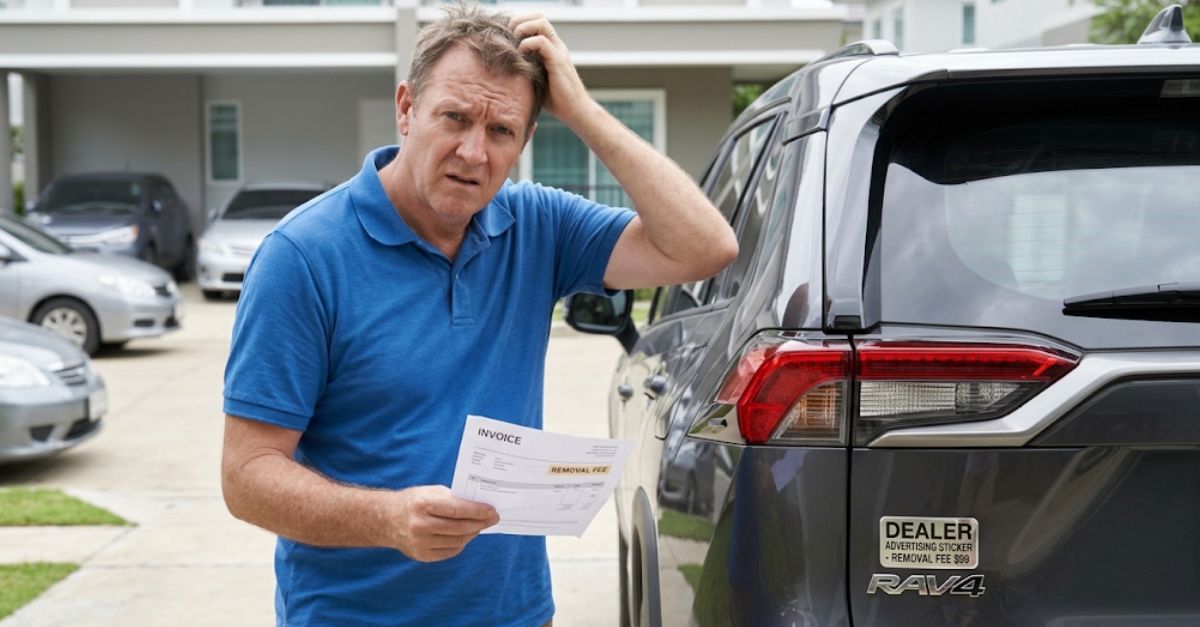
If a dealer says your trade-in value expires today, it sounds like they're just trying to put you in the hot seat. Sometimes they are. But the trade-in value really do change fast, because used-car values move all the time and the dealer is pricing your car against a live market, not a fixed chart.

A Car Usually Does Not Lose Thousands at Midnight
In normal conditions, your car does not suddenly become worth thousands less just because the date changes. What usually expires is the dealer’s offer, which is based on current auction data, retail demand, incentives on the new car, and the store’s inventory needs. Big overnight swings usually happen because the market around the car changed, not because the car itself got older in one day.

Why Dealers Put Expiration Dates on Appraisals
Dealers usually put time limits on appraisals because they are taking a risk. If they promise too much and wholesale prices drop before they resell your trade, they take the hit. Kelley Blue Book says trade-in values can change often based on market conditions, mileage, condition, and local demand, which is why an offer may only last a short time.

The Market Behind Your Trade Moves Every Week
One of the clearest ways to see that is in wholesale data. Cox Automotive’s Manheim Used Vehicle Value Index tracks wholesale used-car prices over time, and it has shown big swings since 2020. When auction values move, dealerships often change trade offers quickly because that is the market many trades are judged against.
There Have Been Times When Values Swung Hard
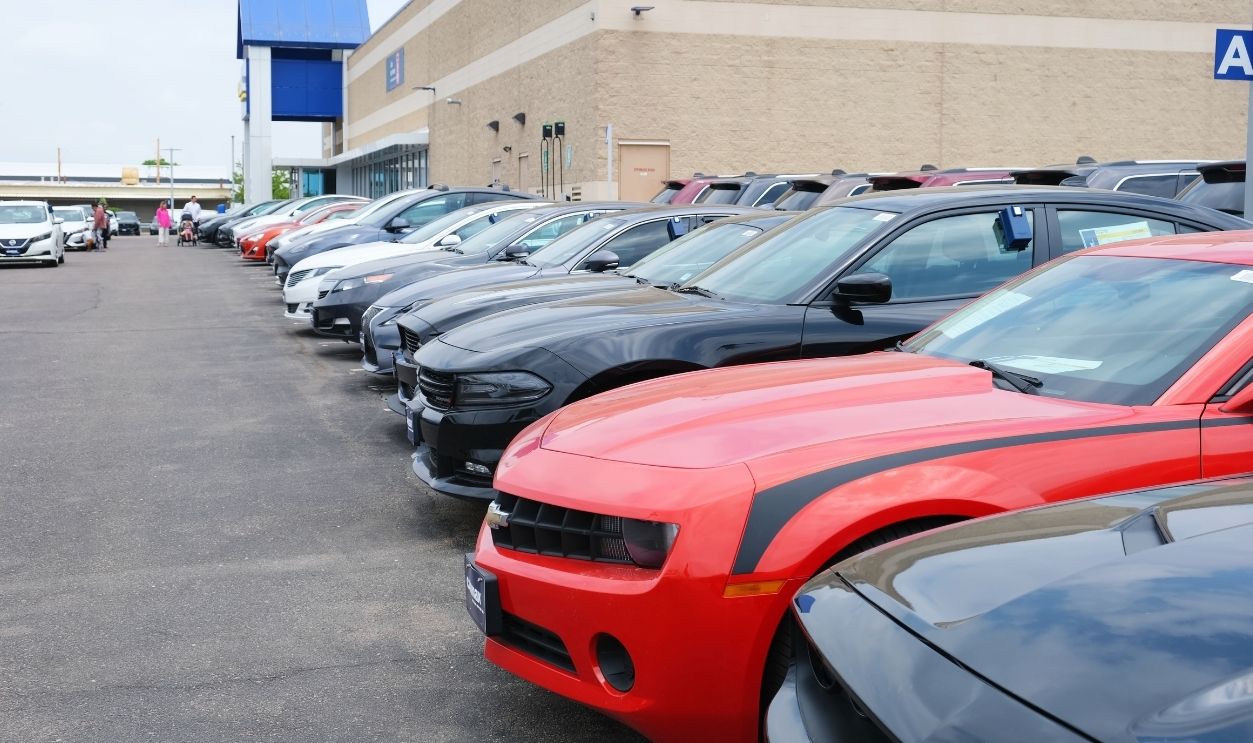
The clearest example came during the pandemic-era supply crunch. Cox Automotive reported that the Manheim Used Vehicle Value Index hit a record high of 236.3 in January 2022, showing how inflated wholesale prices became. Later, as supply improved and demand cooled, used values fell back. That showed just how fast the market can shift over a short period.

What Happened in 2021 and 2022 Changed Expectations
In those years, many drivers saw used cars gain or lose value much faster than anyone was used to. Limited new-car inventory, supply chain problems, and strong buyer demand pushed used prices up. That unusual stretch taught both shoppers and dealers to take short-term market swings more seriously than before.
Rapid Drops Usually Follow Real Market Events
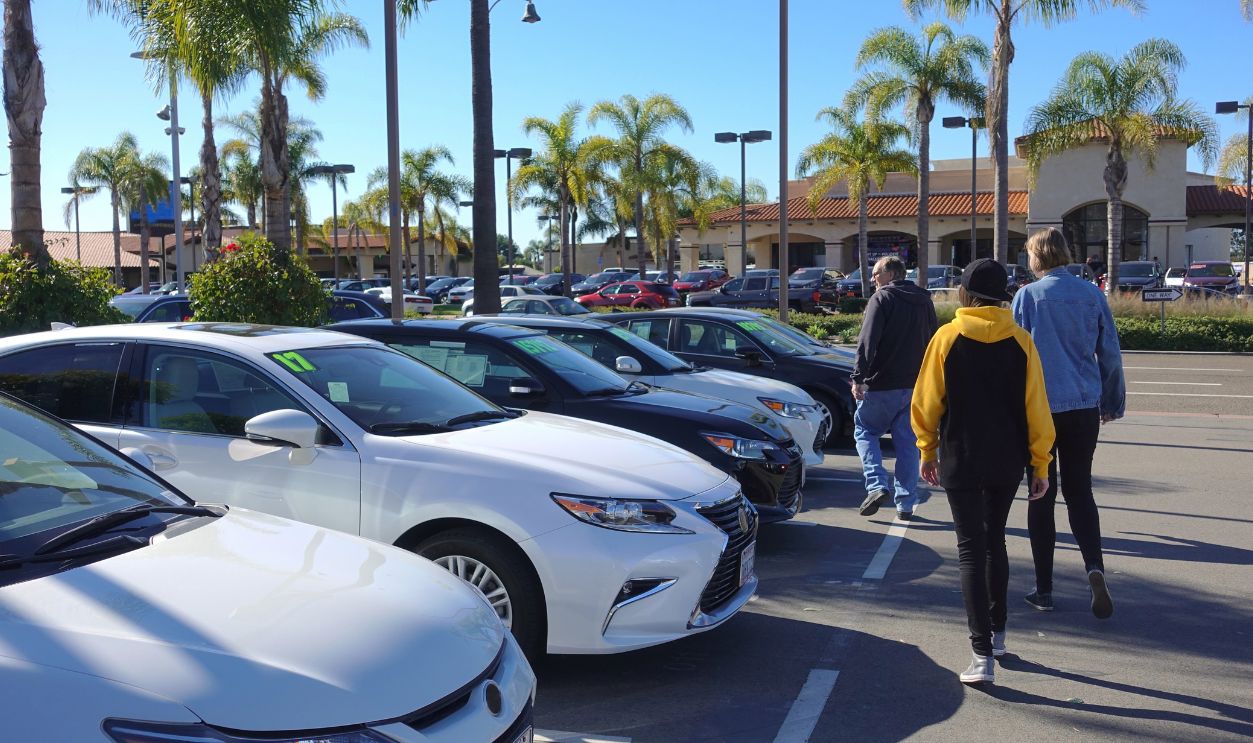
If a dealer says your trade could be worth less tomorrow, ask what is changing. Sometimes the answer is simple, like a factory incentive ending on the new car you want, a weaker auction trend, or too many similar used vehicles showing up on local lots. Those are real reasons, and they matter more than vague talk about a one-day-only deal.
 f.t.Photographer, Shutterstock
Your Trade Offer Is Not Just About Your Car
This is one of the biggest things shoppers miss. A trade number reflects your car’s condition, but it also reflects what the dealer thinks it can sell that car for, how long it may sit, and what it will cost to get it ready for sale. If the lot is already packed with similar SUVs or trucks, your offer can come in lower even if your vehicle is clean and well cared for.
 Zoriana Zaitseva, Shutterstock
Wholesale Prices Are the Real Gravity
Most dealers base trade appraisals on wholesale values, even if they hope to sell the car at retail. J.D. Power’s used-vehicle market updates have repeatedly shown that wholesale auction prices can move week to week, while retail prices often react more slowly. That gap is one reason shoppers can feel blindsided when a dealer changes a trade number before online listing prices seem to move.

Online Estimates Can Expire Quickly Too
CarMax, Carvana, and Kelley Blue Book cash-offer programs all put time limits on offers. That is not random. It reflects the same problem traditional dealers face: used-car pricing depends on a changing market, and the vehicle still has to match the condition and mileage that were originally reported.

Yes, Incentives Can Make the Trade Feel Better or Worse
Sometimes the “trade value” changes because the whole deal changed, not because the used car changed. Automakers regularly set end dates for rebates, special financing, or lease programs, often at month-end or on a published deadline. If an incentive expires, the dealer may have less room to over-allow on your trade to make the numbers work.

Mileage Can Matter More Than One Day on the Calendar
If your offer is tied to a mileage limit, extra driving can lower the number. That is especially true if you cross a threshold that changes the valuation, such as moving into a higher mileage bracket. A dealer may also want to inspect for new damage if you come back days later expecting the same quote.
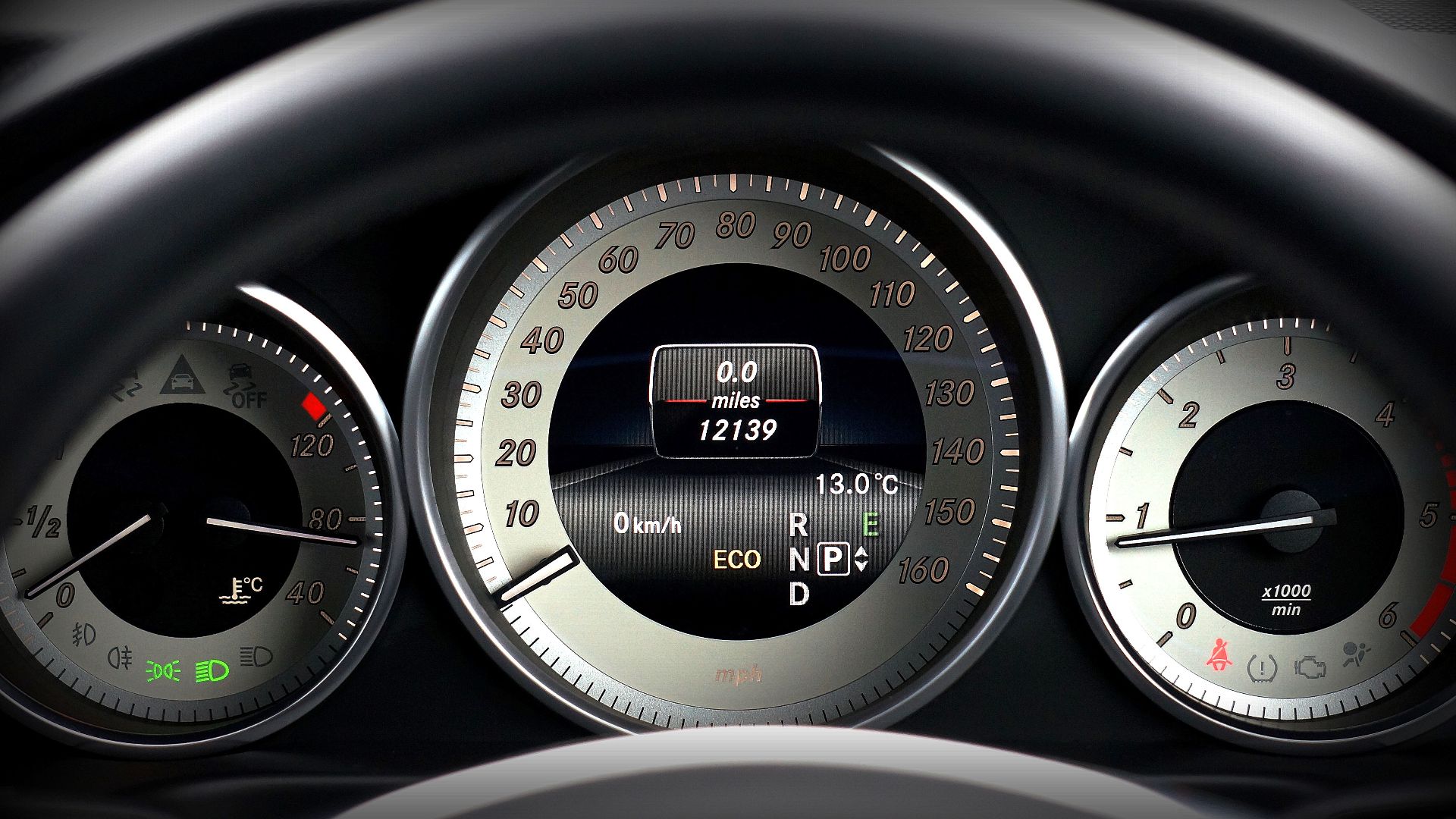
Condition Changes Can Kill an Offer Fast
A cracked windshield, curb rash, worn tires, or a check-engine light can wipe out hundreds or even thousands of dollars. Dealers build reconditioning costs into trade appraisals very quickly. If the offer expires and the vehicle comes back in worse shape, the lower number may be completely fair.

The New-Car Side of the Deal Can Distort Everything
A dealership does not always separate trade value from discount and financing terms in a clean way. Consumer advice from the Federal Trade Commission has long stressed negotiating the vehicle price, trade-in value, and financing separately. That makes it easier to tell whether an expiring trade offer reflects the market or just the way the deal is being packaged.

Some Expiring Offers Are Absolutely Sales Pressure
Dealers know urgency works. A one-day deadline can be used to stop you from comparison shopping, getting another appraisal, or simply thinking it over, even when the market is stable enough that a huge overnight drop is unlikely.

How to Tell the Difference Between Reality and Pressure
Ask specific questions. Is the deadline tied to a published factory incentive, a written appraisal policy, a mileage cap, or a known change in wholesale values? A real explanation is usually concrete and easy to explain. A weak one tends to sound vague and dramatic.

Ask for the Offer in Writing
A written appraisal is one of your best tools. It should list the vehicle details, mileage, date, and any conditions attached to the offer. If the dealer will not put the number in writing, be careful about the urgency.

Get More Than One Bid Before You Panic
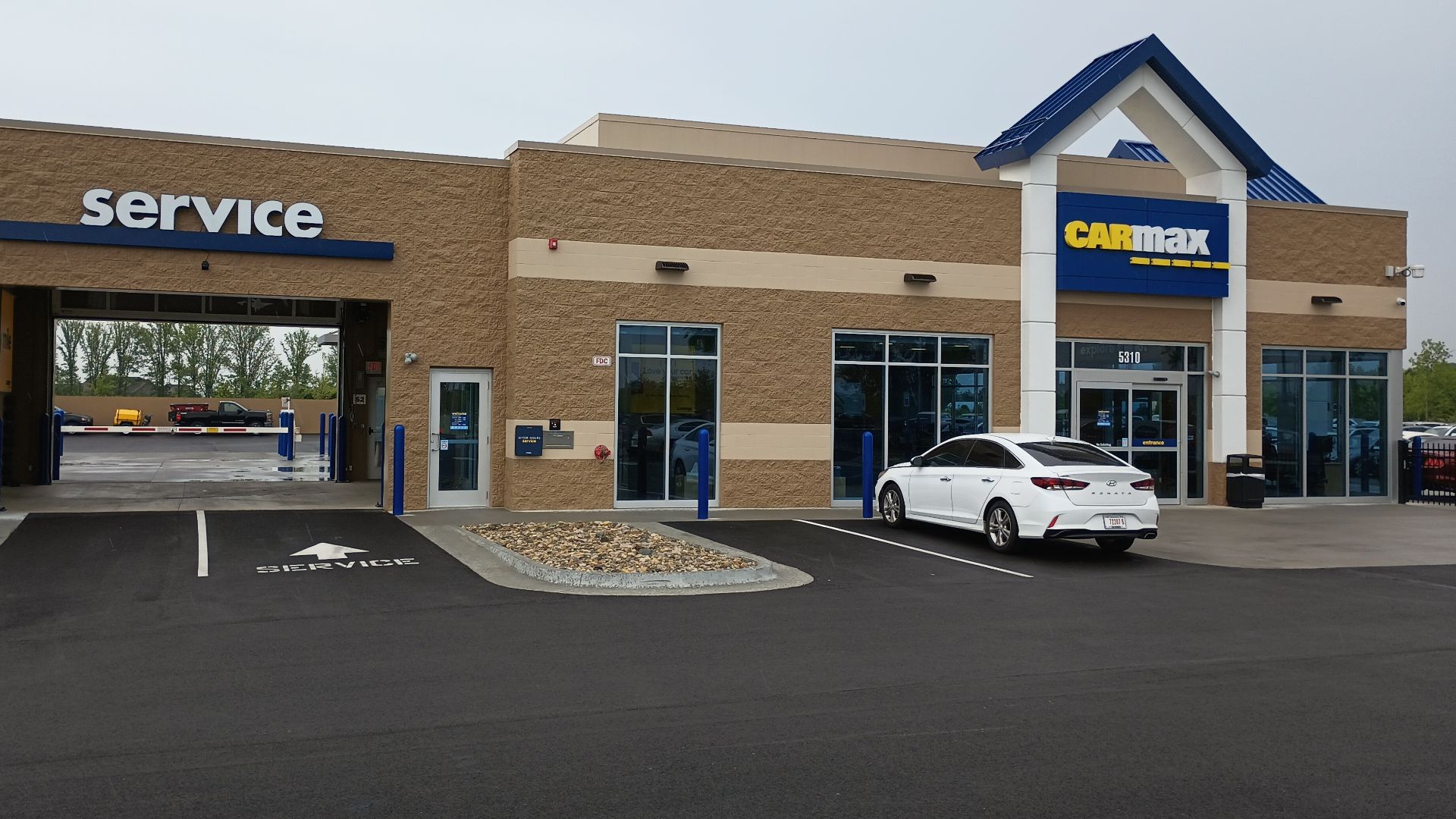
This is the easiest reality check. Get quotes from at least one franchise dealer, one used-car superstore like CarMax, and one online buyer if one operates in your area. If one offer disappears tomorrow but the others stay close, you will know the market probably did not collapse overnight.
 deathpallie325, Wikimedia Commons
Instant-Buying Platforms Help Expose the Truth
Online buyers made this easier because they show their offer windows upfront. If CarMax gives you seven days and a local dealer says the car will be worth thousands less tomorrow with no solid reason, that tells you something. It does not automatically mean the dealer is wrong, but it does mean you should double-check before signing.

Taxes Can Make a Lower Trade Offer Still Competitive
In many states, trading in a vehicle lowers the taxable amount on the next car purchase. That tax credit can make a dealer’s trade offer effectively worth more than a private-party sale or a direct-buy offer from another company. So compare the whole transaction, not just the trade number by itself.
Seasonality Can Change Values Faster Than Many Drivers Expect
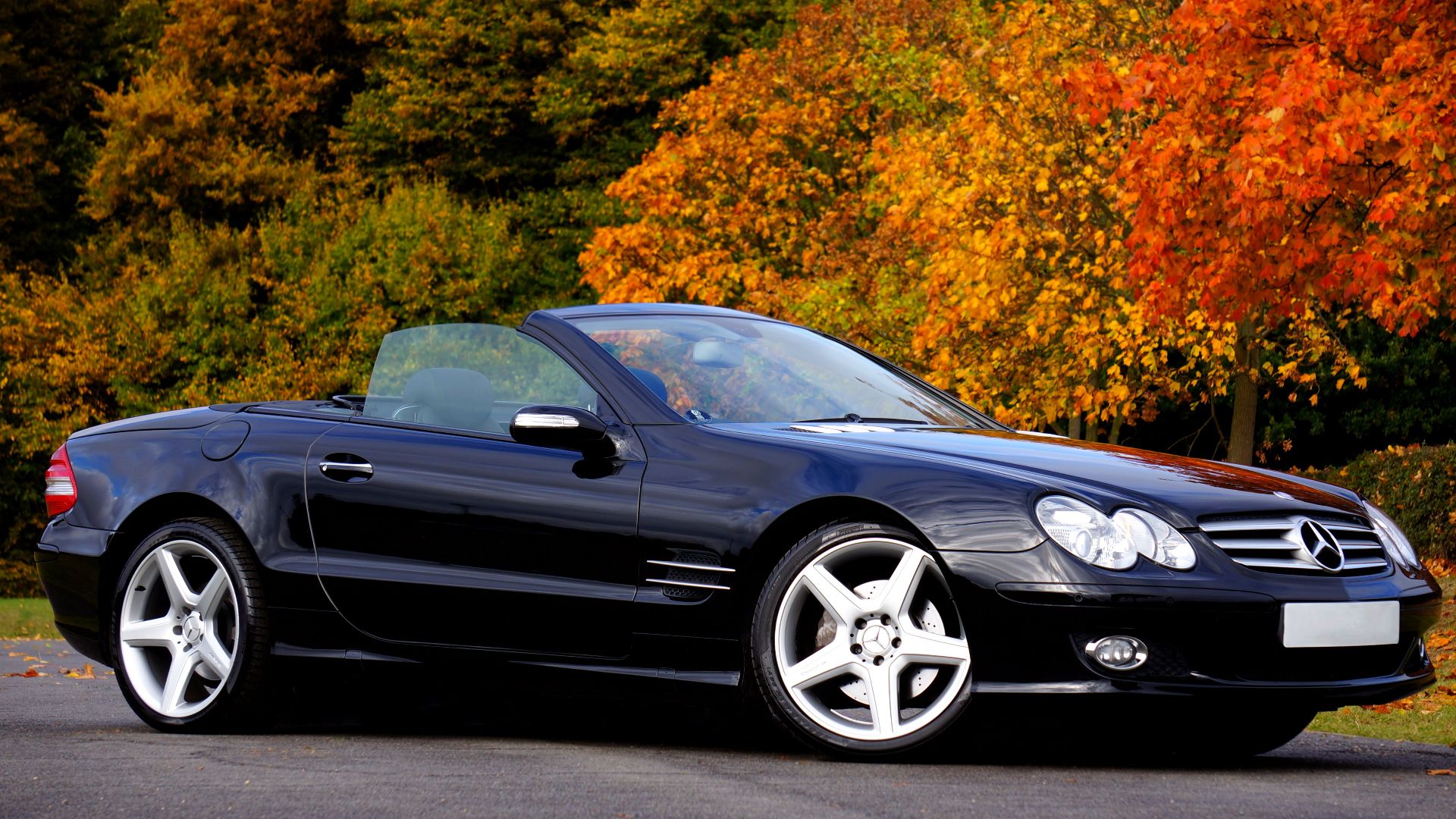
Some vehicles rise and fall with the calendar. Convertibles often do better in spring, while four-wheel-drive SUVs and trucks may get stronger heading into colder months in some regions. If the store expects demand to soften soon, the offer may tighten even if your car has not changed at all.
Recalls and Reputation Shifts Can Hit Suddenly
Sometimes values drop because new information hits the market. A major recall, a reliability scandal, or bad publicity around a certain model can hurt demand. Those changes are less common than normal pricing moves, but they are one of the few ways a car can seem to lose serious money very quickly.
Floods, Hail, and Local Supply Gluts Can Move Prices Too
Local conditions matter more than many people think. A spike in lease returns, rental-fleet selloffs, or storm-related inventory changes can flood a region with similar vehicles. When supply jumps, trade offers can soften fast because dealers know buyers will have more choices.

Dealers Also Worry About Floorplan and Lot Space
A trade is not just a purchase. It is inventory that needs space, money, and time. If a dealership is overloaded or paying more to carry inventory, it may lower appraisals simply because taking on another used car has become less appealing.
 David Martin , Wikimedia Commons
What a Fair Expiration Window Usually Looks Like
A same-day offer is not automatically unreasonable, but many legitimate offers last several days, often around seven. CarMax publicly advertises a seven-day offer window, while other services use similar or slightly different timeframes. Very short windows deserve a closer look, especially when the dealer cannot point to a clear reason.

The Best Response Is Calm, Not Fear
If you hear “this expires today,” do not assume the number is fake, and do not assume it is set in stone either. Slow the process down enough to separate the trade value from incentives, financing, and tax effects. Then compare written bids and ask what exactly changes tomorrow.

So Can a Car Really Lose Thousands Overnight?
Usually, no. In normal day-to-day conditions, a single car rarely loses thousands just because the sun went down. But a dealer’s offer can change sharply overnight if the broader market, incentives, inventory situation, mileage, or condition changed. And the huge used-car swings documented by Cox Automotive in 2021 and 2022 show that fast resets are possible under the right conditions.
The Bottom Line for Drivers
Treat an expiring trade number as a signal to verify, not an order to cave. The smart move is to get competing offers, understand the dates behind any rebates or appraisal terms, and focus on the total deal. That way, whether the deadline is real or just sales theater, you stay in control.