Why This Question Matters More Than It Looks
The choice between wrapping a car and just repainting it isn't just about what is cheaper right now. A wrap will always seem like the cheaper move at first, but the long-term cost depends on how long you keep the car and how well you take care of it—even if that probably isn't the first thing your teenager is going to think about!
What a Car Wrap Actually Is
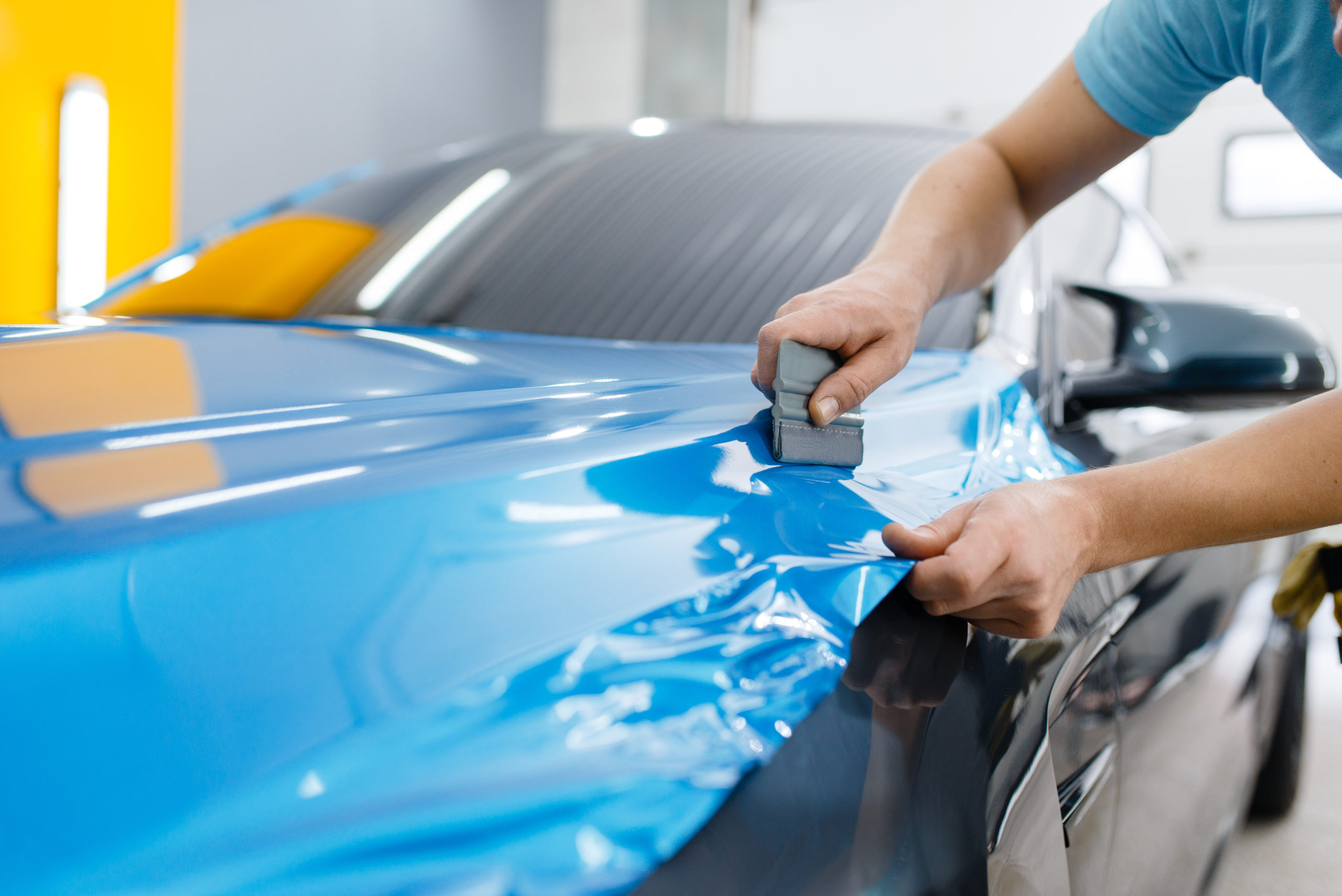
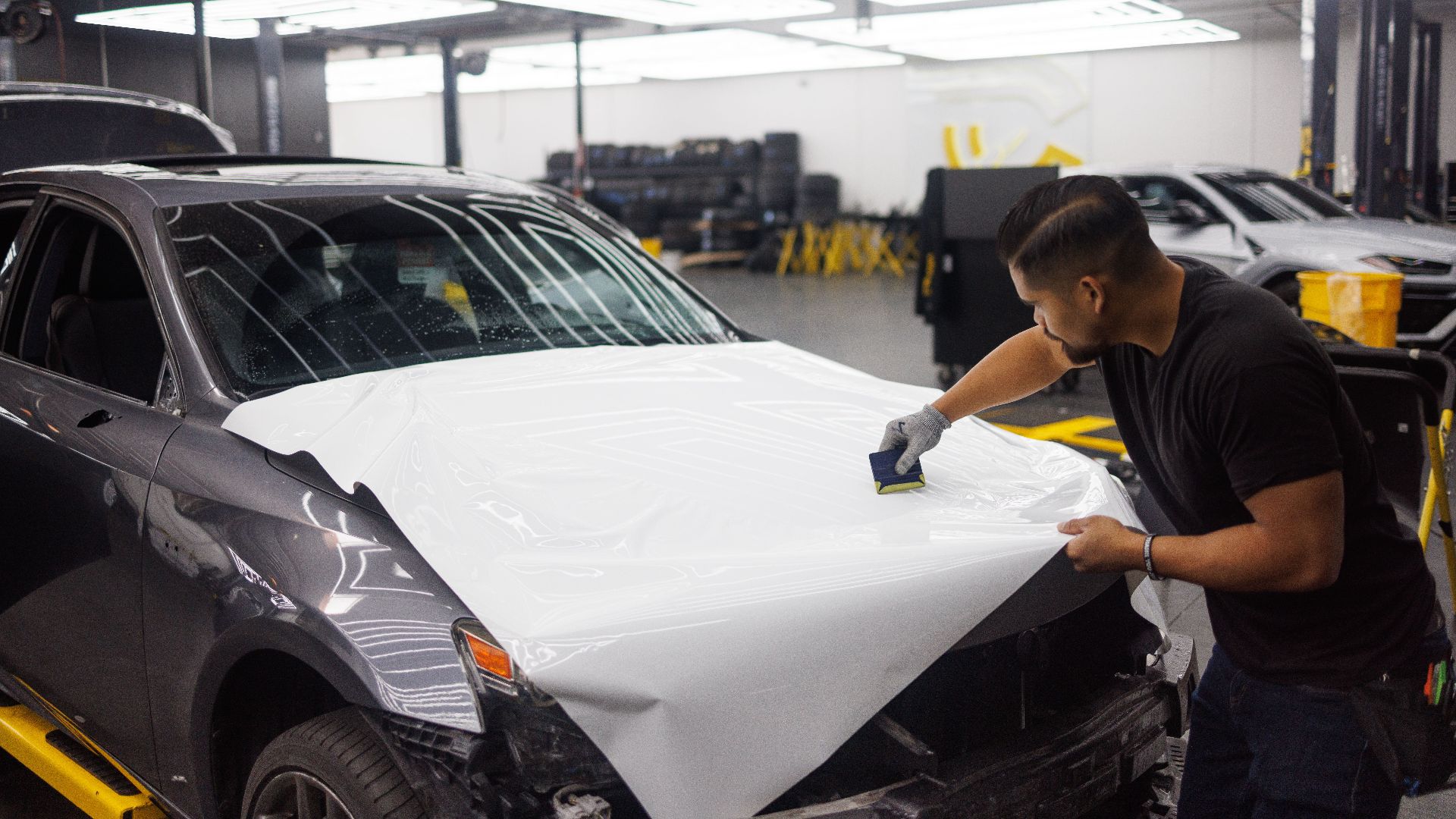
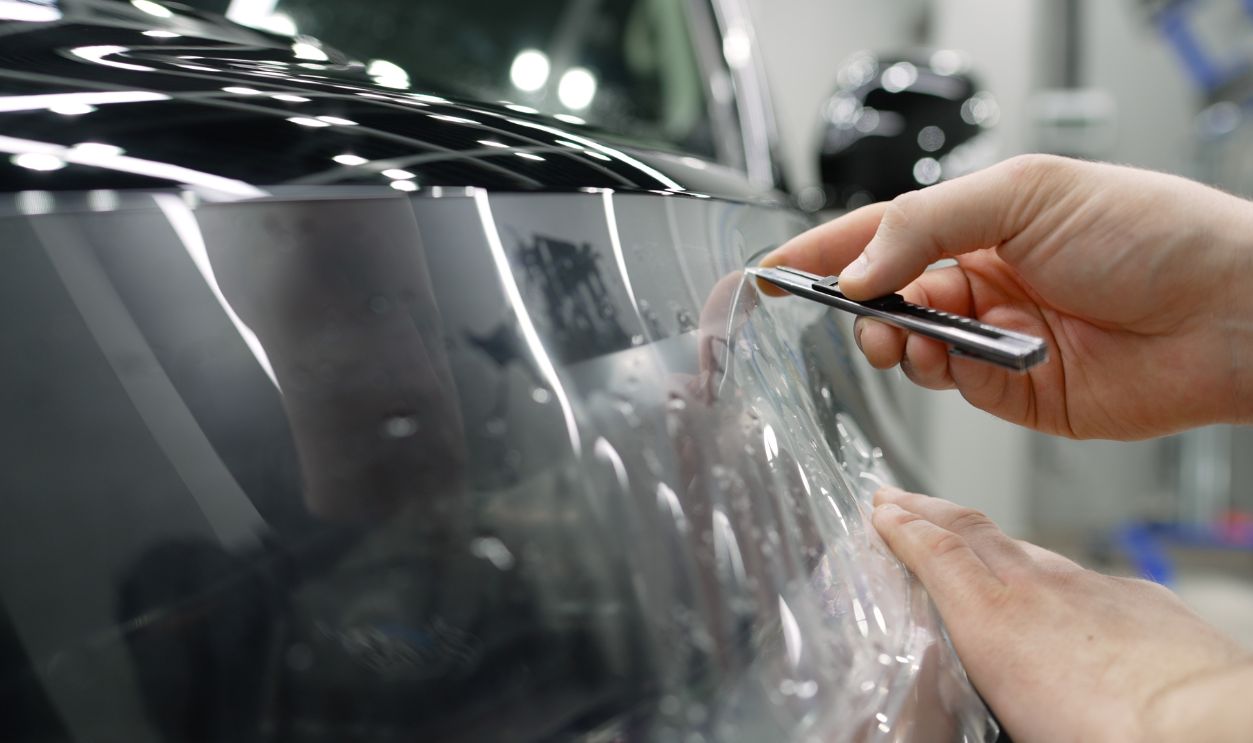
A car wrap is a large vinyl film applied over the car’s painted surfaces. Modern wrap films are usually made from polyvinyl chloride, or PVC, and are designed to stretch over curves, trim, and body panels. Companies like 3M and Avery Dennison helped build the modern wrap market with films made specifically for cars.
Where Modern Vehicle Wraps Came From
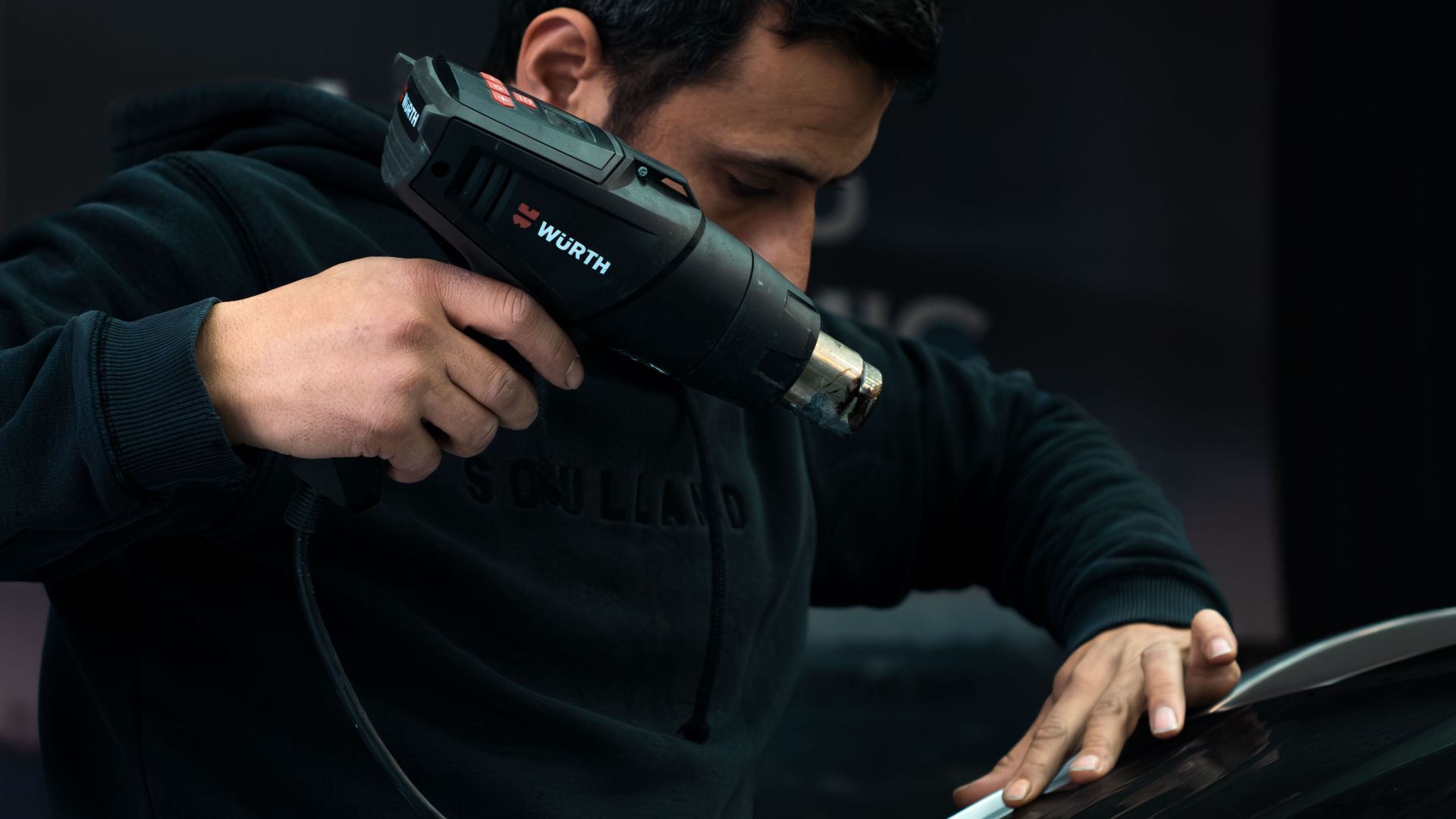
Vehicle graphics have been around for a long time, but the modern wrap era grew out of durable sign and fleet graphic materials developed in the late 20th century. 3M introduced pressure-sensitive films well before full car wraps went mainstream, and Avery Dennison also traces its wrap products back through decades of film development. Wraps really took off once installers and manufacturers improved films so they could be repositioned, heated, and removed without ruining factory paint.
Why Wraps Became So Popular
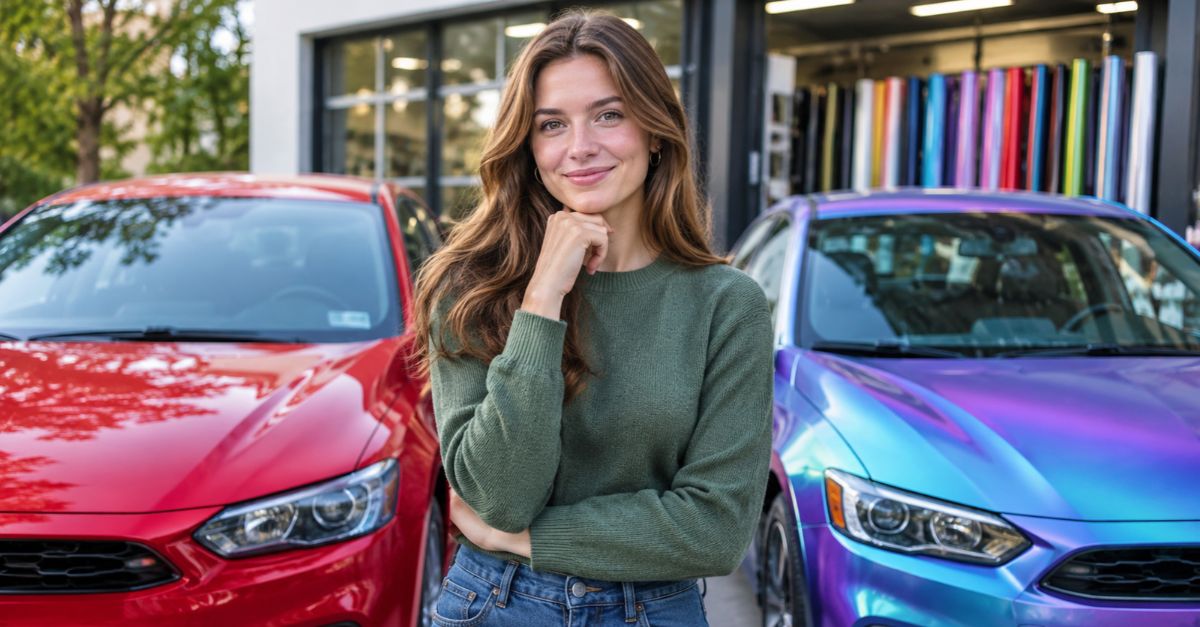
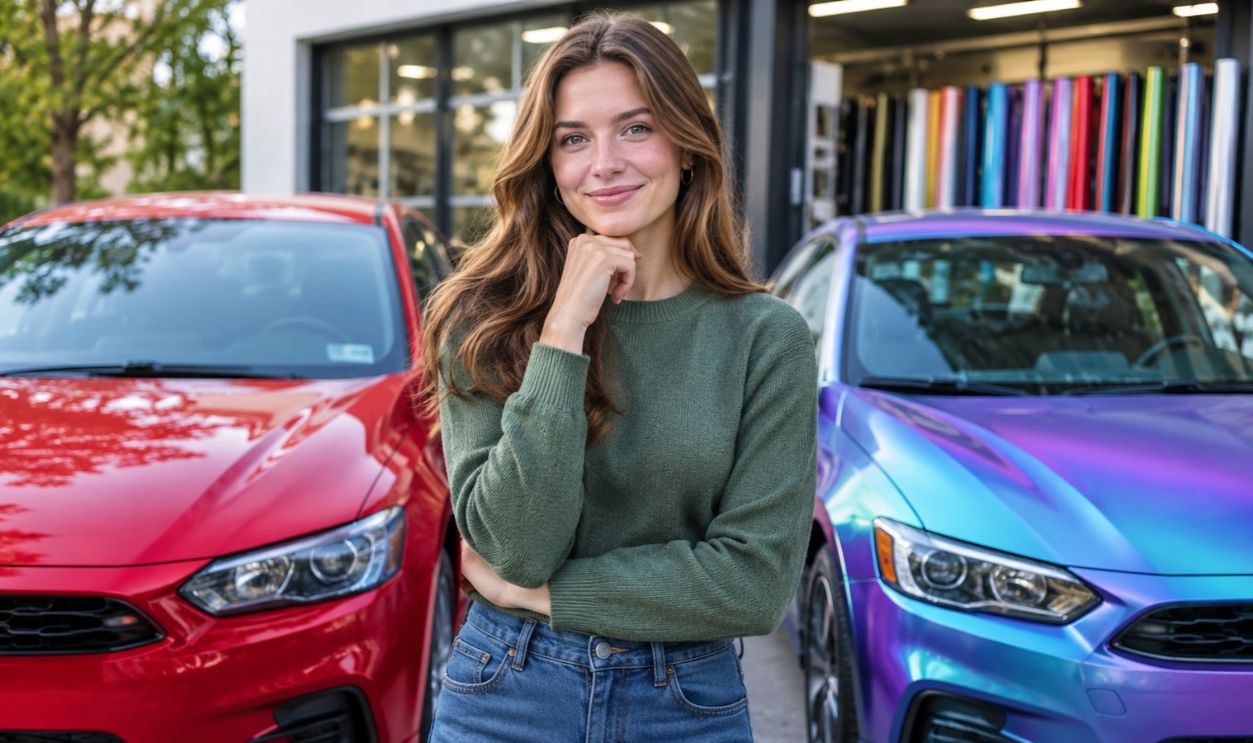
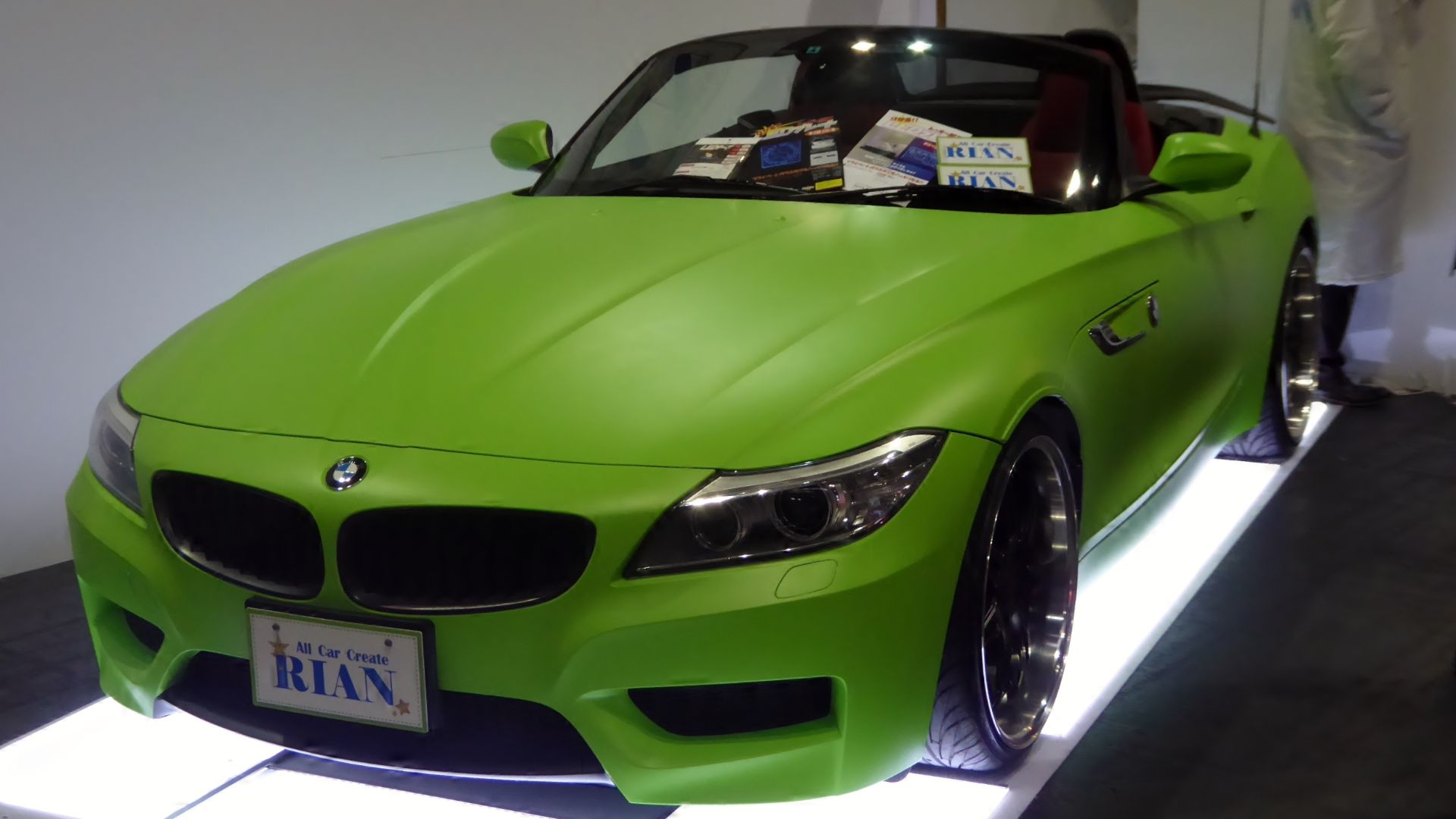
Wraps got popular fast because they let owners completely change a car’s look without making it permanent. Matte, satin, chrome, color-shift, and printed graphic finishes became much easier to get with vinyl than with standard paint. For a lot of drivers, that freedom is the whole point, especially if the car still runs great but looks tired.
 Tokumeigakarinoaoshima, Wikimedia Commons
What Repainting Really Involves
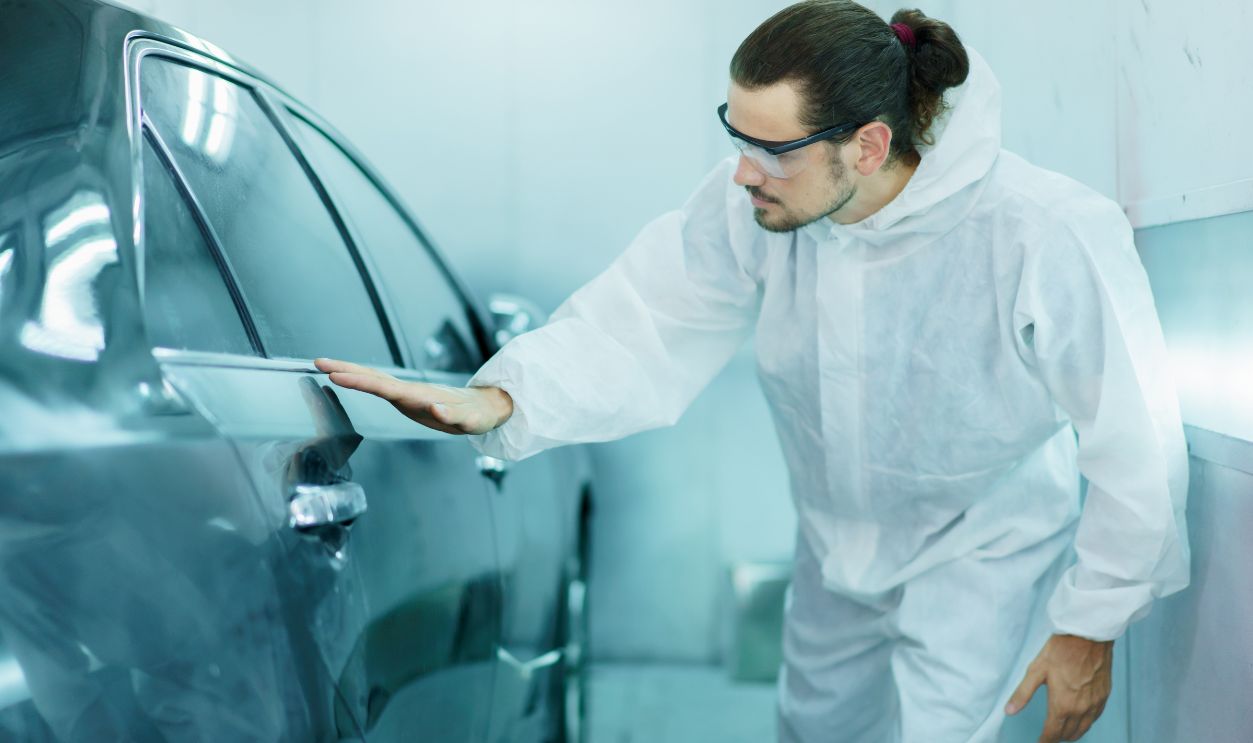
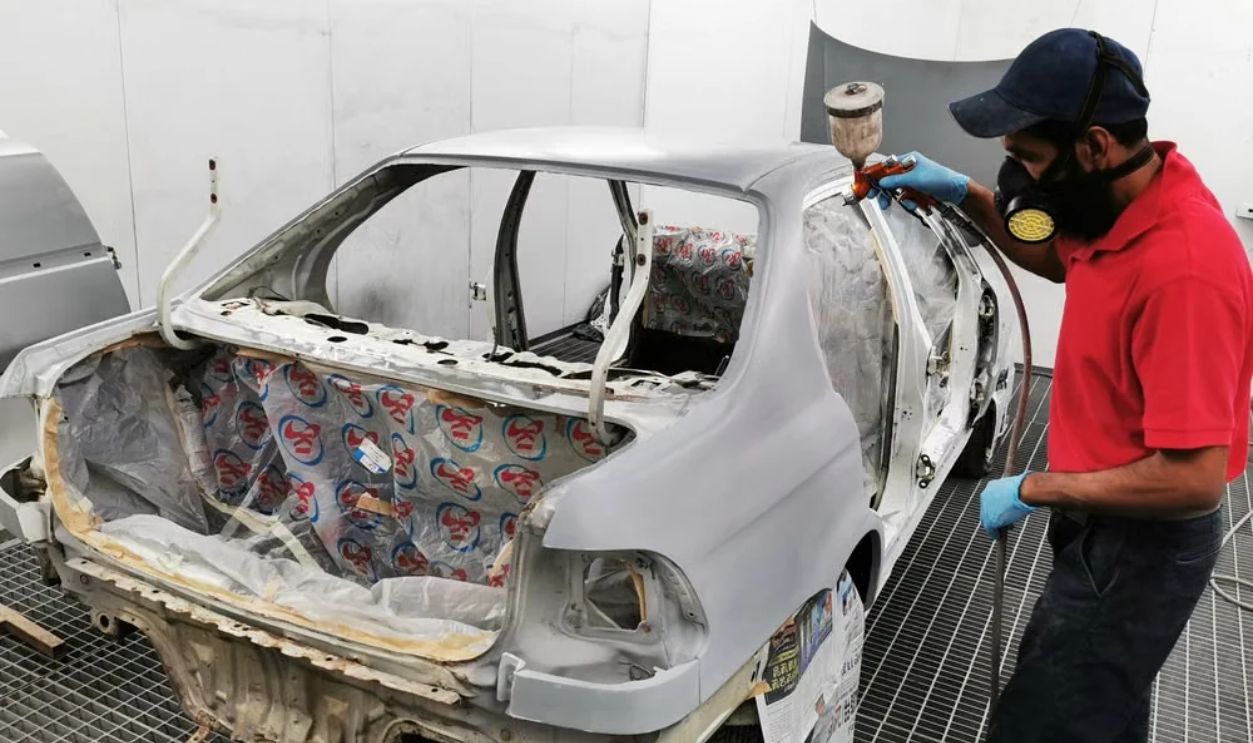
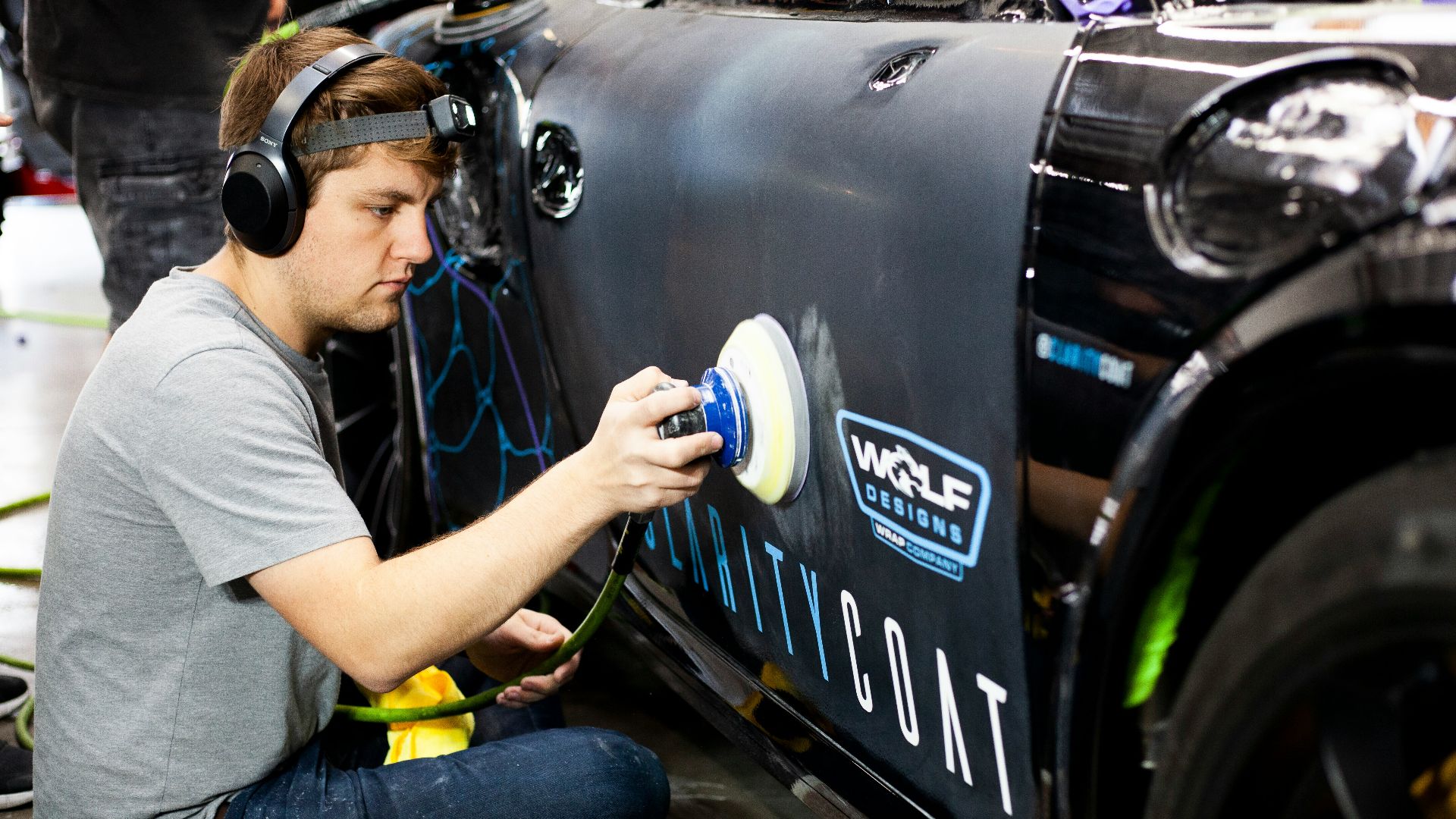
A proper repaint is much more than spraying on a new color. A good paint job usually means sanding, surface repair, masking, primer, basecoat, and clearcoat, with labor making up a big part of the cost. That is why the price gap between a cheap paint job and a truly good one can be huge.
The Upfront Cost Usually Favors Wraps
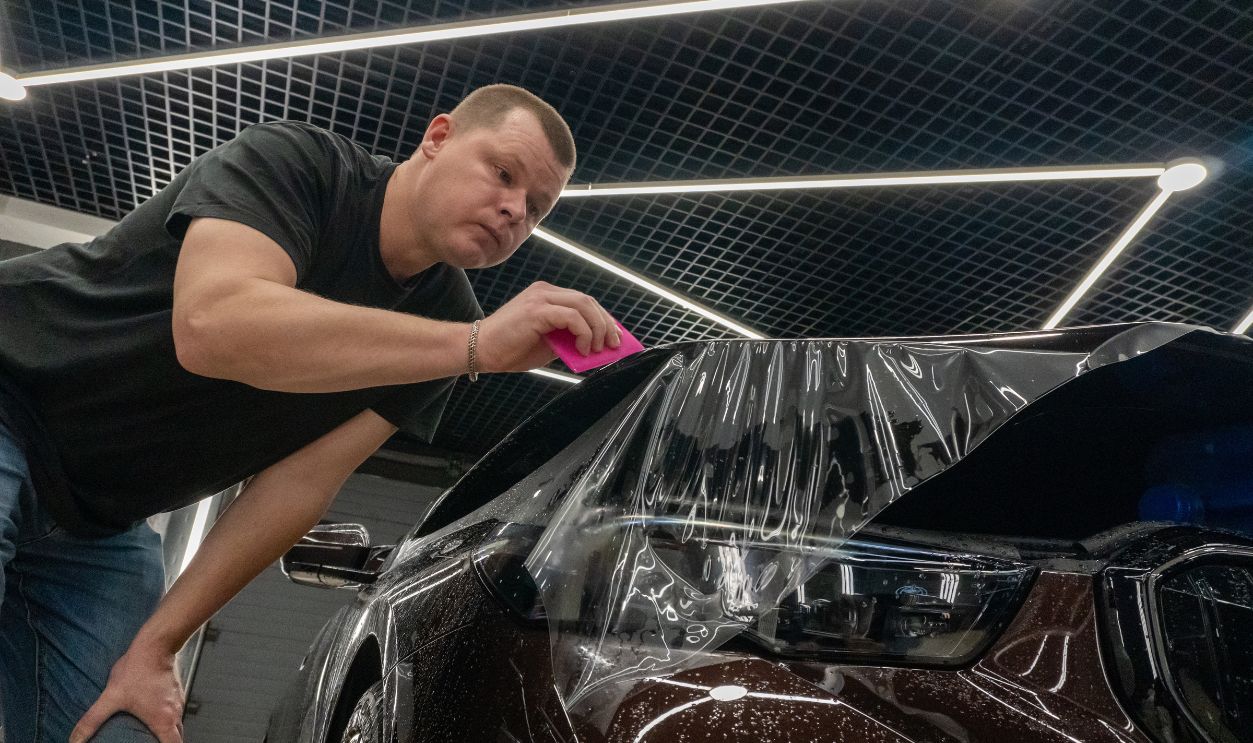
In many cases, a full wrap costs less upfront than a high-quality repaint. Kelley Blue Book notes that a professional paint job can range from a few hundred dollars for basic work to several thousand dollars for higher-quality work, while a wrap can also cost several thousand depending on the material and how much of the car is covered. The usual pattern is pretty simple: a solid wrap often costs less than a quality repaint, but not always less than the cheapest paint job available.
Cheap Paint Jobs Can Skew the Comparison
If someone compares a wrap to the cheapest repaint they can find, the wrap may not look like a great deal. That is because low-end paint work can be surprisingly cheap, but it often cuts corners on prep, finish quality, and durability. If your daughter wants something that will still look good years from now, the fairer comparison is a wrap versus a good mid-range or premium paint job.
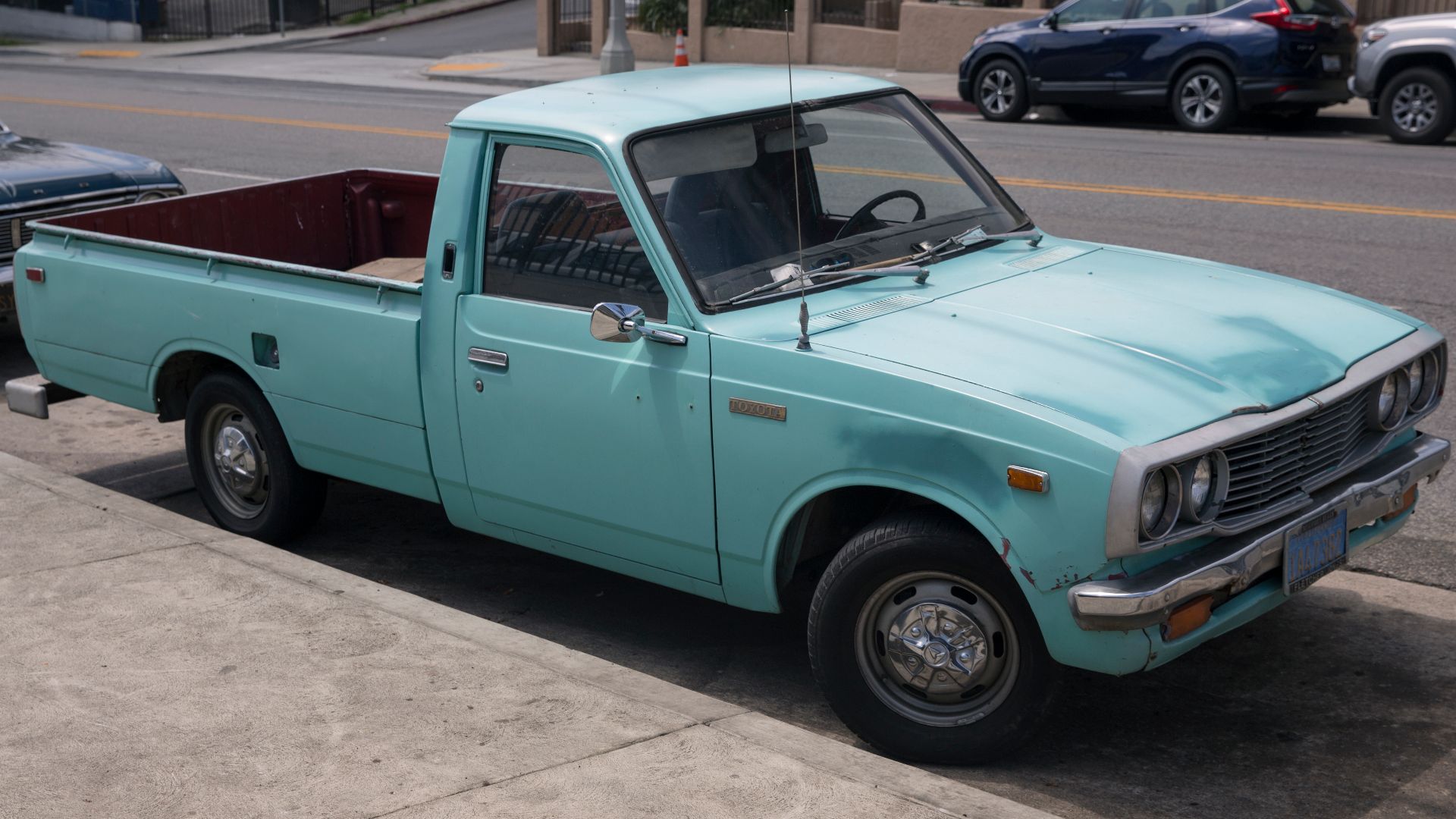 Mr.choppers, Wikimedia Commons
Long-Term Cost Depends on How Long She Keeps the Car
This is where the decision really shifts. A repaint, if it is done well, can last many years and often longer than a wrap, especially if the car is garaged and maintained. A wrap is usually more of a shorter-term cosmetic option, so if she plans to keep the car for a decade, she may have to pay to rewrap it at least once.
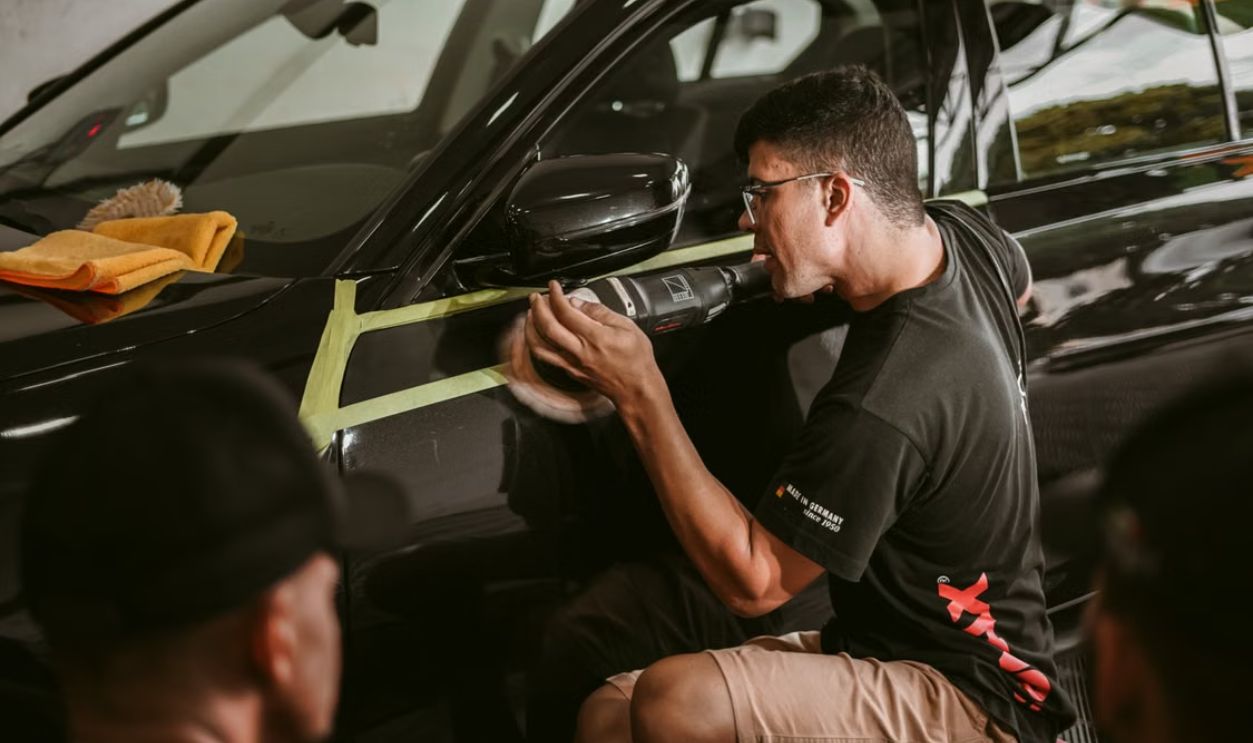
How Long a Wrap Is Expected to Last
Major manufacturers are pretty direct about this. 3M says durability depends on the type of film, the climate, and how much exposure the vehicle gets, with horizontal surfaces often wearing out faster because they take more sun and weather. Avery Dennison says much the same: lifespan depends on the product, the quality of the installation, and the environment, so there is no single lifespan that fits every wrap.
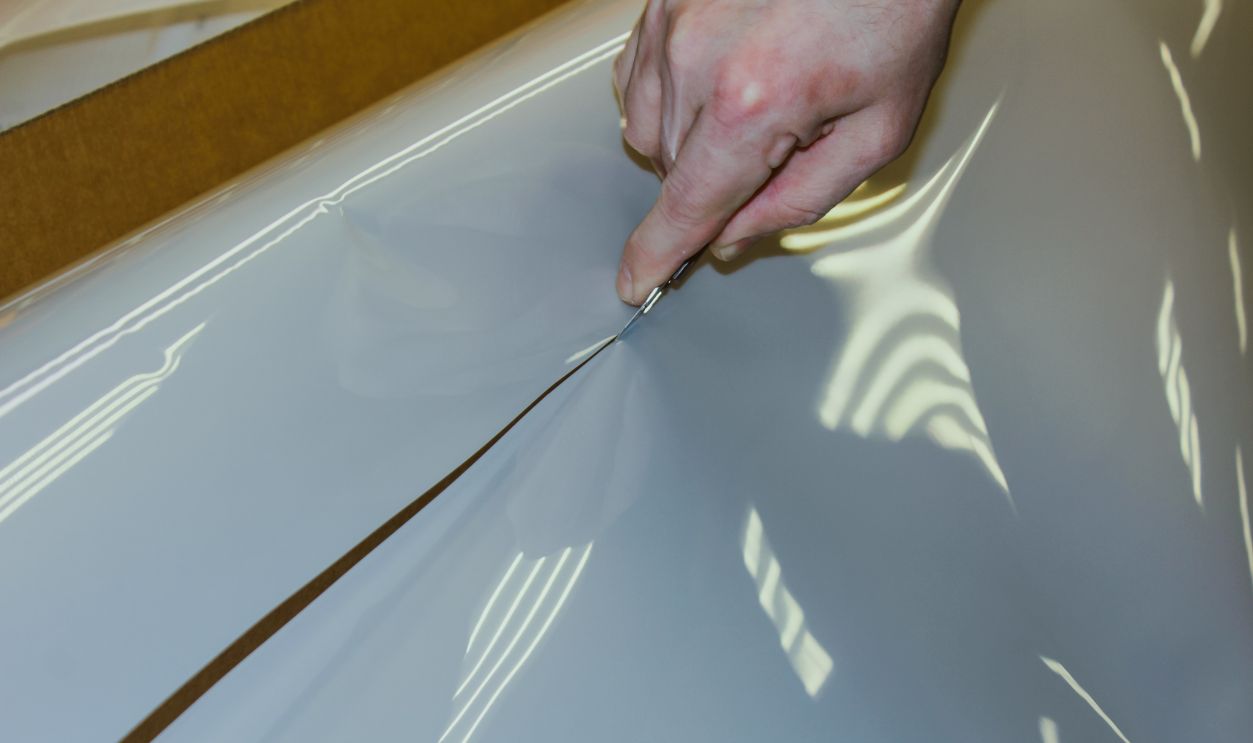
Sunlight Is the Quiet Budget Killer
If the car sits outside in strong sun, a wrap can age much faster. UV exposure, heat, and pollution all wear down vinyl over time, especially on the roof, hood, and trunk lid. In real life, that means a wrap in Arizona or Florida may not hold up nearly as long as one on a garage-kept car in a milder climate.
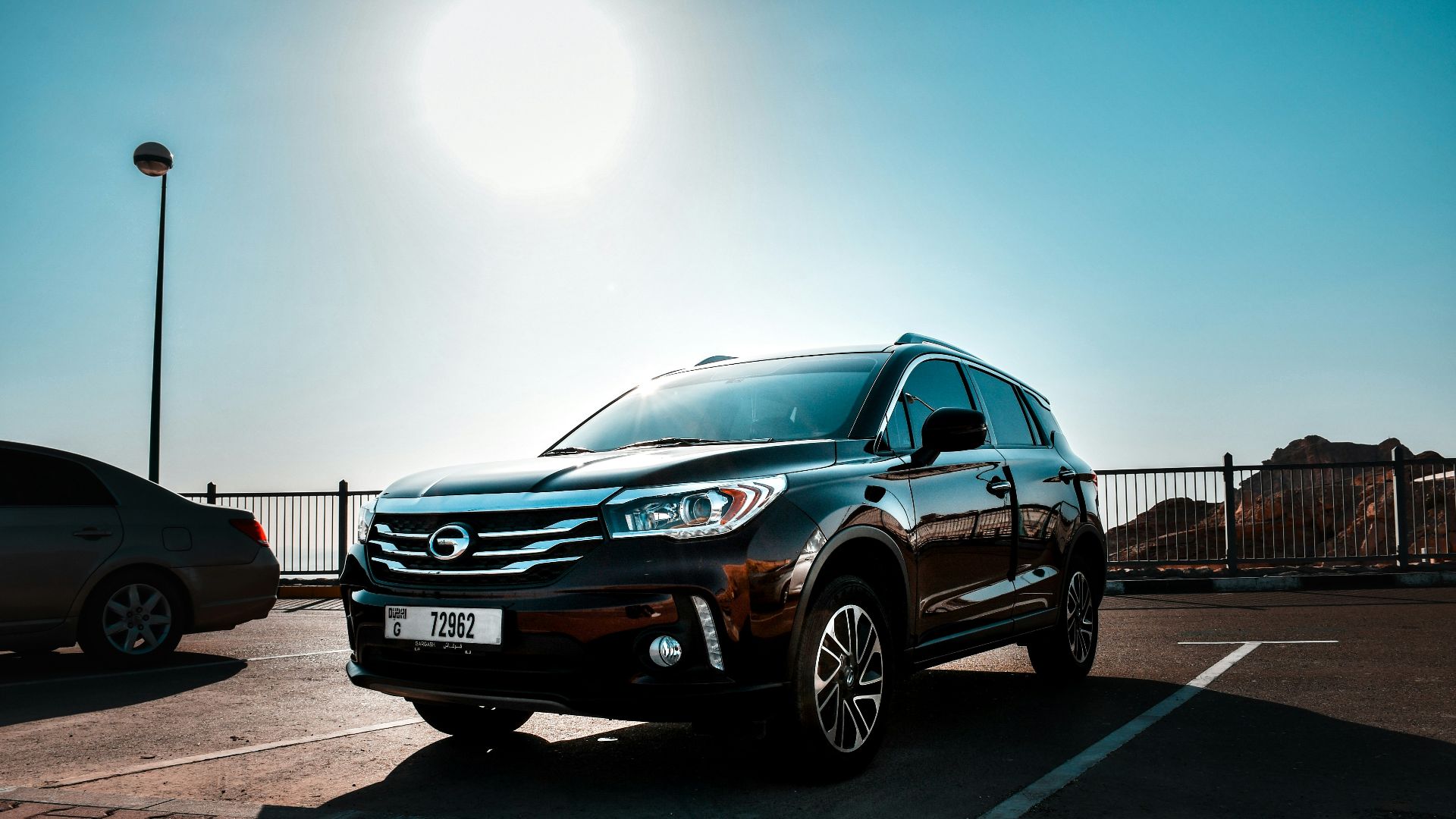
Factory Paint Changes the Math
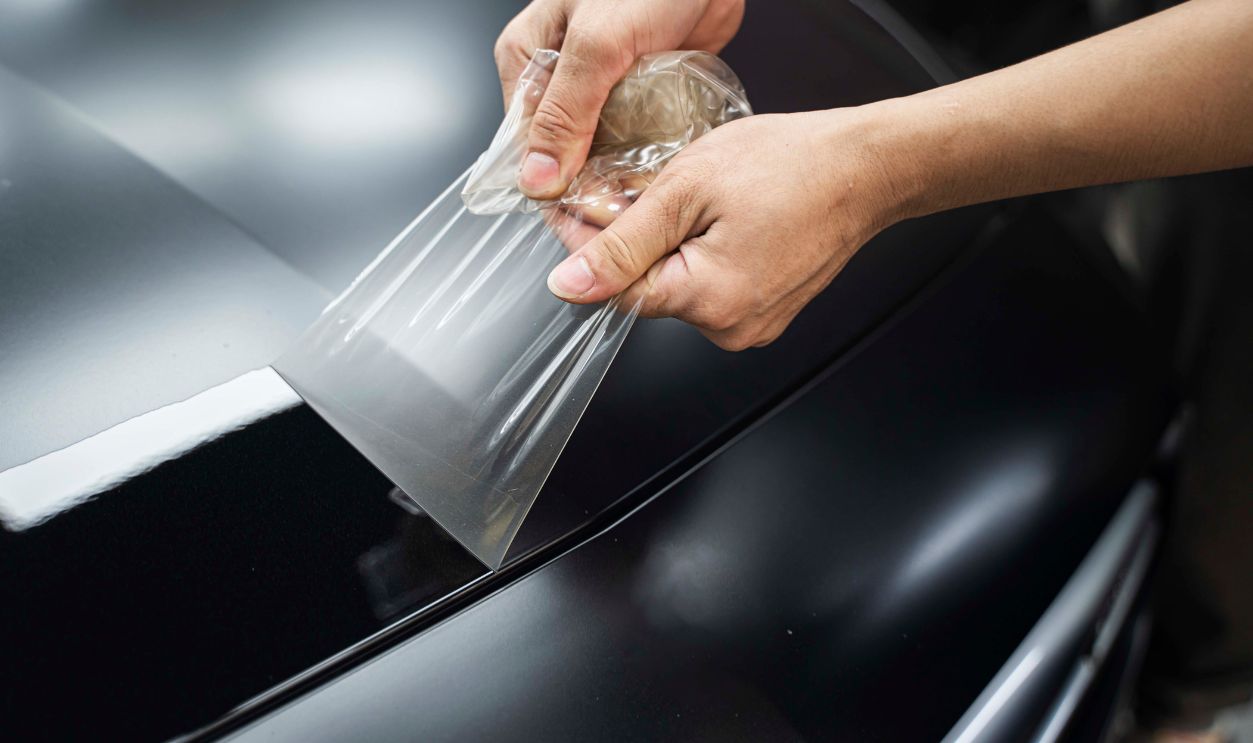
One of the biggest reasons people choose wraps is that they can help preserve the original factory finish underneath. That matters because factory paint is often more durable and more valuable than an aftermarket repaint. If she removes the wrap before it starts to fail badly, the paint underneath may still look much fresher than paint that was exposed the whole time.
Wraps Can Protect Paint, but Only to a Point
Vinyl wraps can shield paint from some UV exposure and light surface wear, but they are not heavy-duty protection. A color wrap is not the same as paint protection film, which is made specifically to resist impacts and scratches. If your daughter expects a wrap to stop rock chips the way a clear protective film can, she may be disappointed.

Removal Timing Matters a Lot
This is one of the biggest details people overlook. Manufacturers and installers usually warn that wraps should be removed within the recommended service window because older vinyl and adhesive can get much harder to remove cleanly. Wait too long, and the money saved upfront can disappear into extra labor or paint correction.
Bad Paint Underneath Can Make a Wrap Risky
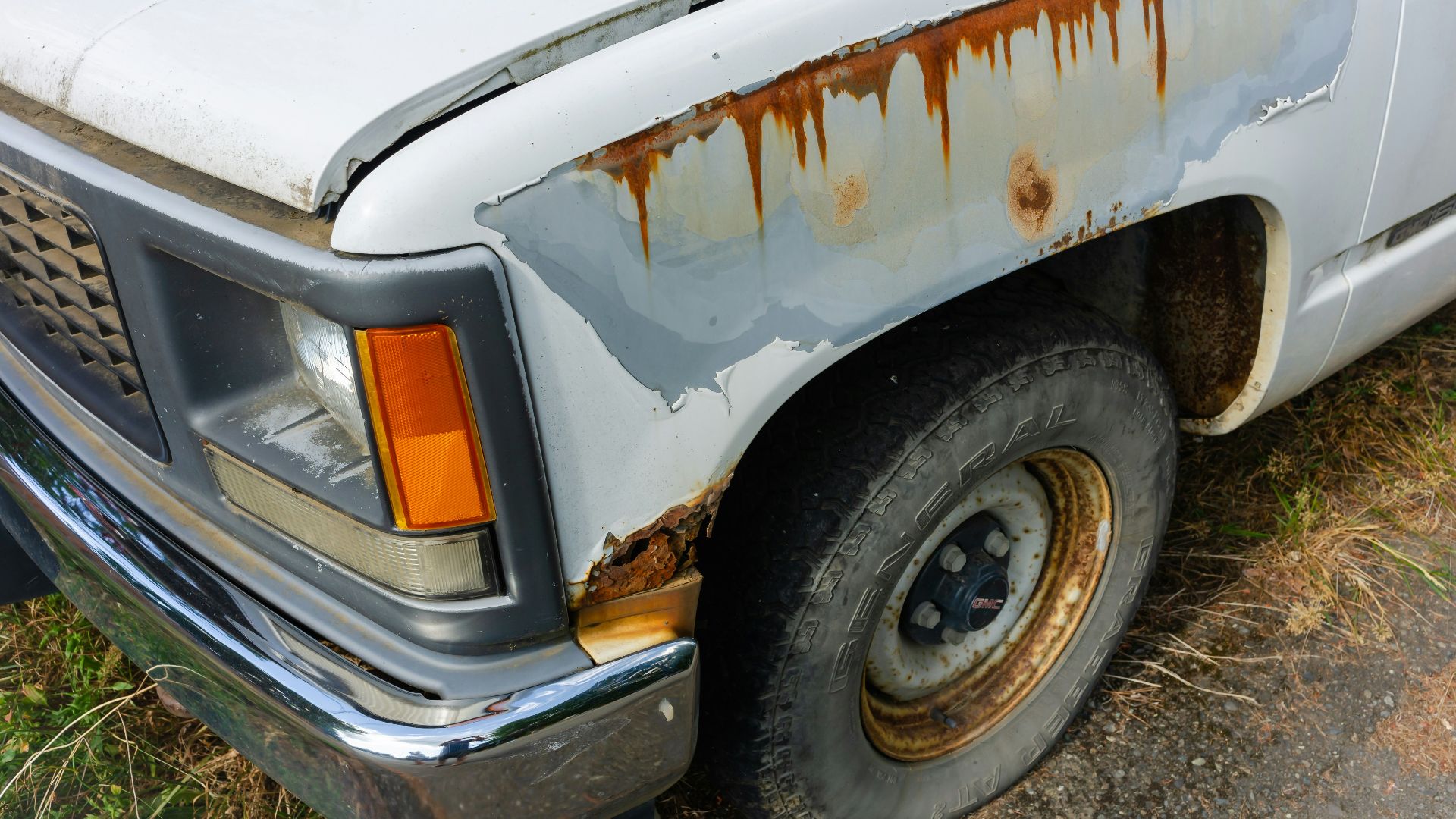
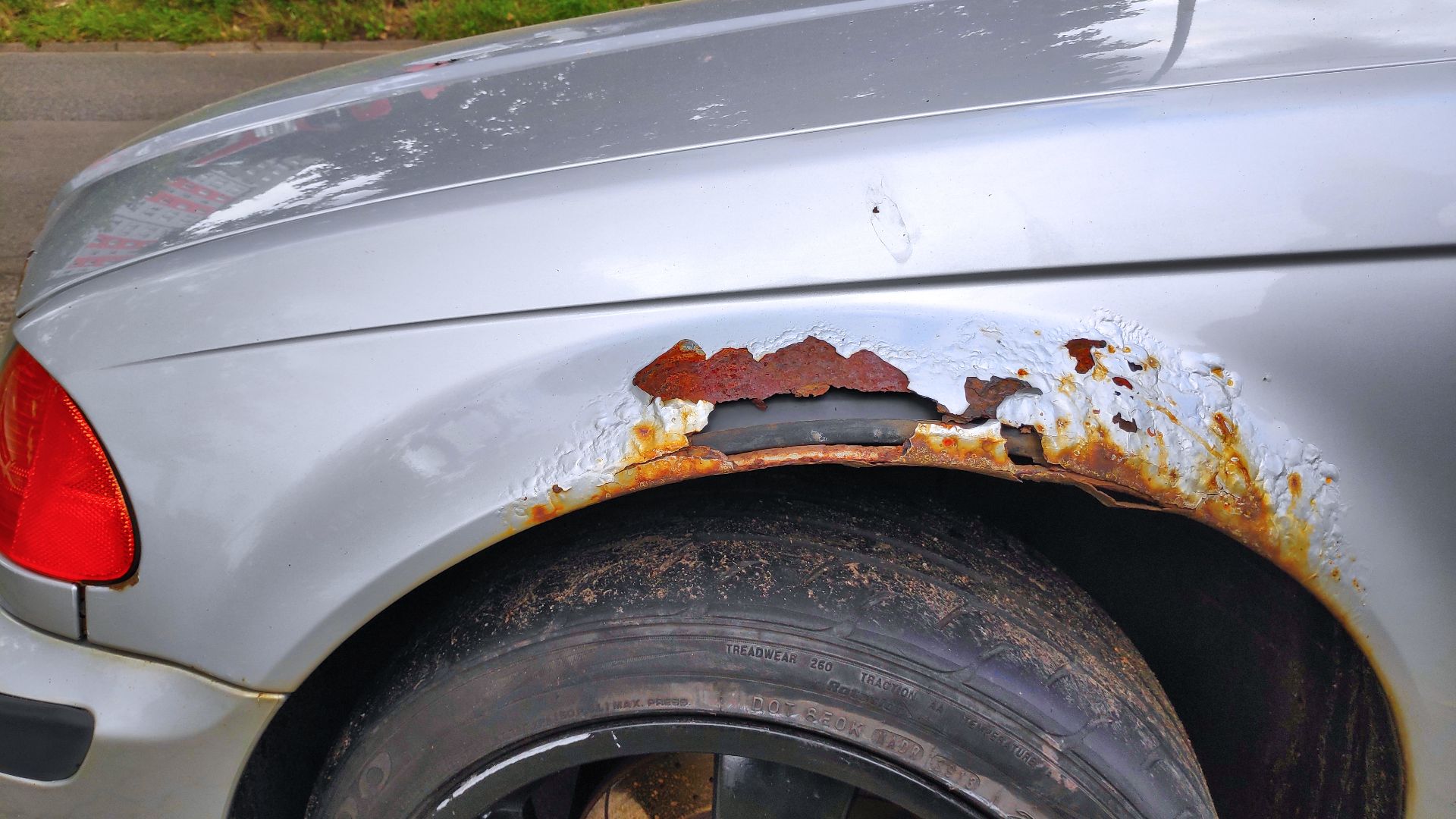
Wraps work best on smooth, solid, original paint or surfaces that closely match a factory finish. If the car already has peeling clearcoat, rust, cheap bodywork, or a flaky old repaint, the vinyl may fail early or even pull up weak paint when it is removed. In that situation, repainting damaged areas first may be necessary, which changes the cost right away.
Installation Quality Is Half the Story
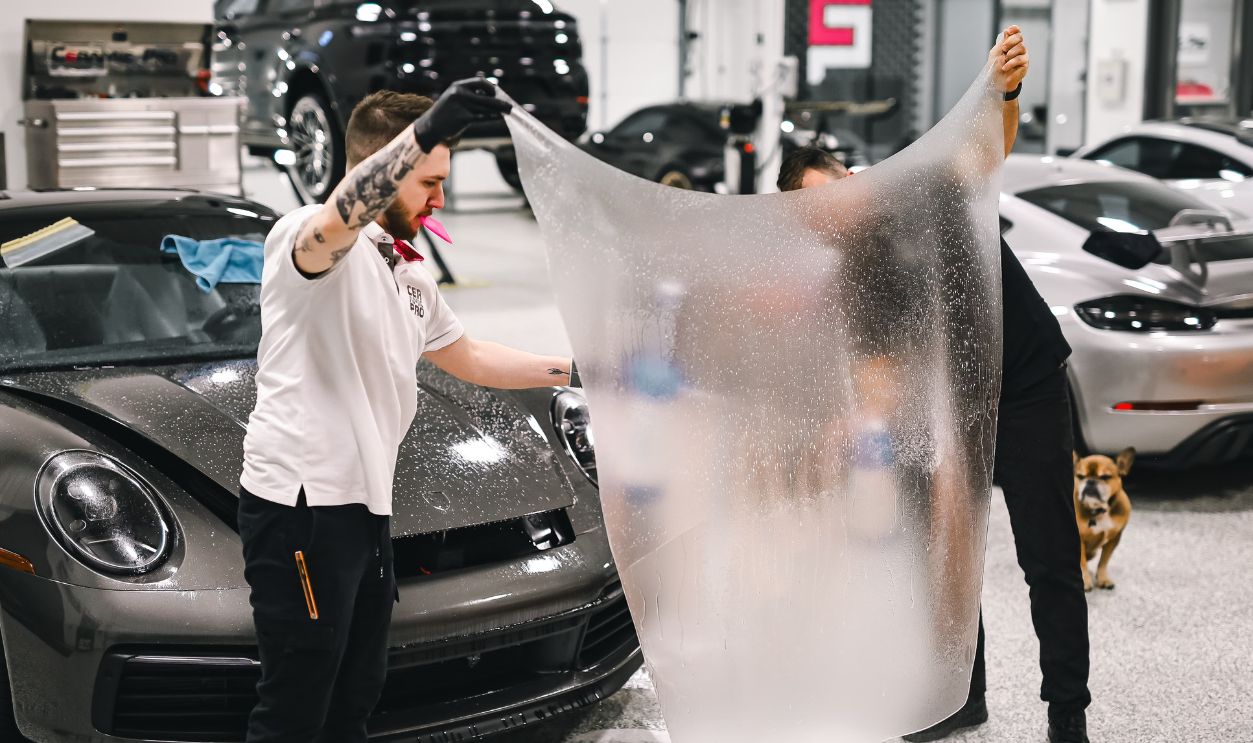
A great wrap installed badly can still look awful and fail early. Seams, edges, deep recesses, and bumper curves all take skill, patience, and proper post-heating to keep the film from lifting. Long-term cost is not just about what the material costs, because a bargain install that starts peeling after a year is not a bargain.
Repainting Has Its Own Long-Term Risks
A repaint can outlast a wrap, but it is also more permanent and more dependent on the skill of the body shop. Bad color matching, overspray, orange peel, and weak clearcoat can all hurt the final result and even the car’s value. Once a car is repainted, there is no easy way to undo it if the finish turns out disappointing.
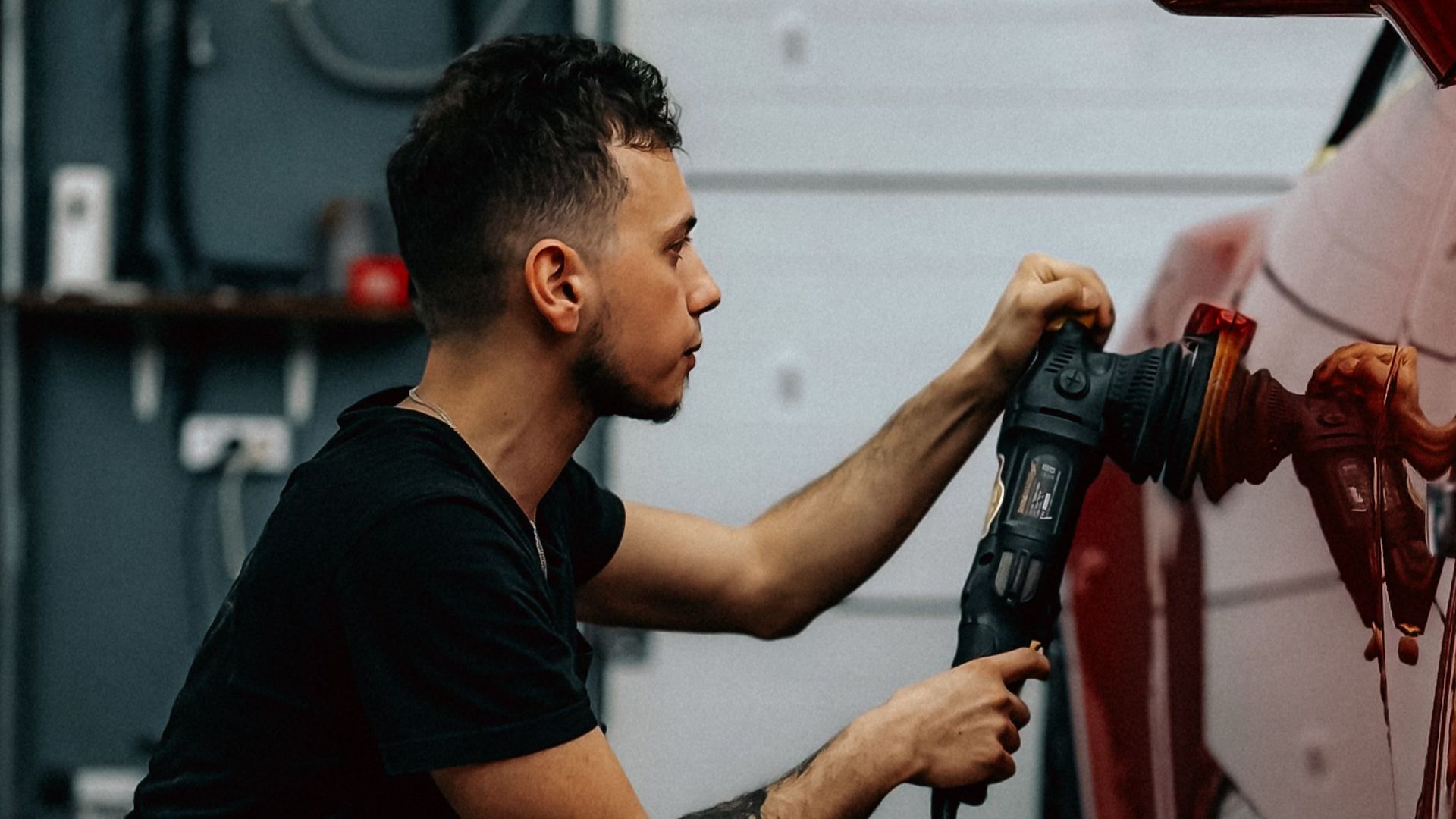
Resale Value Can Go Either Way
For resale, a wrap can be a plus if it preserves the original factory paint and comes off cleanly before the car is sold. Buyers often trust original paint more than a full repaint, especially on newer vehicles. On the other hand, a bold wrap can turn off some buyers while it is still on the car, and some people may wonder what it is covering up.
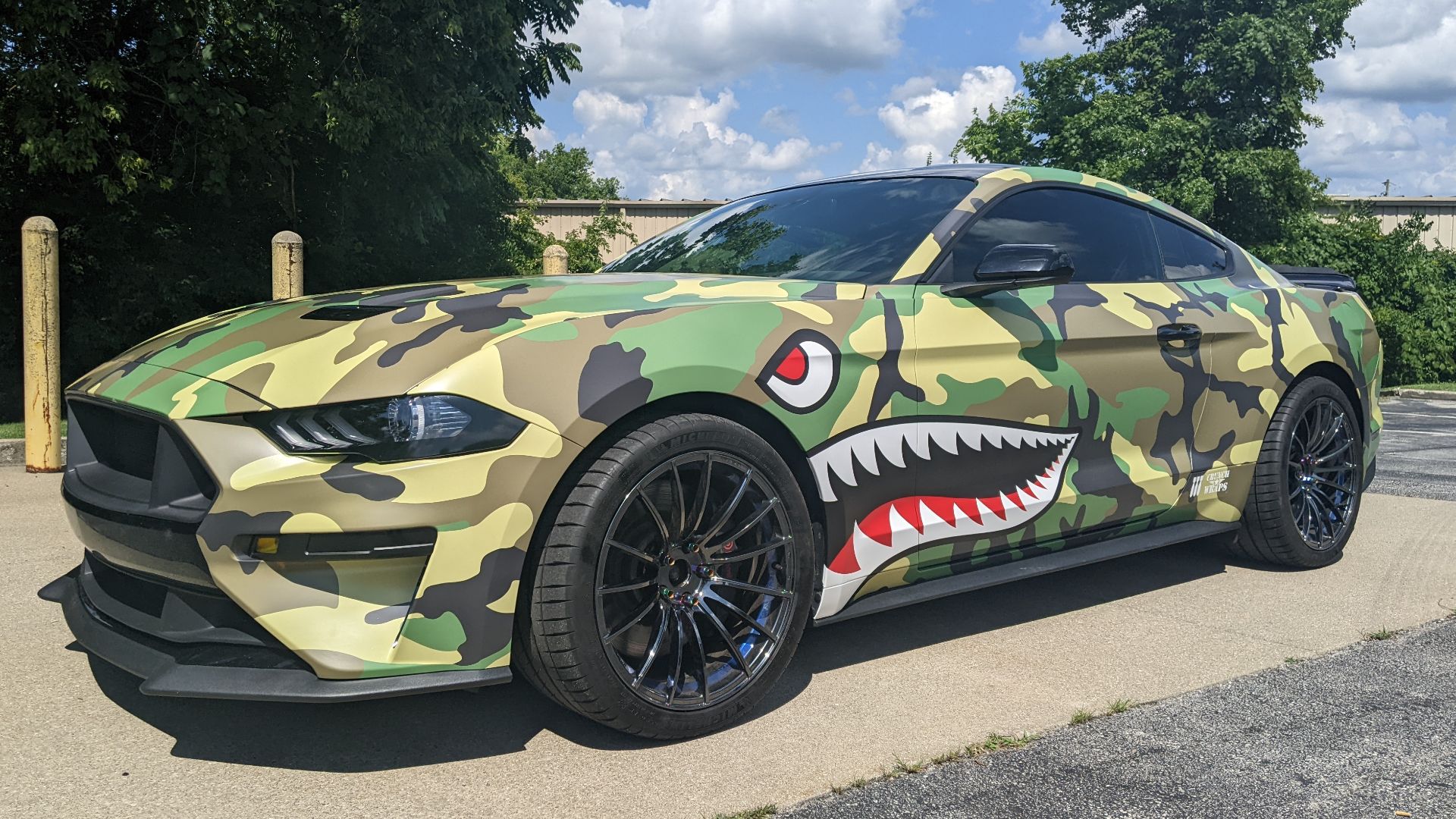 Crunchwrapsgraphics, Wikimedia Commons
Insurance and Disclosure Are Worth Mentioning
If the wrap seriously changes the way the vehicle looks, it is smart to tell the insurance company. Some insurers may note the modification, and some policies may not fully cover replacing a custom wrap after damage unless that is clearly included. That can matter if a crash damages several wrapped panels.

Maintenance Is Different, Not Always Harder
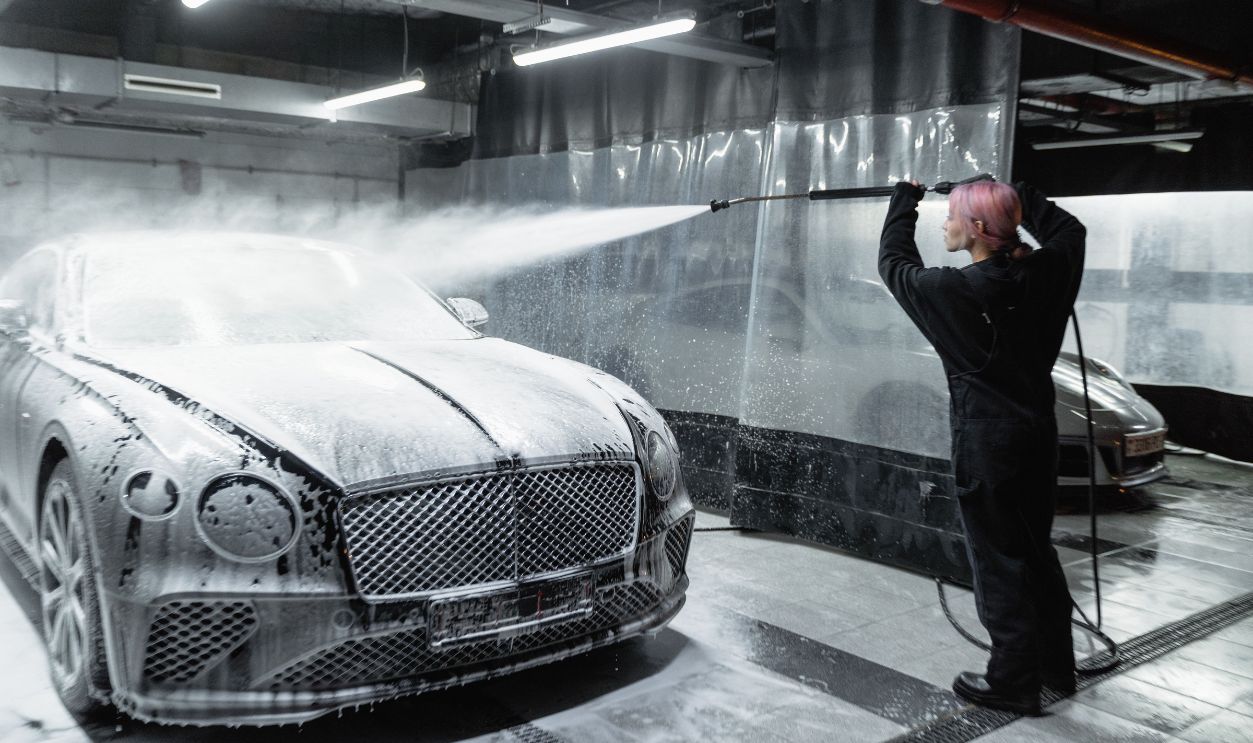
Wrapped cars still need regular washing, and manufacturers usually recommend gentler care than the average automatic brush wash. Harsh chemicals, pressure washing at the wrong angle, or leaving bird droppings in place can shorten a wrap’s life. Paint also needs care, but vinyl tends to be less forgiving if maintenance slips.
If She Likes Changing Styles, Wrapping Can Win
Some drivers just do not want to stick with one color for the next ten years. If your daughter likes the idea of going from gloss blue to satin gray a few years later, a wrap offers a kind of flexibility paint cannot match. In that case, even if the long-term cost ends up being similar, the wrap may still be the better value for what she wants.

If She Wants a Forever Finish, Paint Often Wins
If the goal is one long-lasting color change with no plan to switch again, a quality repaint usually makes more sense over enough time. One well-done paint job can outlast a wrap and avoid the future cost of removal and replacement. It is usually the better fit for someone who plans to keep the car for many years and wants the change to be permanent.
Leased and Newer Cars Often Favor Wraps
Wraps often make the most sense on leased, financed, or newer cars that still have good factory paint. They let owners customize the car while protecting the original finish underneath, which can help when it is time to sell it or turn it in. That is one reason wraps are so common among enthusiasts who want a different look without making a permanent change.
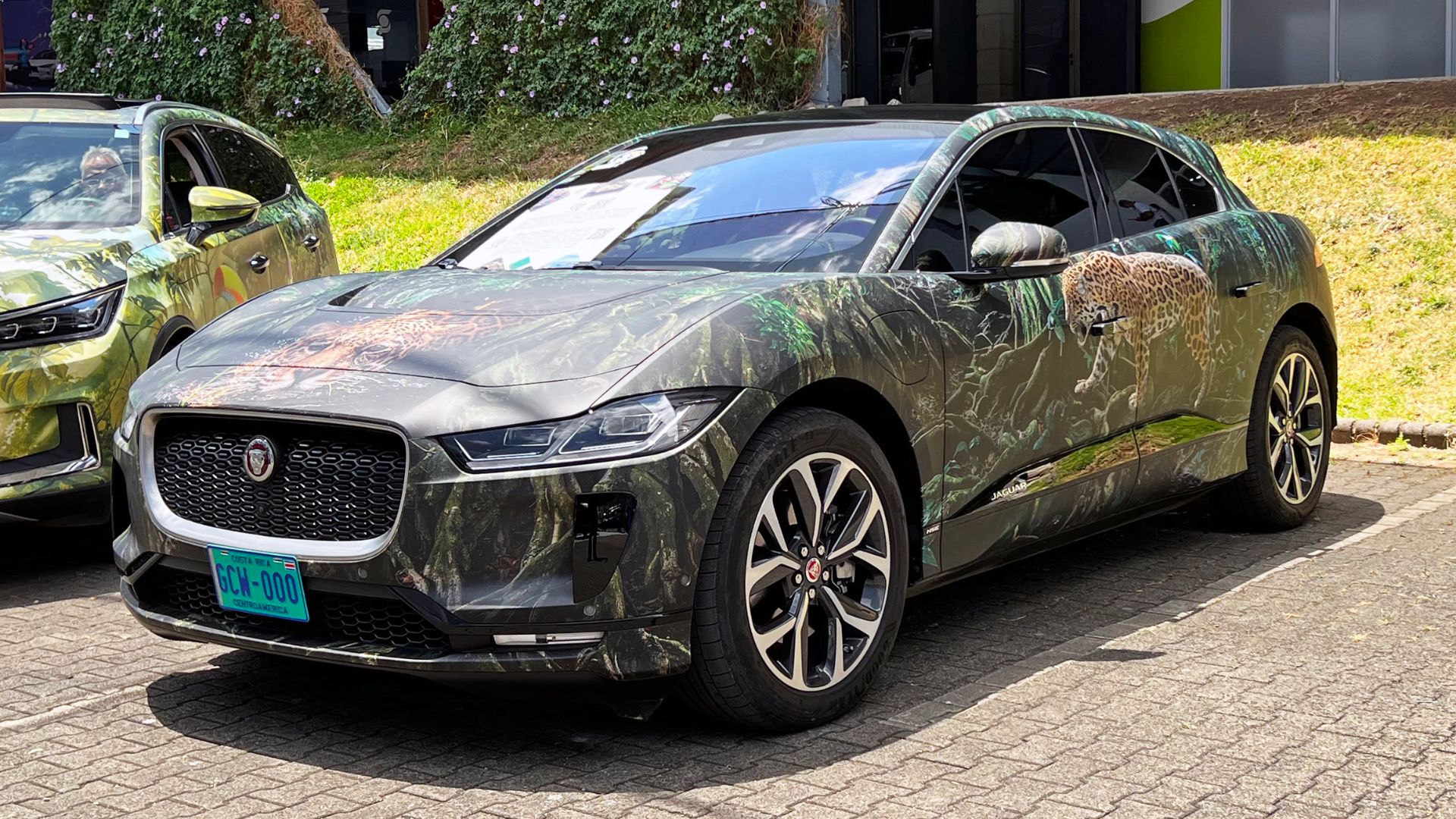 Mariordo (Mario Roberto Durán Ortiz), Wikimedia Commons
Older Cars With Failing Paint Often Favor Repainting
If the car’s finish is already oxidized, peeling, or damaged, a wrap may just be a short-term cover-up rather than a real fix. Vinyl does not hide bad surfaces very well, and surface flaws can show through or create adhesion problems. In those cases, body repair and paint are often the more durable and more honest answer.
 Marek Ślusarczyk (Tupungato) Photo portfolio, Wikimedia Commons
The Cheapest Long-Term Option Is Often Keeping the Original Paint
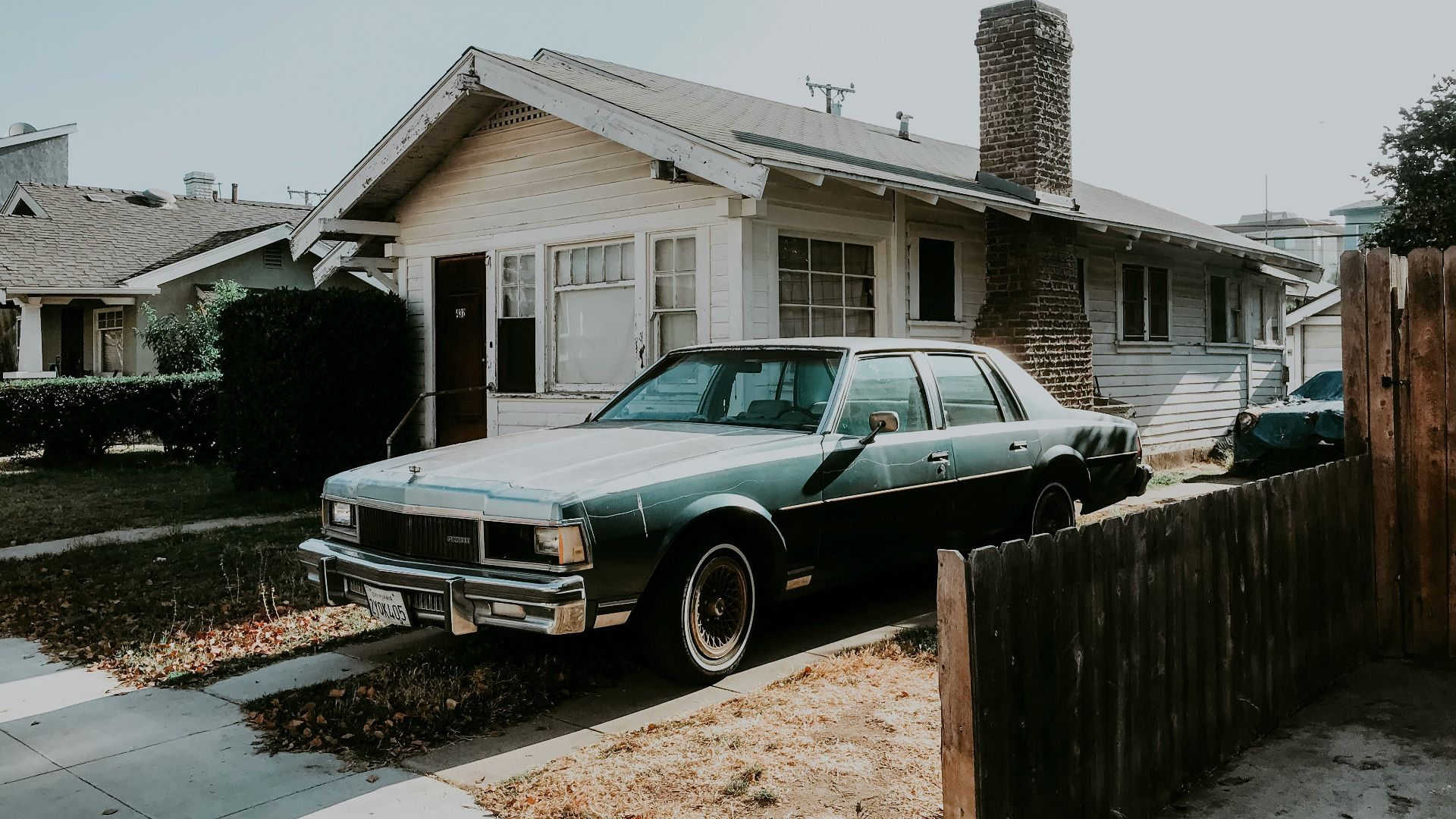
There is a reason a lot of practical car owners do nothing unless the finish is truly in bad shape. Both wrapping and repainting cost real money, and neither one is automatically a financial win if the current paint is still decent. If this is mostly about style rather than damage, the cheapest long-term move may be to leave the factory paint alone.
So Is Wrapping Cheaper Long-Term?
Usually, wrapping is cheaper in the short term, but not always cheaper over the full life of the car. If she will keep the car for only a few years, wants to protect decent factory paint, and likes the option to change colors later, a wrap can be the smart money choice. If she plans to keep the car for a long time and wants one permanent finish, a quality repaint often comes out ahead in the end.
The Best Parent Answer Is a Conditional One
If your daughter’s car still has solid factory paint and she wants a reversible style change, wrapping makes sense. If the paint is already failing or she wants a color she plans to live with for many years, repainting is probably the better investment. The cheapest long-term option depends less on the material itself and more on the car’s condition, the climate, and how long she plans to keep it.

A Simple Rule of Thumb Before Spending Money
Get quotes for both options from reputable local shops, and ask each one how long the result should realistically last in your climate. Also ask whether the current paint is even suitable for wrapping, because that one detail can settle the whole debate fast. In the end, the smartest choice is the one that matches the car’s condition and your daughter’s plans, not just the lowest number on day one.