A Normal Street, Then a Tow Truck
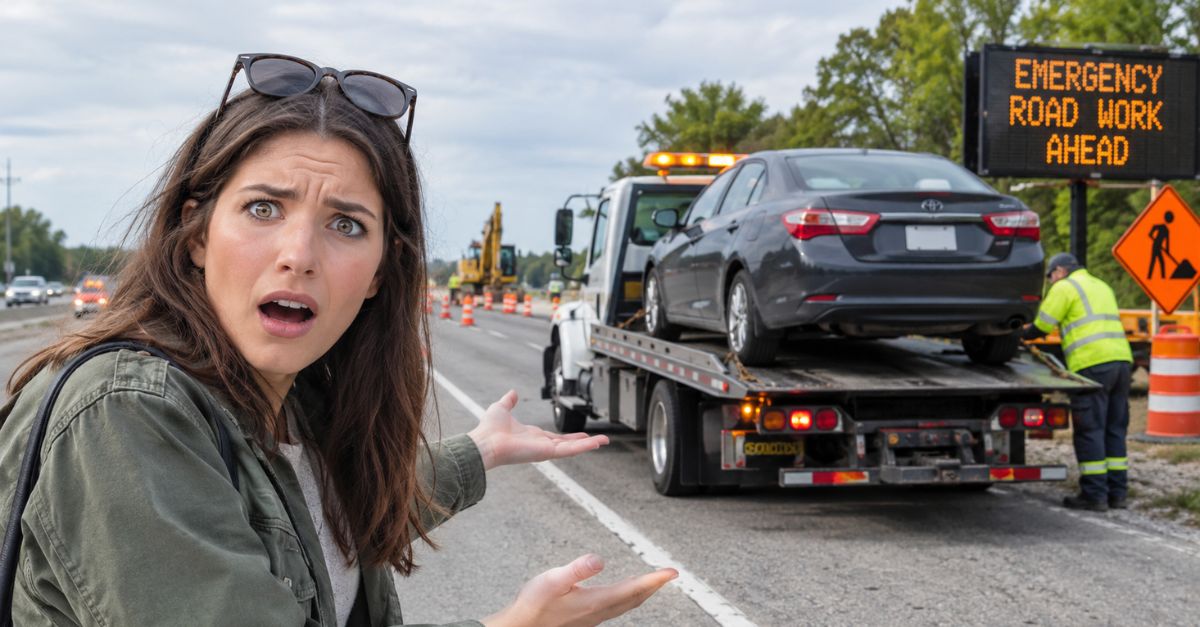
You park legally, walk away, and come back to an empty curb. Then you learn your car was towed because the city suddenly needed the street for emergency roadwork. It feels unfair, especially if the warning signs went up only shortly before the tow.
Who Usually Pays First
In many cities, the driver has to pay first to get the car back, even when the notice was very short. Whether the city should repay that cost later depends on local rules, sign-posting requirements, and whether the work really was an emergency. The hard part is that “legal when parked” does not always protect you once temporary no-parking signs go up.

Why This Happens So Often
Cities create temporary no-parking zones all the time for paving, utility work, sewer repairs, tree work, and snow operations. When the job is urgent, officials often say they cannot give the same notice they would for planned construction. That gap between what residents expect and what the city can legally do is where these towing fights begin.
Emergency Work Can Change the Rules Fast
The main issue is usually not whether your car was legal when you left it. It is whether the city had the power to post temporary restrictions and remove cars once the work was declared an emergency. If local law says yes, the tow may still be valid even if the notice came at the last minute.
New York City Shows How Tough This Can Be
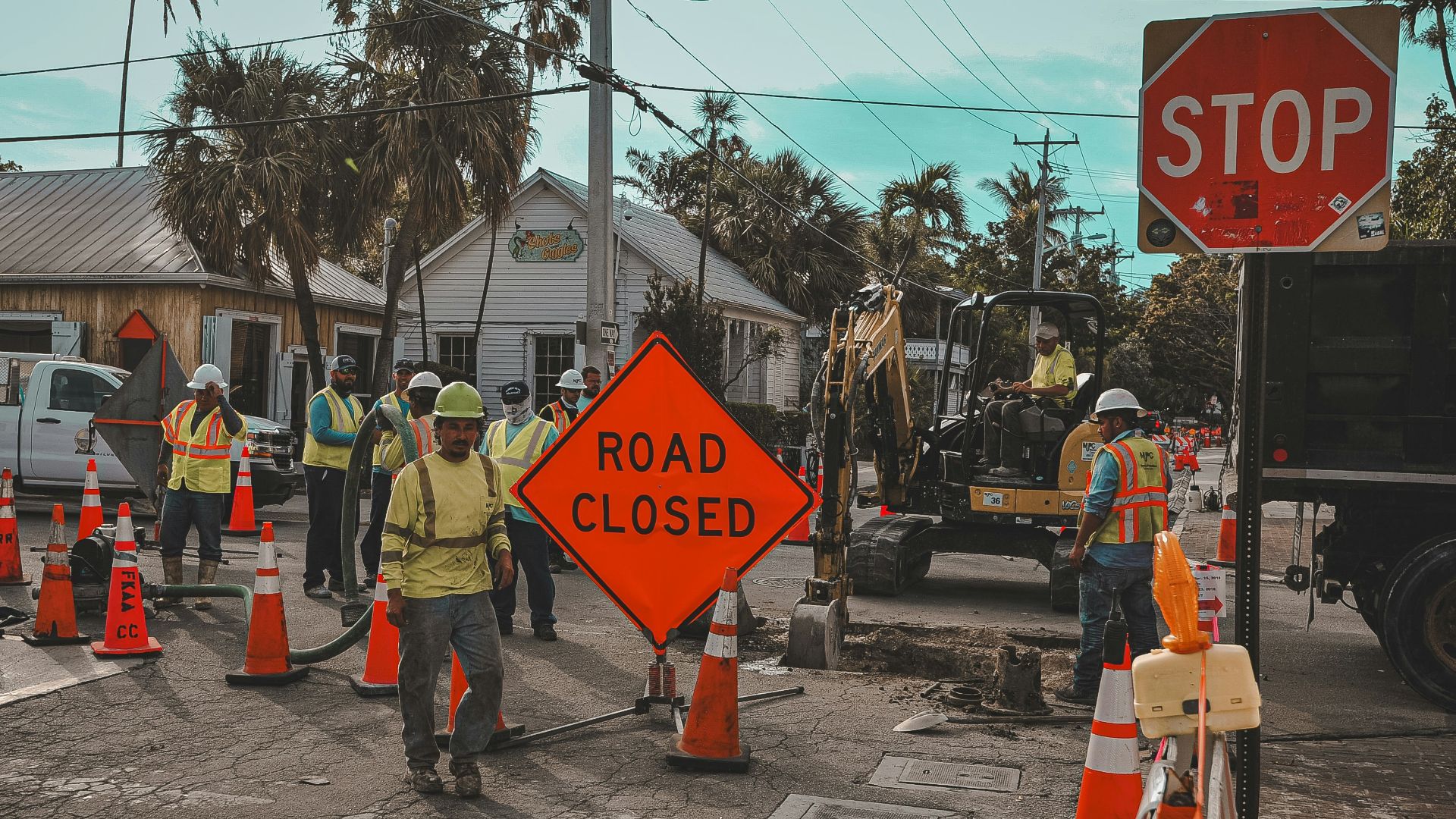
New York City’s Department of Transportation says temporary no-parking signs can be posted for construction, film shoots, and other work that needs curb access. Once those signs are up, cars in violation can be ticketed and towed. The rules do not promise that every driver will get personal notice in advance.
What New York Says About Emergency Signs
New York City’s Street Works Manual goes a step further. It says emergency notification signs may be placed after work has already started, and that emergency work may begin right away when public safety or service restoration is involved. In other words, the city’s own rules allow the normal notice timeline to shrink or disappear during a real emergency.
Chicago Gives Itself Similar Room
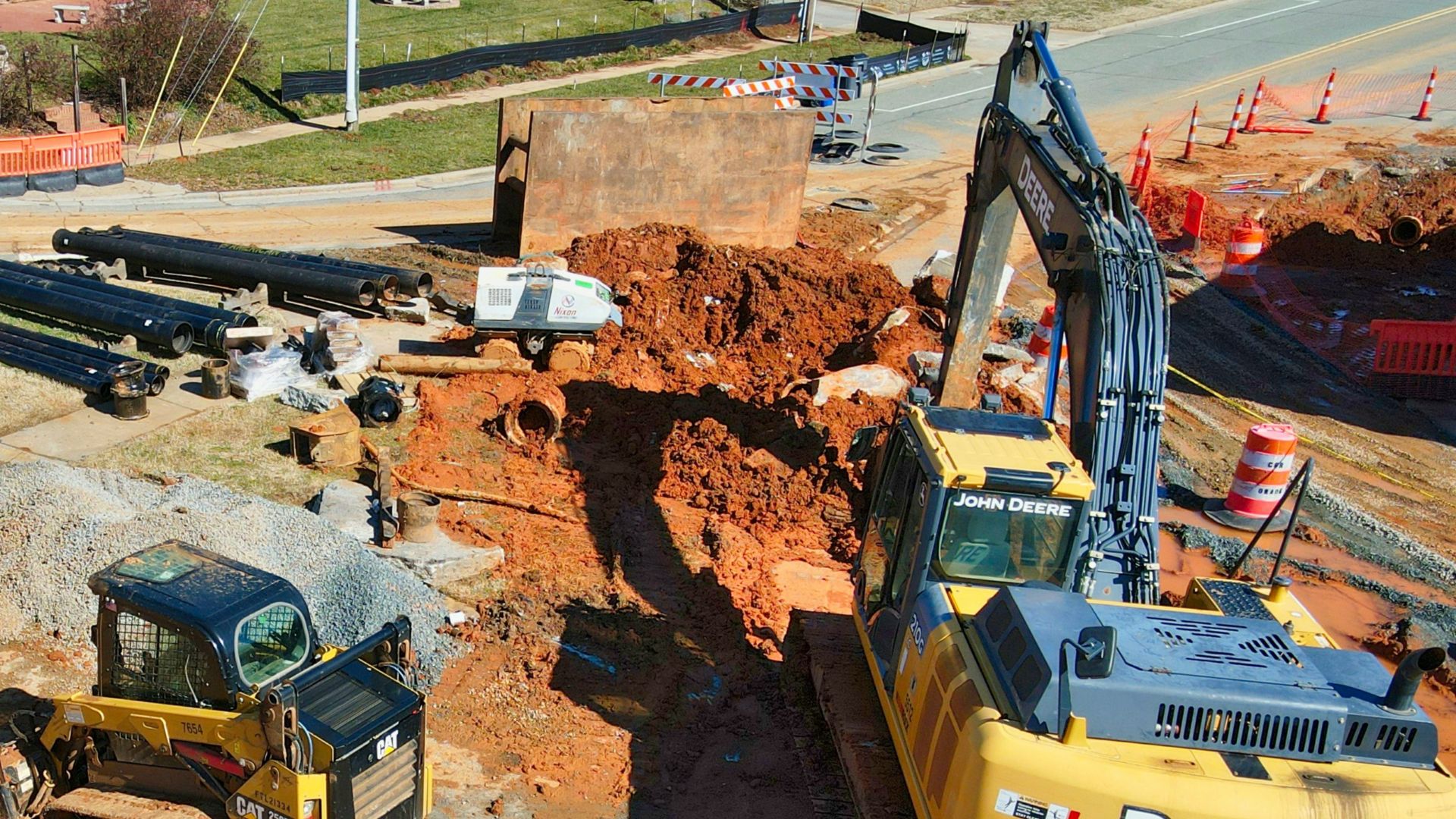
Chicago’s municipal code allows the city to move vehicles that interfere with street cleaning, snow removal, maintenance, and other public work. When temporary restrictions are posted, the city can relocate or tow vehicles. If your car blocks urgent work, the code generally lets the city remove it first and deal with the dispute later.
San Francisco Makes the Same Basic Point
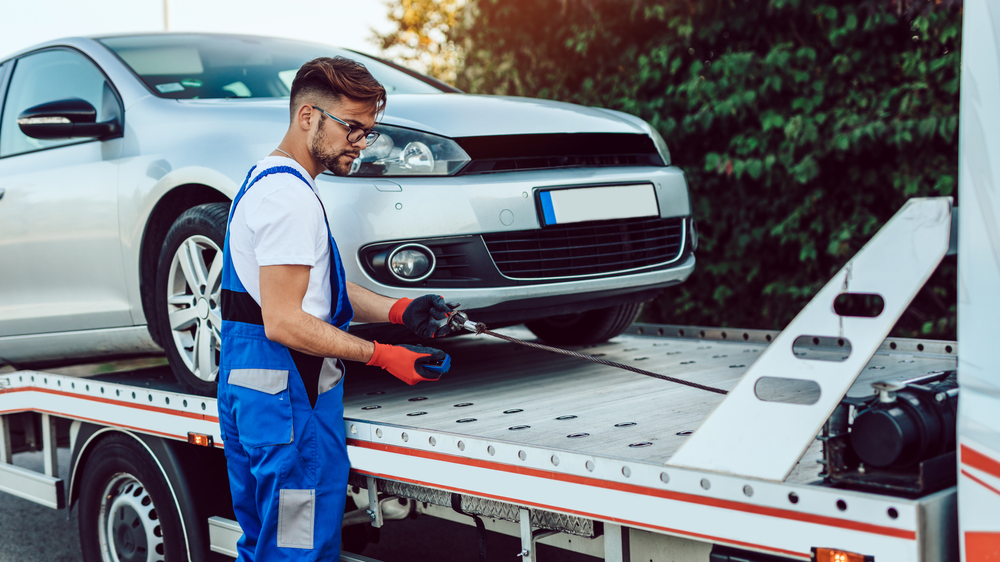
San Francisco’s transportation rules also allow temporary tow-away restrictions for construction and street work. The city warns that cars left in posted tow-away zones can be removed. It is another example of a common big-city rule: temporary curb restrictions can override the fact that a car was parked legally earlier.
The Real Fight Is Usually About Notice
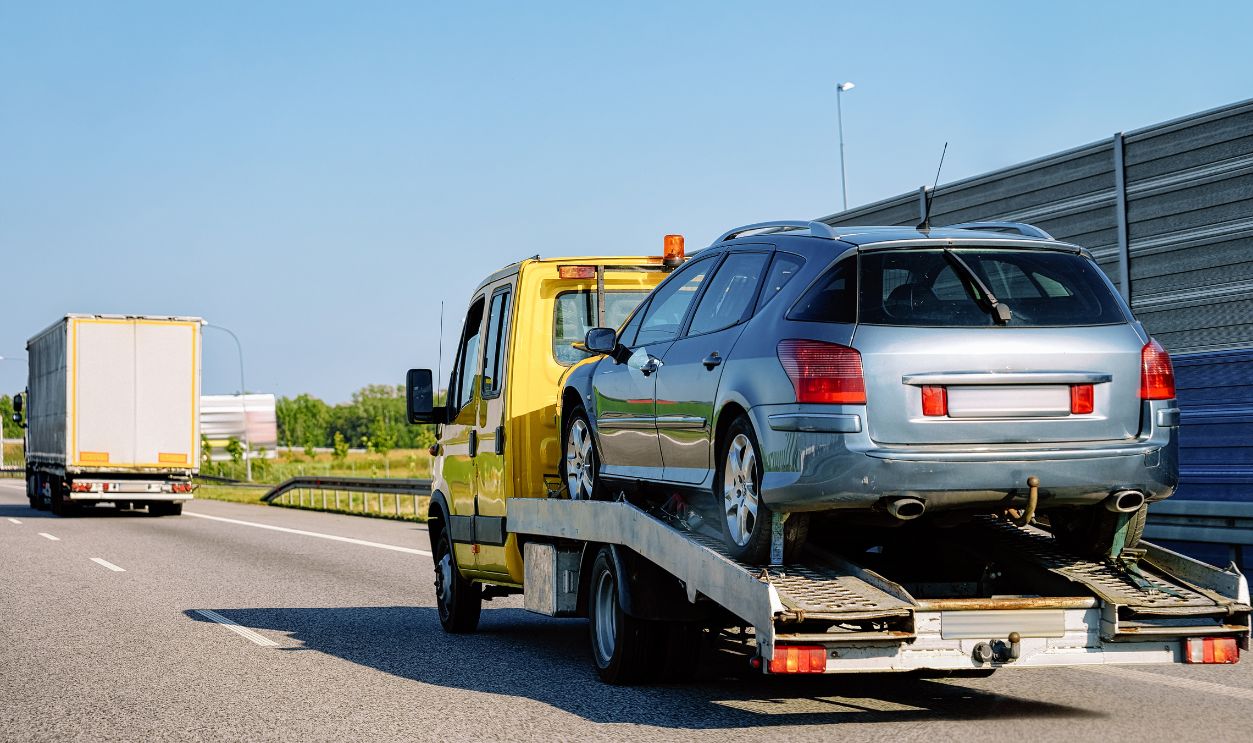
If you want the city to reimburse you, your strongest argument often is not “I was legal when I parked.” It is “the city did not follow its own notice rules.” If local law requires a certain amount of notice for non-emergency work, then the difference between routine work and a real emergency becomes the whole case.
 Motortion Films., Shutterstock
Planned Work and Emergency Work Are Different
Many cities require longer notice for scheduled projects than for emergencies. A paving job planned in advance may require signs to be posted well before towing starts. A water main break or collapsed pavement may trigger an exception that lets crews post quickly and clear the street almost at once.
Do Not Just Accept the Word “Emergency”
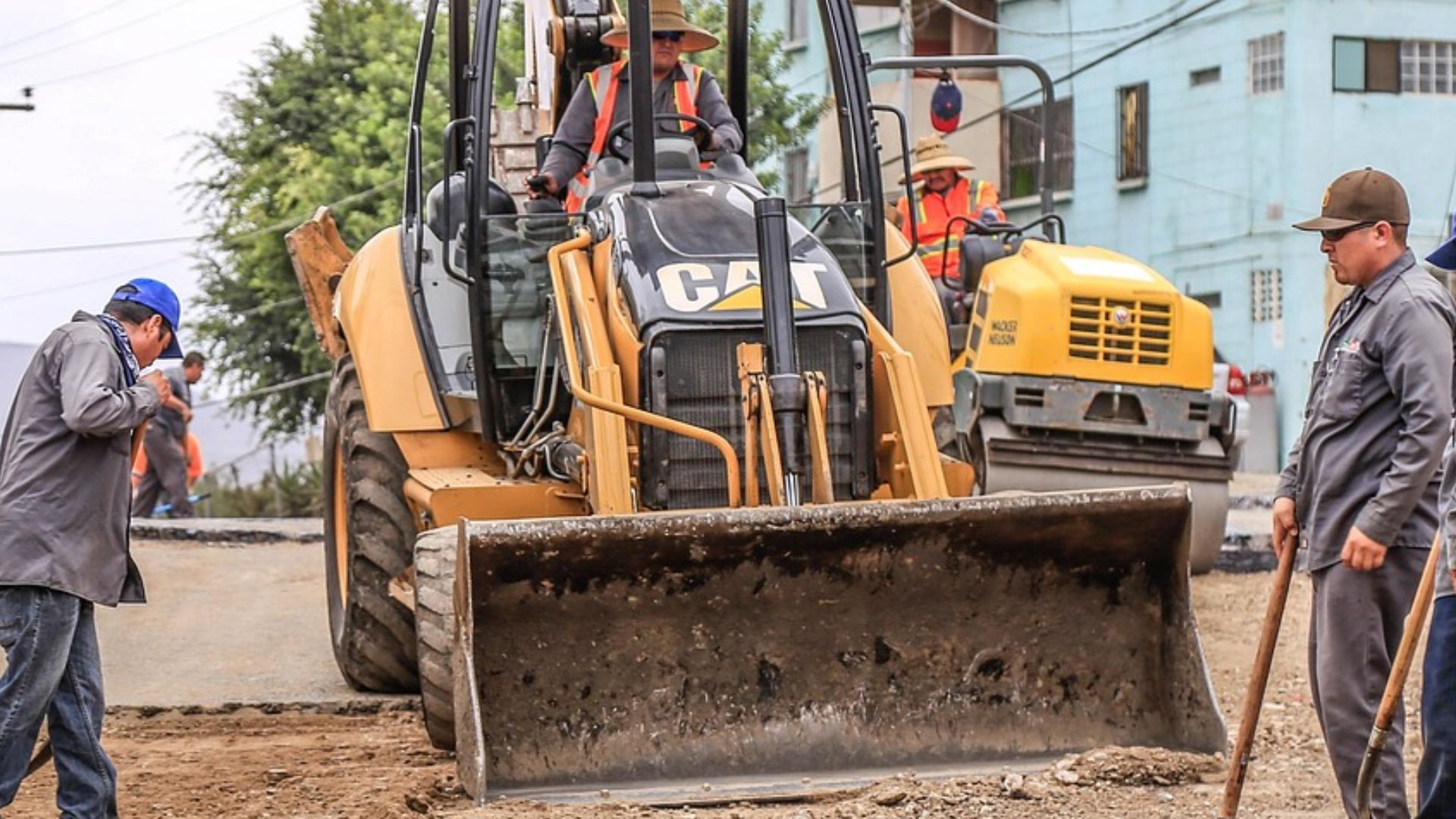
The city does not automatically get a pass because someone used that label. Ask what happened, when it was discovered, and which department made the call. If officials cannot show the roadwork was truly urgent, your argument for reimbursement gets much stronger.

Get the Paper Trail Right Away
Start by asking for the tow record, ticket record, and any emergency work order tied to your block. Ask when the temporary signs were posted, who put them up, and whether photos exist. Those details can show whether this was a true same-day problem or a planned job handled badly.

Photos Can Decide the Case
If you get back before the signs come down, photograph everything. Take close-ups of the signs, wide shots showing where they were placed, and pictures showing whether the wording was readable from where your car had been parked. Signs that were hard to see, missing dates, or placed poorly can become strong evidence.

Receipts Matter More Than Anger
Track every dollar you had to spend. Save the tow receipt, storage fee receipt, ticket, rideshare costs, and any proof of missed work if your city’s claims process allows those losses. Being upset is understandable, but paperwork is what wins reimbursement claims.

Do Not Miss the Deadline
Cities usually give you a short window to challenge a tow or parking ticket. Miss that deadline, and your case may be over even if the notice was shaky. Check the citation, impound papers, or city website right away for hearing and appeal instructions.

You May Have to Pay First and Argue Later
This is one of the most frustrating parts. In many places, you must pay the release fees before the impound lot will return your car. That does not always mean you lose the right to seek repayment, but it does mean the city often has the upper hand at the start.

Small Claims Court May Be an Option
If the city denies your claim, small claims court may be available depending on state law and local procedure. Judges usually focus on basic questions: Did the city follow its own rules, and can you prove what you lost?
 https://kaboompics.com/, Pexels
Claims Against the Government Have Strict Rules
Before suing, many states require you to file a formal claim with the government within a set time. California, for example, has a government claims process for money damages against public entities. Skip that step, and your case may be thrown out before anyone even gets to the tow itself.

If a Contractor Ordered the Tow
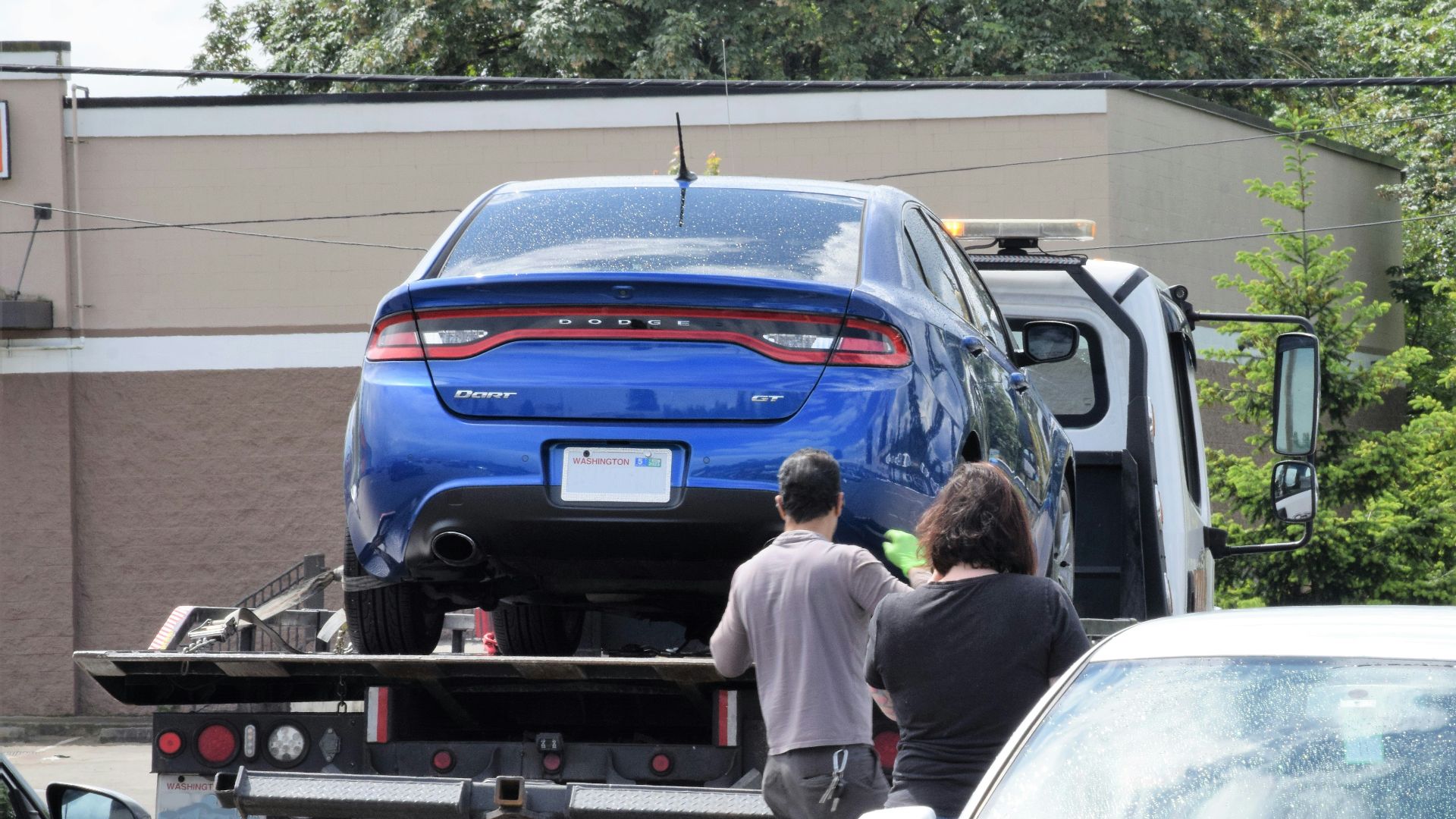
Sometimes the roadwork is being done by a utility company or private contractor acting under city authority. That can muddy the question of who should pay you back. The city may say the contractor handled the signs, while the contractor may say the city approved the tow. That is why you need the work permit and tow authorization records.
Utility Work Adds Another Layer
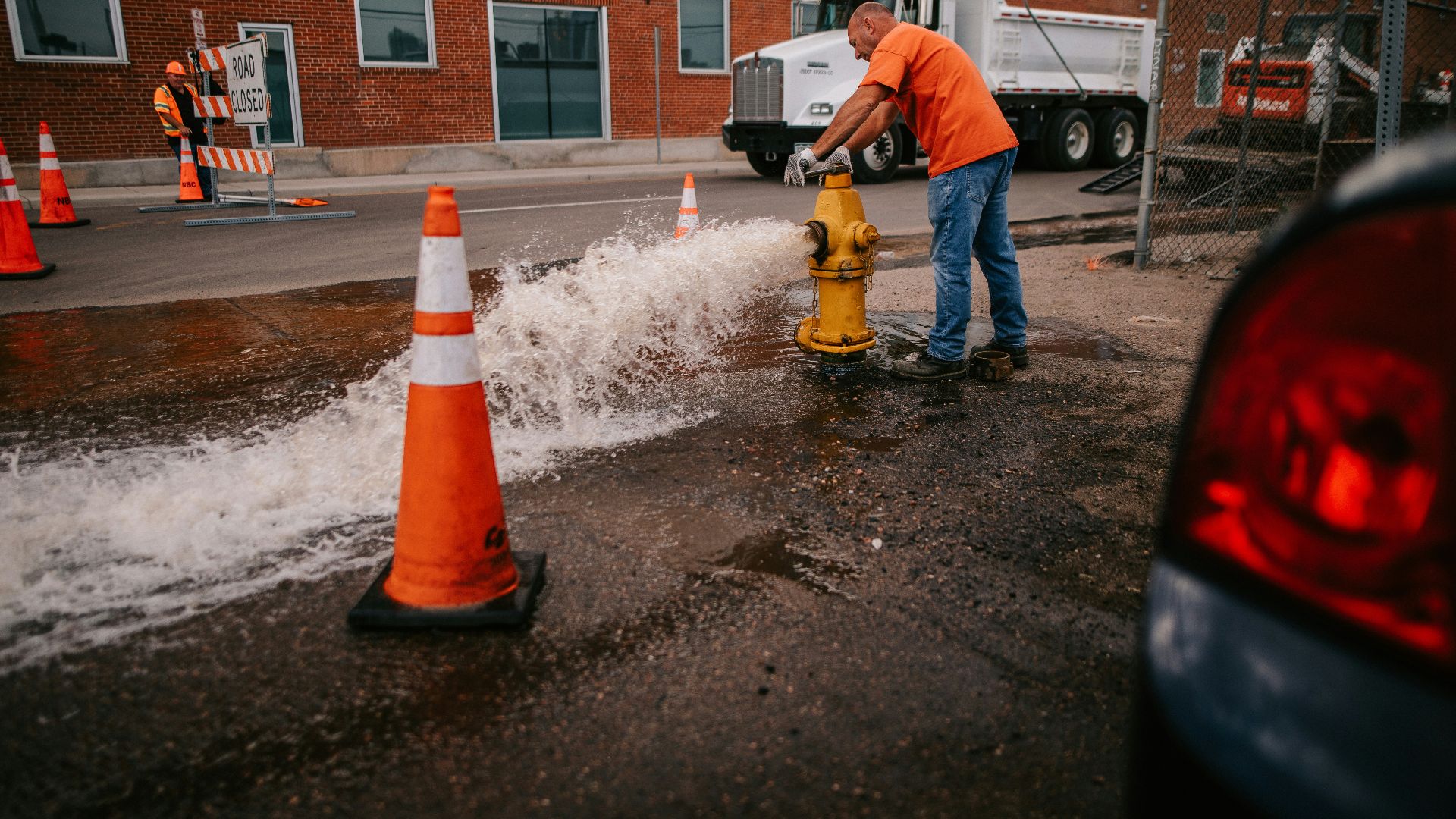
Emergency utility work, like a gas leak or water main break, often comes with faster clearance power because public safety is involved. That can weaken a reimbursement claim if the danger was real and properly documented. But if the utility or its contractor posted the signs the wrong way, they may still be responsible.
What Strong Cases Usually Look Like
The best reimbursement claims usually involve clear rule-breaking. Signs were posted too late under non-emergency rules, signs were not visible from the affected spaces, dates or times were missing, or the car was towed outside the restricted hours. Those are simple facts that hearing officers and judges can actually measure.

What Weak Cases Usually Look Like
A weak case usually starts with a real emergency and solid city records. If crews were responding to a sudden cave-in, burst pipe, or immediate safety hazard, officials often have broad power to clear the area. In that situation, it may still feel unfair, but the law may be on the city’s side.
How to Write the Appeal
Keep your appeal calm, short, and specific. Say when and where you parked, when you discovered the tow, what the city told you, and exactly why you think the notice fell short under the city’s own rules. Attach photos, receipts, and any records suggesting the work was planned rather than truly urgent.

A Good Script for the First Phone Call
Ask the parking agency or transportation department five direct questions: When were the signs posted? When was the emergency declared? What department ordered the tow? How do I request a tow hearing? How do I get the records? You are building a timeline, and timelines often decide these cases.

How to Protect Yourself Next Time
If your city offers parking alert apps, street work maps, or utility outage notices, sign up for them. Try not to leave a car for days on blocks with active permit work, cones, fresh paint marks, or utility flags. None of that guarantees anything, but it can lower the odds of getting caught off guard.

The Bottom Line
If the city followed valid emergency procedures, you will often end up paying the tow bill even though your car was legal when you parked it. If the city or its contractor broke local notice rules or called planned work an emergency when it was not, you may have a solid reimbursement claim. In the end, the answer usually comes down to documents, dates, and whether the emergency was real.

Your Best Move Is Fast Action
Move quickly, gather records, and challenge the tow before the deadline runs out. Cities know many people will be too busy or too frustrated to build a paper trail. If you stay organized, you give yourself the best shot at turning a tow bill into a refund.