The Scratch That Changes Everything
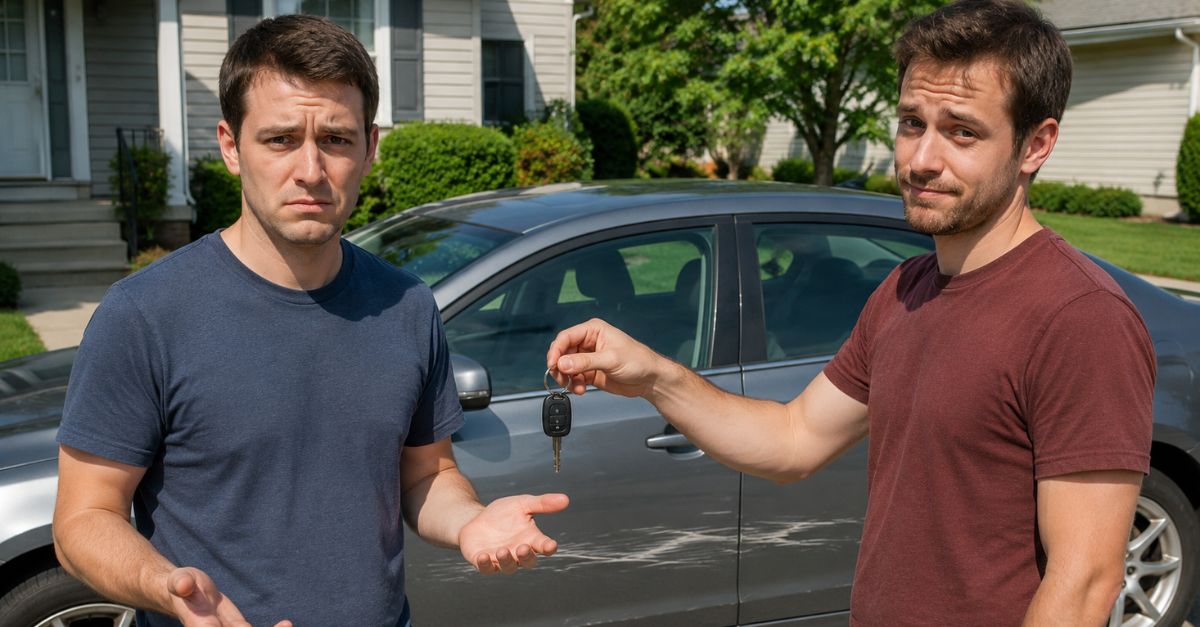
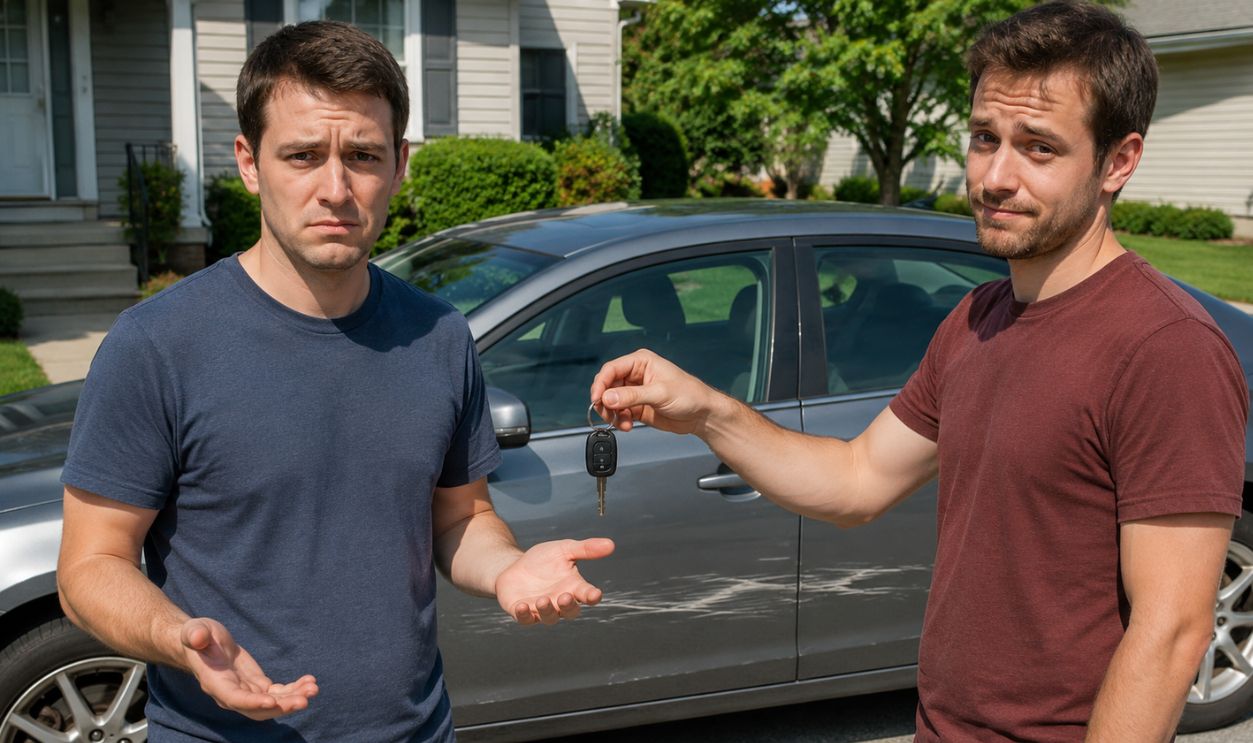
Your brother borrows the car for a date, brings back the keys, and somehow misses the giant scrape on the door. That kind of moment brings a mix of disbelief, anger, and one very practical question: who pays? Families run into this all the time, and the best place to start is with the facts.
First, Figure Out What Happened
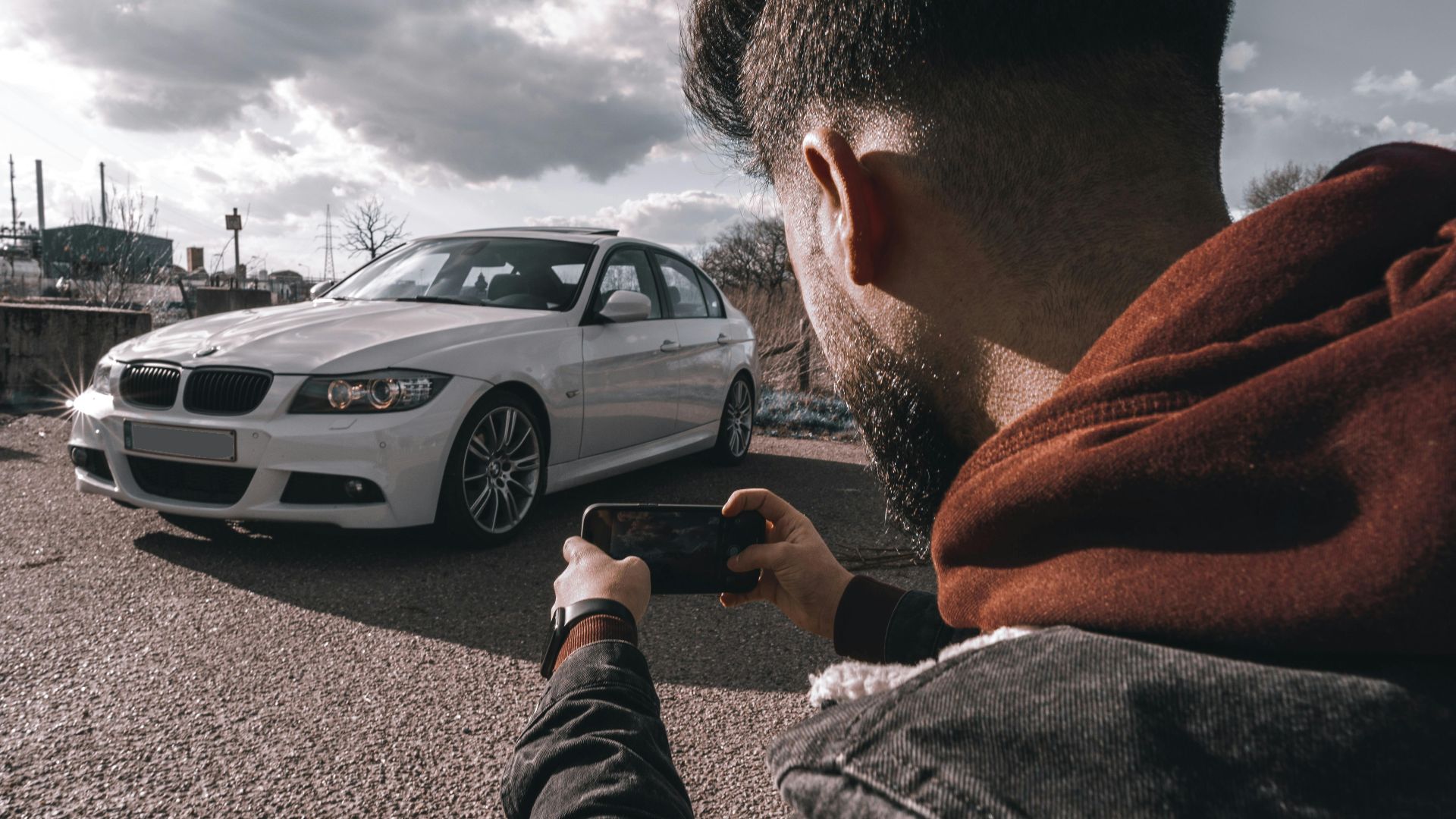
Before this turns into a full family feud, document the damage. Take clear photos in daylight, note when you found the scratch, and write down what your brother said when he returned the car. If the damage showed up after he used the car, that timing matters for both family talks and insurance questions.
“I Didn’t Notice” Does Not End The Matter
A driver really can miss damage if it happened in a cramped parking lot or during a rushed stop. But not noticing it does not wipe away responsibility. The real issue is not whether he saw it. It is whether the damage happened while the car was in his care.

Insurance Usually Follows The Car
One of the biggest things people miss is that auto insurance usually follows the vehicle, not the driver, when someone had permission to use it. The Insurance Information Institute says that if you let another person drive your car, your policy is typically the primary coverage. That means the owner often has to deal with the claim first, even if a sibling caused the damage.

Permission Matters More Than The Family Relationship
Insurance companies care a lot about permissive use. If your brother had your okay to borrow the car, that is usually treated very differently from someone taking it without permission. So the exact conversation before the date matters more than whether he is your brother, cousin, or roommate.

The Deductible Is Where The Real Fight Starts
Even when insurance covers damage, the deductible can turn a simple scratch into a bigger problem. If your collision deductible is $500 or $1,000, a repair bill close to that amount may not be worth claiming. In a lot of families, the simplest answer is for the borrower to pay the cost directly.

Even A Scratch Can Get Expensive Fast
A “huge scratch” can mean very different things once a body shop sees it. If it only touched the clear coat, the repair may be fairly limited. If it cut into the paint, primer, or metal, the price can climb quickly, especially on newer finishes that require blending nearby panels.
What Consumer Experts Recommend
Consumer Reports has long advised drivers to think carefully before filing smaller claims because repeated claims can affect premiums. That matters here. If the repair costs less than, or only a little more than, your deductible, many families choose to handle it between themselves instead of involving insurance.

Get An Estimate Before Anyone Starts Arguing
Do not fight over a made-up number. Get one or two written estimates from reputable body shops and ask exactly what the repair includes. A real estimate shifts the conversation from feelings to dollars, which often helps cool things down.

Photos Beat Memory Every Time
If your brother says the scratch was already there, photos and maintenance records can help. Time-stamped phone pictures, inspection reports, and even listing photos from a recent sale or refinance can help show the car’s condition. Family memory gets fuzzy. A camera roll is harder to argue with.

Ask Questions While The Details Are Still Fresh
Build a simple timeline. Ask where he parked, whether anyone else drove, and whether he remembers brushing against a post, wall, or trash can. The sooner you ask, the better your chances of getting useful details instead of a defensive “I don’t know.”

The Parking Lot May Hold The Missing Piece
If the date involved a restaurant, movie theater, or garage, move quickly. Some businesses have security cameras, but footage may be erased within days. If the scratch is serious and the story does not add up, asking politely and fast gives you the best chance of finding out what happened.

Hit-And-Run Rules Can Raise The Stakes
If your brother hit another car or object and left without reporting it, this is no longer just a family problem. State laws vary, but drivers are generally required to stop and provide information after property-damage crashes. A shrug and “I didn’t notice” may not go very far if another owner reports it.

State Reporting Rules May Also Matter
Reporting requirements depend on state law and how serious the incident was. Some states require reports for certain levels of damage, injury, or collisions involving unattended property. If you think another vehicle or public property was involved, check your state DMV or public safety site rather than guessing.

If You File A Claim, Stick To Plain Facts
If you do make an insurance claim, say only what you know. Explain when your brother borrowed the car, when the damage was discovered, and what he said about it. Do not add guesses about what probably happened unless you can back them up.

Why Families Often Handle This Privately
Money is only part of the issue. Filing a claim can push premiums up, and it can also leave the owner feeling punished for helping out. That is why many families settle on a simple rule: if you borrowed it and damaged it, you pay to fix it.

But The Real Problem May Be Money
Not every sibling can hand over hundreds of dollars on the spot. In real life, families often work out payment plans, split the deductible, or trade labor and cash. The best arrangements are clear, written down, and realistic enough to actually happen.

Put The Deal In Writing
This does not have to look like a legal document. A text message confirming the estimate, the amount owed, and the payment date is often enough to prevent another argument later. Written terms help even more if the repair gets delayed or the final bill changes after the shop begins work.

Do Not Ignore Damage That Could Affect Safety
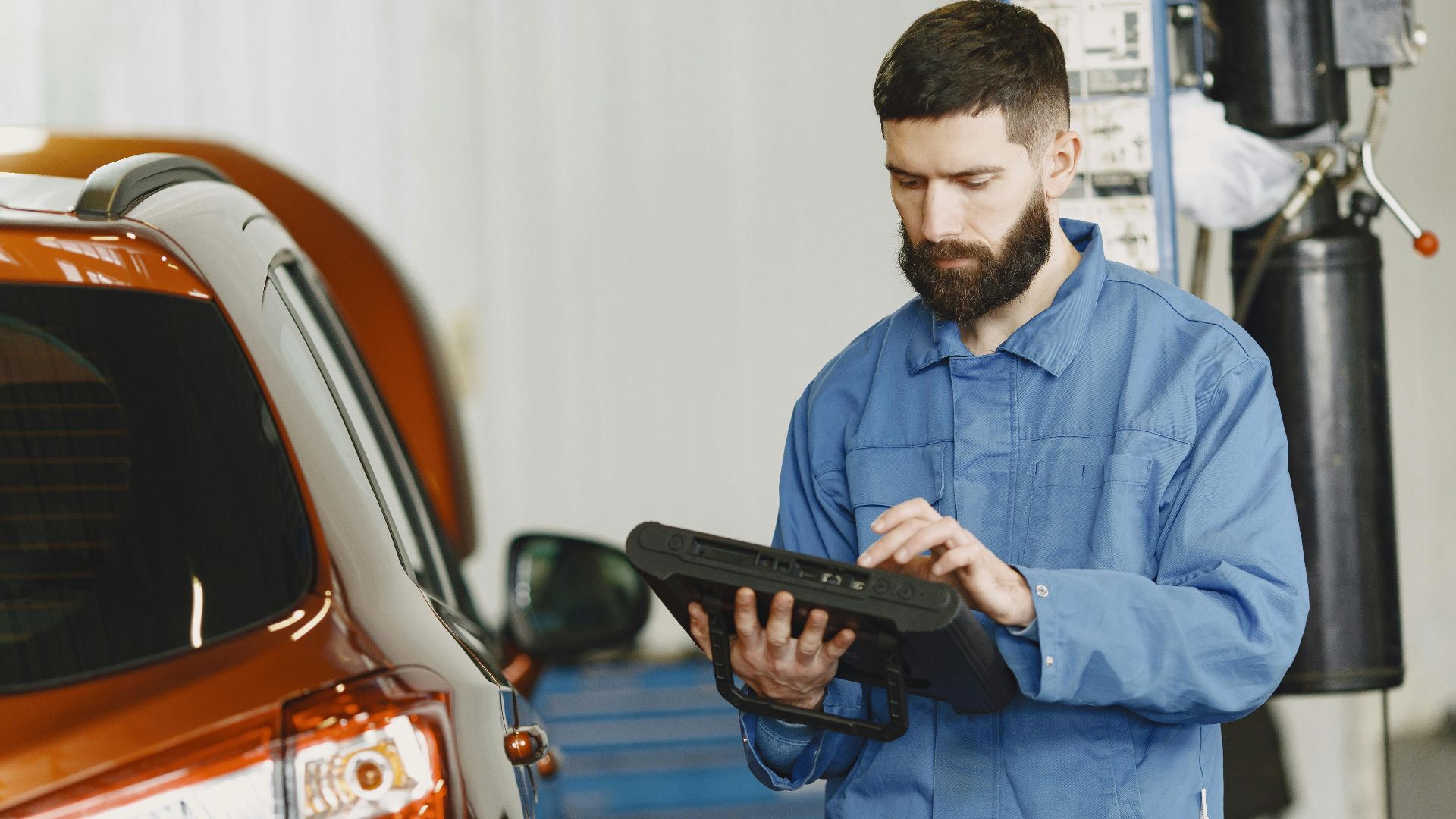
If the scratch is near a sensor, camera, light, wheel arch, or door edge, it may be more than cosmetic. Modern cars often hide expensive driver-assistance hardware behind bumpers and body panels. Ask the shop whether the damage affects calibration, sealing, or rust protection before going with a cheap touch-up.
Check If He Counts As A Household Driver
There is another insurance detail that matters. Some insurers expect regular household drivers to be listed on the policy. If your brother lives with you and uses the car often, check the policy language because unlisted household drivers can complicate coverage.

This Is Where Boundaries Begin
Once the repair issue is on the table, the harder question comes next: should he borrow the car again? A lot of families tighten the rules after one bad night. Common limits include no borrowing for dates, no overnight use, or no keys unless the borrower agrees to cover any damage.

A Quick Walkaround Can Save A Lot Of Trouble
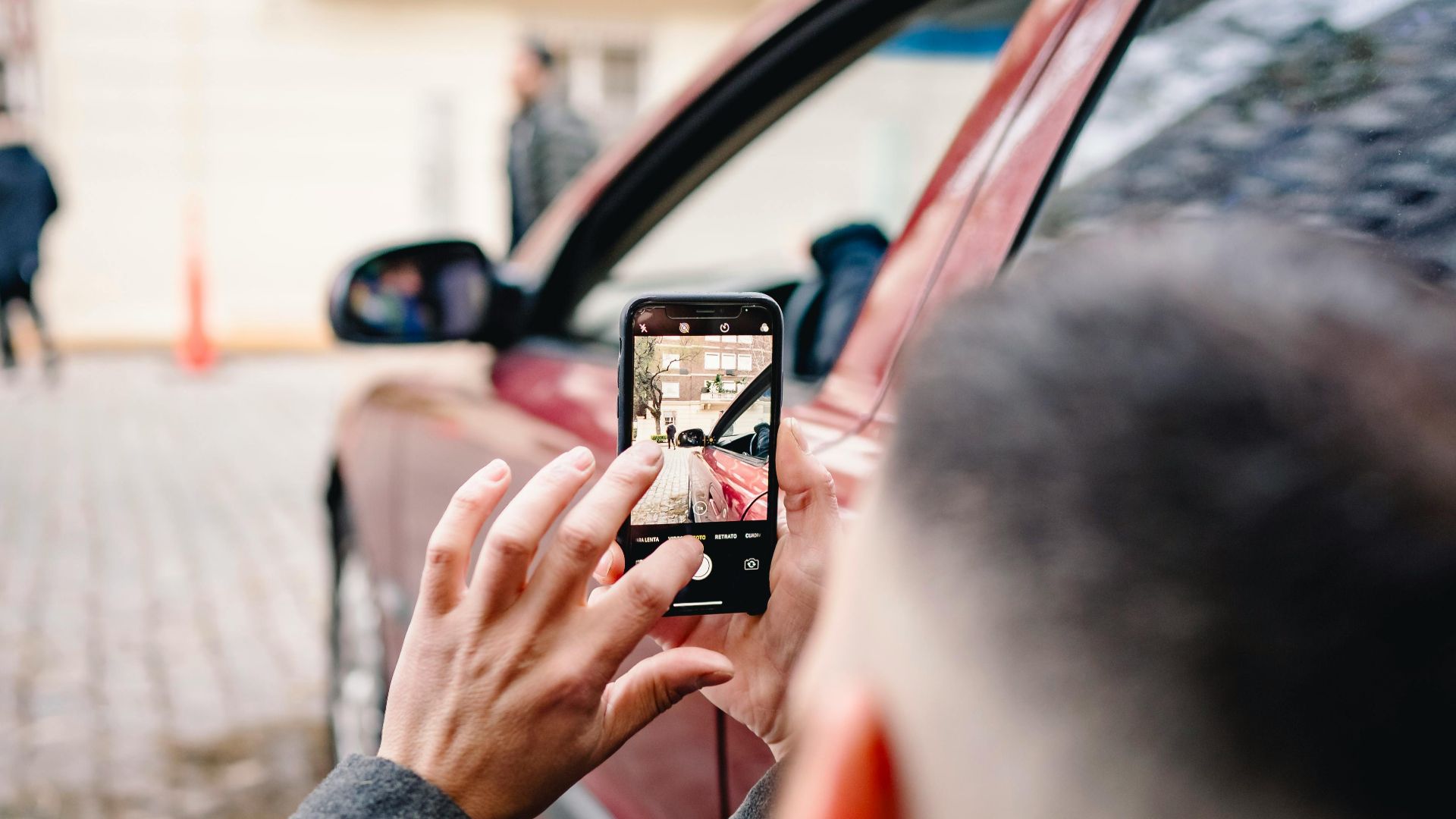
This sounds a little fussy until the first scratch appears. A two-minute walkaround with phone photos before and after someone borrows the car can prevent a lot of drama. Rental companies do this for a reason.
Use The Same Rule For Everyone
Family tension gets worse when the rules feel personal. If one sibling gets a pass and another gets charged, the scratch turns into a loyalty fight. A consistent policy for anyone who borrows the car keeps things fair and easier to explain.

What To Say If You Want To Keep It Civil
Lead with the facts and the estimate. Try something like, “The scratch was discovered when you returned the car on Saturday, the estimate is $780, and I need you to cover it.” That is direct without making the conversation feel like a courtroom scene.

What To Say If He Denies It
If he insists he did not do it, bring the discussion back to possession and responsibility. The key point is that the damage was not there before and showed up while he had the car. Families do not always get a confession, but they can still reach a fair result.

Sometimes It Is Smarter To Let It Go
Not every scratch is worth blowing up a family relationship. If the damage is minor and the relationship matters more, you may decide that a warning and a new no-loan rule is enough. That is not weakness. It is a practical decision.

Sometimes You Need A Harder Line
If he is evasive, refuses to help, or has a history of careless borrowing, then the scratch is part of a pattern. In that case, firm boundaries matter more than keeping holiday dinner smooth. The rule can be simple: no repayment, no future access to the car.

The Best Family Rule Is Clear And Boring
The most effective solution is not dramatic at all. Anyone who borrows the car returns it with the same amount of fuel, reports any problem right away, and pays for damage that happened while it was in their care. It may not make a great story, but it does keep family life from spiraling over one ugly scrape.