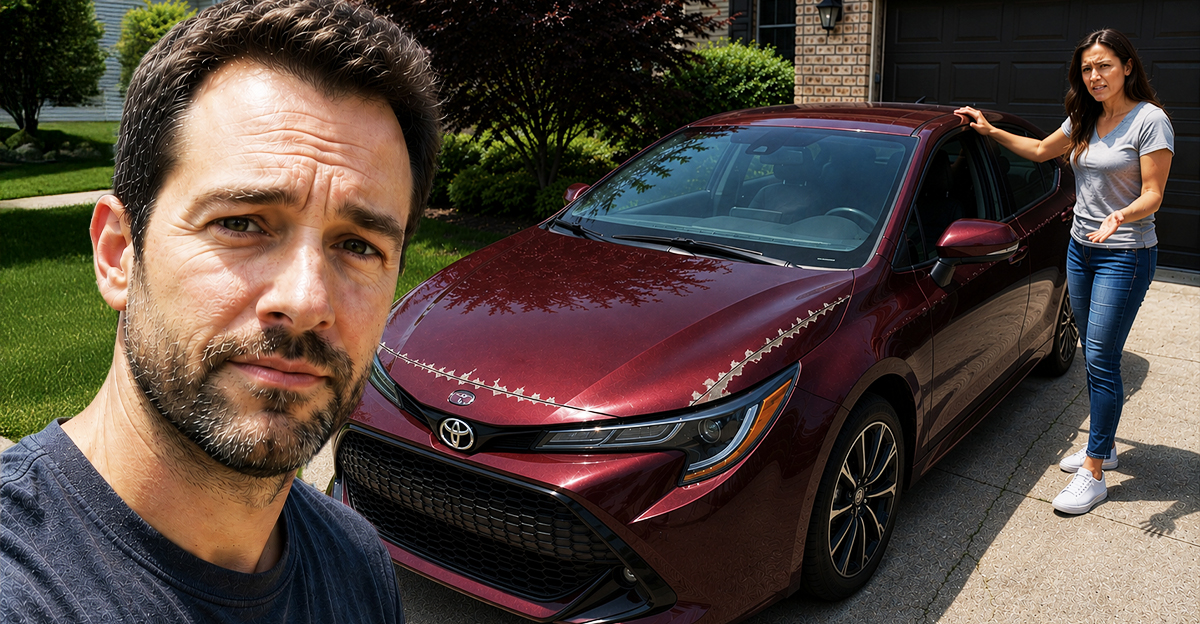
The Problem Begins
You notice the paint looking dull around the hood edges and the tops of the doors. Then the clear coat starts peeling, exposing the color beneath. It is a common problem on older vehicles, especially those parked outdoors, but acting early can save money and preserve your car's appearance.
What Clear Coat Does
Modern automotive paint usually consists of primer, a colored base coat, and a transparent clear coat. The clear coat provides gloss while shielding the underlying paint from ultraviolet light, moisture, road chemicals, and minor abrasion. Once it begins failing, the base coat loses its primary protection.
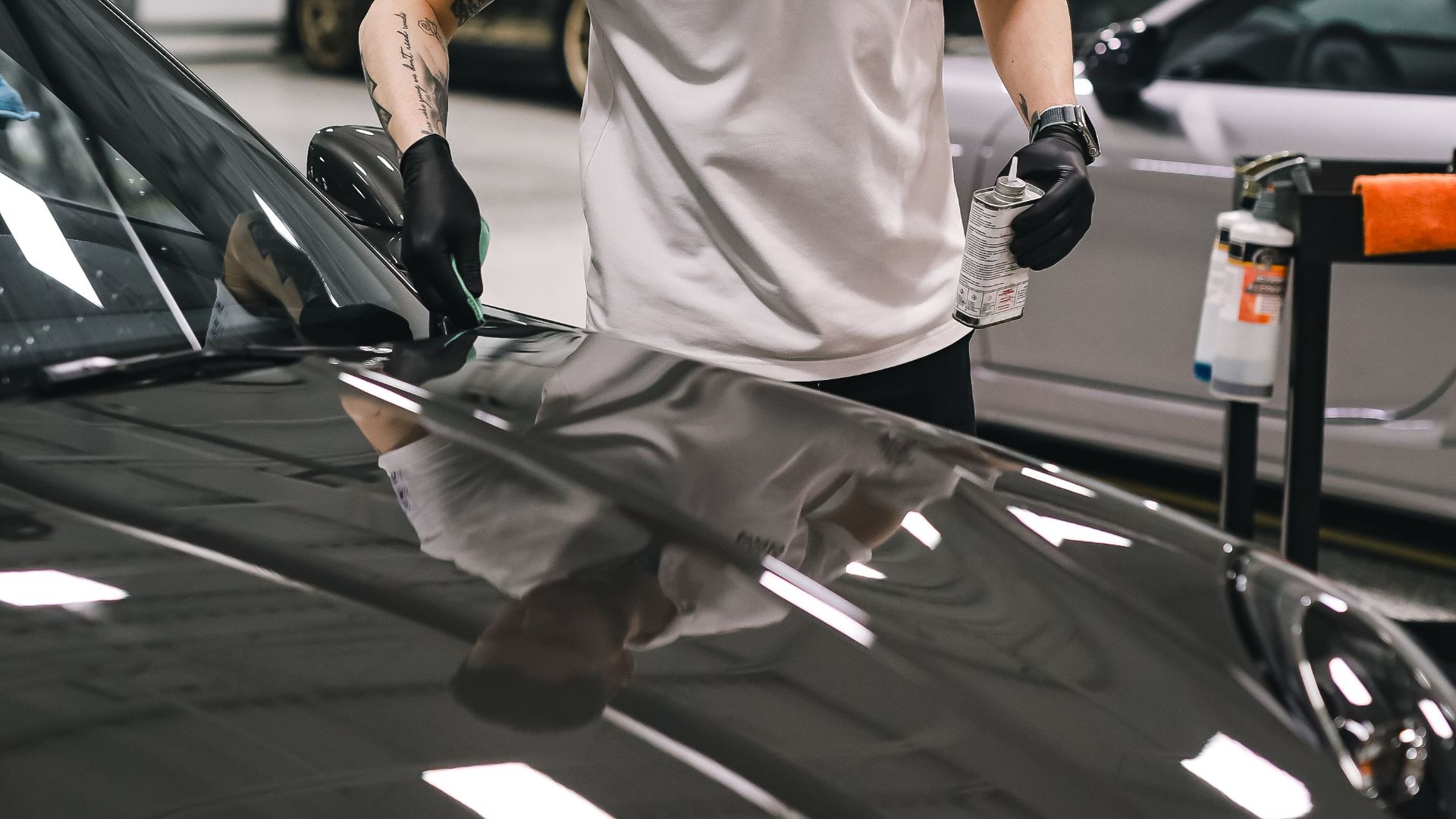
Why It Happens
Clear coat gradually deteriorates from years of sunlight, heat, oxidation, road salt, pollution, and repeated washing. The damage usually accumulates slowly until small cloudy areas suddenly begin peeling, often after ten or more years of exposure.
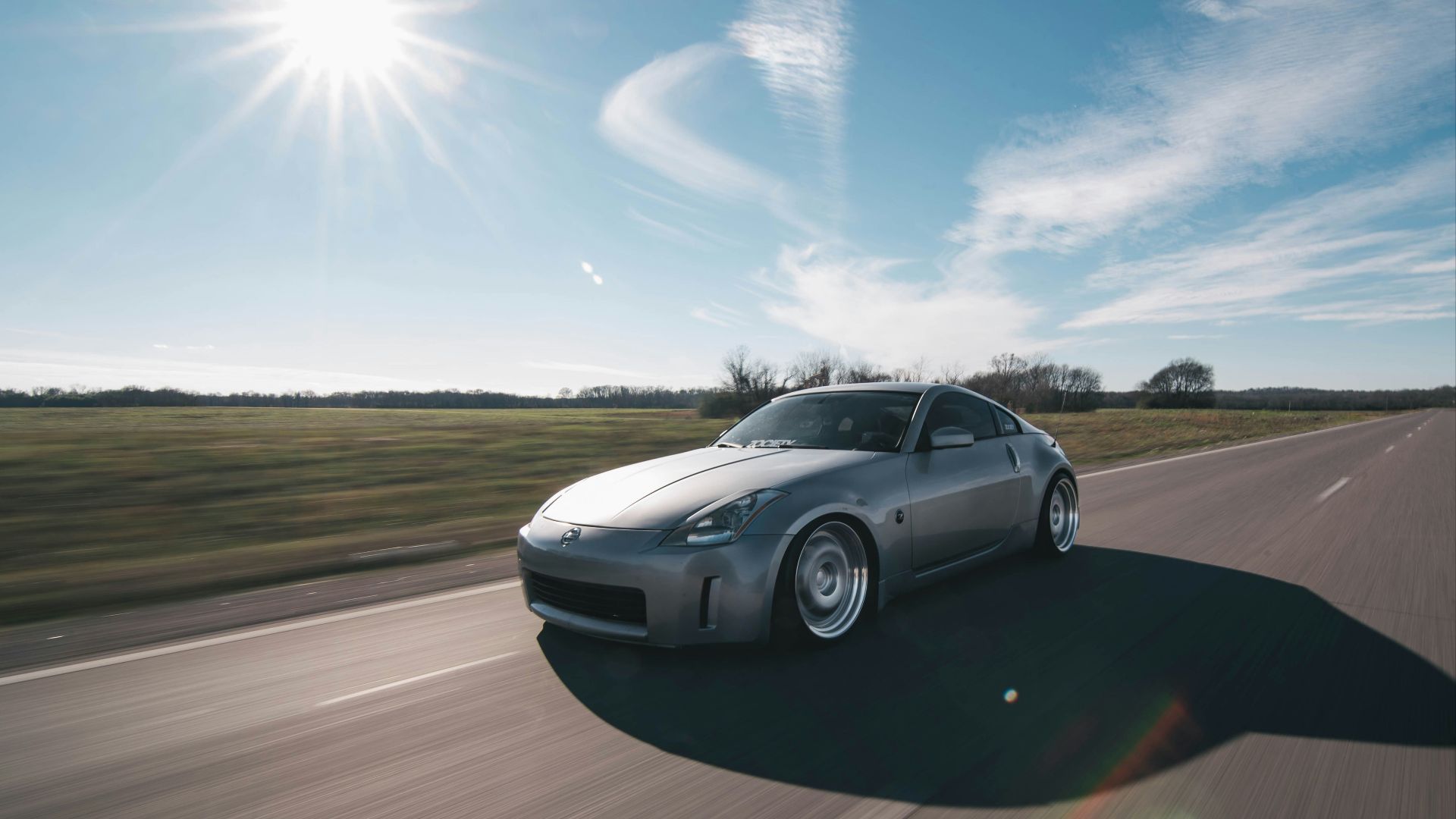
High Risk Areas
Horizontal surfaces receive the harshest ultraviolet exposure. Hood edges, roofs, trunk lids, mirror caps, and the upper portions of doors often show damage first because they receive the most direct sunlight throughout the day.

One Hundred Thousand Miles
Mileage itself rarely destroys paint. Instead, 100,000 miles usually means many years of outdoor exposure, highway debris, automatic car washes, and seasonal weather. Age and environmental conditions matter much more than the odometer reading.
 Bits and Splits, Adobe Stock Images
Know The Difference
Not every dull finish means clear coat failure. Oxidation and surface contamination can often be corrected with detailing. Peeling, flaking, or lifting clear coat is much more serious because the protective layer has already separated from the paint beneath.
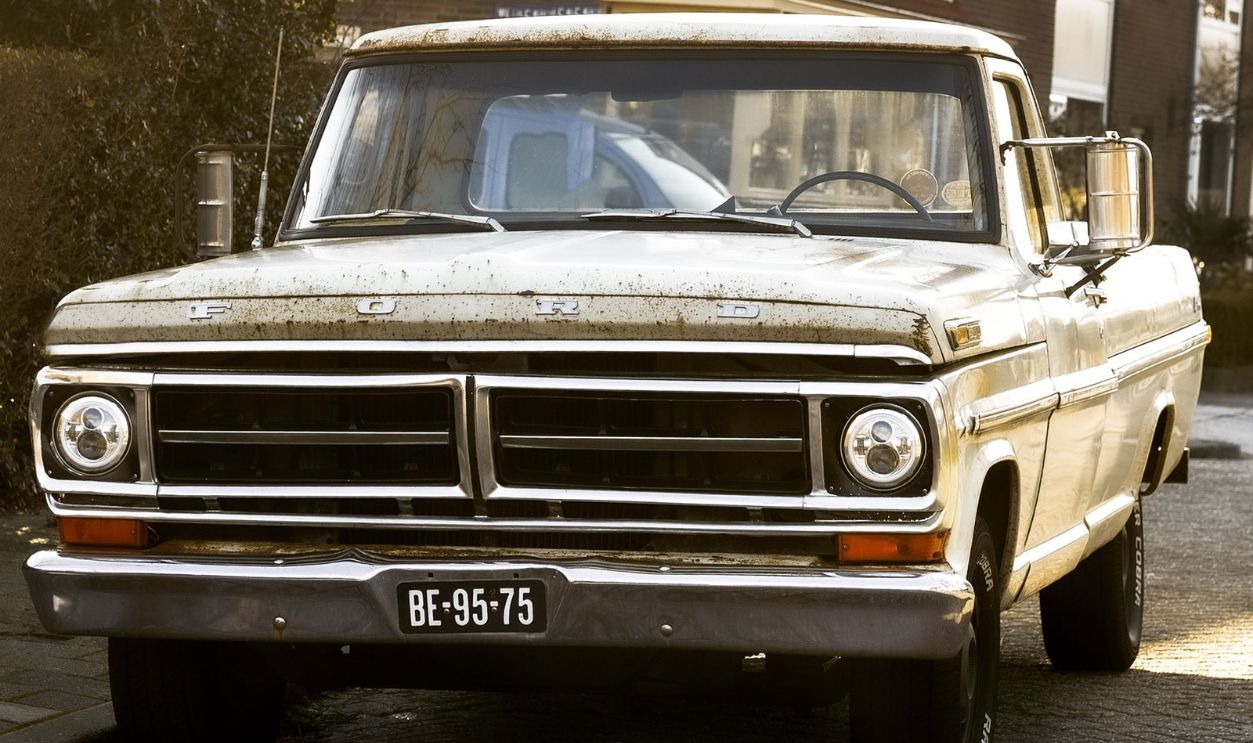
Inspect Carefully
Wash the vehicle thoroughly before deciding on repairs. Look for cloudy patches, lifting edges, white hazy spots, or exposed color coat. Photograph the damage so you can monitor whether it spreads over the coming months.
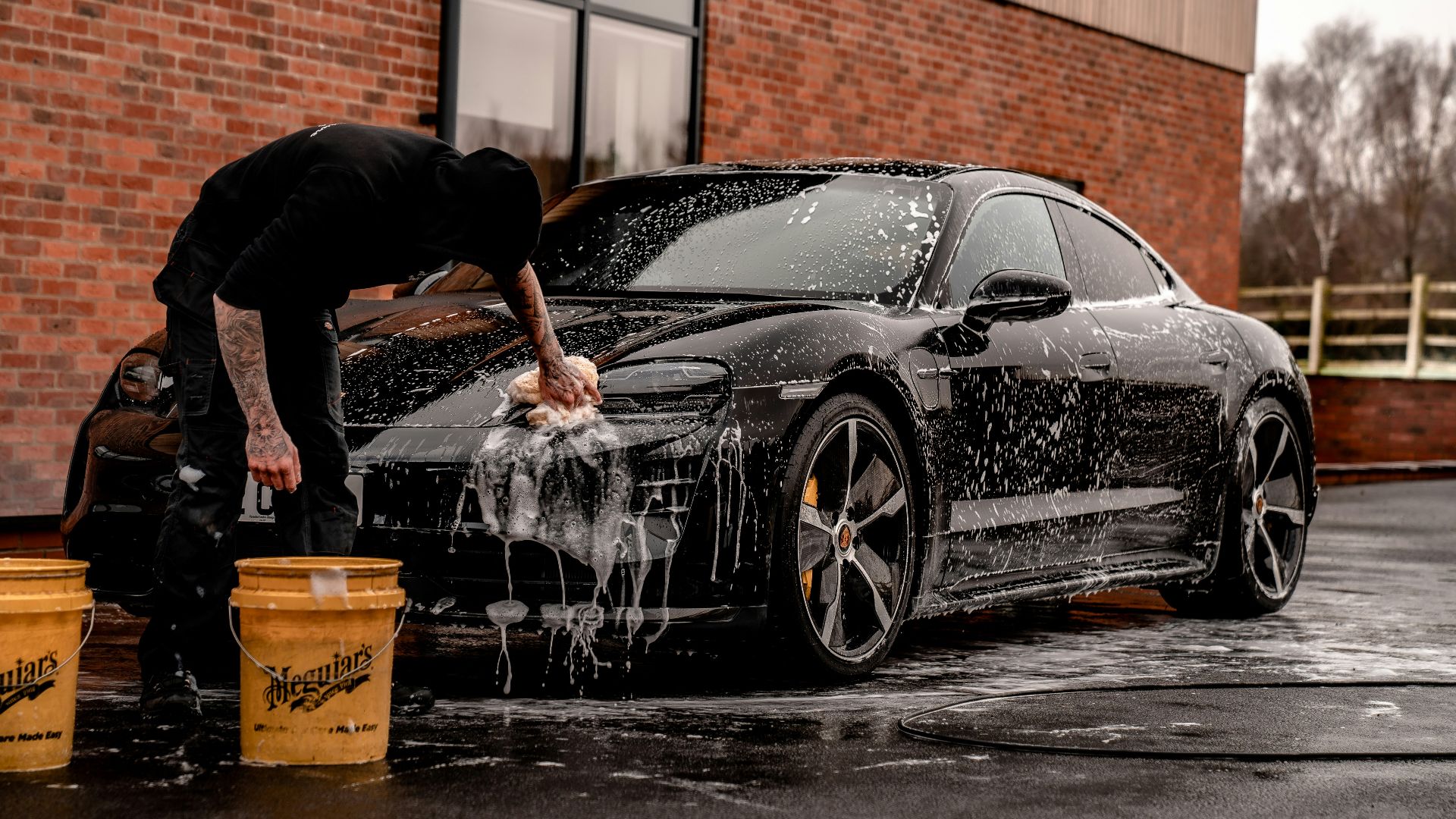
Wash The Right Way
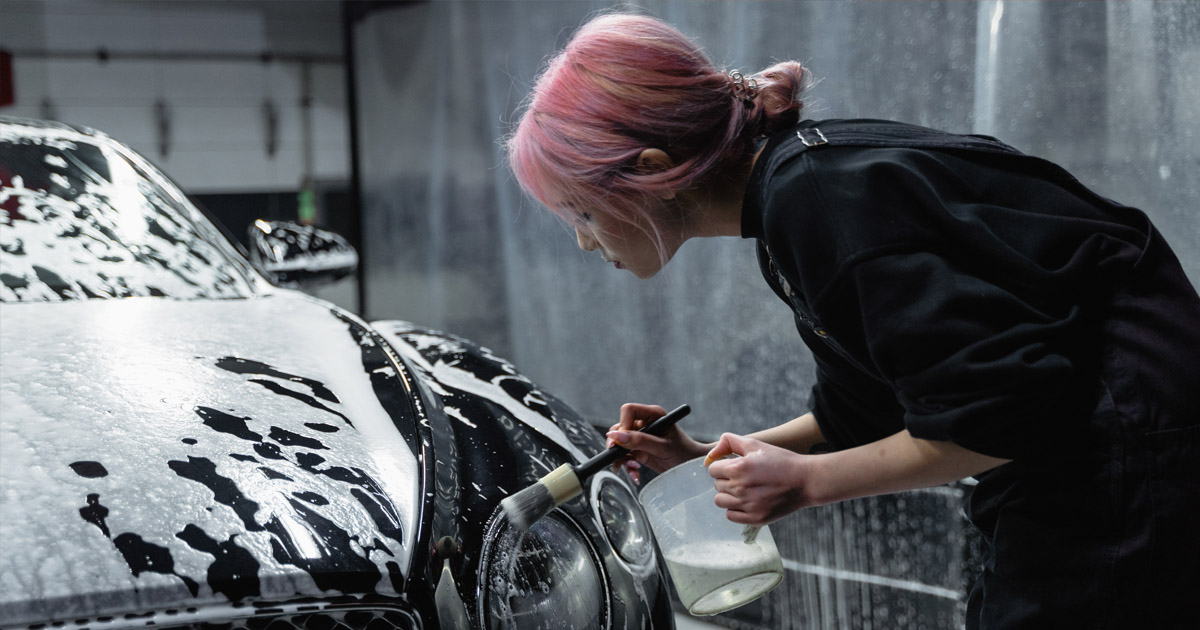
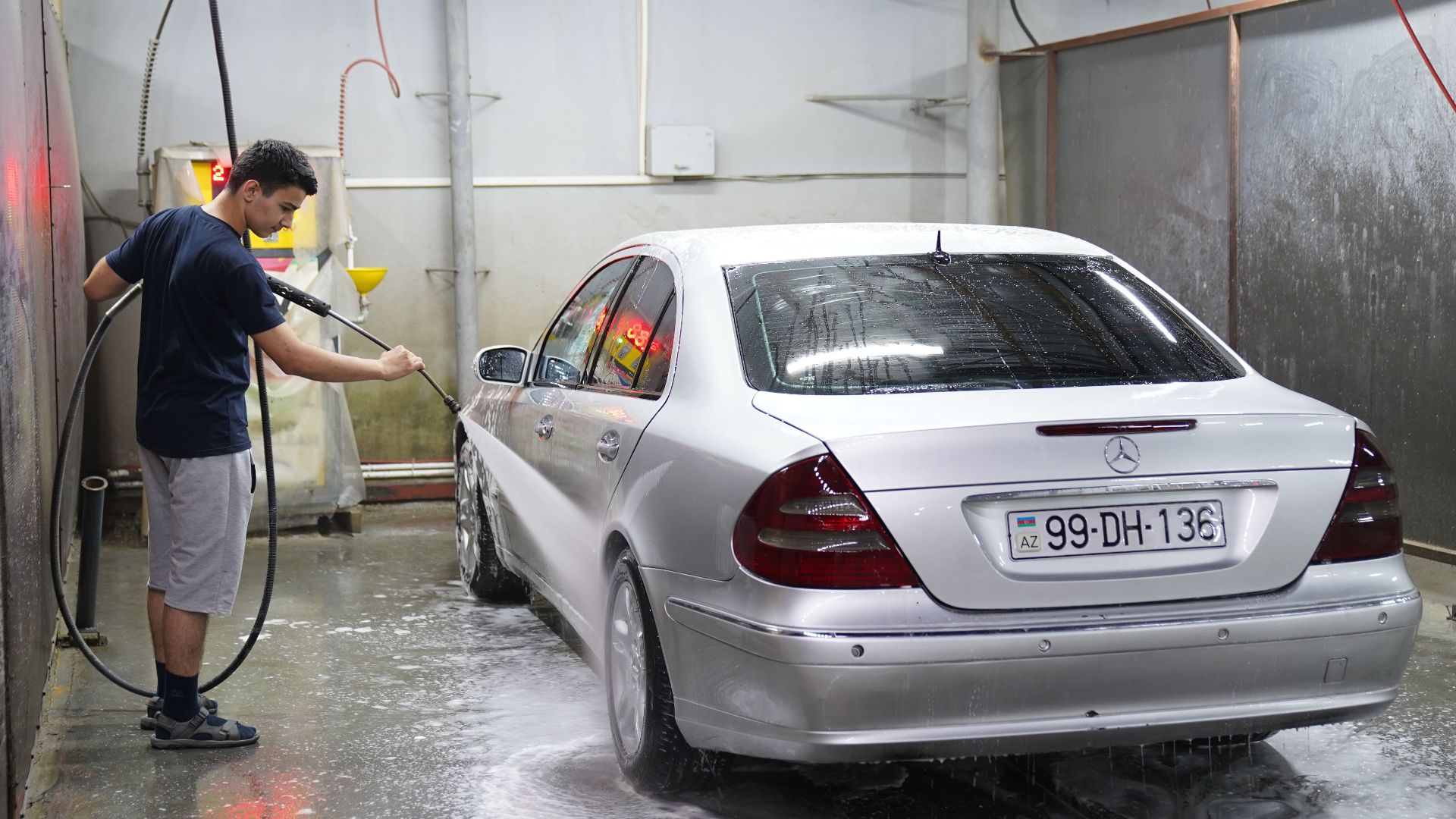
Frequent washing helps remove dirt, salt, bug residue, and bird droppings that can damage paint. Use automotive car wash soap, microfiber mitts, and clean drying towels instead of household detergents or abrasive brushes.
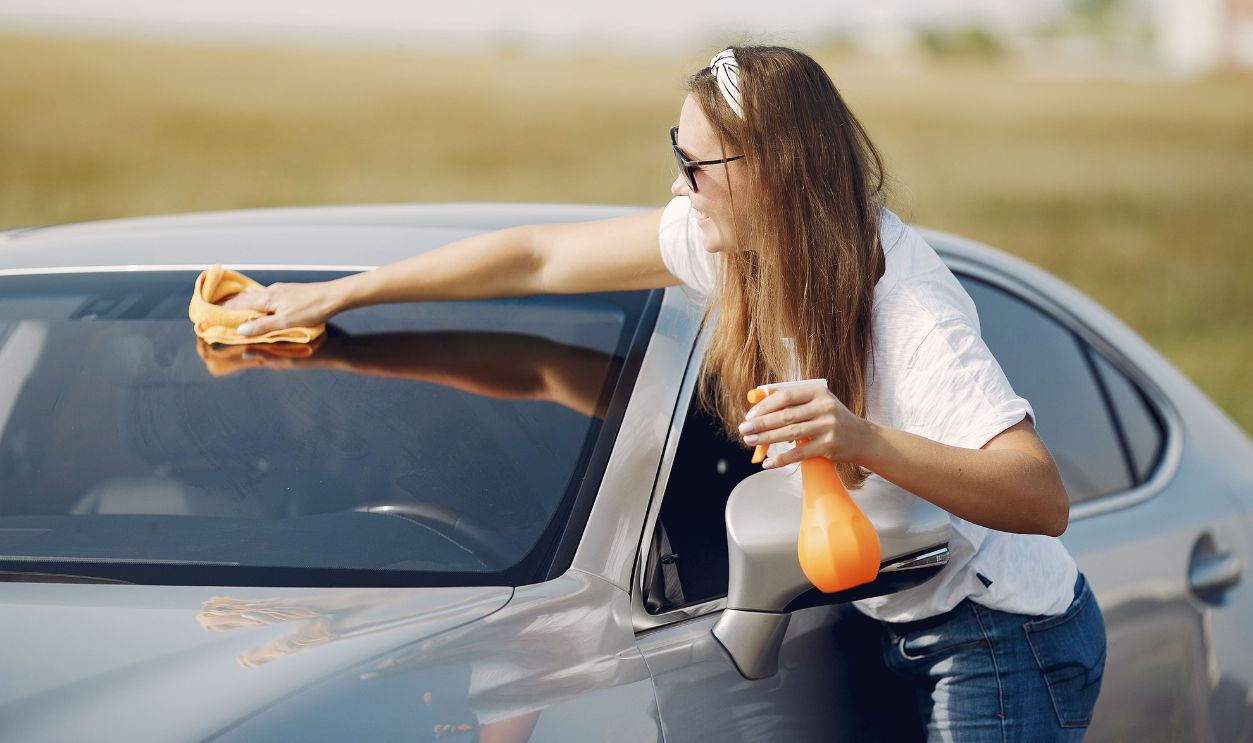
Wax Still Helps
Traditional wax cannot restore missing clear coat, but it can protect healthy areas from further ultraviolet damage and oxidation. Reapplying quality wax every few months remains a practical maintenance habit for many daily drivers.
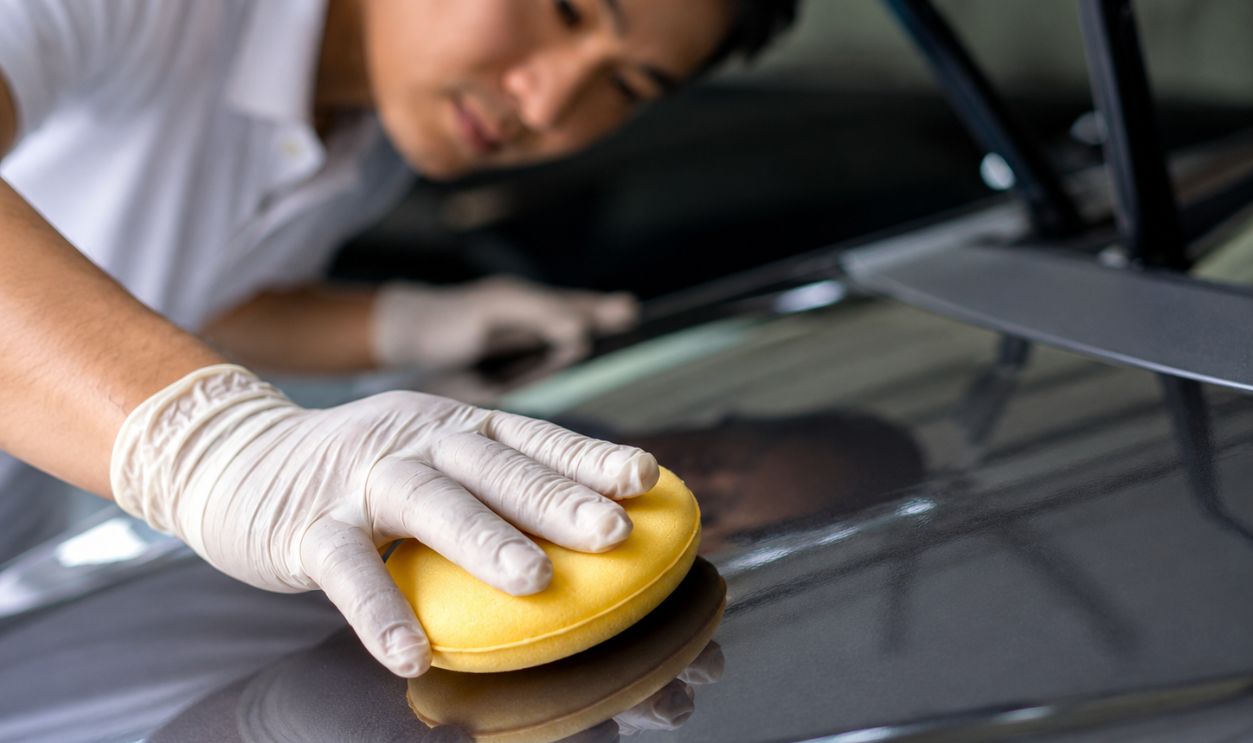
Consider Ceramic Protection
Ceramic coatings provide longer-lasting chemical resistance and hydrophobic properties than traditional waxes. They cannot repair failed clear coat, but they can help preserve surrounding healthy paint and reduce future environmental damage.
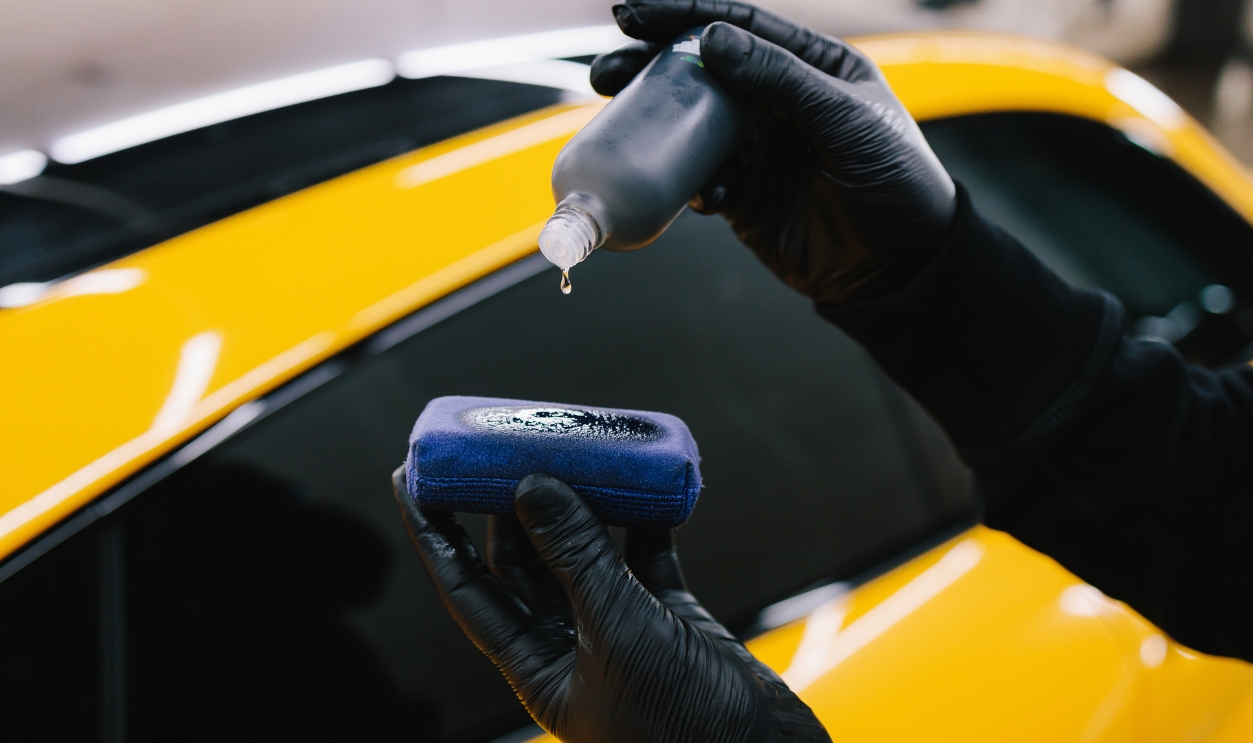
Paint Protection Film
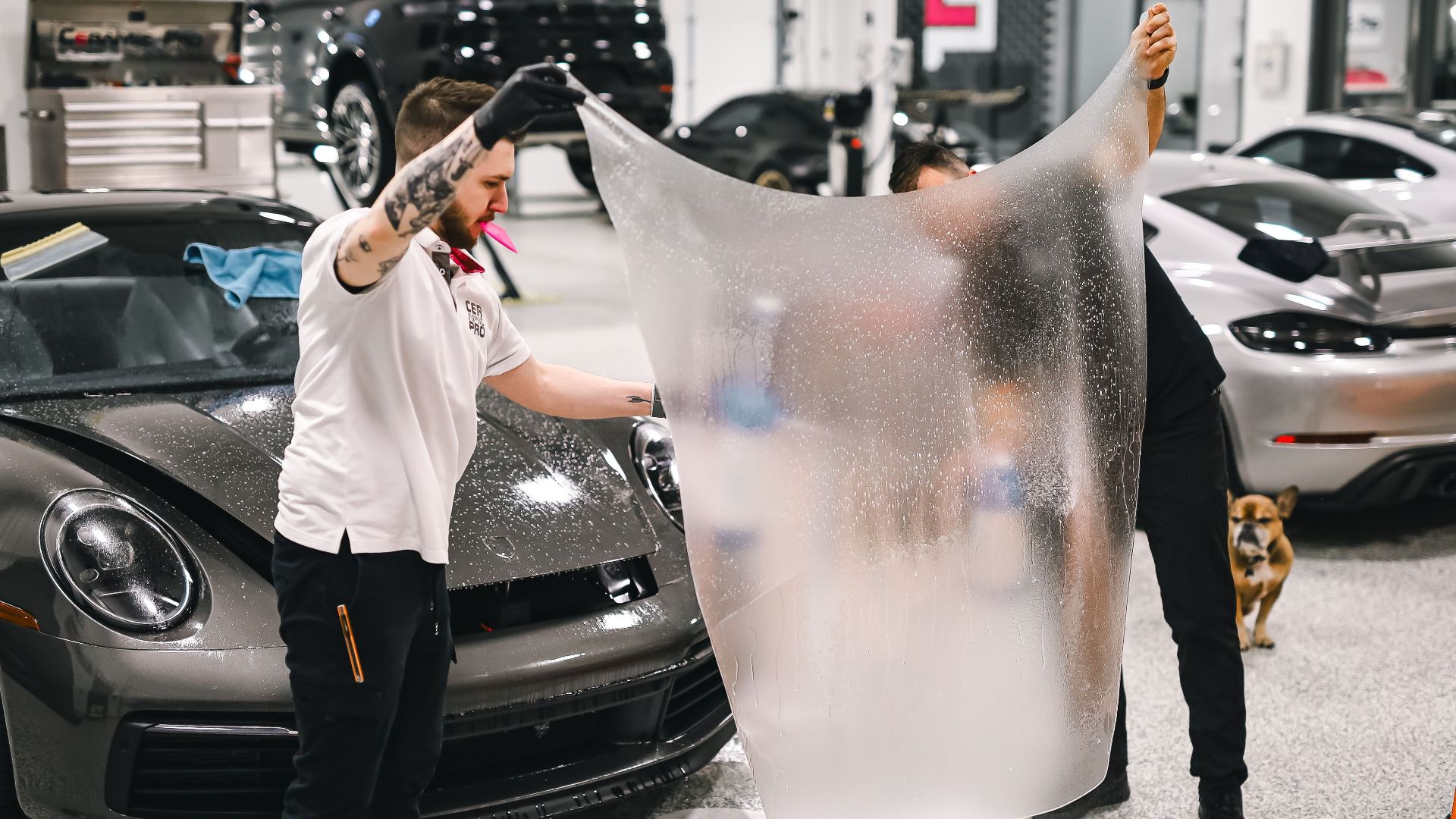
If the paint is still healthy, paint protection film can shield vulnerable areas from stone chips and minor abrasions. Many manufacturers and owners install it on hood edges, mirrors, rocker panels, and other high-impact surfaces.
Avoid Harsh Polishing
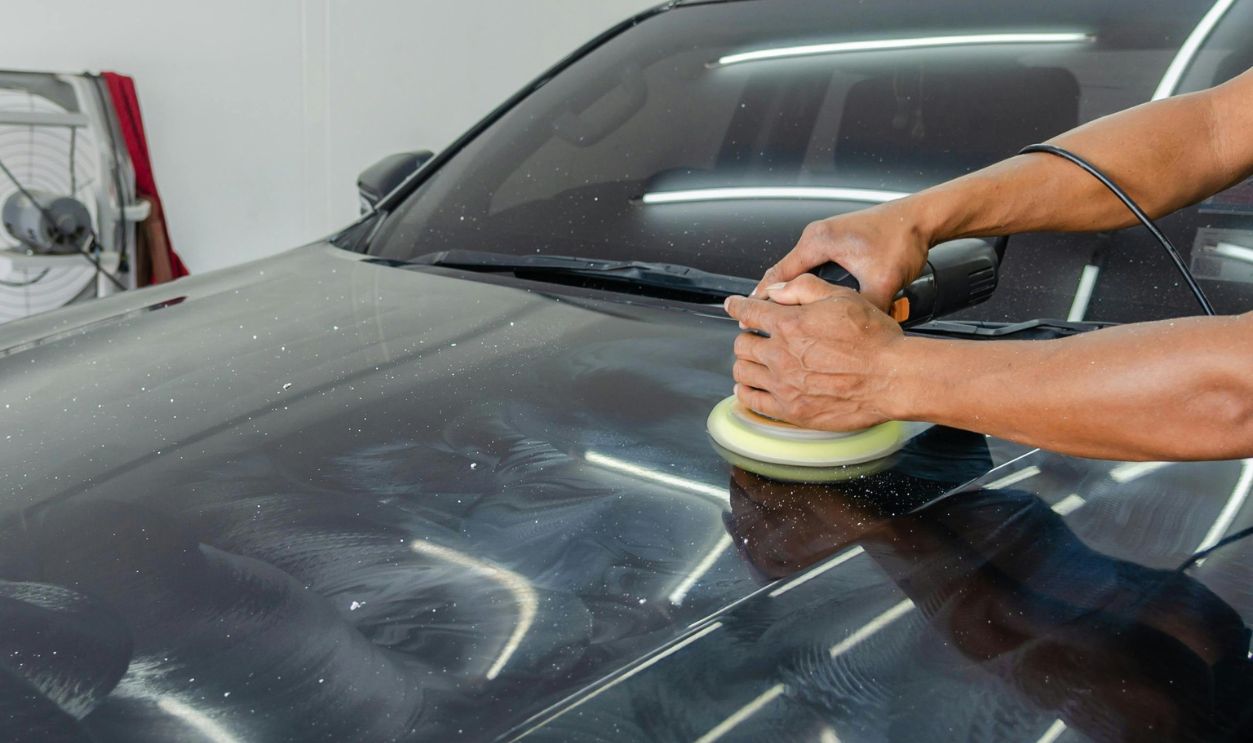
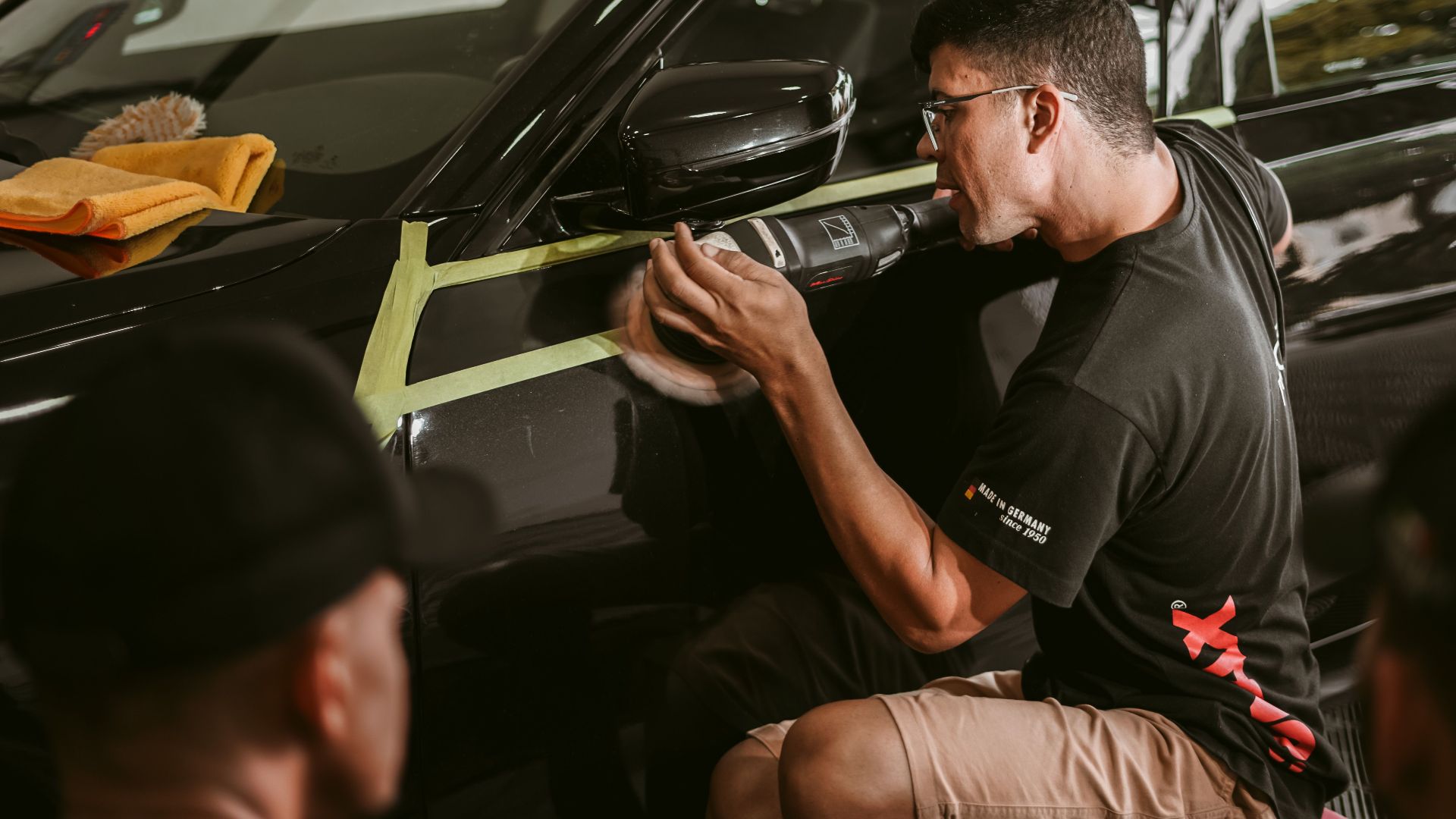
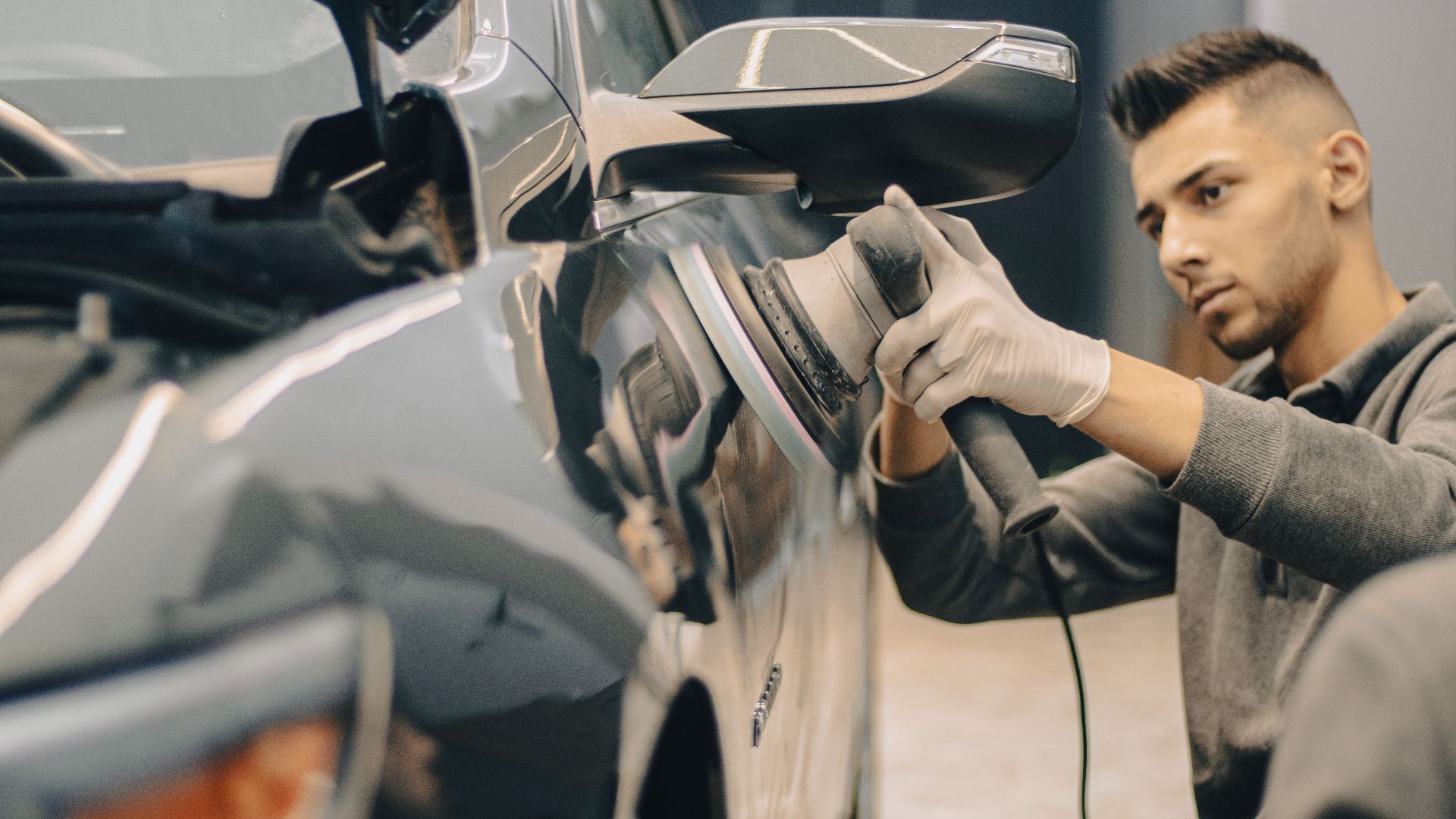
Aggressive compounding removes a small amount of clear coat each time it is used. If the finish is already thin or failing, excessive polishing may actually accelerate the problem rather than improve the appearance.
Small Chips Matter
Stone chips that expose primer or bare metal deserve prompt attention. Even inexpensive touch-up paint can reduce the chance of corrosion while making the damage much less noticeable from normal viewing distances.
When Rust Appears
If rust begins forming where the paint has failed, repair becomes more urgent. Rust expands beneath surrounding paint, lifting additional coating and increasing the eventual repair cost if left untreated.
Can You Spray Clear
Many aerosol clear coat products promise quick repairs. They may improve appearance temporarily on minor defects, but once factory clear coat has begun peeling, lasting repairs usually require sanding and refinishing the affected panel.
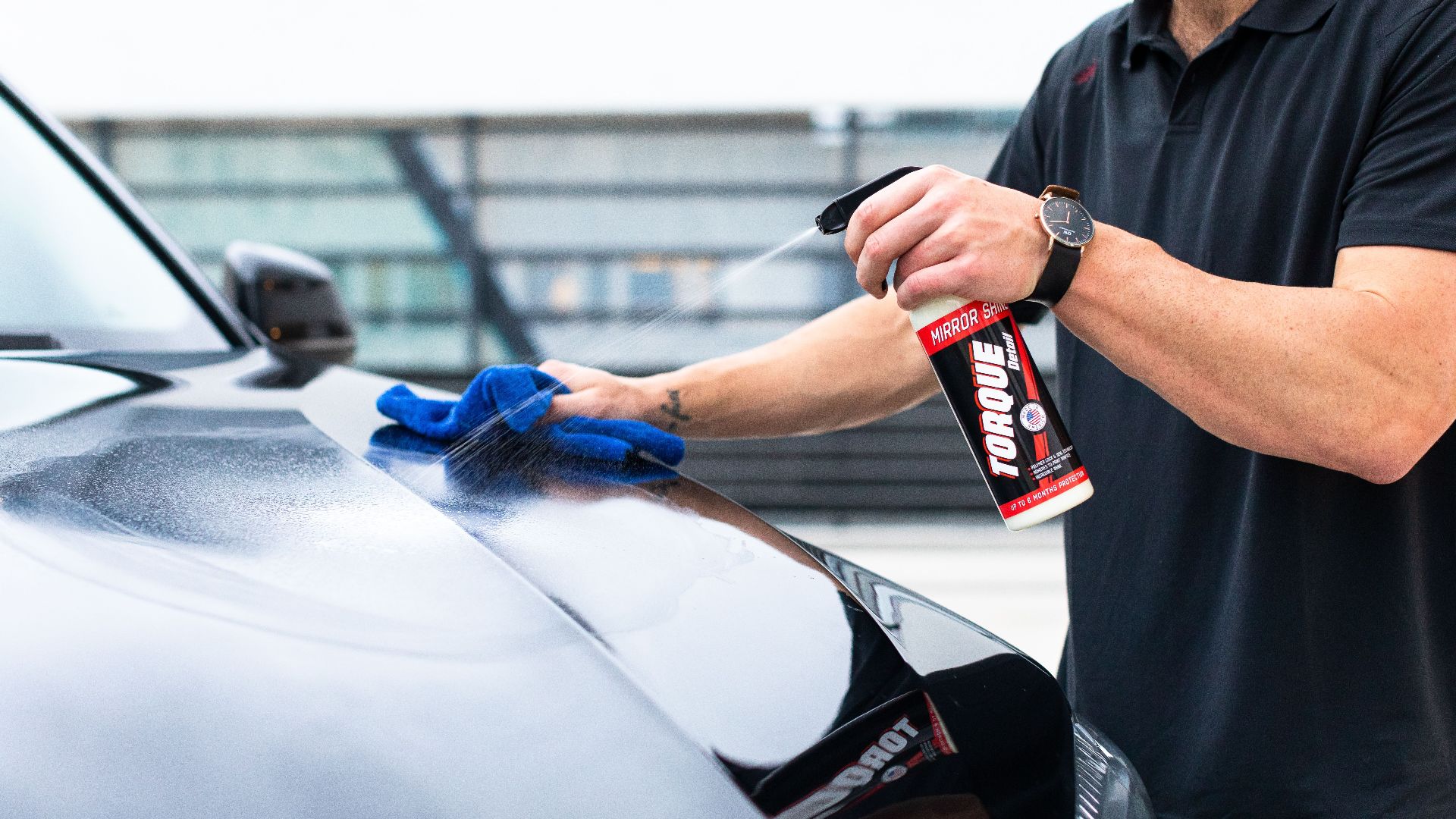
Spot Repairs
Small localized failures sometimes allow a body shop to refinish only one section of a panel. Success depends on matching color, blending the repair, and the remaining condition of the surrounding finish.
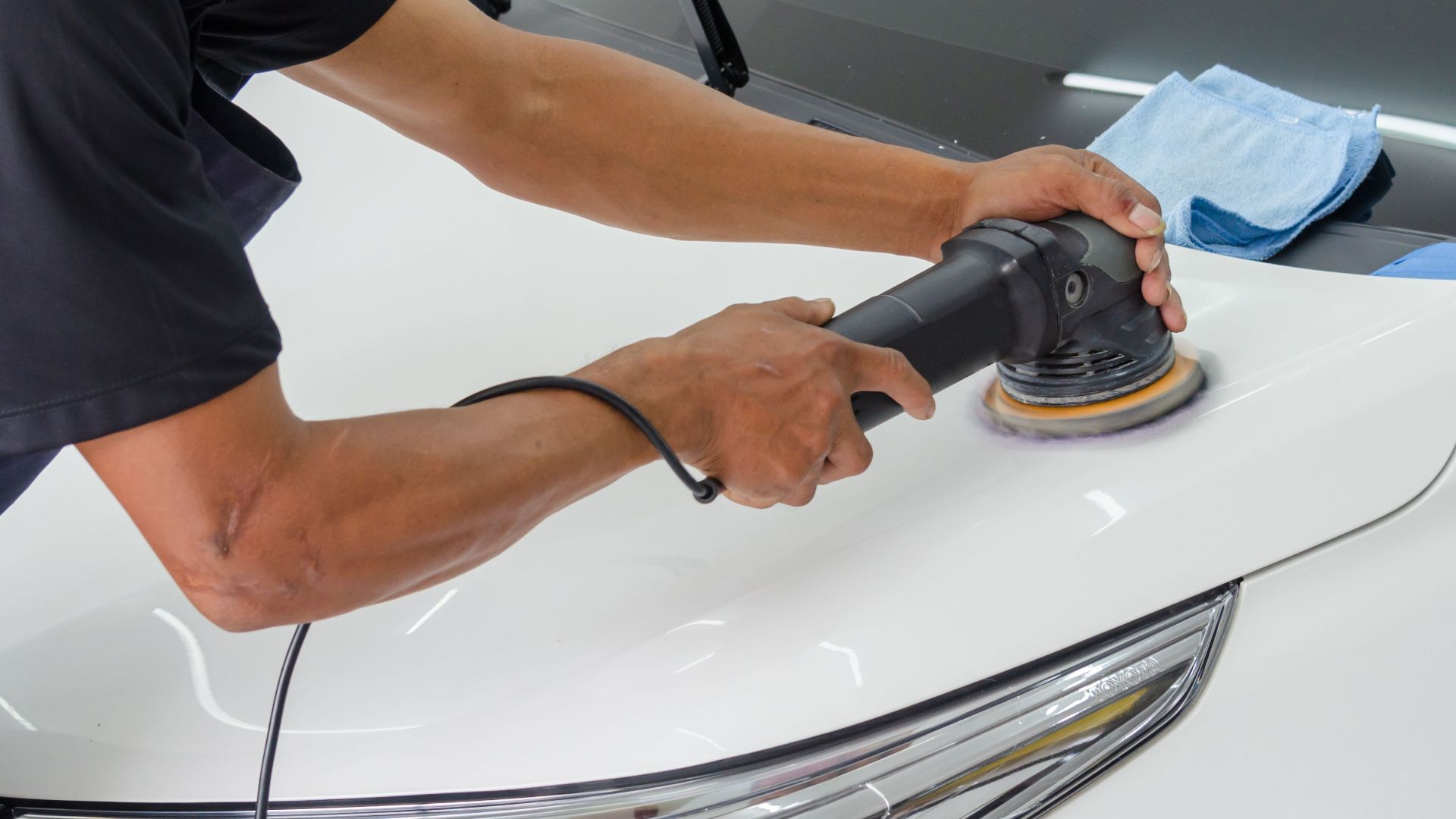
Full Panel Repaint
If peeling has spread significantly, repainting the entire hood, roof, or door often produces the most durable result. Trying to patch multiple failing areas usually leads to noticeable differences in gloss and texture.
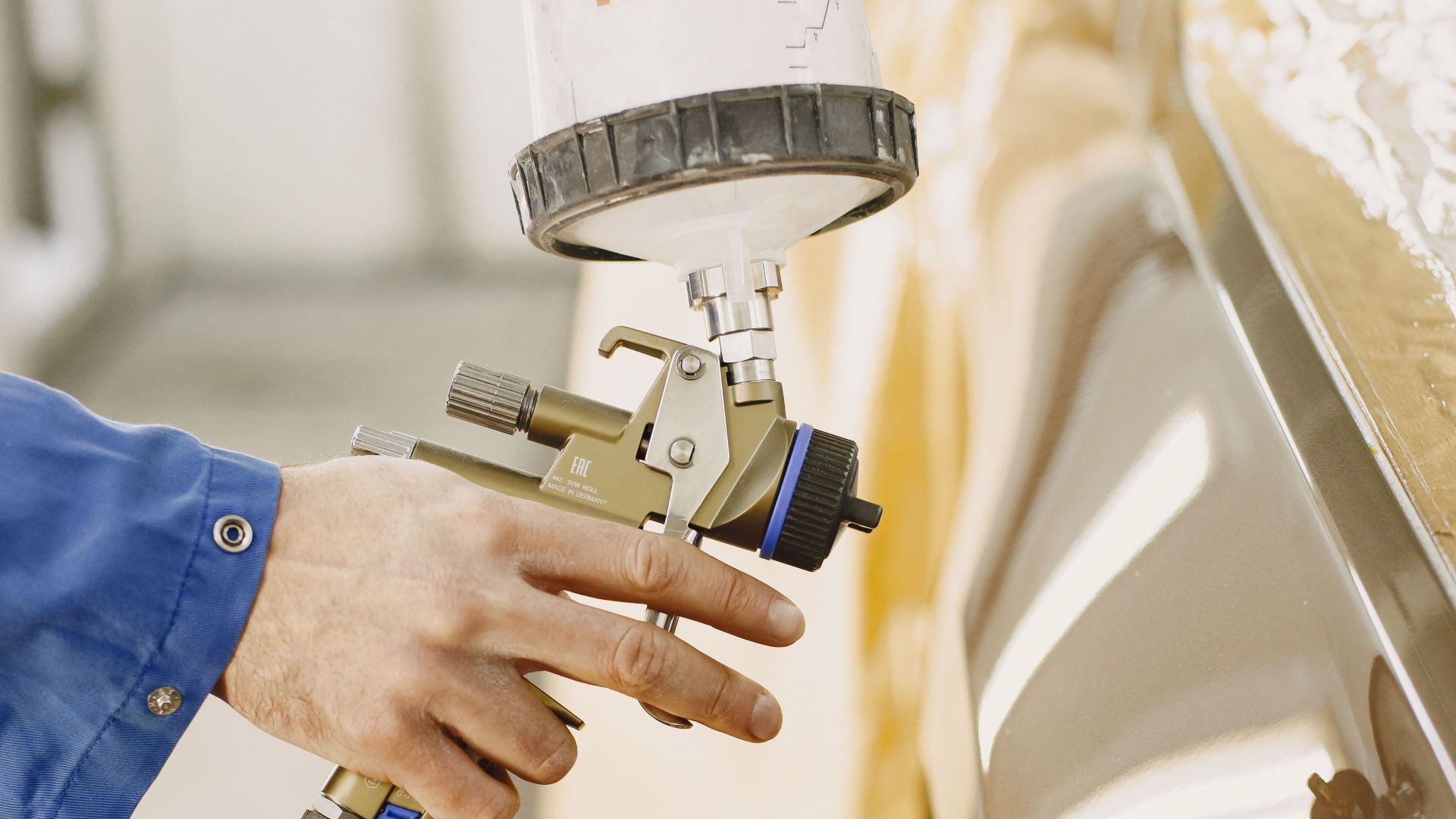
Temporary Alternatives
If repainting is outside your budget, vinyl wraps can cover damaged panels while protecting the remaining paint underneath. Many owners use this option until they are ready for permanent refinishing.
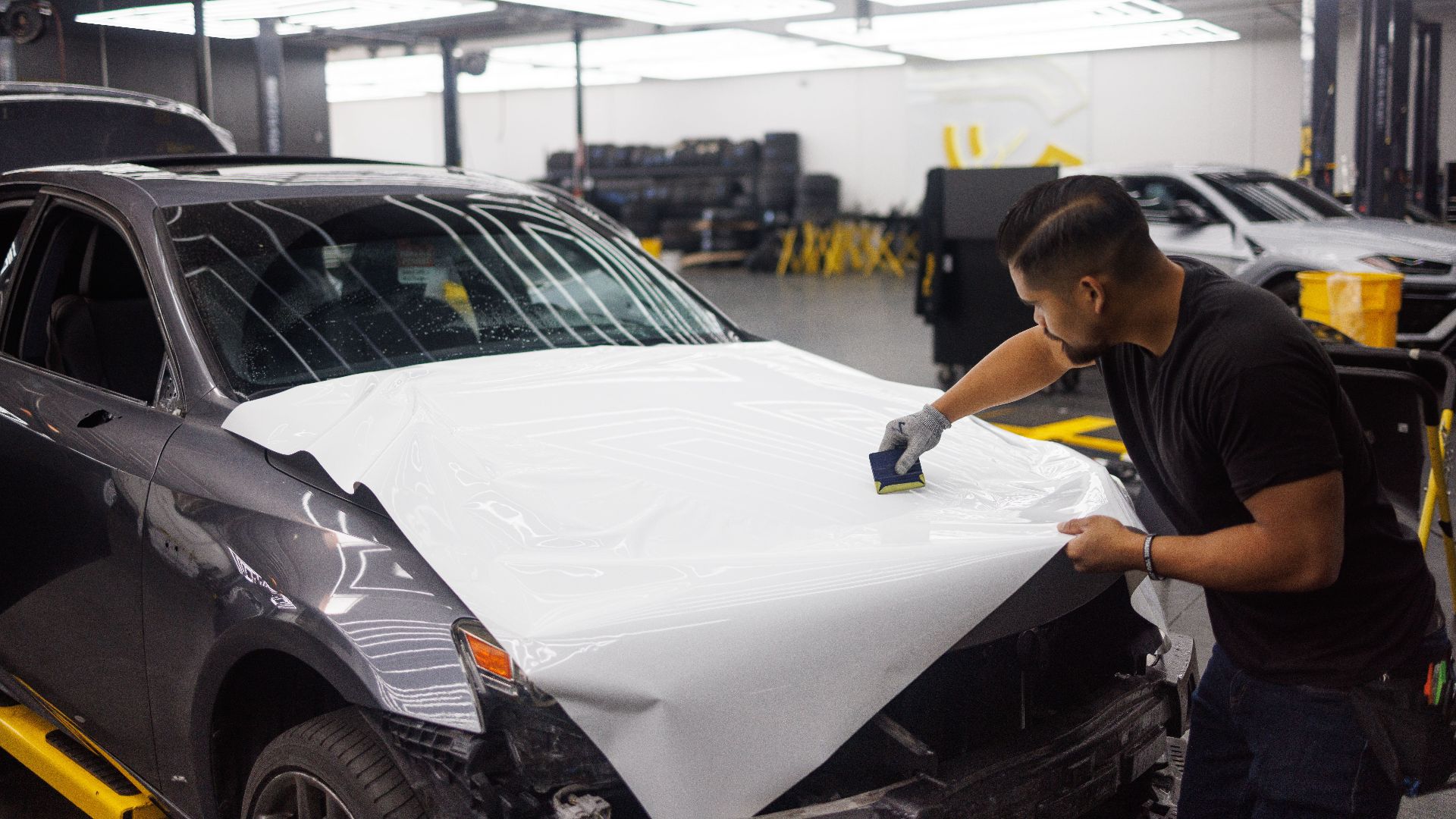
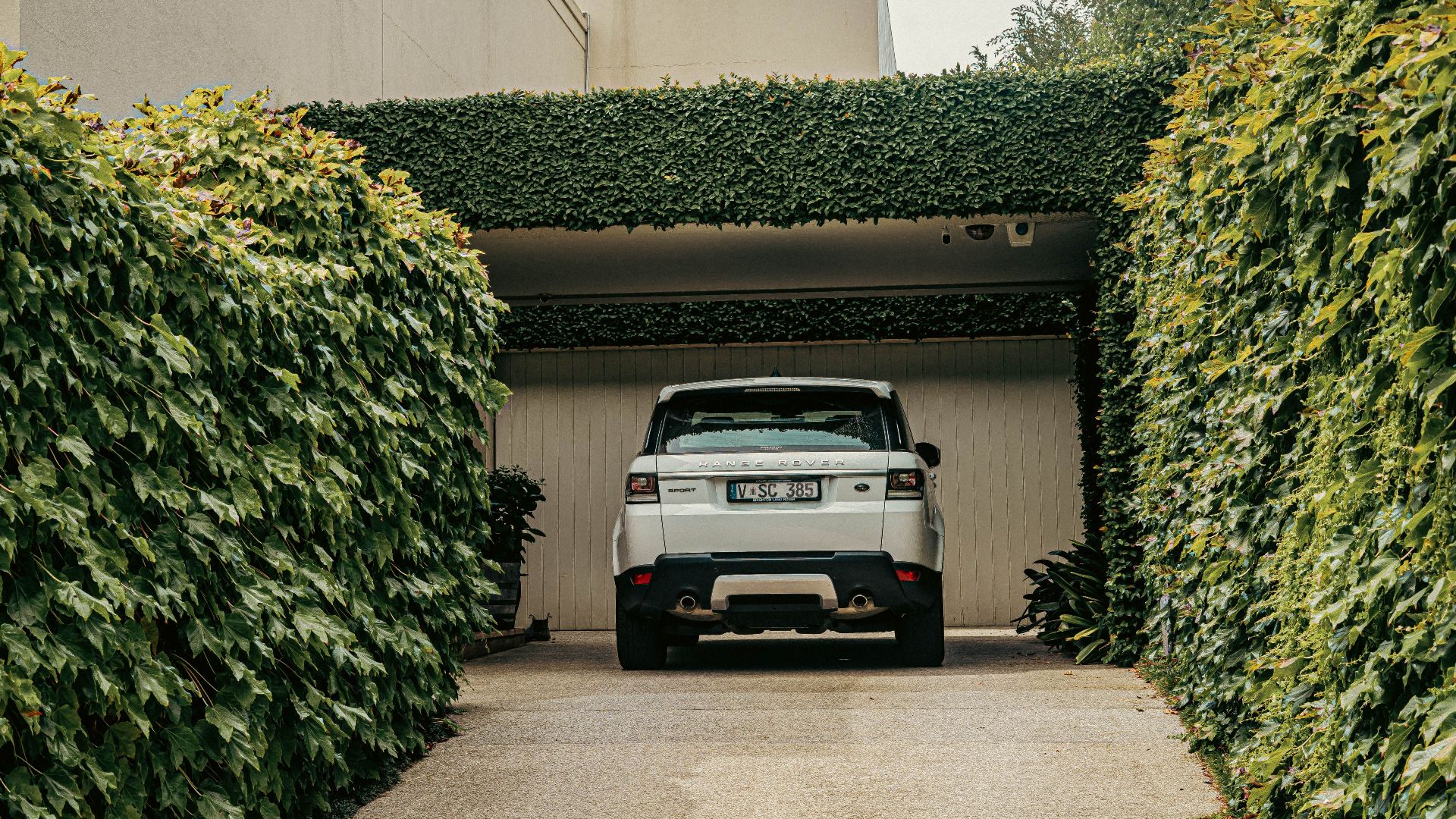
Garage Makes A Difference
Parking indoors dramatically slows ultraviolet damage. Even using a carport or shaded parking space can reduce long-term paint deterioration compared with leaving the vehicle exposed to full sunlight every day.
Protect During Winter
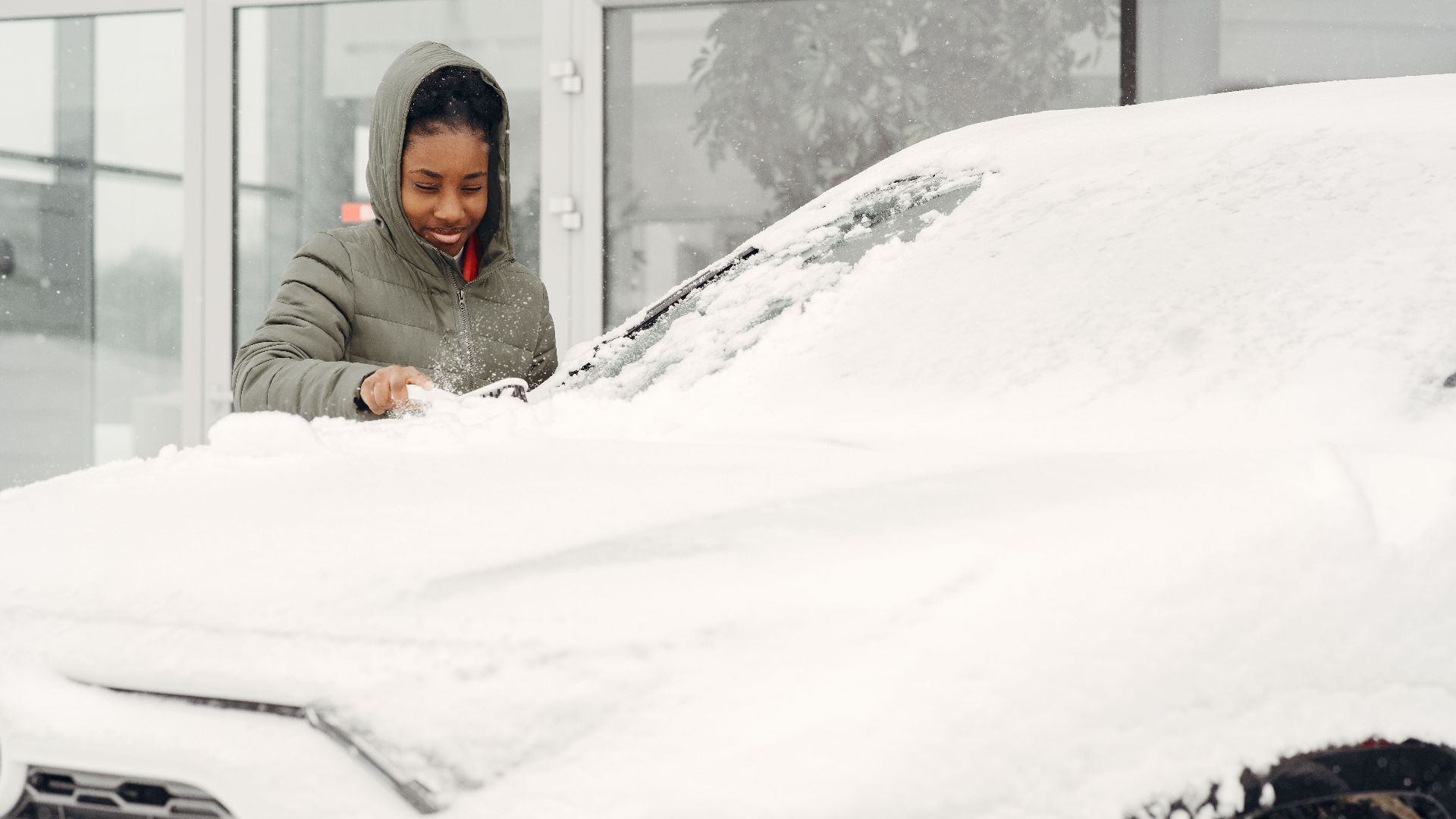
Road salt, moisture, and freezing temperatures accelerate corrosion wherever paint protection has already failed. Washing the vehicle regularly during winter helps remove salt before it attacks exposed metal.
Automatic Car Washes
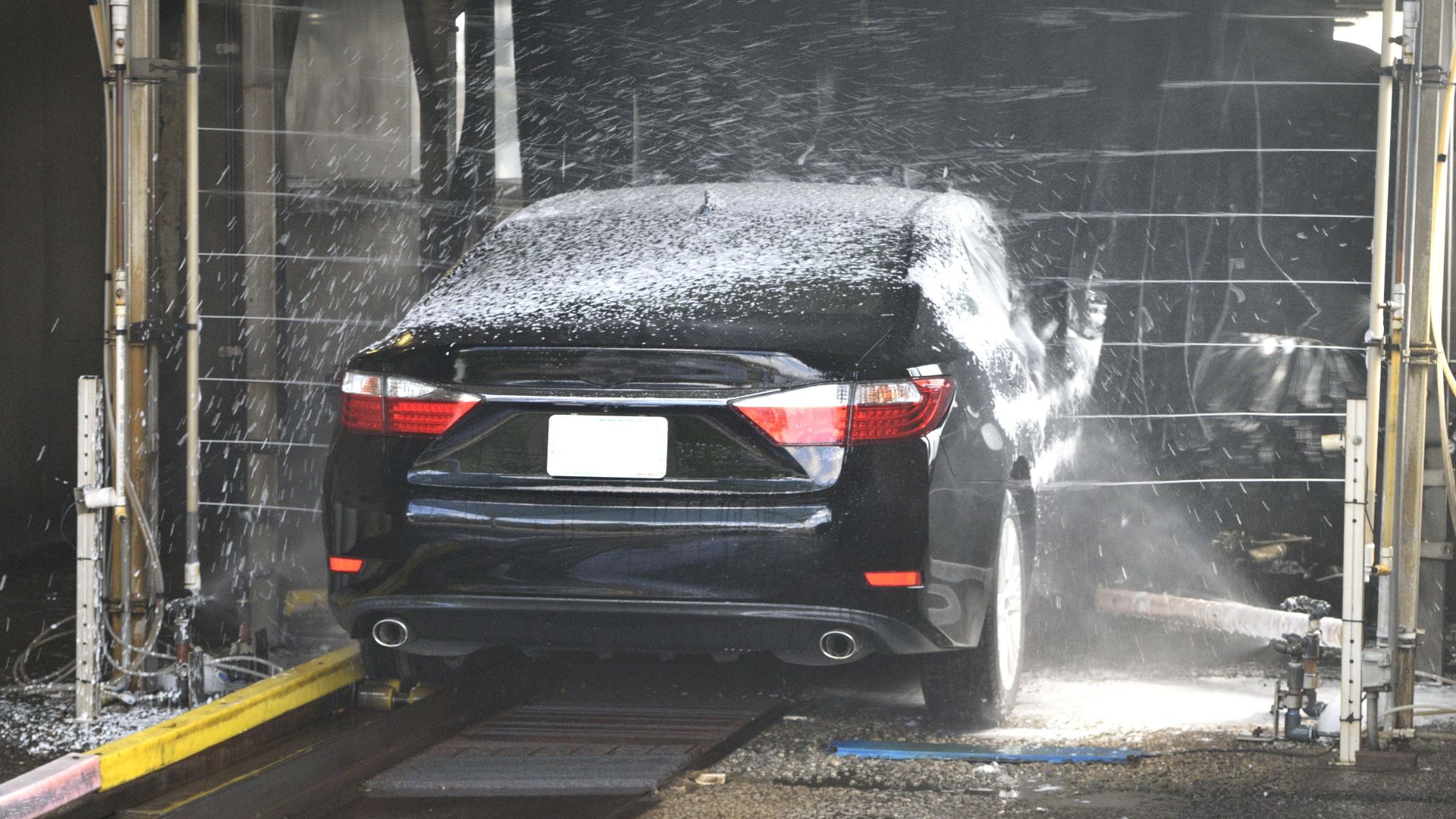
Touchless washes generally reduce the risk of swirl marks compared with brush-style systems. Regardless of wash type, removing road grime regularly is usually better than allowing contaminants to remain on the paint for weeks.
Is It Worth Fixing
If your vehicle remains mechanically reliable, restoring the exterior can extend its useful life and improve resale value. Cosmetic repairs may cost far less than replacing an otherwise dependable vehicle.

Get Multiple Estimates
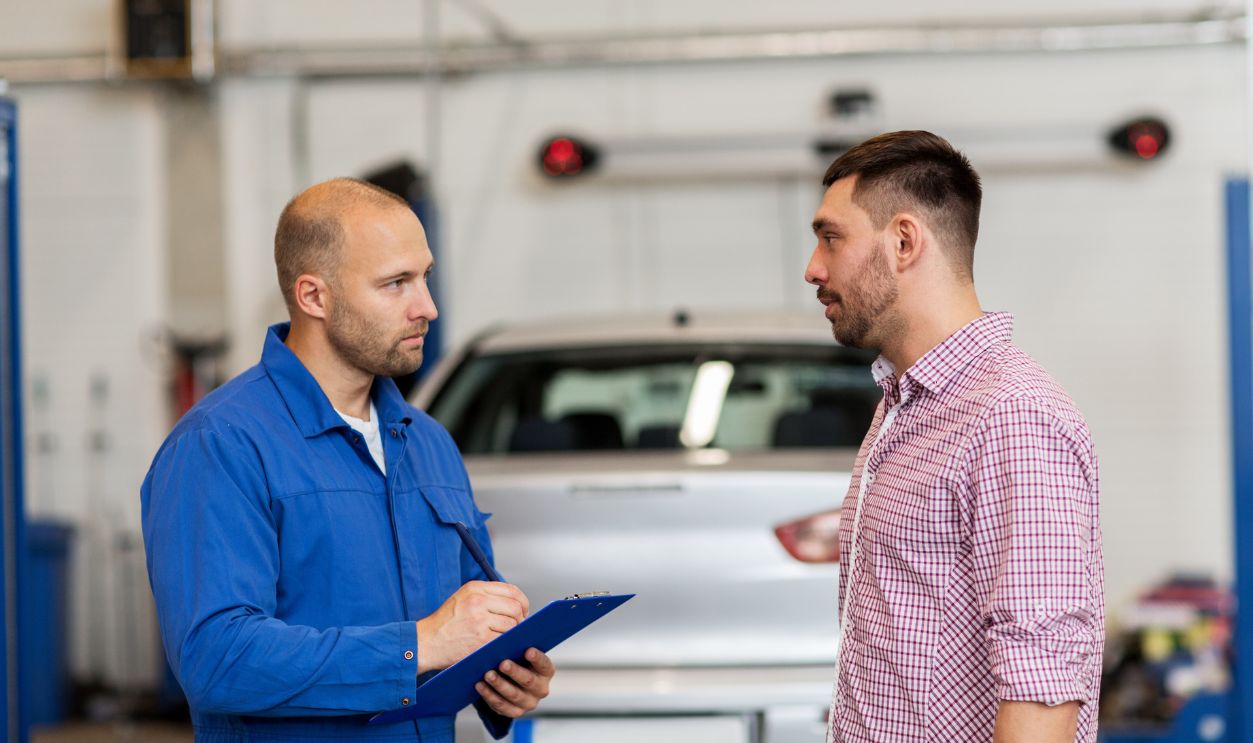
Body shop pricing varies considerably. Obtain several written estimates and ask whether the shop recommends spot repairs, complete panel refinishing, or blending adjacent panels to achieve the best long-term appearance.
Prevention Beats Repair
The best time to protect clear coat is before damage begins. Regular washing, periodic wax or ceramic protection, prompt chip repairs, covered parking, and removing contaminants quickly all help extend the life of your vehicle's finish.
Know When To Act
Cloudiness, fading, and mild oxidation often respond to professional detailing. Once clear coat begins peeling, however, waiting usually allows the damage to spread. Addressing the problem early often produces better cosmetic results while limiting repair costs.
You May Also Like: