Carroll Shelby’s Incredible Car Collection
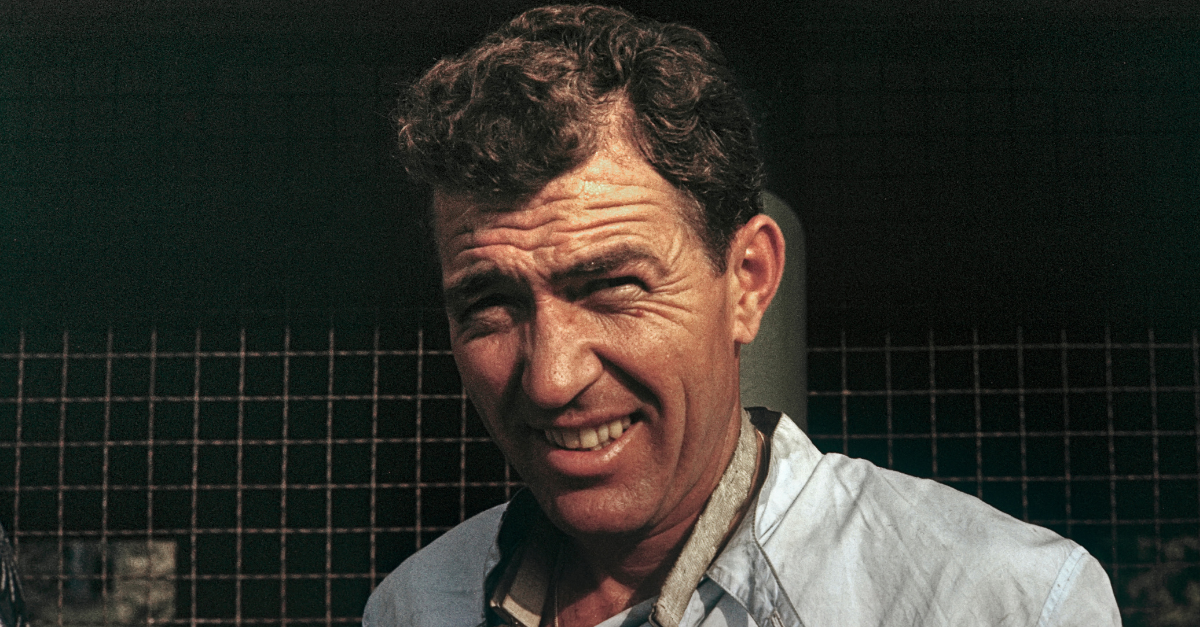
For Carroll Shelby, collecting cars wasn't just a hobby—it was a rolling scrapbook of one of the most remarkable careers in automotive history. Tucked inside his personal garage was an eclectic mix of muscle cars, race-bred machines, European exotics, and one-of-a-kind prototypes, each representing a different chapter of his journey from driver to designer to legend. When the 23-vehicle collection crossed the auction block in 2018, it wasn't merely a car sale—it was a rare opportunity for fans to own a tangible piece of Shelby's high-octane legacy.
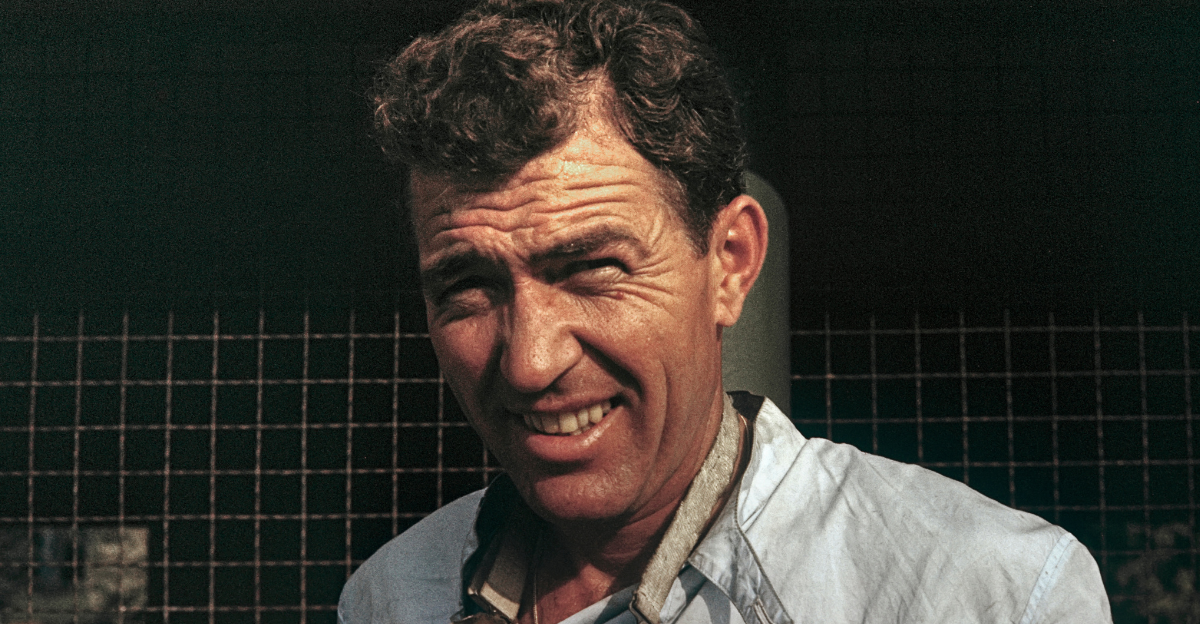
1927 Ford Model T
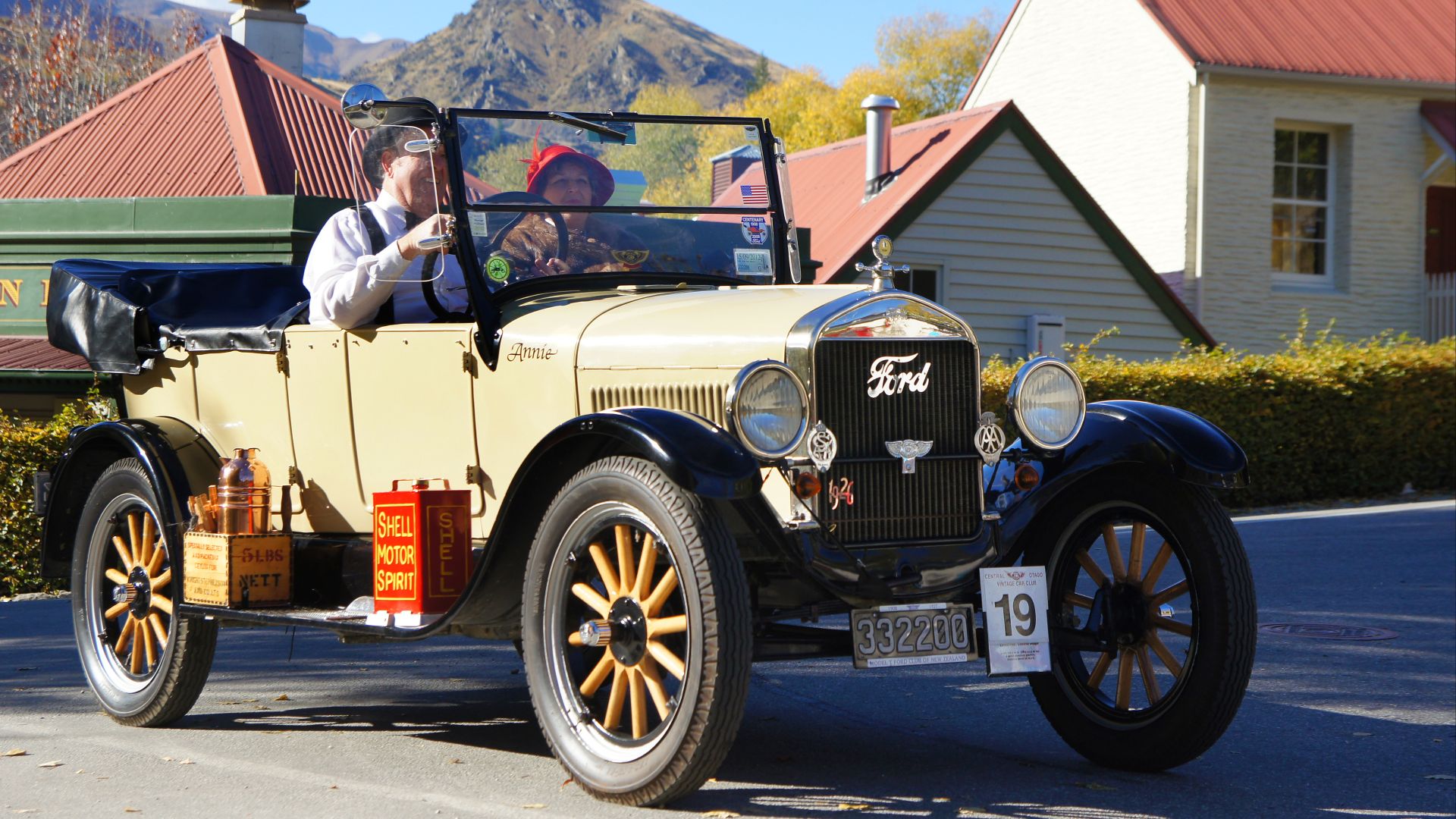
This 1927 Ford Model T was reportedly a gift to Carroll Shelby and remains in running condition. It produces just 35 horsepower, making it one of the most modest cars in his collection.
 Bernard Spragg. NZ from Christchurch, New Zealand, Wikimedia Commons
1927 Ford Model T
Despite its limited power, the Model T revolutionized automobile production with Ford's assembly line innovation. Over 15 million units were produced between 1908 and 1927, making it one of the most successful cars of all time.
 Lars-Göran Lindgren Sweden, Wikimedia Commons
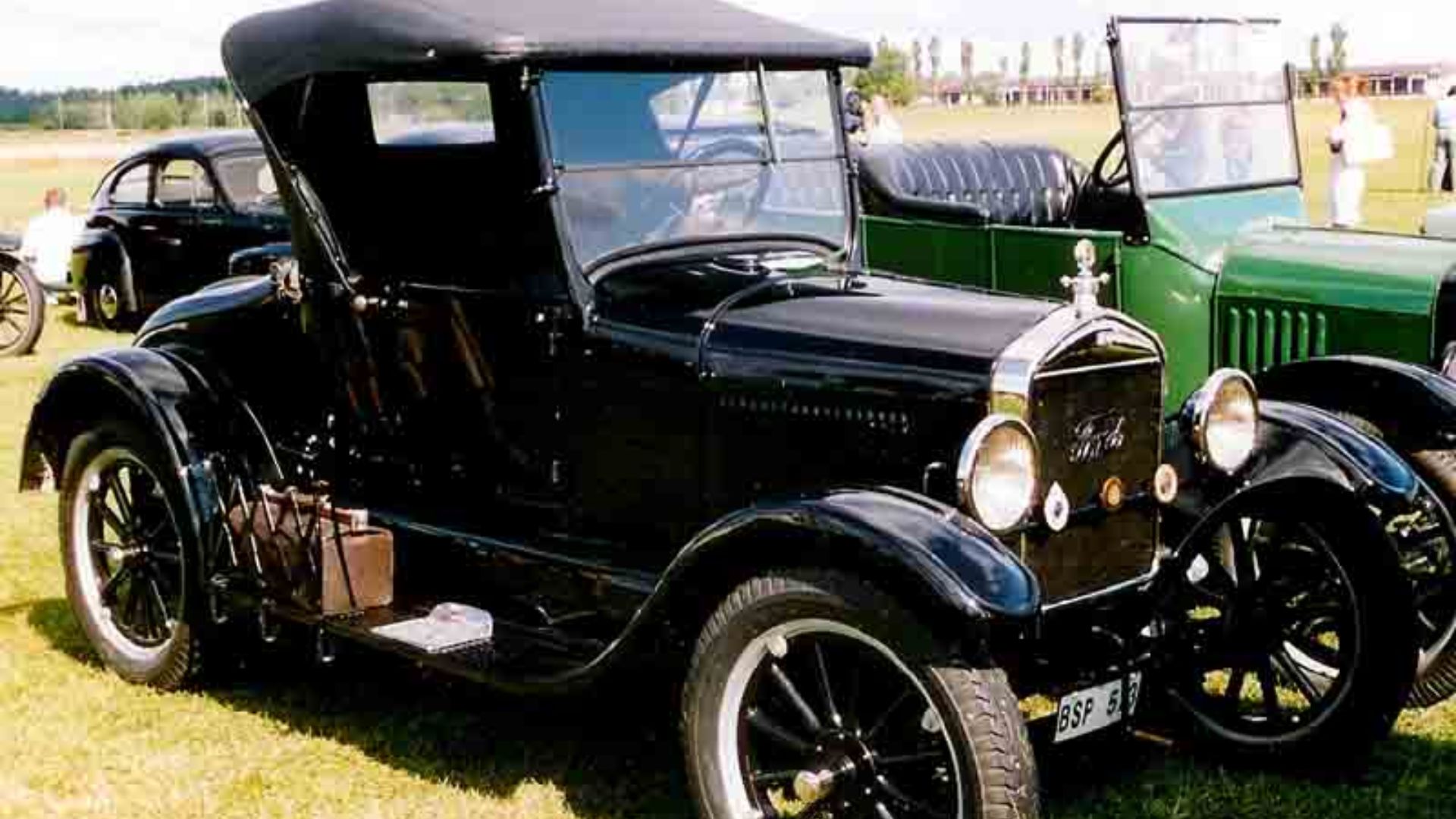
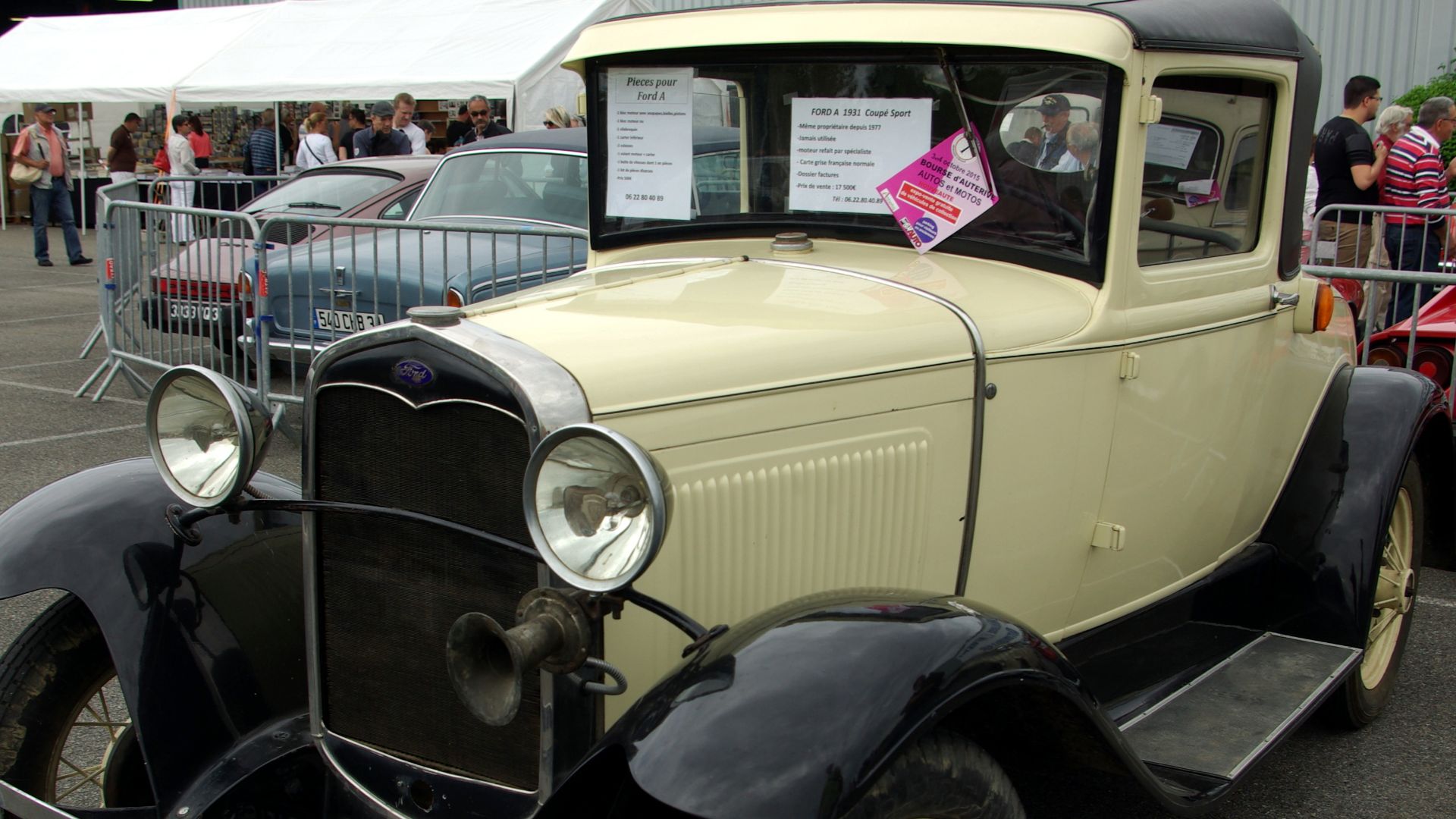
1931 Ford Model A Sport Coupe
Bonhams noted that the first car Shelby ever drove was a Model A, making this example a sentimental inclusion. While it may not be the exact one, it hails from the final year of Model A production.
 Lars-Göran Lindgren, Wikimedia Commons
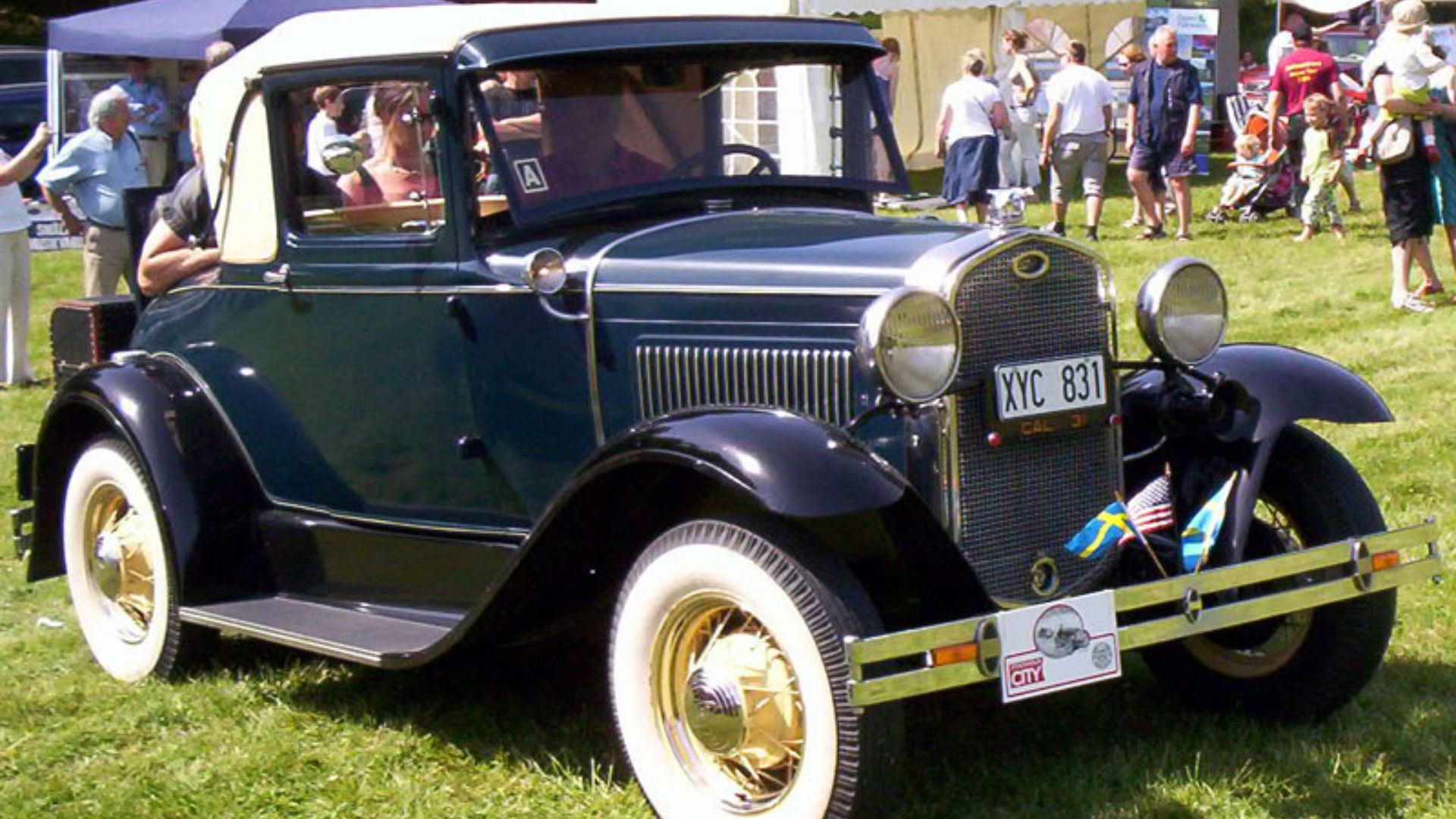
1931 Ford Model A Sport Coupe
The Model A Sport Coupe combined reliability with 1930s design flair. It sold at auction for $30,240, a relatively low price for a car with such nostalgic value.
1935 Chrysler Airflow
Shelby purchased this Chrysler Airflow at auction in 1984, after it had reportedly been owned by Steve McQueen. This was one of the first production vehicles developed using wind tunnel testing.
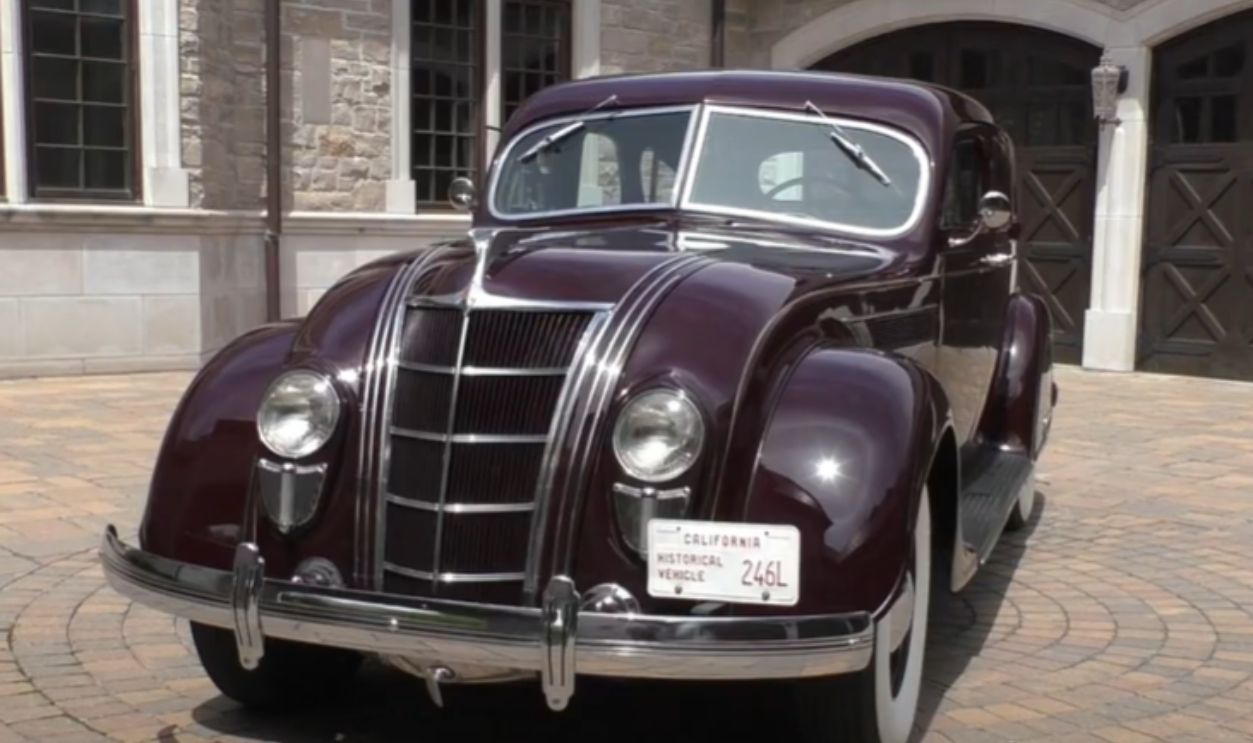 Steve McQueen & Carroll Shelby's 1935 Chrysler C2 Airflow Imperial Eight (walk around), Shelby Cars
1935 Chrysler Airflow
The Airflow featured a semi-unitized body and streamlined design that was ahead of its time. The aircraft-inspired interior and 323-ci L-head straight-eight engine further set it apart.
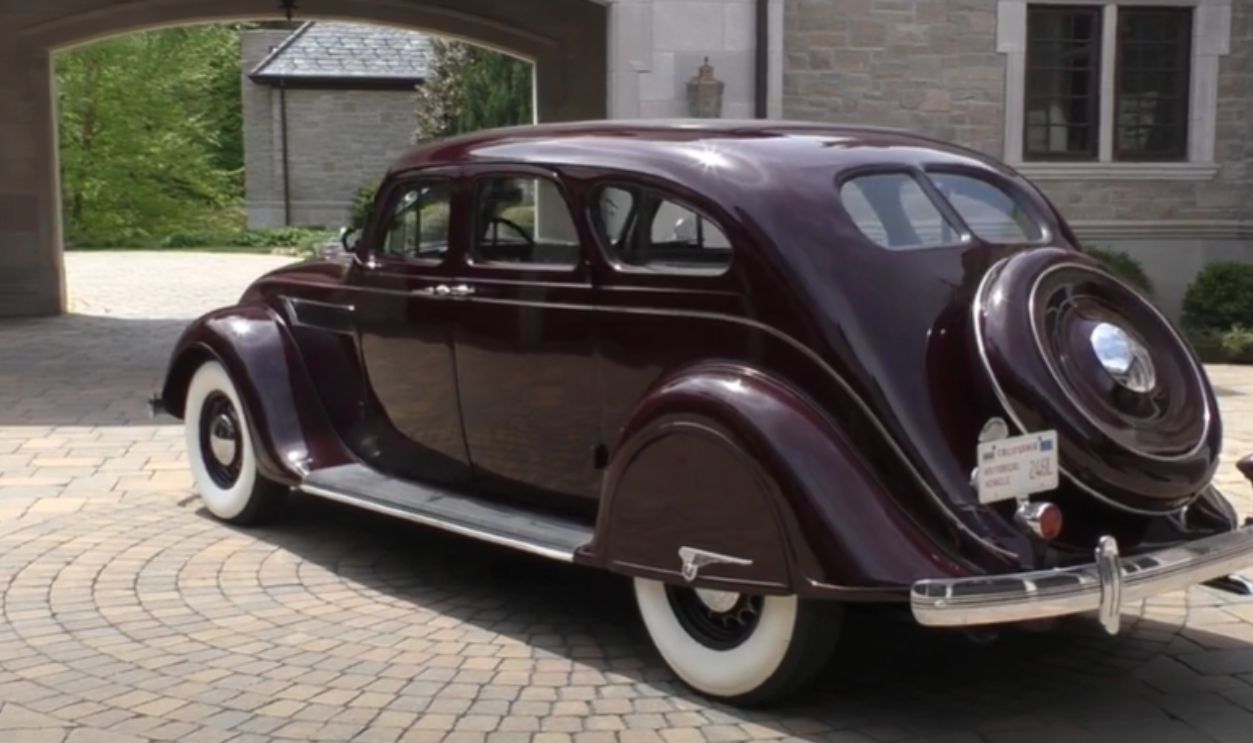 Steve McQueen & Carroll Shelby's 1935 Chrysler C2 Airflow Imperial Eight (walk around), Shelby Cars
1955 DeSoto Firedome
Powered by a 330-cubic-inch V8, this DeSoto Firedome didn't stay factory-fresh for long. Shelby and his team couldn't resist squeezing a little more performance out of the classic cruiser, giving the engine a series of upgrades that transformed it from a comfortable boulevard machine into something with a bit more bite. It was a fitting touch from a man who rarely met a car he didn't think could go faster.
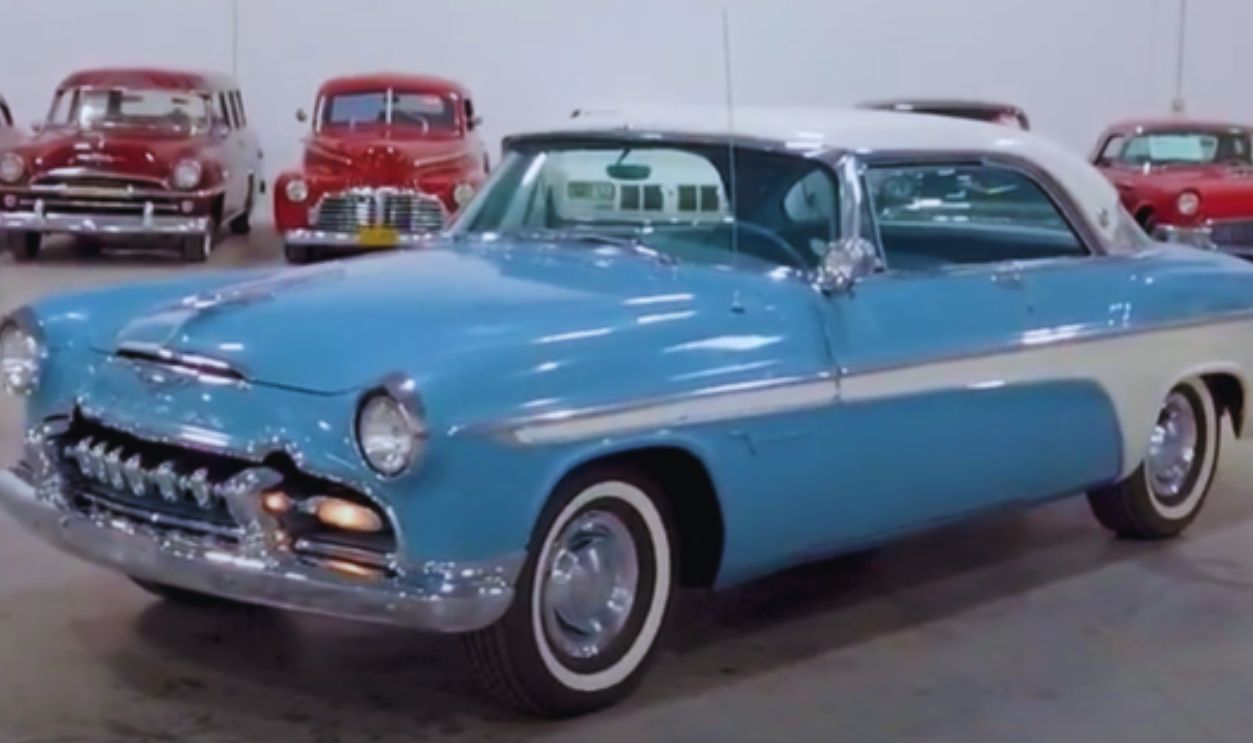 1955 DeSoto Firedome Sportsman - Walk Around, GR Auto Gallery
1955 DeSoto Firedome
The Firedome’s factory powertrain offered plenty of torque for its day. Paired with Shelby’s tuning, it became more than just a cruiser.
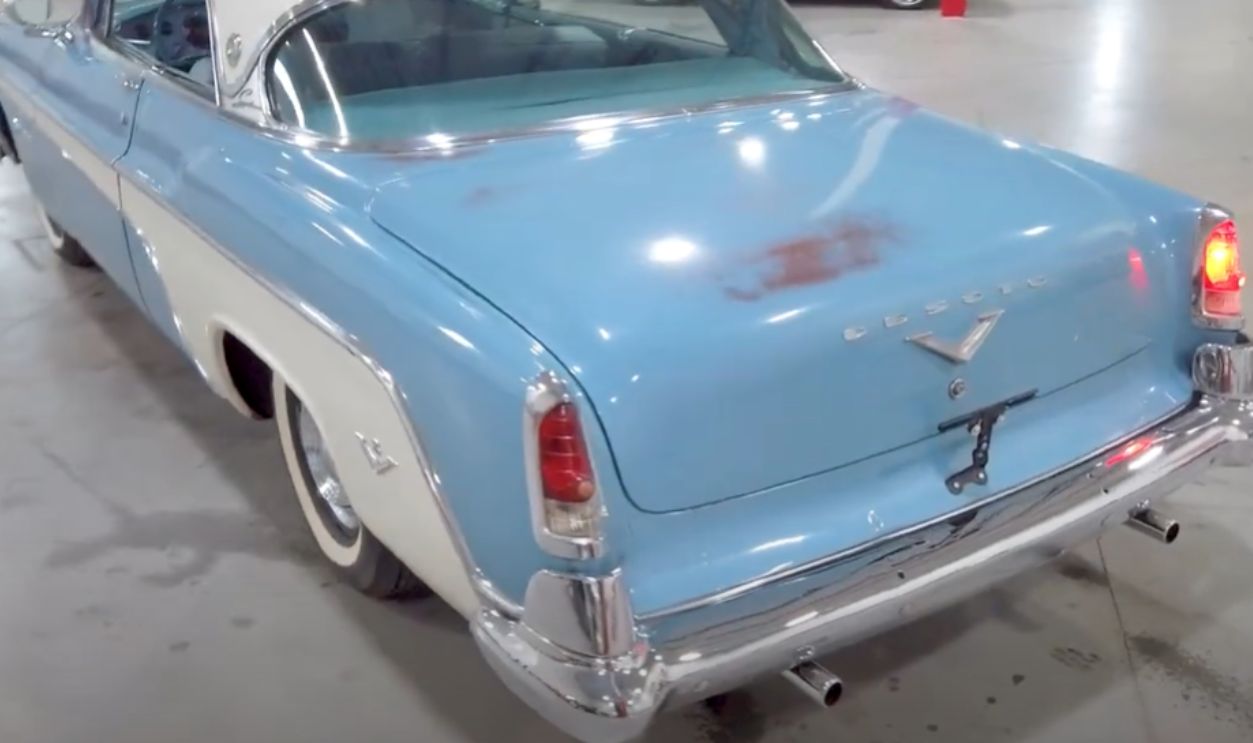 1955 DeSoto Firedome Sportsman - Walk Around, GR Auto Gallery
1965 Shelby Cobra 427
Shelby began producing continuation Cobras in the 1980s to recreate the original's magic. This particular car was built in the late 1990s and initially gifted to one of Playboy’s Playmates of the Year.
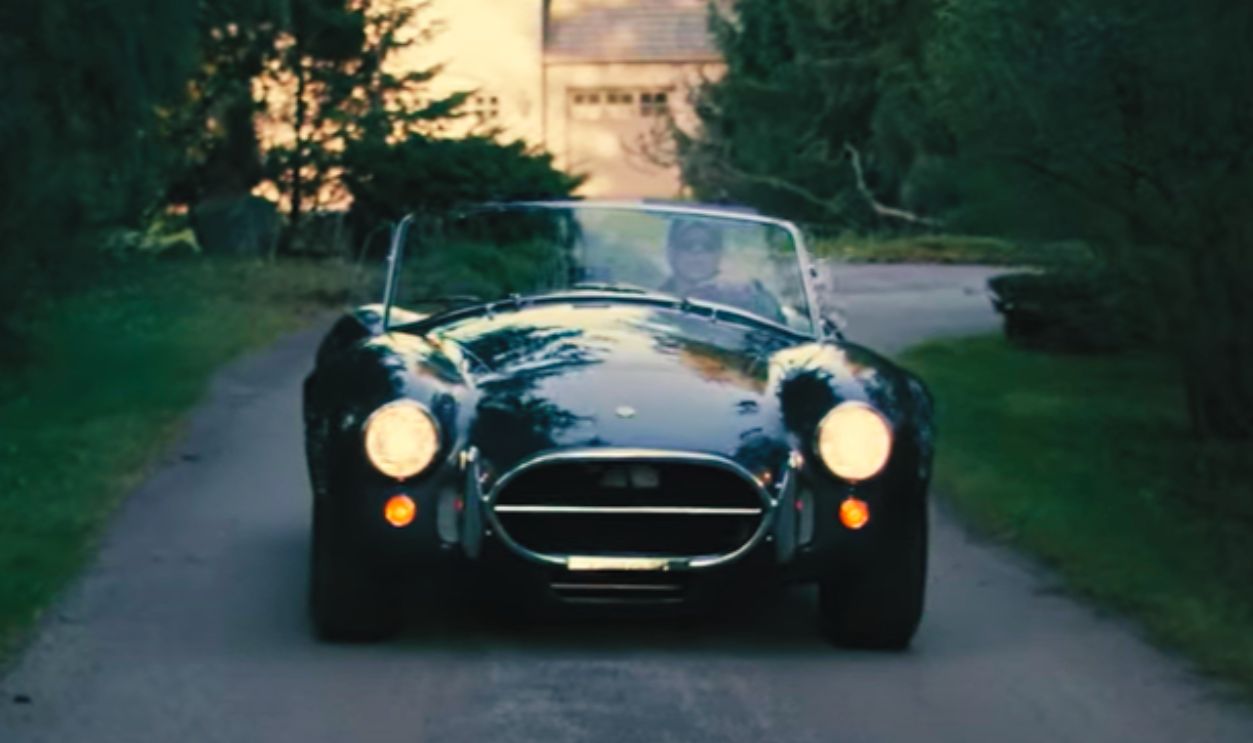 Carroll Shelby's Personal 427 Cobra, Legendary Motorcar
1965 Shelby Cobra 427
After its brief detour, the Cobra found its way back to Shelby’s personal garage. These continuation models remain highly desirable for their aluminum bodies and thunderous V8s.
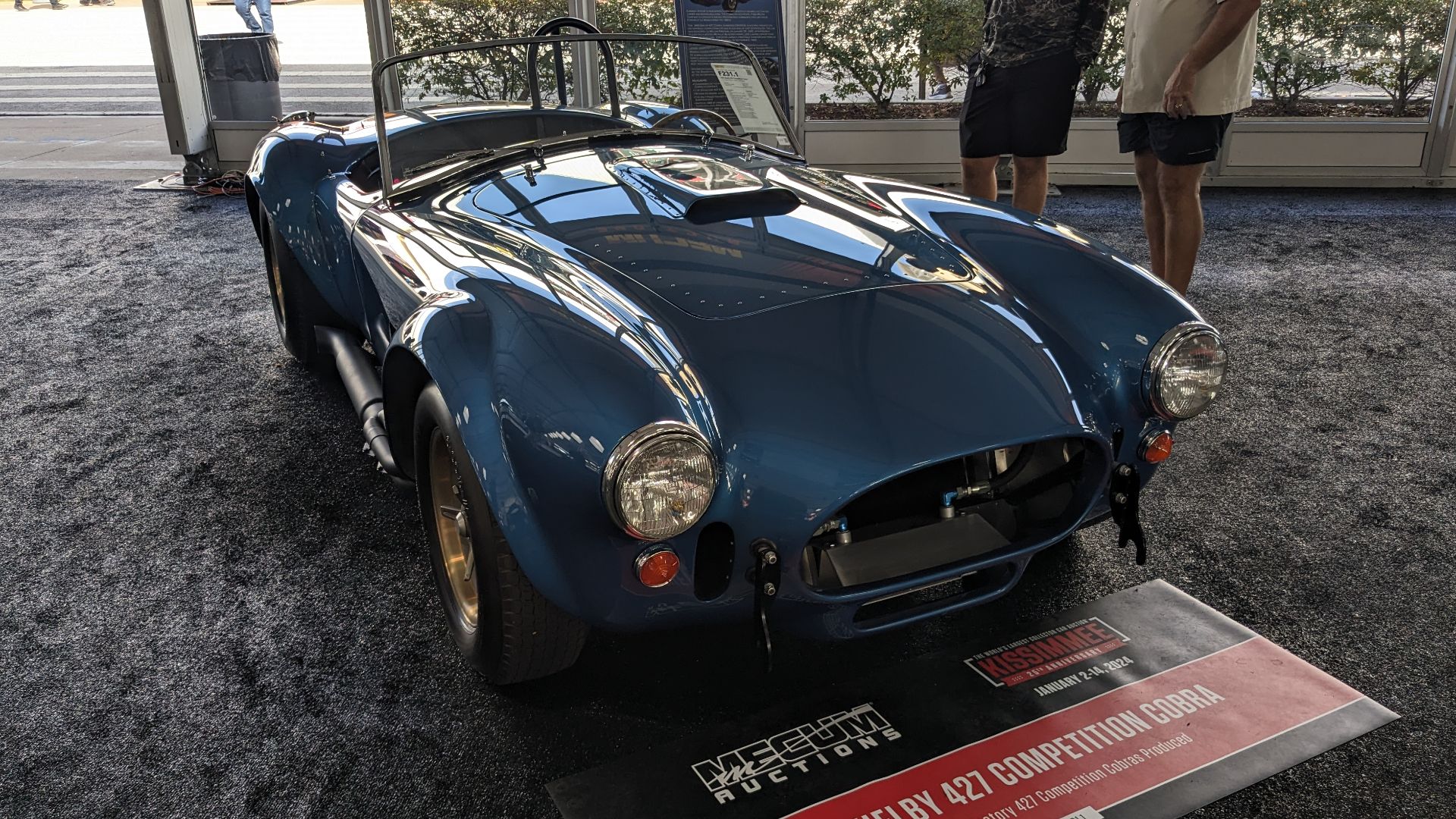 Pokemonprime, Wikimedia Commons
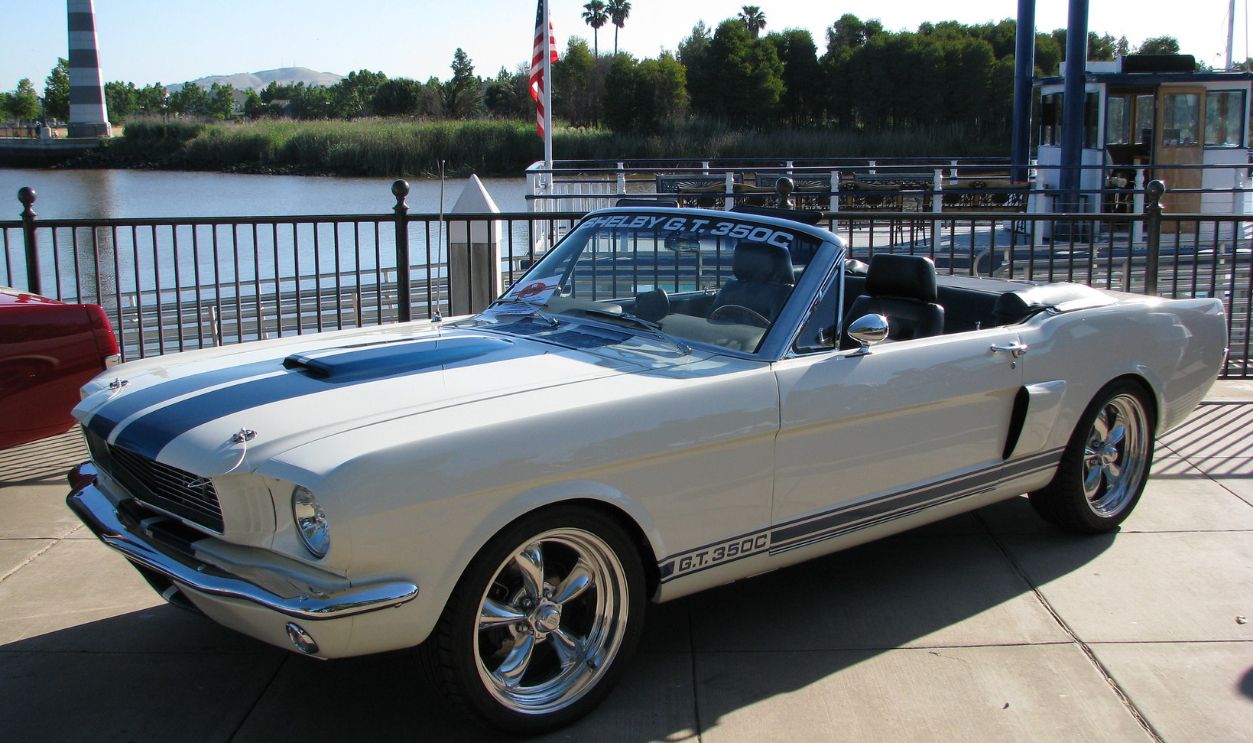
1966 Shelby GT350 Convertible
Shelby built only 12 continuation GT350 convertibles in the early 1980s. This was the very first and remained in his possession until his death.
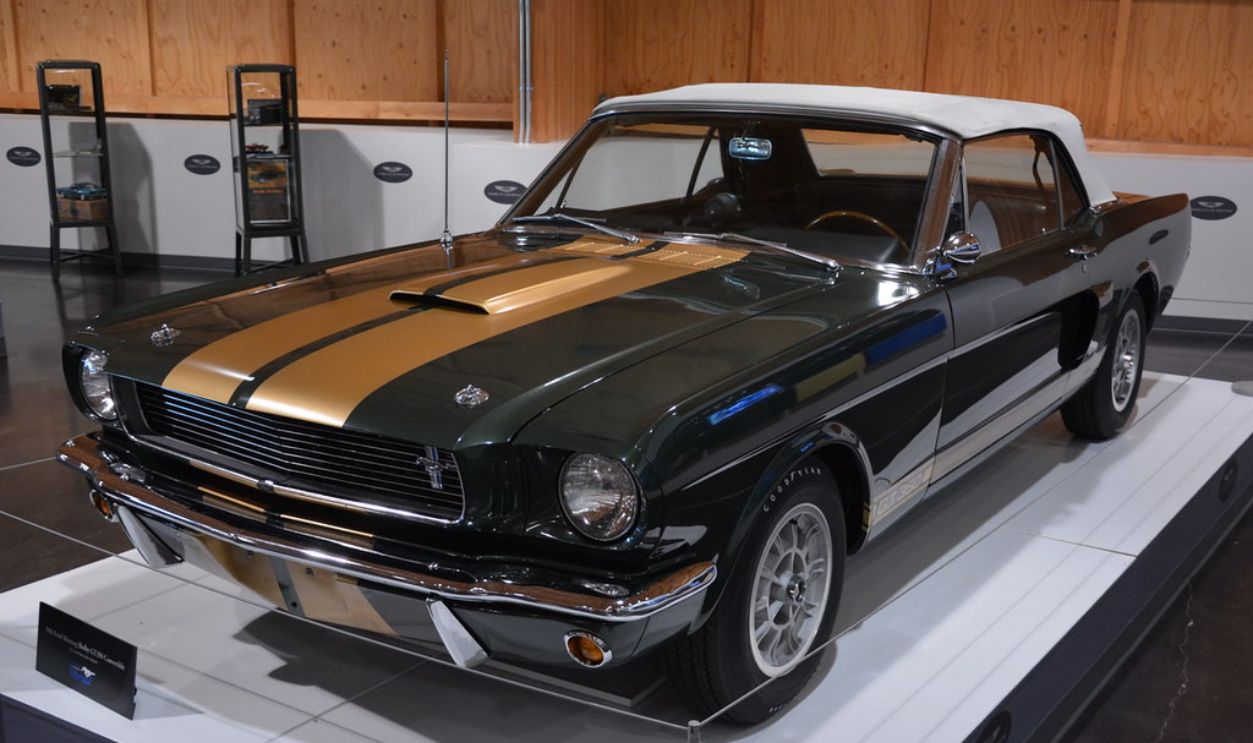
1966 Shelby GT350 Convertible
This GT350 convertible includes a bottle of nitrous oxide for added power. Shelby kept this in his private collection for over two decades.
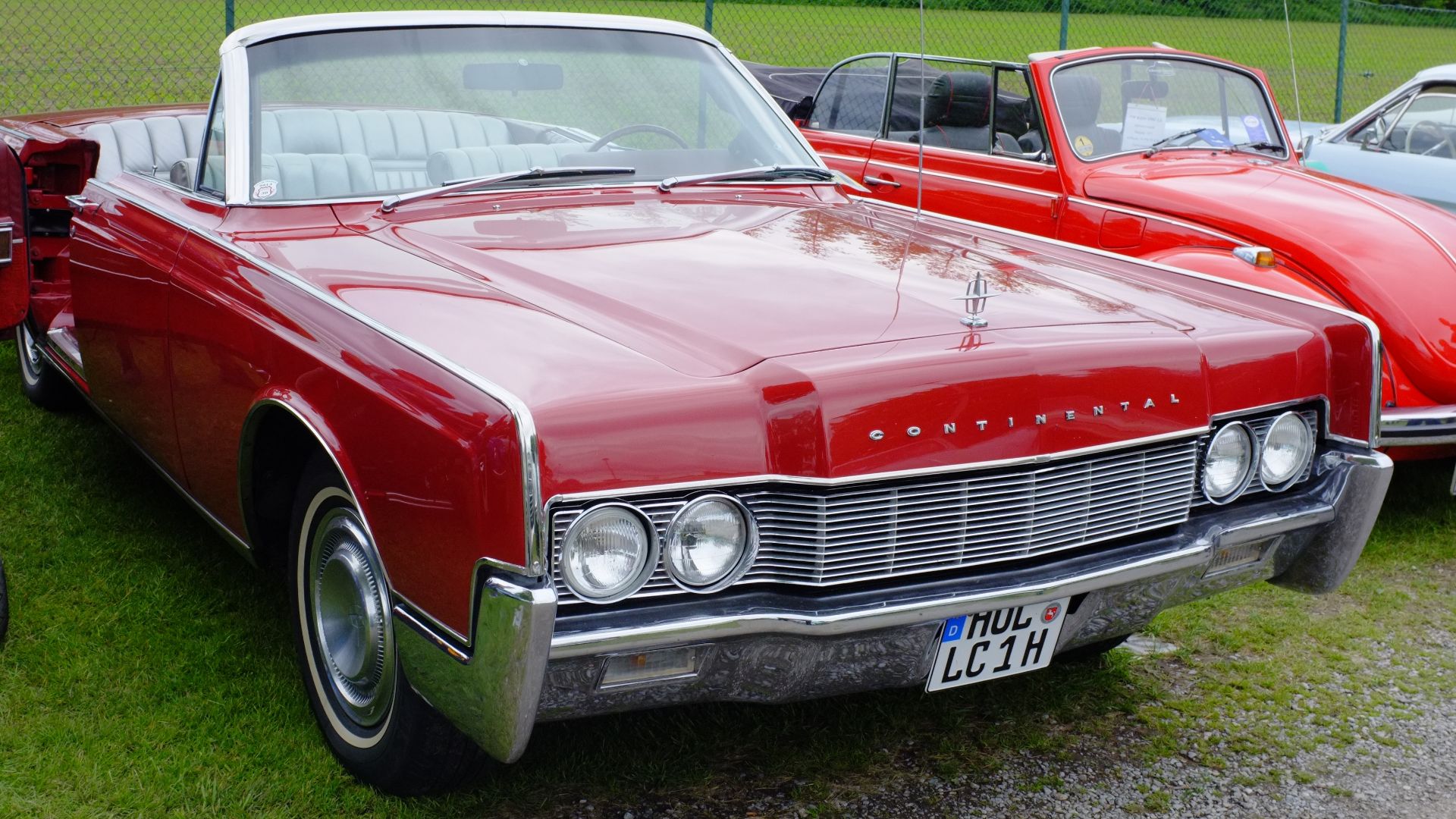
1967 Lincoln Continental Convertible
This Continental convertible was Shelby’s version of a luxury cruiser. This specific car remained in Carroll Shelby’s personal collection for several years before being sold at auction in 2018 for $52,640.
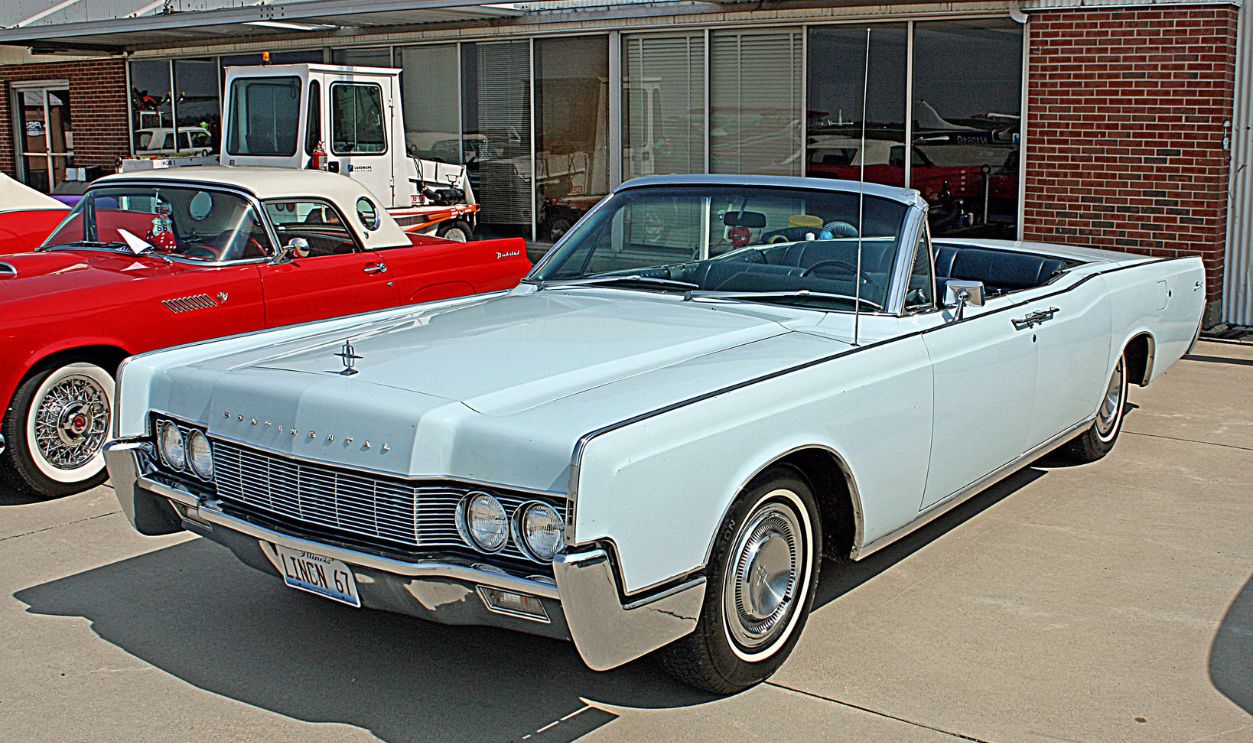
1967 Lincoln Continental Convertible
By 1967, Lincoln was preparing to close the book on one of its most distinctive designs. The company discontinued its iconic four-door Continental convertible after that model year, making surviving examples especially desirable among collectors today. This final-year model came equipped with the signature rear-hinged "suicide" doors that helped define the Continental's unmistakable presence, along with a massive 462-cubic-inch V8 that delivered the smooth, effortless power luxury buyers expected from Lincoln's flagship.
 Triple-green, Wikimedia Commons
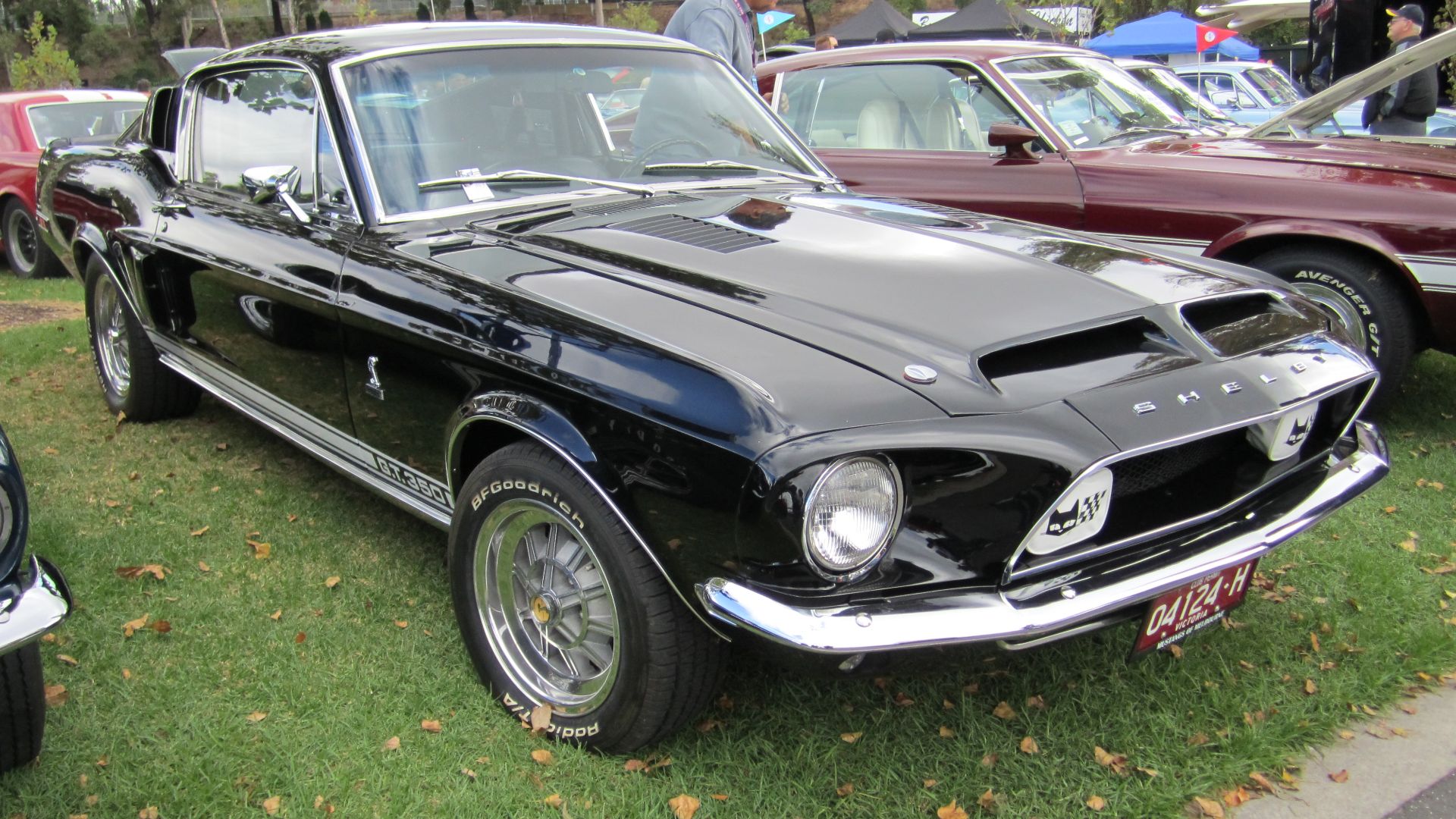
1968 Shelby GT350
While earlier GT350s are more iconic, the 1968 model had its own flair. Shelby’s version featured updated styling and a beefier 302-ci V8.
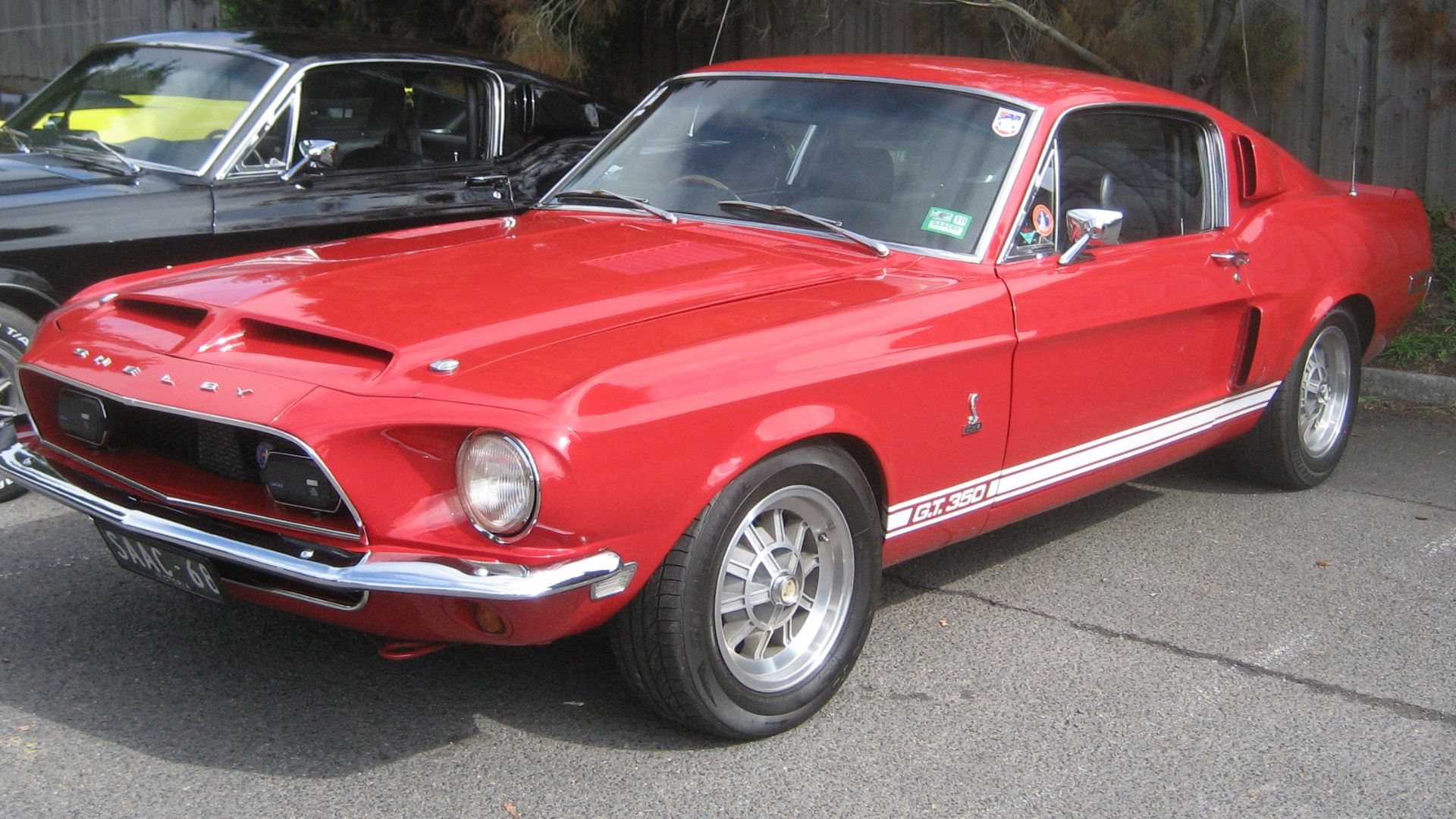
1968 Shelby GT350
Ford and Shelby collaborated on the 1968 GT350 to balance street performance with daily drivability. This example retained its original four-speed manual transmission and sold for $115,000 at auction.
1969 Shelby GT500 Automatic
The 1969 GT500 was the final evolution of Shelby’s Mustang line. Powered by a 428-ci Cobra Jet V8 and paired with an automatic transmission, it was built for straight-line speed.
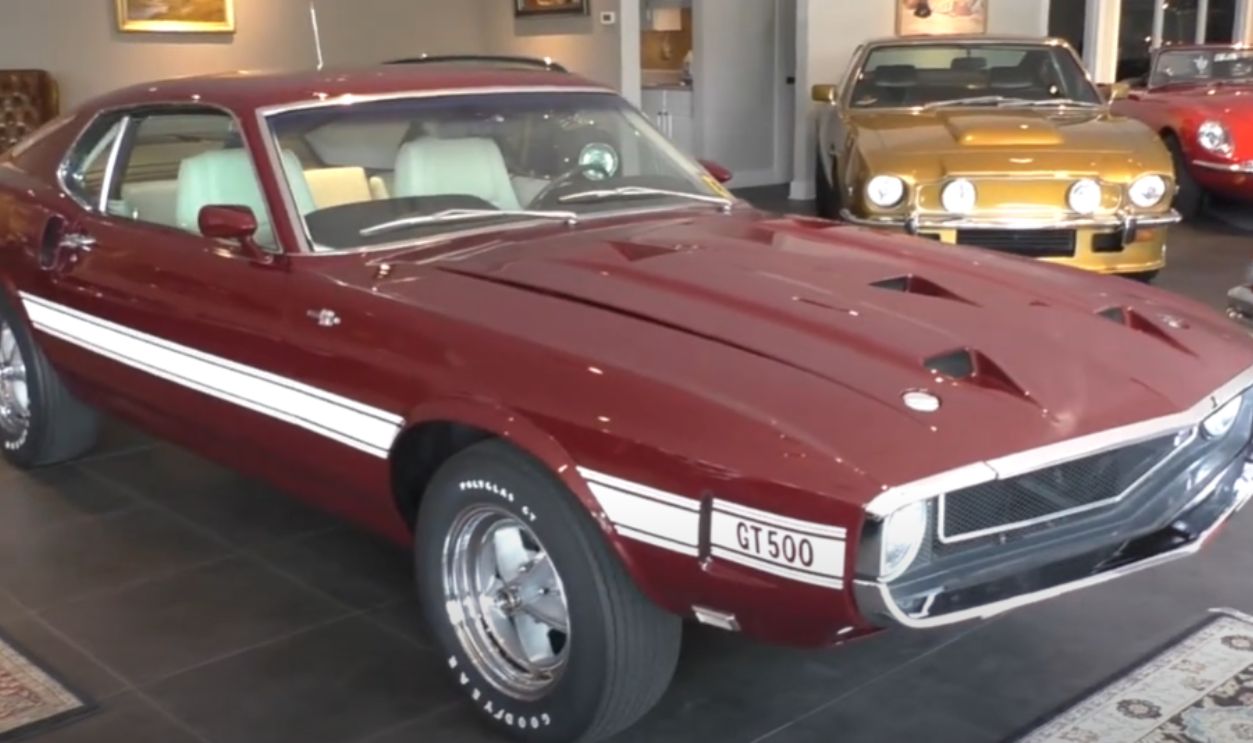 1969 Shelby GT500 Fastback (from the personal collection of Carroll Shelby), Daniel Schmitt & Co.
1969 Shelby GT500 Manual
A second '69 GT500 in Shelby’s collection featured a manual gearbox. The two GT500s illustrated the contrast between performance comfort and enthusiast control.
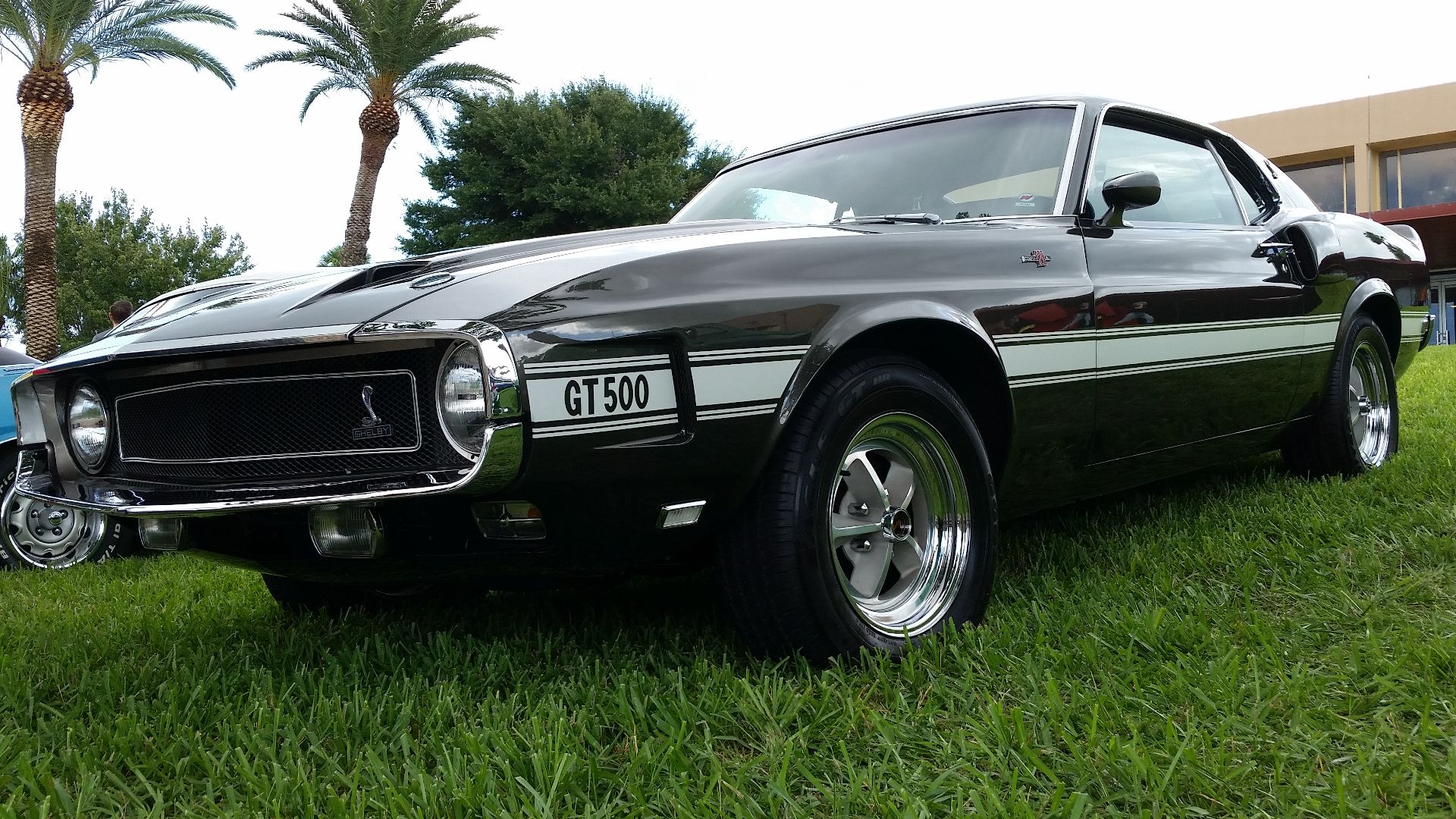 Michel Curi, Wikimedia Commons
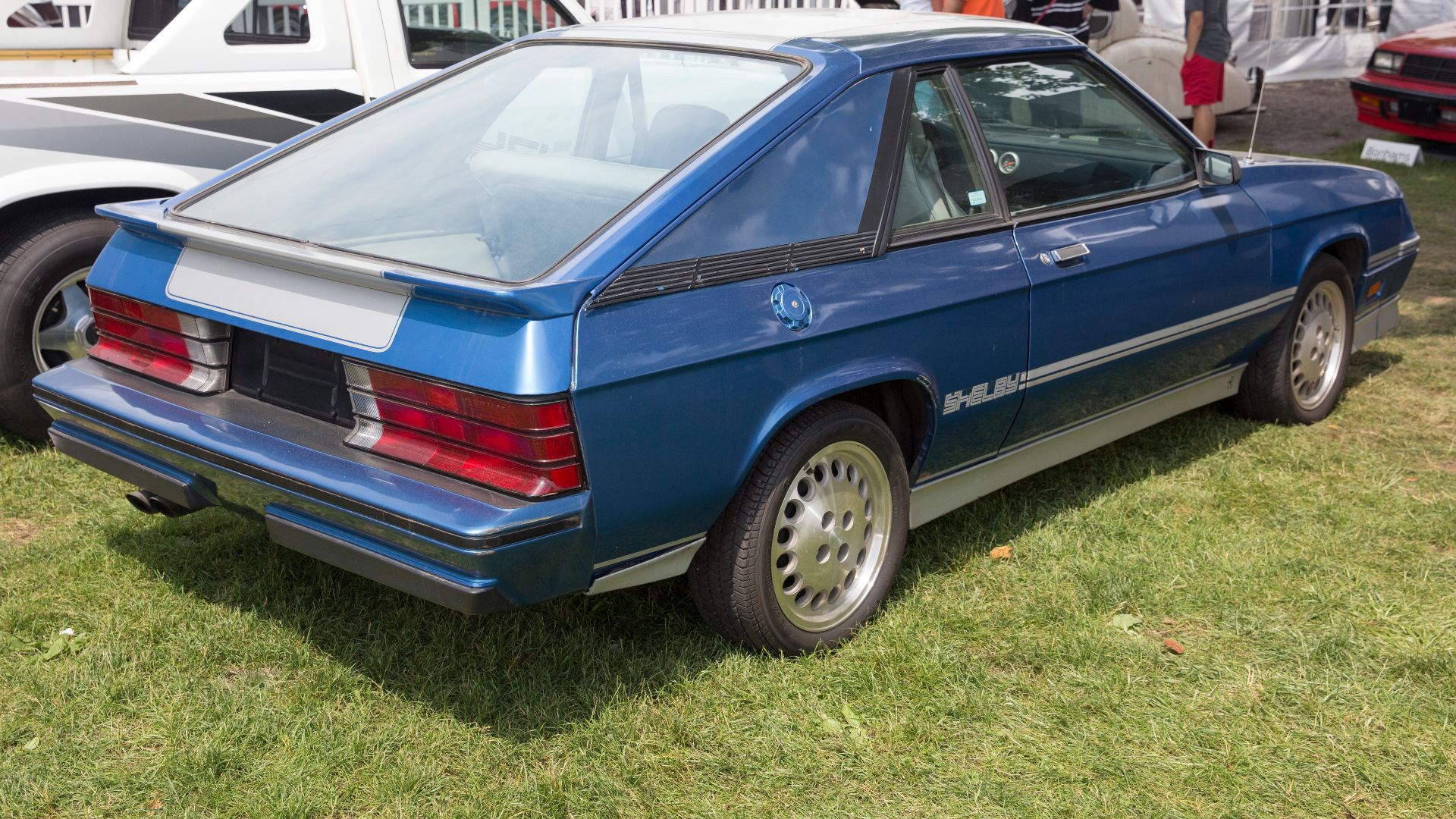
1982 Dodge Shelby Charger Prototype
This prototype marked the start of Shelby’s partnership with Dodge. It featured a tuned 2.2L engine, tighter suspension, and sportier steering than the base model.
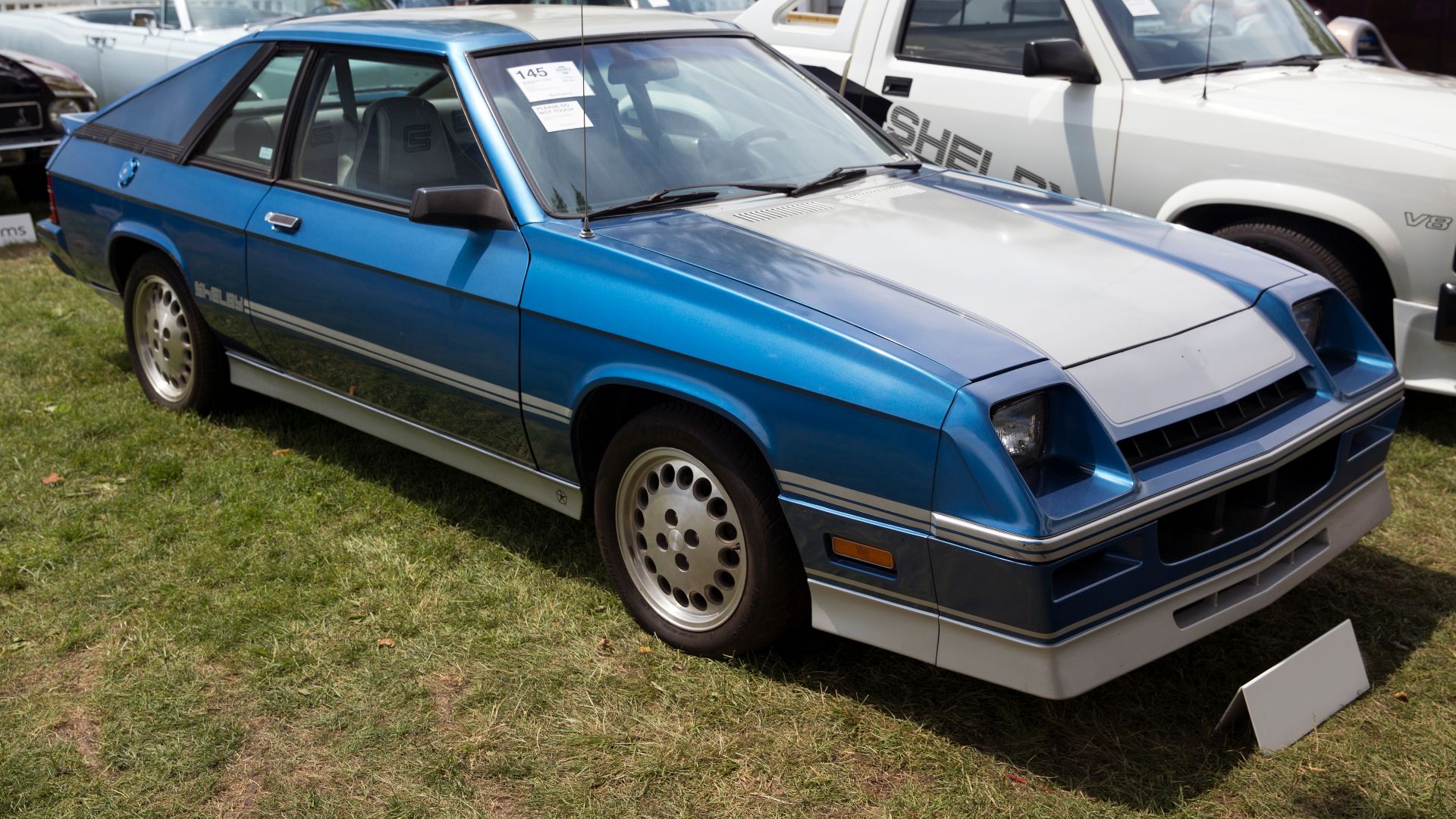 Mr.choppers, Wikimedia Commons
1982 Dodge Shelby Charger Prototype
This 1982 Dodge Shelby Charger prototype remained in Carroll Shelby’s personal collection until his death in 2012. It featured stiffer suspension, upgraded brakes, and a close-ratio five-speed transmission, elements that would appear in later Dodge-Shelby collaborations.
 Mr.choppers, Wikimedia Commons
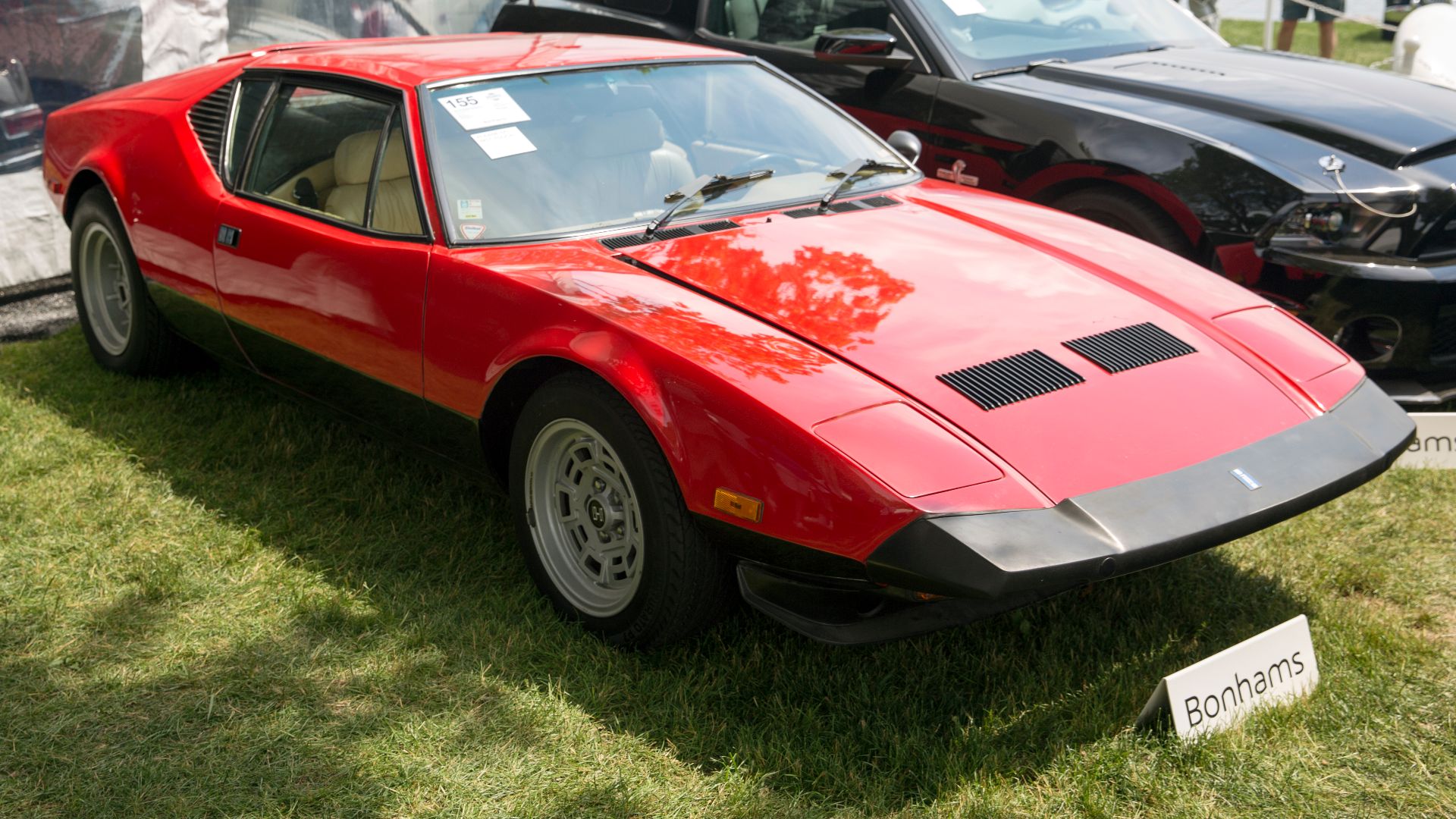
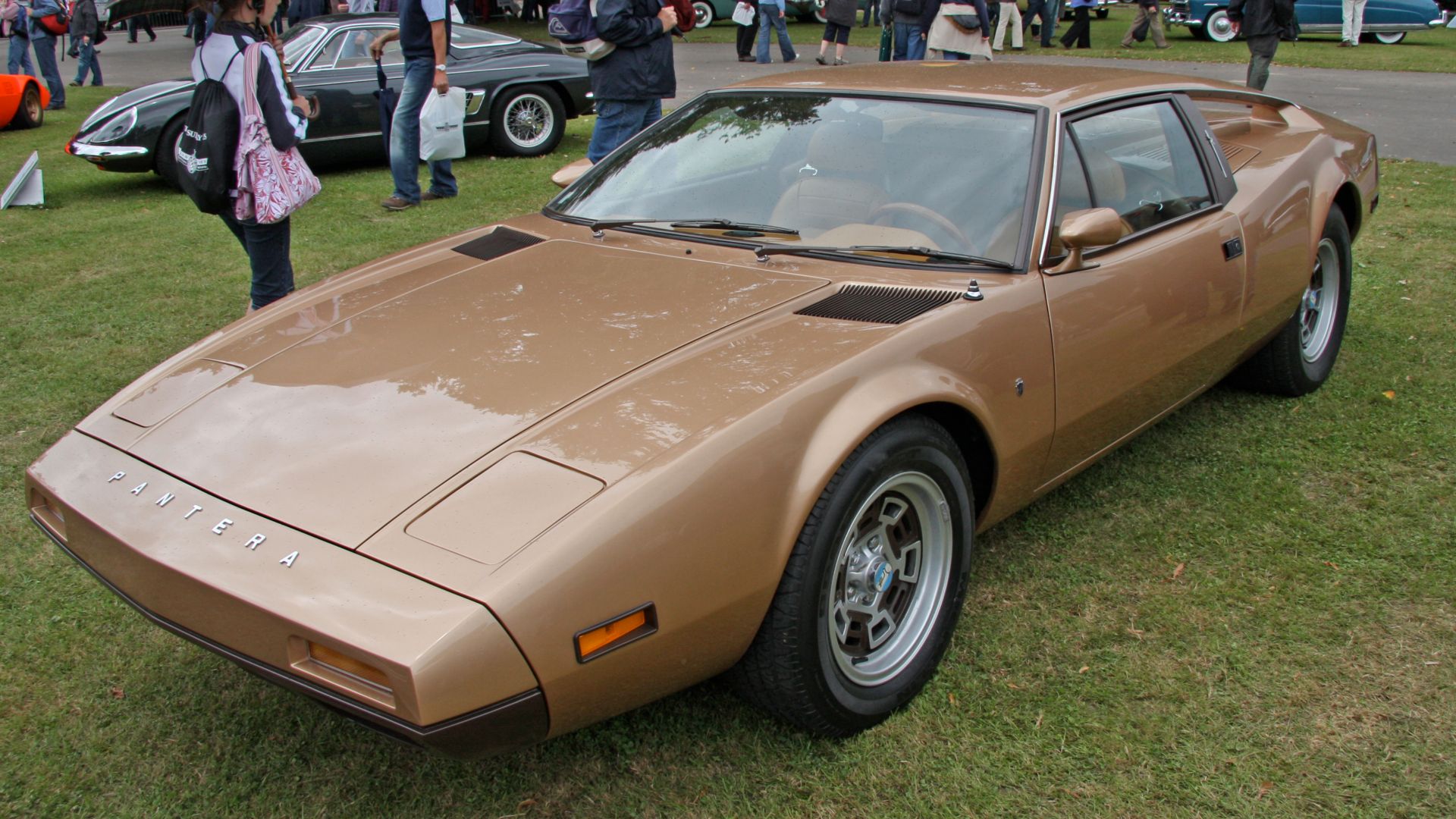
1983 De Tomaso Pantera GTS
The De Tomaso Pantera GTS was already an automotive oddity in the best possible way—a sleek Italian sports car powered by a thunderous American V8. Nestled behind the driver sat Ford's legendary 351 Cleveland engine, giving the Pantera a unique blend of European styling and muscle-car attitude. Shelby's example was especially noteworthy thanks to its remarkably low mileage, a factor that helped push its final auction price to an impressive $182,560 when it crossed the block in 2018.
 Mr.choppers, Wikimedia Commons
1983 De Tomaso Pantera GTS
Only 138 Pantera GTS models were imported into the US, making them a rare sight. Shelby’s example combined 330 horsepower with a curb weight under 3,300 pounds.
 Brian Snelson from Hockley, Essex, England, Wikimedia Commons
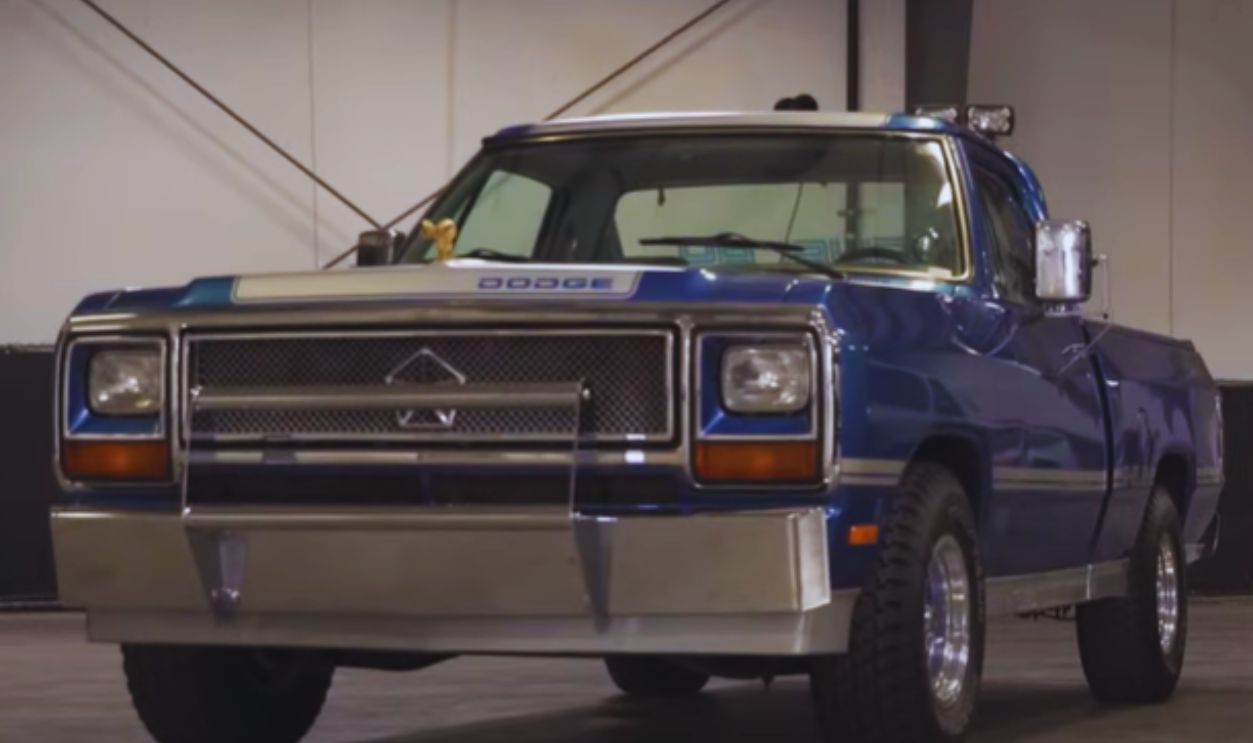
1983 Dodge Shelby Ram Prototype
Shelby never produced a Dodge Ram for retail, but this prototype is proof one existed. Built in 1983, it came equipped with a 360-ci V8 and upgraded camshaft.
1983 Dodge Shelby Ram Prototype
With its bold Santa Blue paint, fiberglass tonneau, and off-road lights, it was more than a test mule. It sold for just $15,000, despite its rarity.
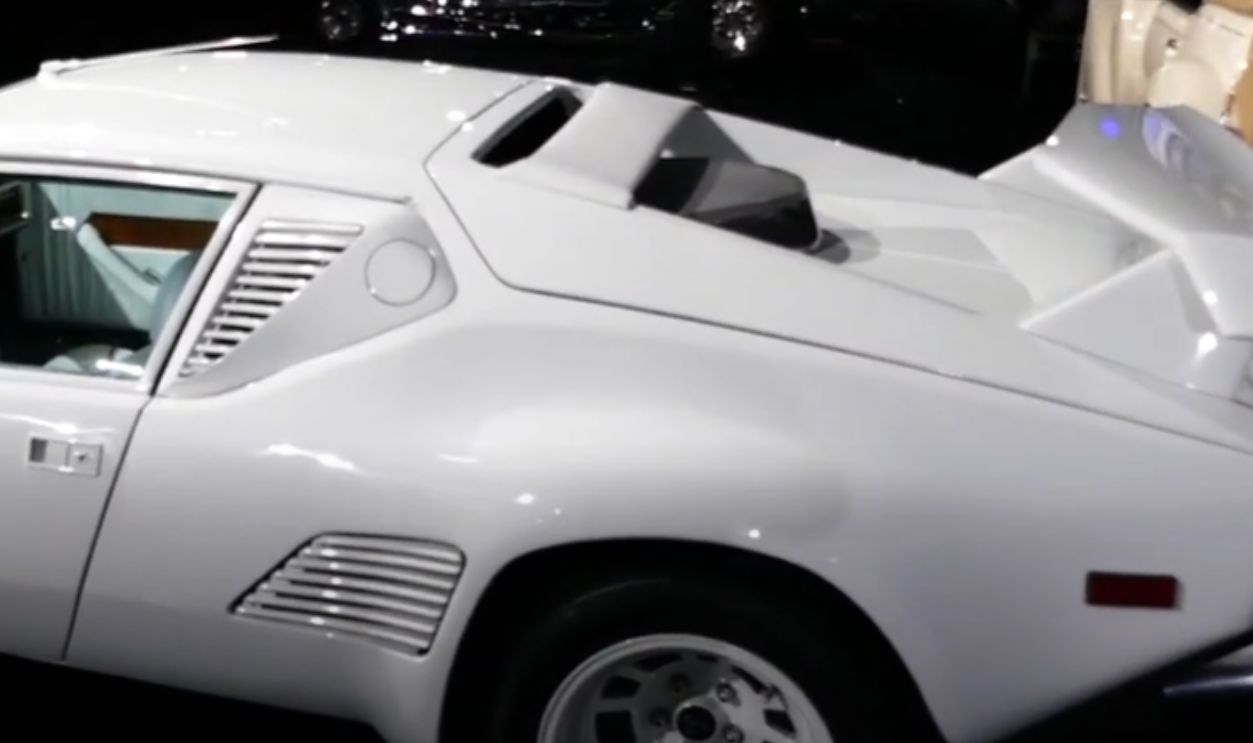
1987 De Tomaso Pantera GT5-S
This Pantera GT5-S served as a test bed for the original Dodge Viper project. Shelby installed a twin-turbo V8 before Dodge ultimately opted for a V10.
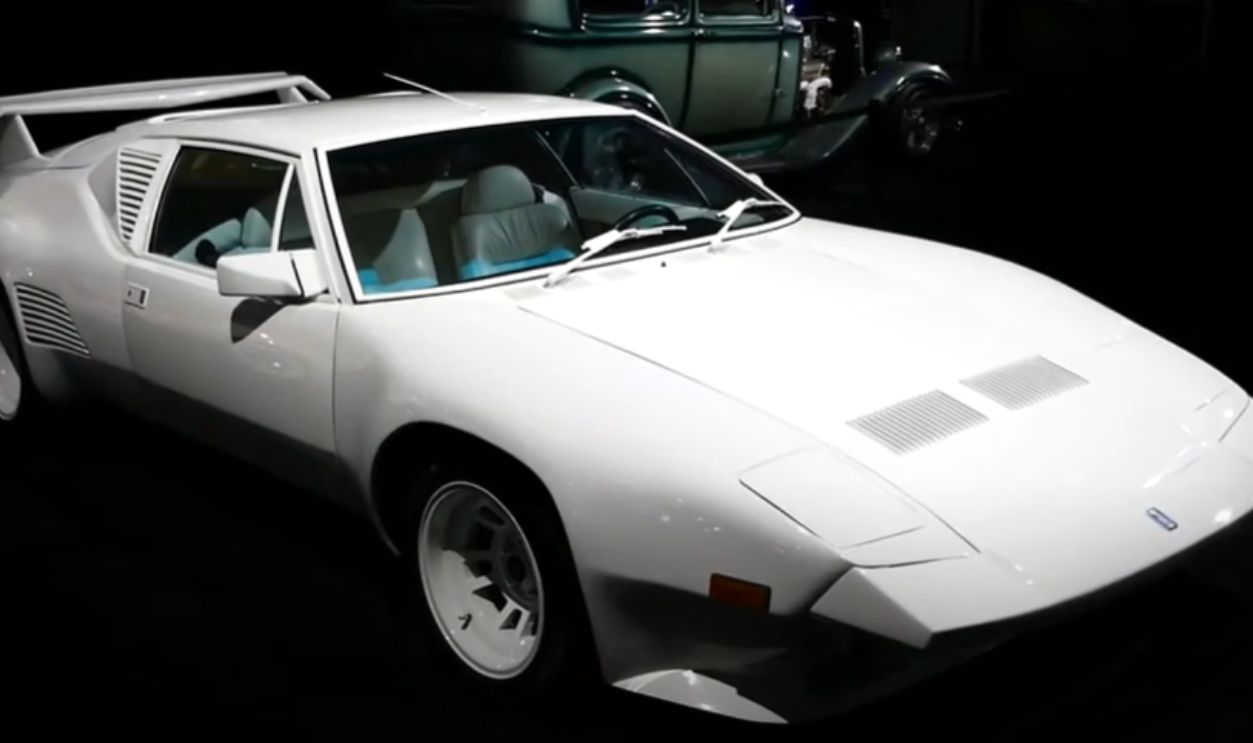
1987 De Tomaso Pantera GT5-S
At the time of auction, the Pantera was sold without an engine. Even in that state, it fetched $226,240 due to its experimental role and Shelby ownership.
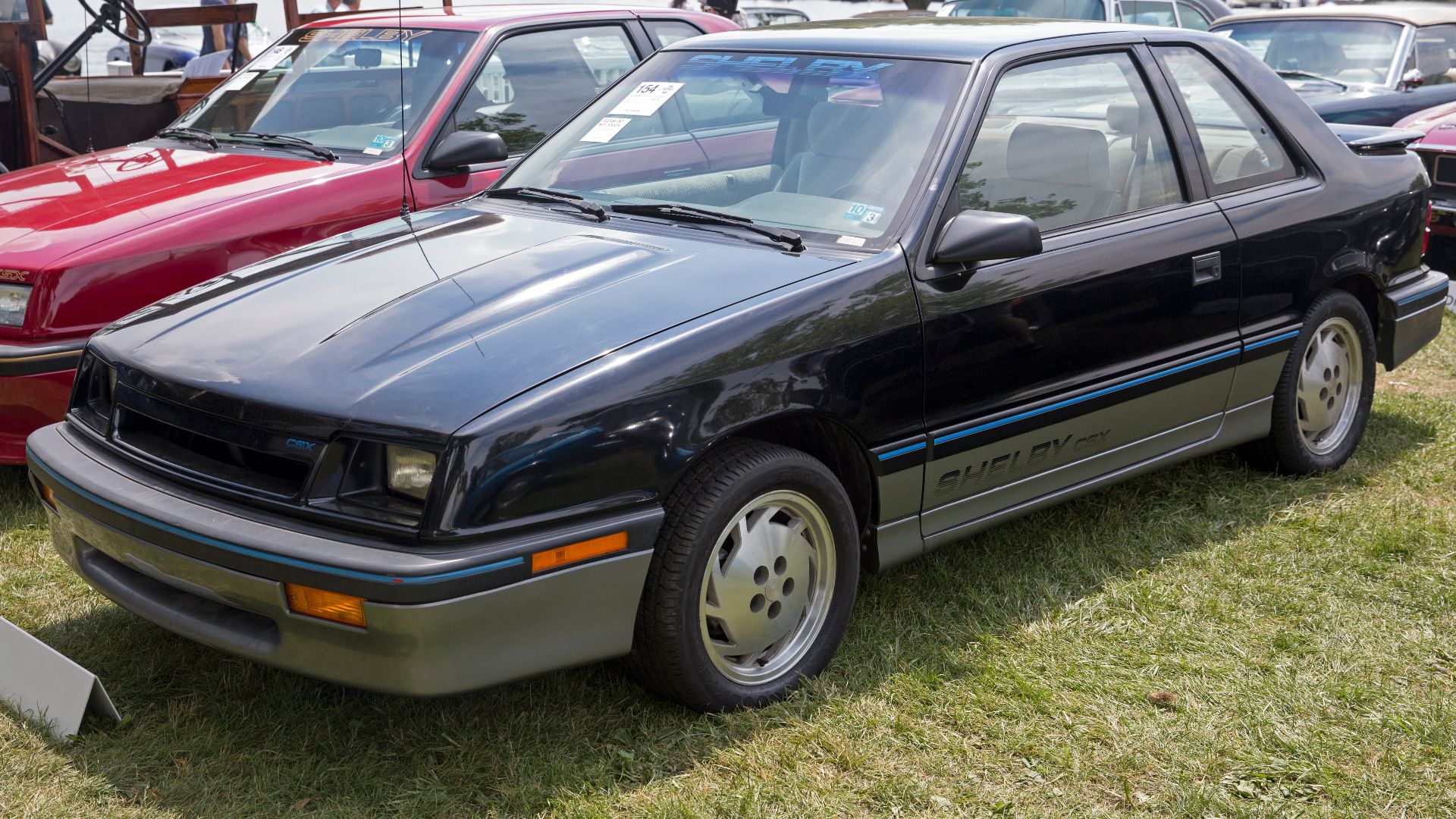
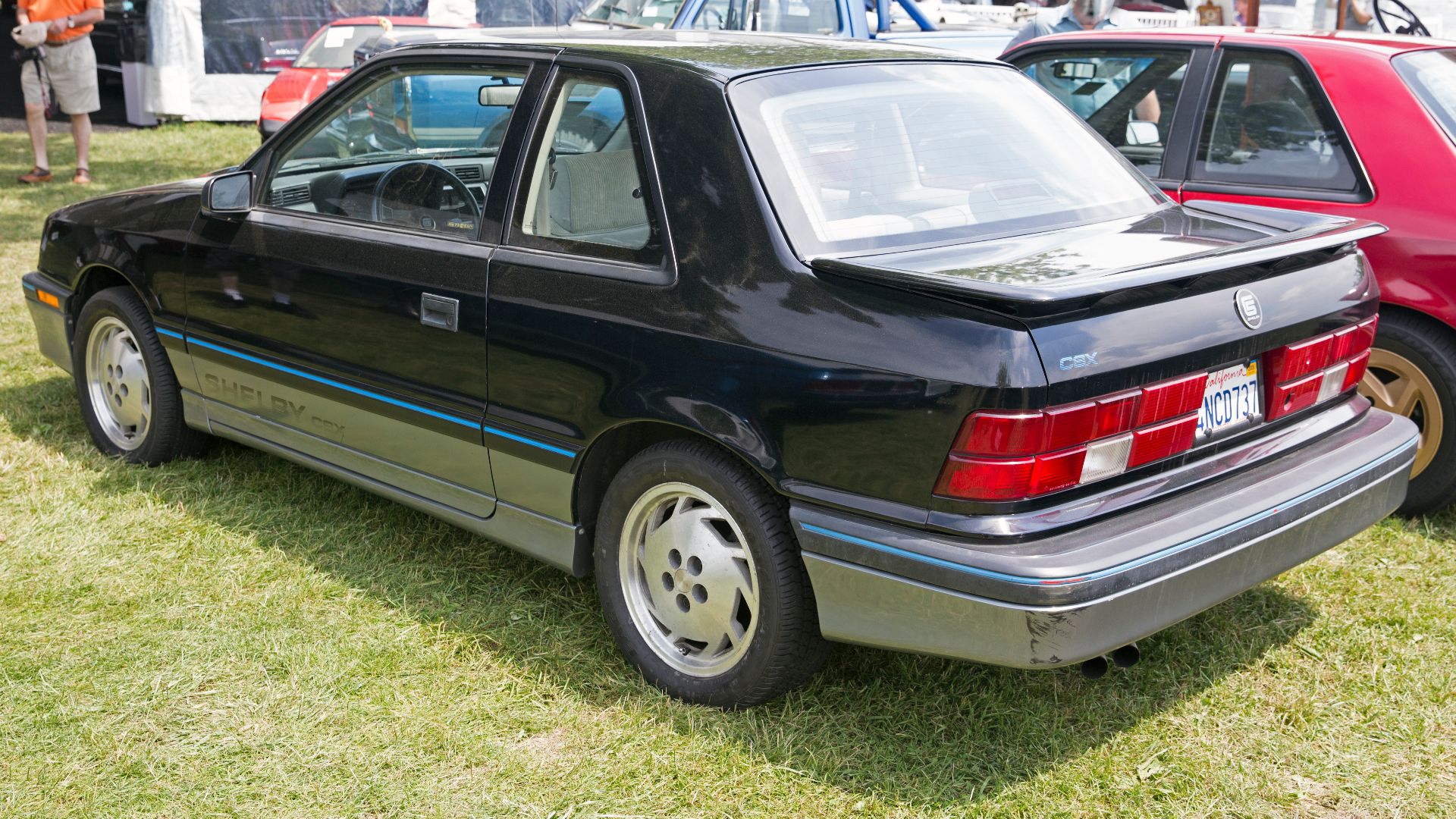
1987 Dodge CSX
Only 750 CSX models were made in 1987, and this one stayed in Shelby’s hands from day one. Its turbocharged 2.2L engine delivered 175 horsepower.
 Mr.choppers, Wikimedia Commons
1987 Dodge CSX
The 1987 Dodge CSX showcased Carroll Shelby's knack for finding performance in unexpected places. Starting with a compact front-wheel-drive platform, Shelby transformed the car with a specially tuned suspension, revised engine management, and sharper throttle response that gave it a far more spirited personality than its modest appearance suggested. With fewer than 1,000 examples ever produced, the CSX remains one of the rarest chapters in Shelby's Mopar story—a reminder that his performance magic wasn't limited to Mustangs and Cobras.
 Mr.choppers, Wikimedia Commons
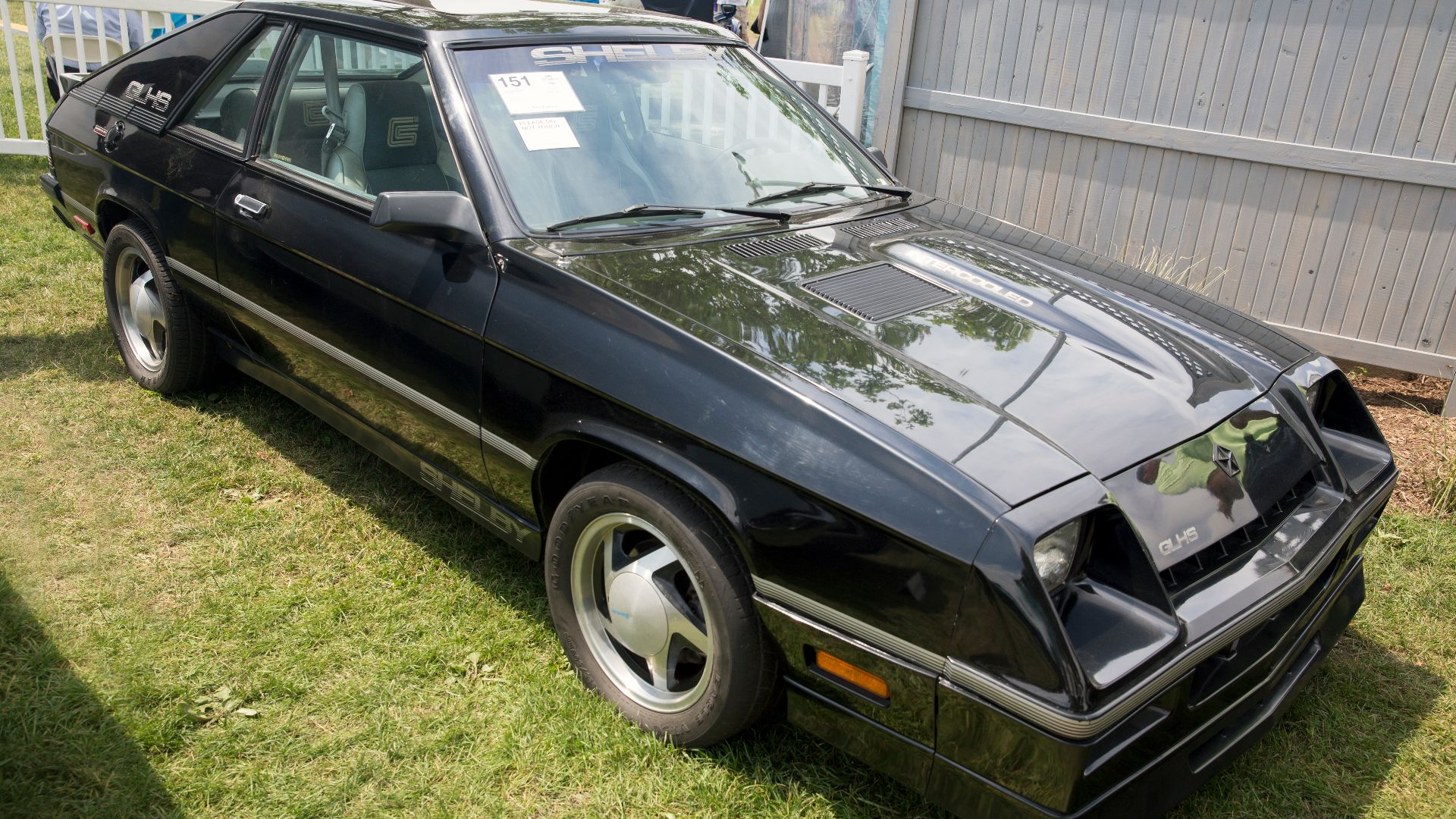
1987 Dodge Shelby Charger GLH-S
As production of the Shelby Charger wound down in 1987, Shelby introduced the GLH-S. Just 1,000 units were made, and Shelby owned serial number one.
 Mr.choppers, Wikimedia Commons
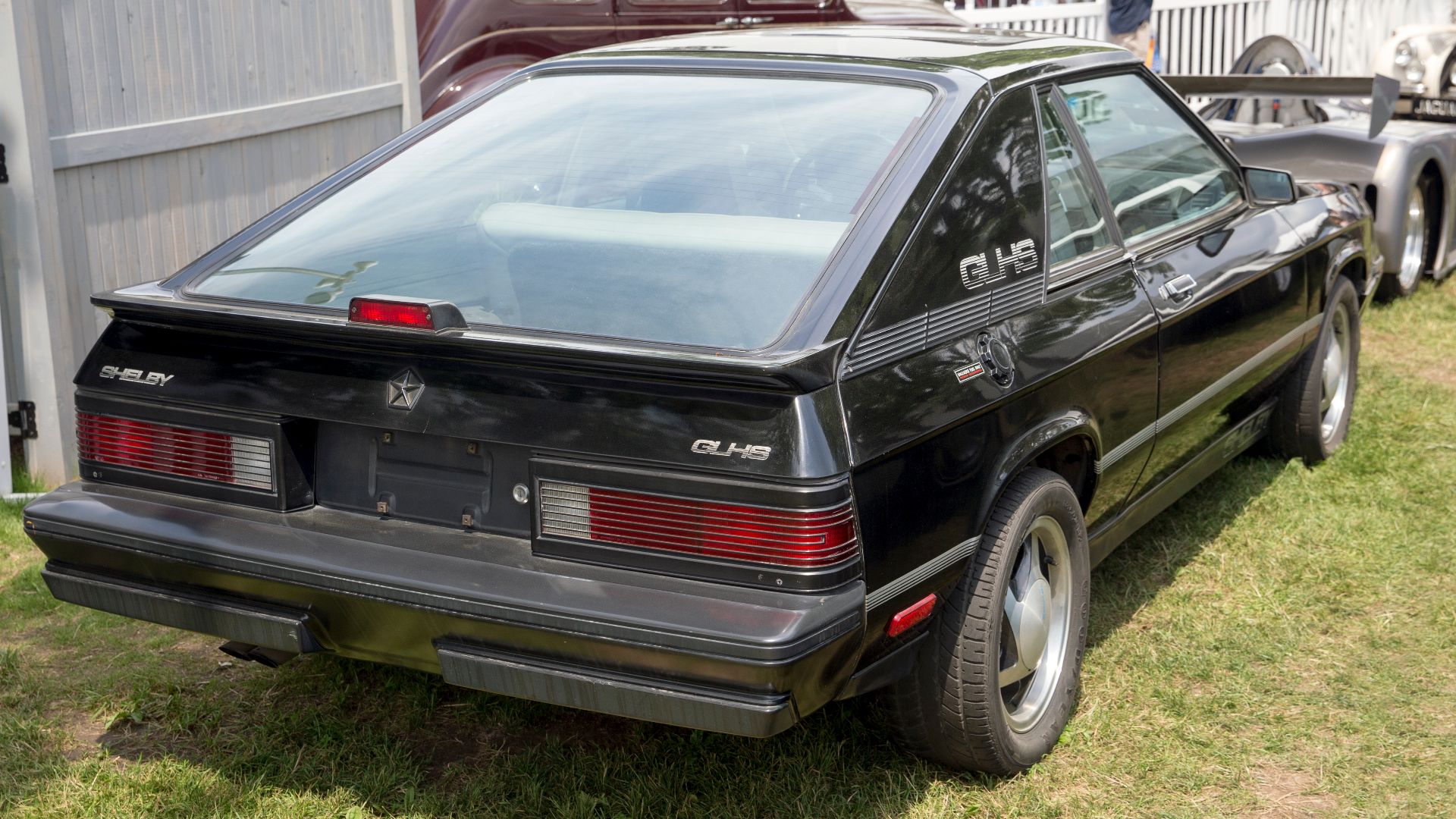
1987 Dodge Shelby Charger GLH-S
The 1987 Dodge Shelby Charger GLH-S was the final evolution of the Shelby Charger series. The GLH-S acronym stood for “Goes Like Hell, S’more,” reflecting its performance boost over the standard GLH model.
 Mr.choppers, Wikimedia Commons
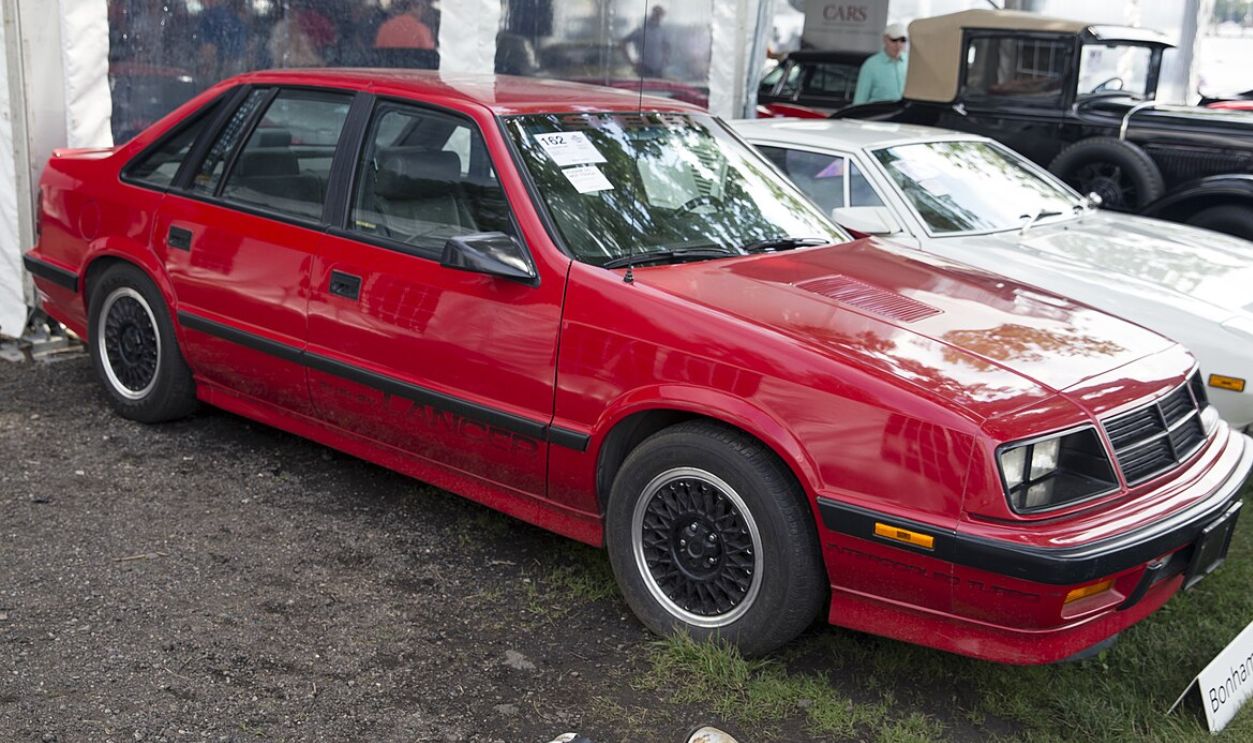
1987 Dodge Shelby Lancer
Shelby reportedly used this as his personal daily driver in California. It was the very first of just 800 units ever made.
 Mr.choppers, CC BY-SA 3.0, Wikimedia Commons
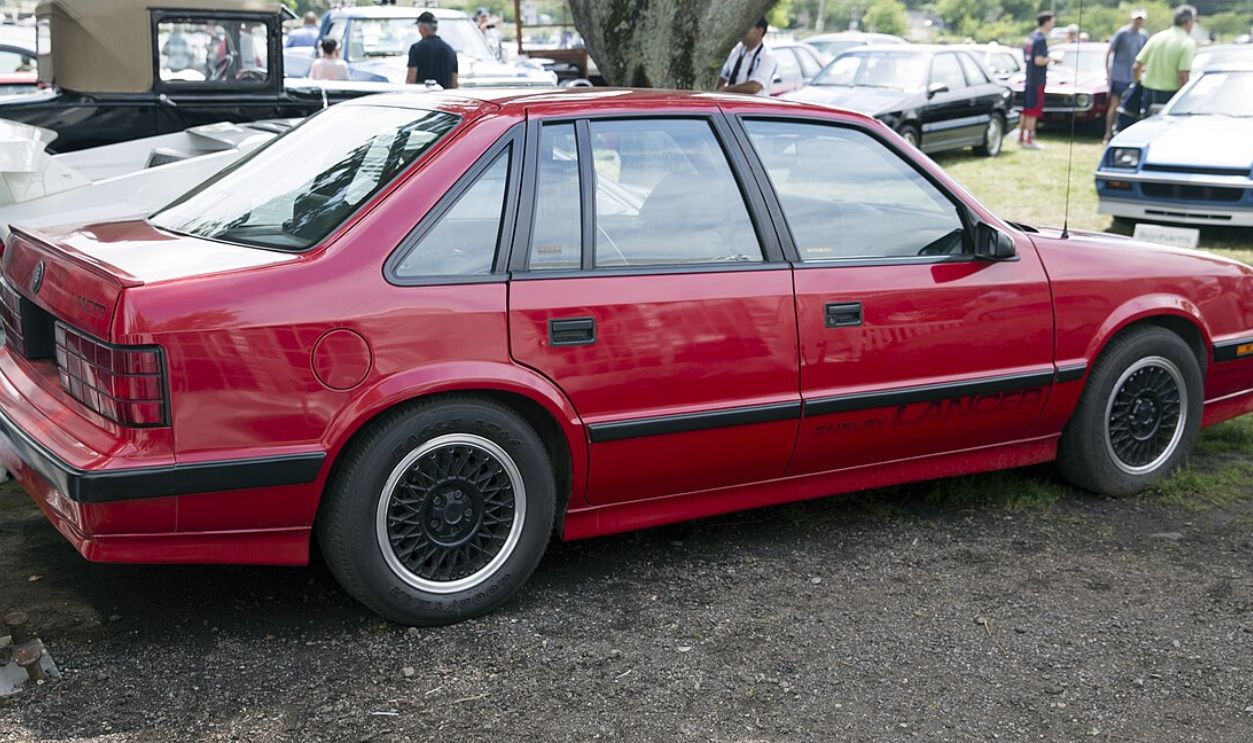
1987 Dodge Shelby Lancer
The 1987 Dodge Shelby Lancer was the first Shelby vehicle to feature a CD player as standard equipment, a rarity in American cars at the time. Despite being Shelby’s personal daily driver, it changed hands at auction for less than $9,000.
 Mr.choppers, CC BY-SA 3.0, Wikimedia Commons
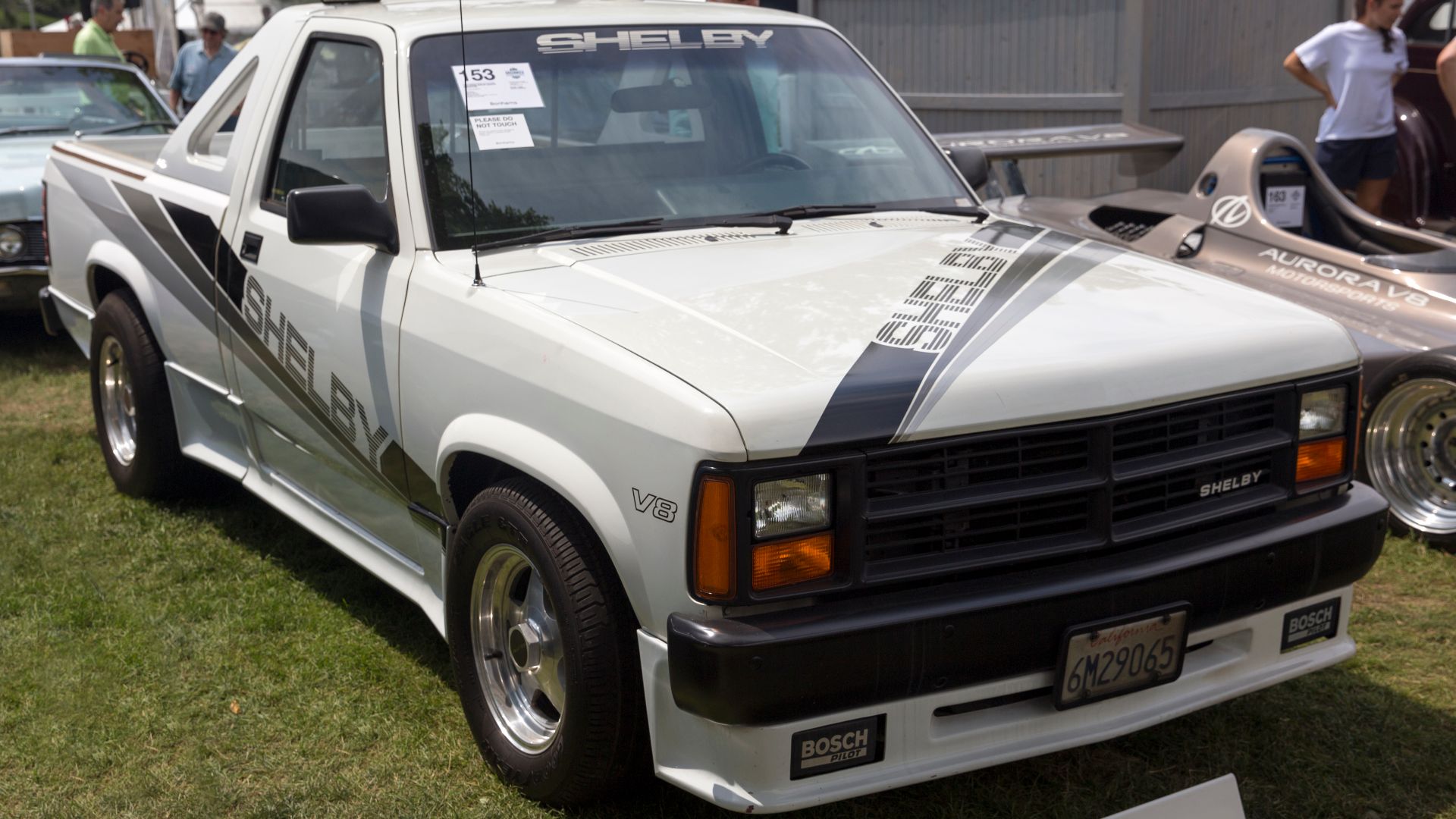
1988 Dodge Shelby Dakota Prototype
Built in 1988, this prototype previewed the Shelby Dakota, which entered limited production the following year. The vehicle featured a lowered suspension, revised bodywork, and a 5.2L V8 engine, elements later seen in the production model.
 Mr.choppers, Wikimedia Commons
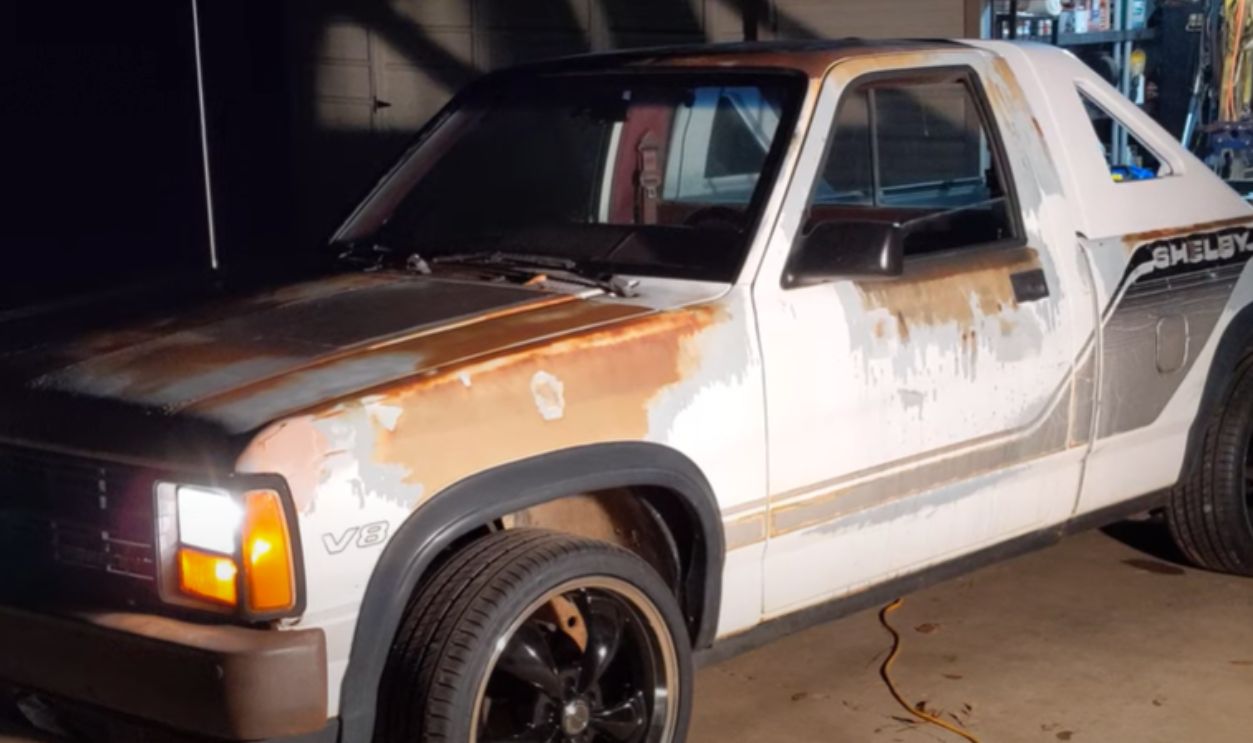
1988 Dodge Shelby Dakota Prototype
The prototype featured custom bodywork, Shelby badging, and unique alloy wheels not seen on the base model. Limited-slip differential and trans cooler completed its performance package.
 Cammed 1989 Dodge Shelby Dakota Walk Around With New Wheels And Tires, Little River Garage
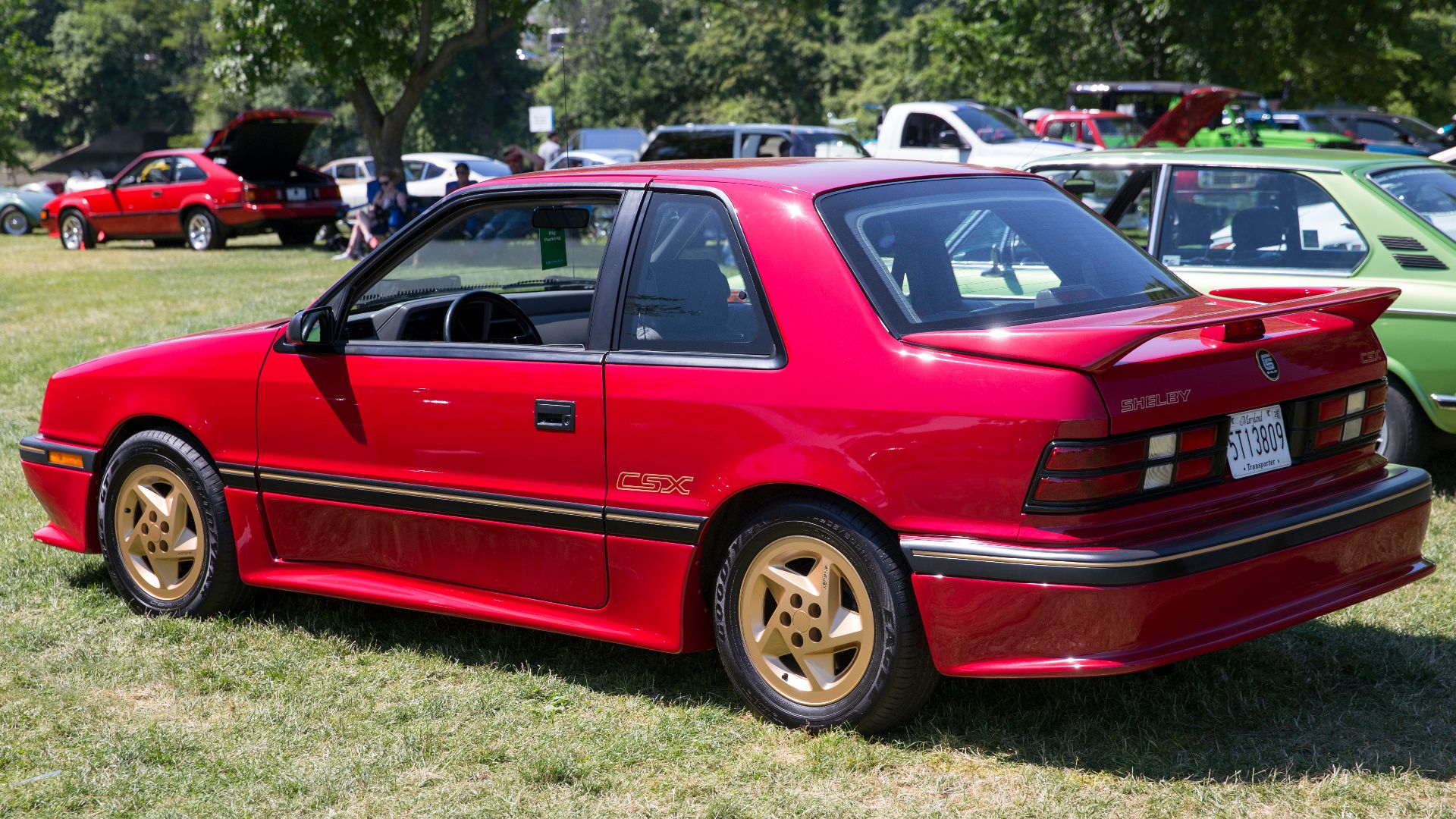
1989 Dodge CSX VNT
The CSX VNT marked the end of an era as the final Dodge model to carry Carroll Shelby's name. Limited to just 500 units, it was also one of the most technically ambitious cars in Shelby's Mopar portfolio, featuring a Variable Nozzle Turbo system designed to deliver smoother power and reduce the lag that plagued many turbocharged cars of the period. Rare, innovative, and often overlooked, the CSX VNT served as a fitting farewell to Shelby's long-running partnership with Dodge.
 Mr.choppers, Wikimedia Commons
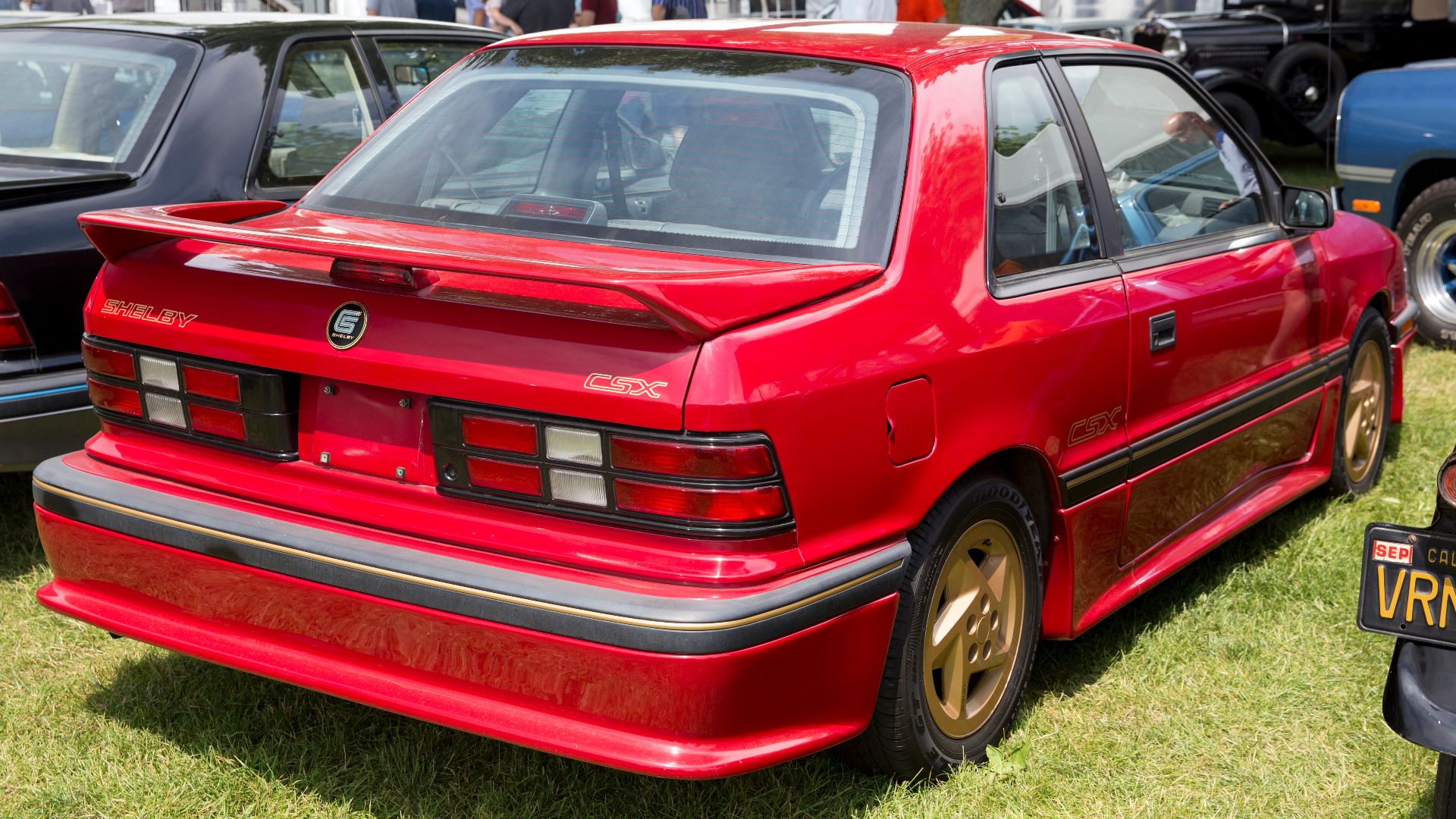
1989 Dodge CSX VNT
All versions of this model were equipped with a Garrett VNT turbocharger that varied boost response in real time. This was the first application of such technology in a US market production car.
 Mr.choppers, Wikimedia Commons
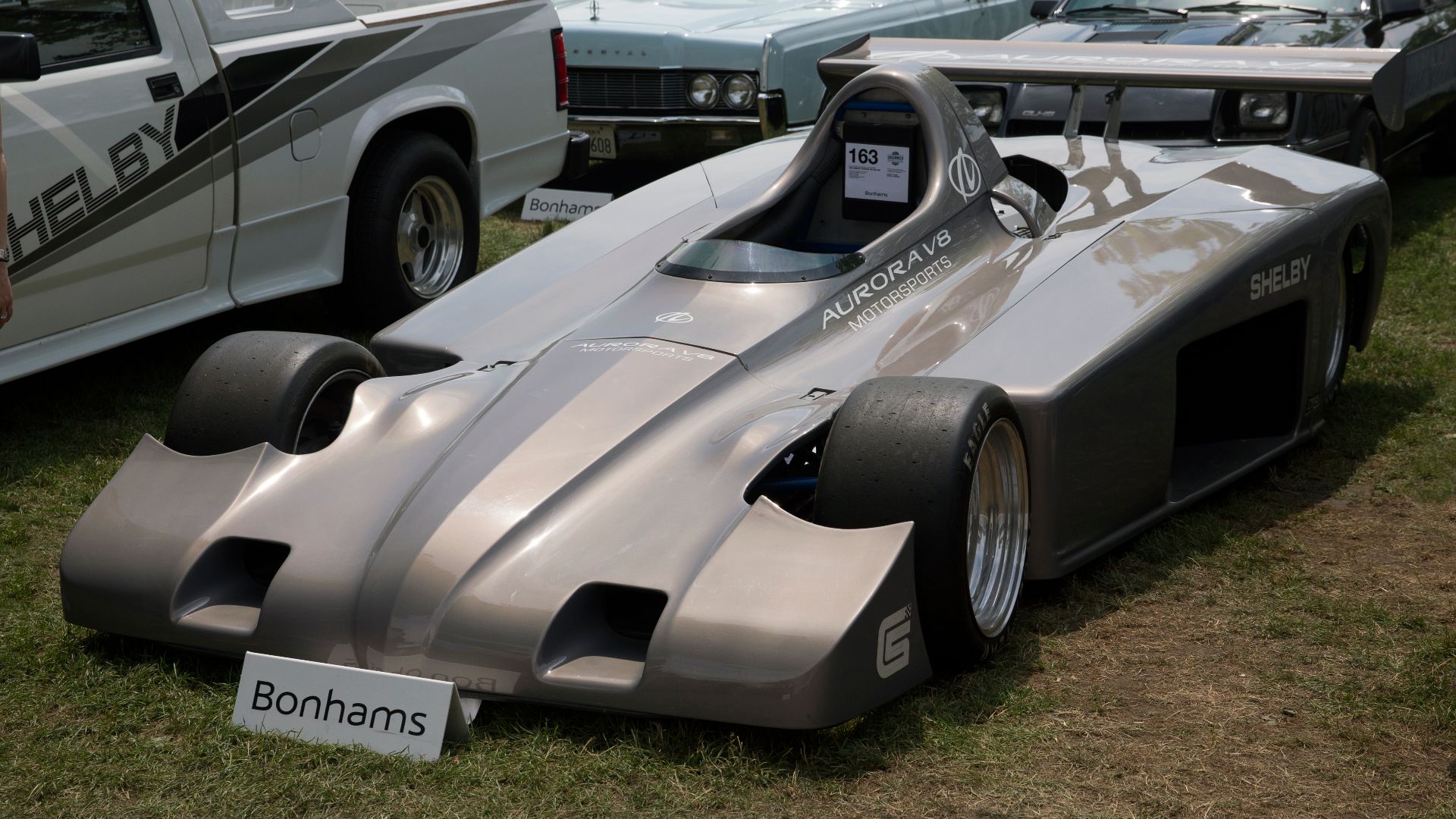
1997 Shelby Aurora Can-Am
This Can-Am prototype race car featured an Oldsmobile Aurora V8 engine. Shelby planned it as a performance concept linked to his Series 1 road car.
 Mr.choppers, Wikimedia Commons
1997 Shelby Aurora Can-Am
Only one was ever built, and it saw minimal track use. It sold at auction for $100,800, a bargain for a one-off Shelby race car.
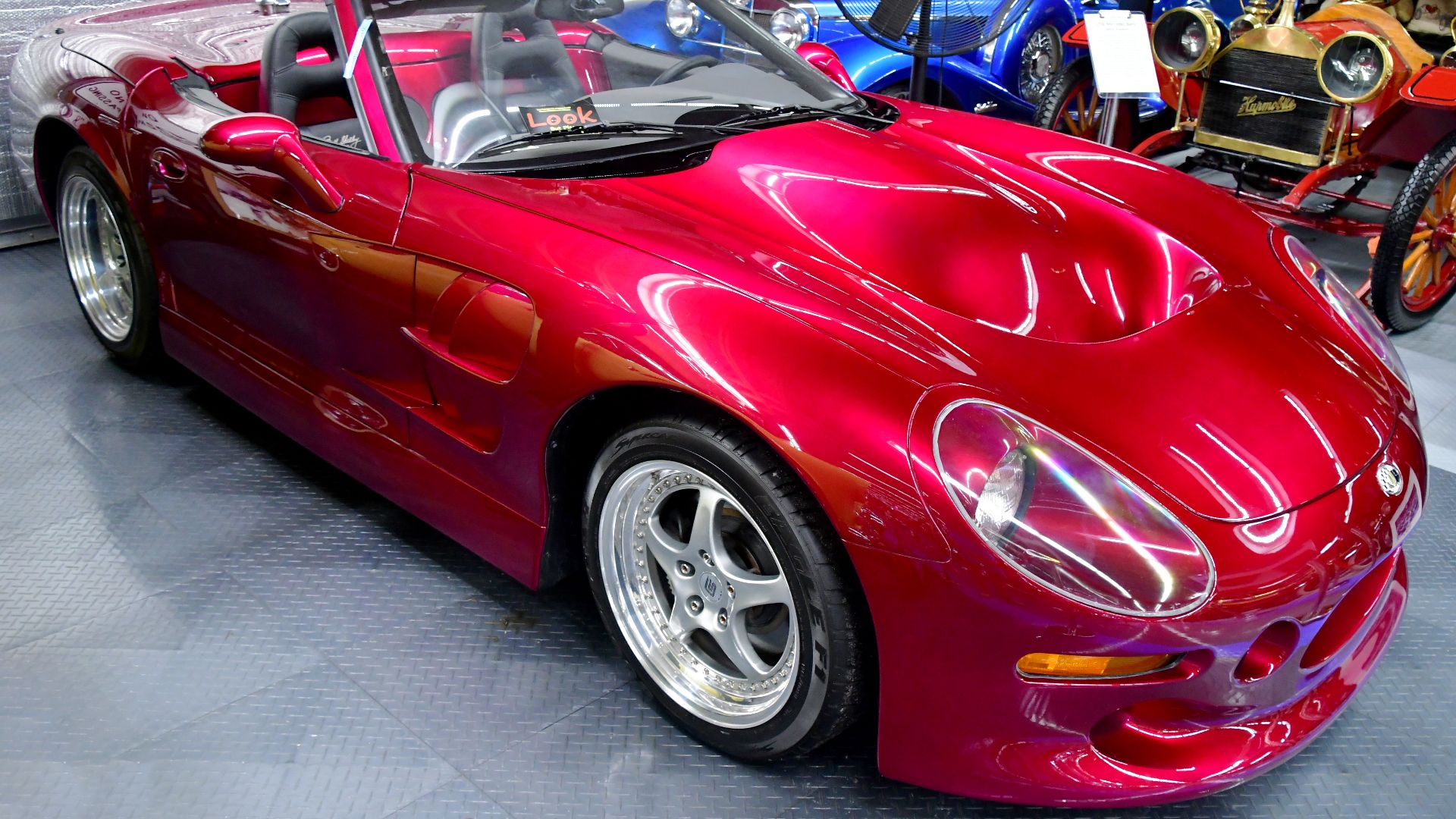
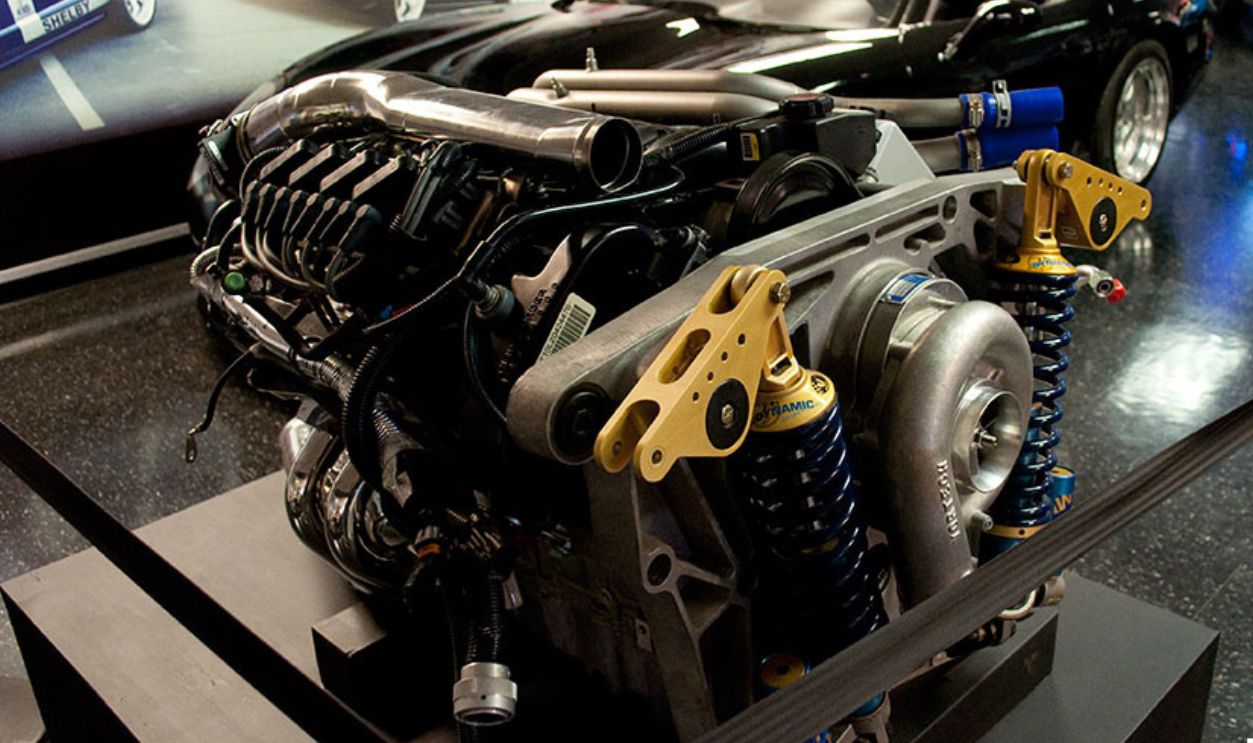
1999 Shelby Series 1
The Series 1 is the only car Shelby ever designed and built entirely from the ground up. This first example was supercharged to produce 600 horsepower.
 Eric Friedebach, Wikimedia Commons
1999 Shelby Series 1
It was the most expensive car in the 2018 Bonhams auction, selling for $313,000. Lightweight and aggressive, it embodied Shelby’s late-career vision.
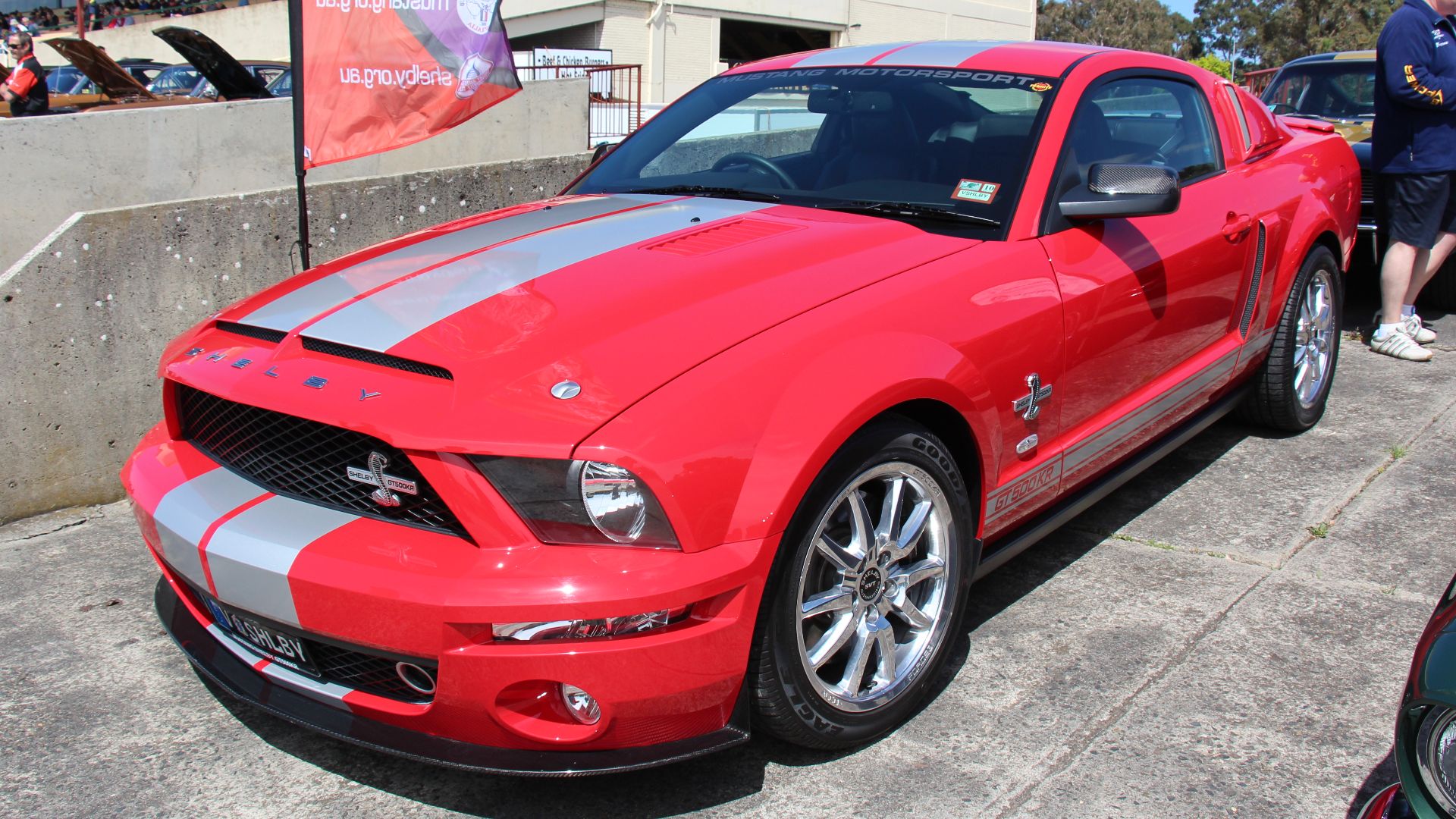
2008 Ford Mustang Shelby GT500KR
Ford presented this GT500KR to Shelby for his 85th birthday. It was the first 2008 model produced and had only 150 miles on the odometer at auction.
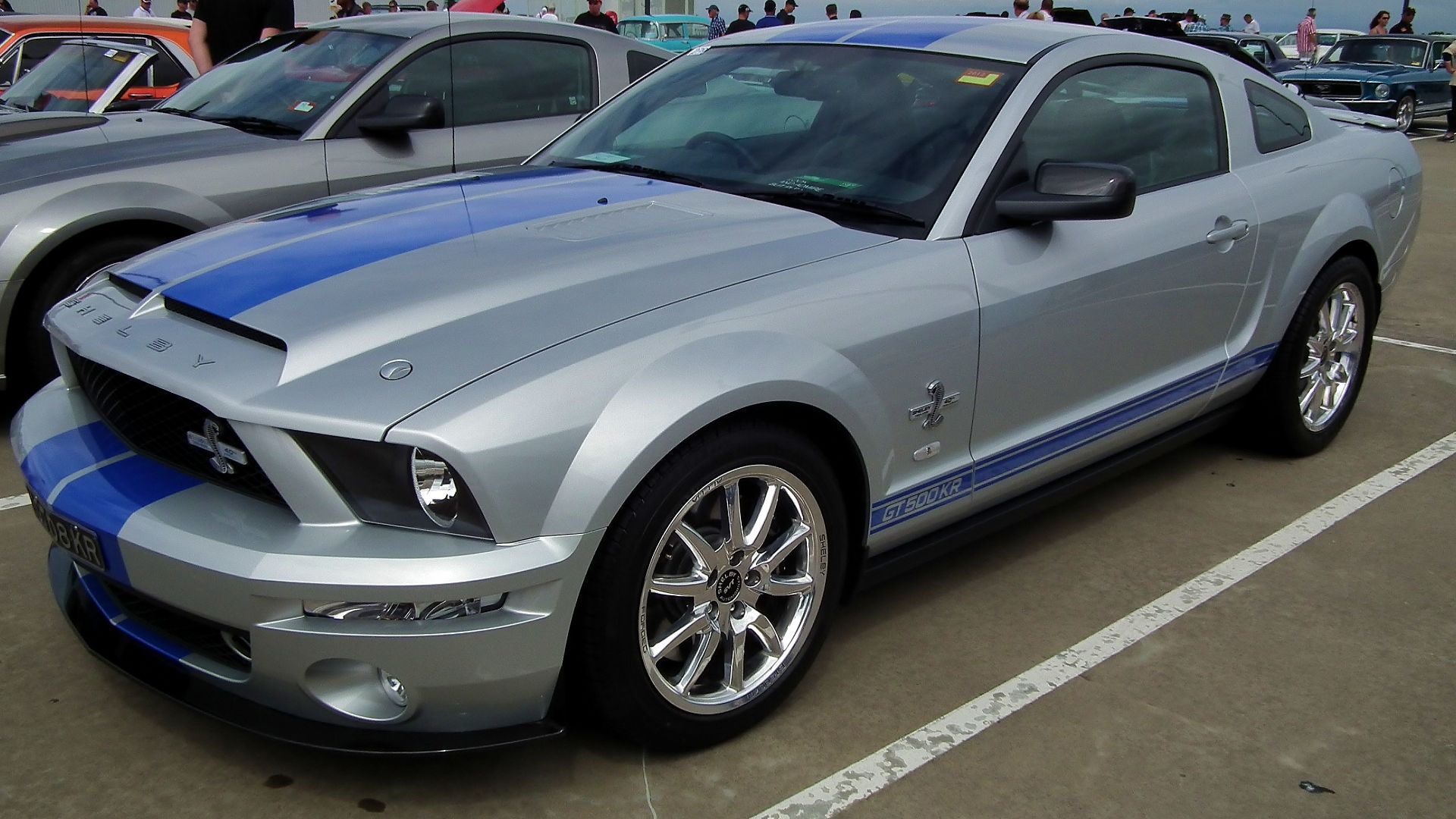
2008 Ford Mustang Shelby GT500KR
“KR” stood for “King of the Road,” a title Shelby had used decades prior. With updated tech and Shelby styling, it honored his racing legacy.
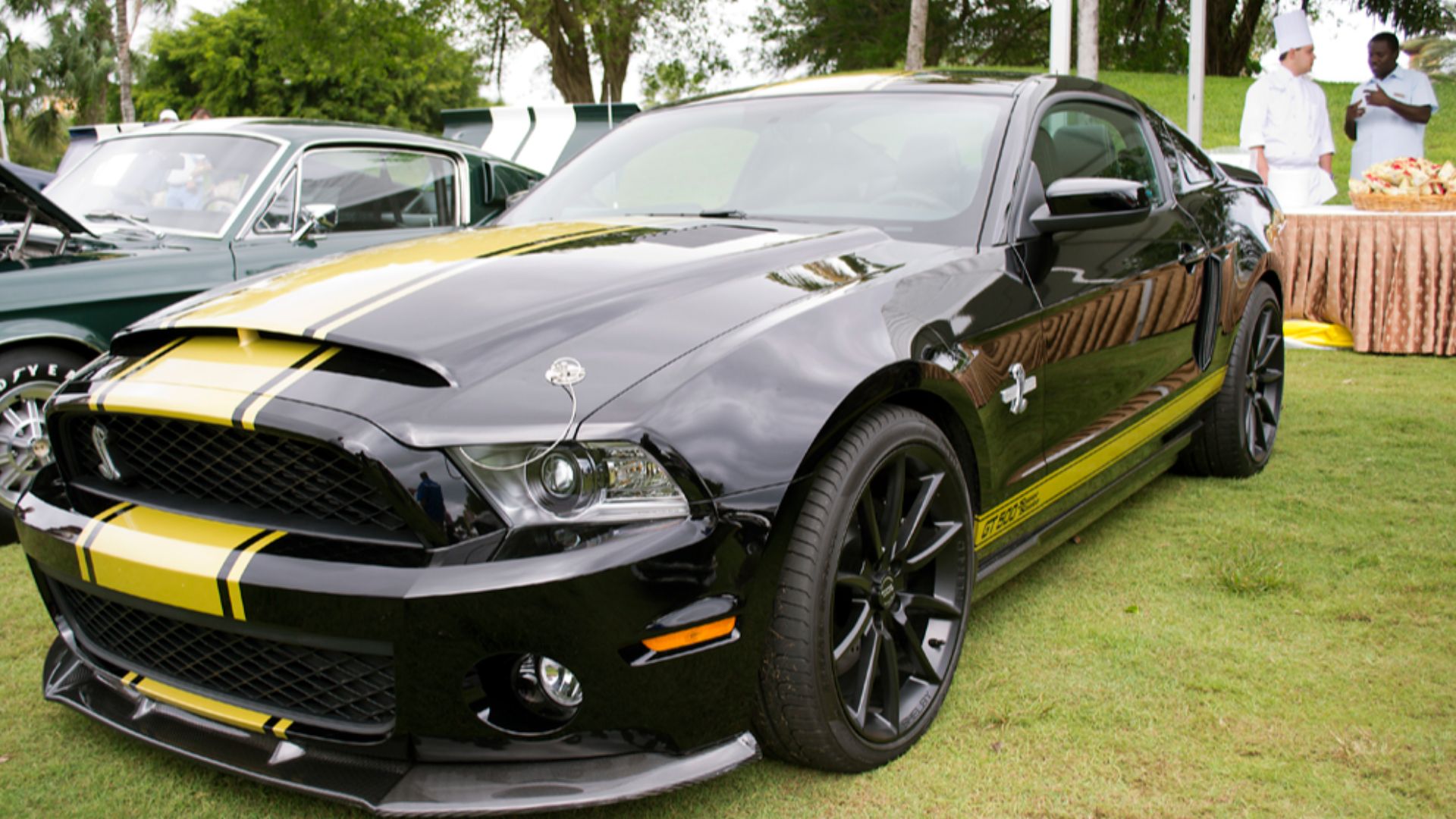
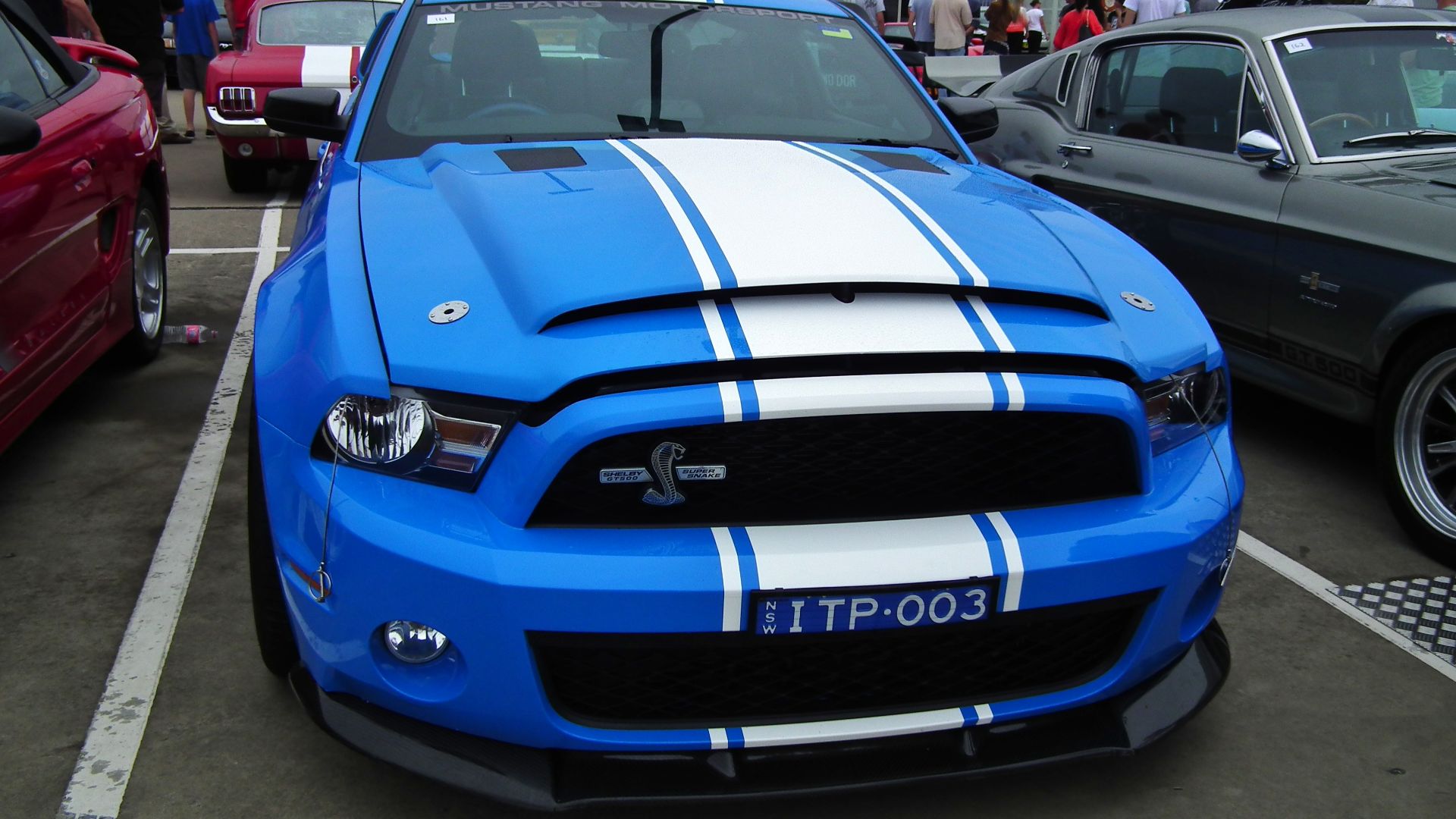
2012 Ford Mustang Shelby GT500 Super Snake
This 750-horsepower GT500 Super Snake was one of the last cars Shelby ever owned. Its performance made it a fitting final act in his legendary career.
 Brett Levin, Wikimedia Commons
2012 Ford Mustang Shelby GT500 Super Snake
Shelby passed away in 2012, the same year this Super Snake was built. As a final personal car, it serves as a powerful closing statement to his automotive story.
You May Also Like:
Travis Barker’s Coolest Custom Cars
Eminem's Car Collection Is Worthy Of A "Rap God"