A Great New Idea, Not So Great Sales
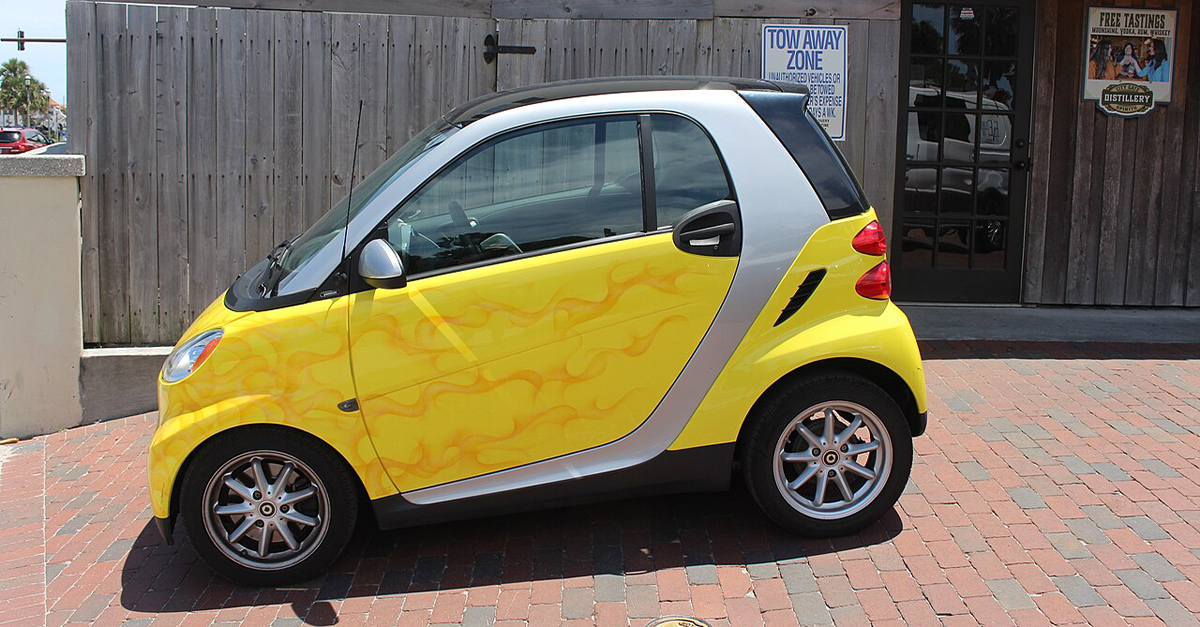
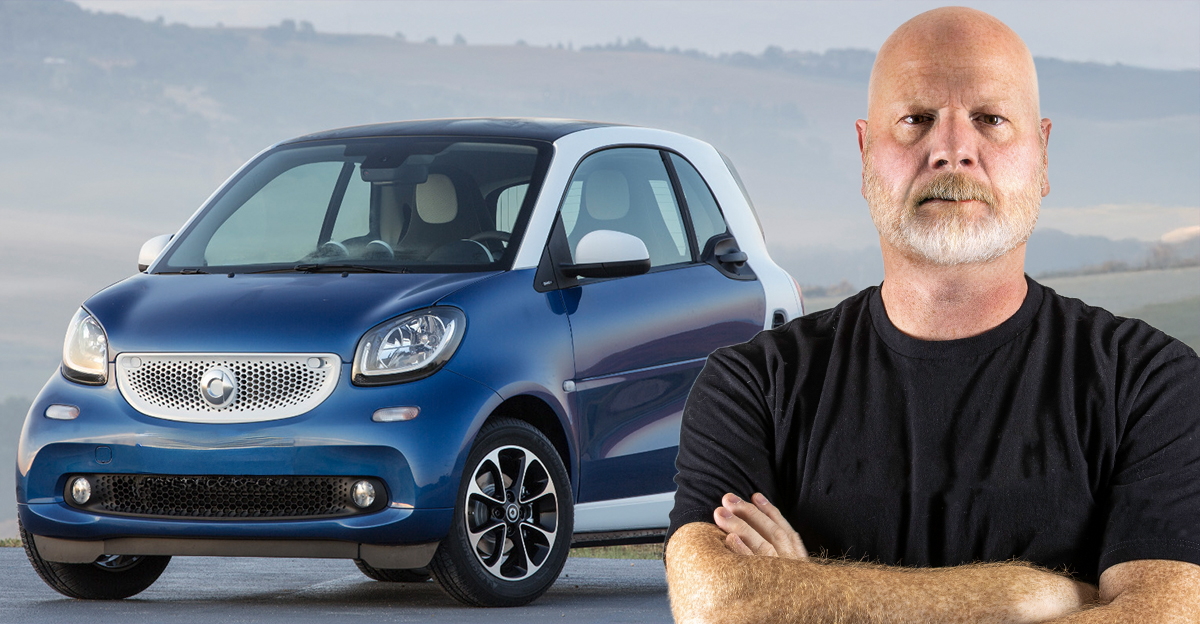
Remember the Smart Fortwo pulling into US showrooms like a novelty? The bold, tiny two‑seater city car from Mercedes‑Benz seemed clever at the time. But the car turned out to be problematic as US sales faltered fast. We look at how a quirky concept turned into a US car market misfire.
America-Sized: Bigger Is Better
In the US, the reality is that bigger vehicles have long been the default: trucks, full‑sized SUVs, roomy crossovers. The Smart car’s tiny size instantly placed it at a disadvantage. As one report put it, an already declining micro‑car market in North America undermined the Smart brand.
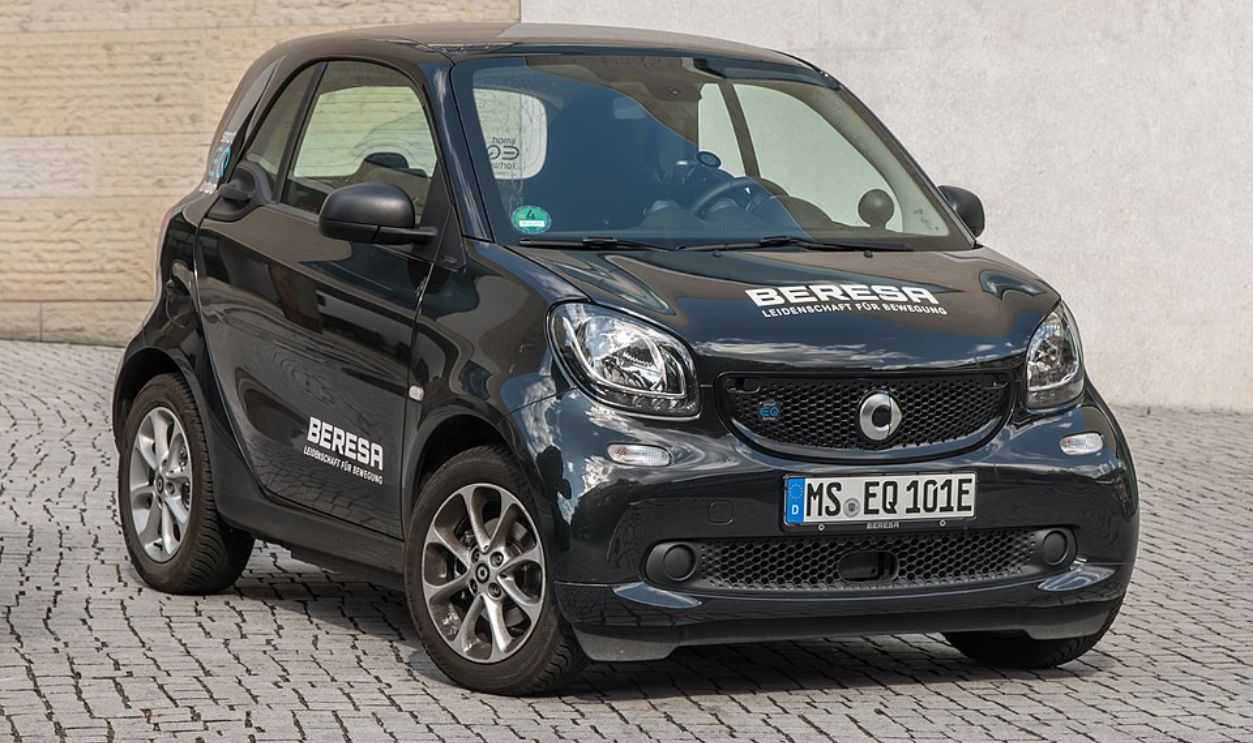 Johannes Maximilian, CC BY-SA 4.0, Wikimedia Commons
Price Versus Value, Not Just Size
Smart tried to sell itself as affordable, but the pricing didn’t match American expectations. Despite the car’s small size, it wasn’t dramatically cheaper than larger alternatives. But it also offered far less utility. This key disconnect in the car’s pricing hurt the value proposition.
Fuel Economy Myths And Reality
You might assume that a two‑seater microcar would offer blockbuster fuel numbers. But the Smart Fortwo’s US fuel economy wasn’t always better than that of larger cars or hybrids. When Americans saw a smaller car that’s not dramatically better on gas, what was already a tough sell became insurmountable.
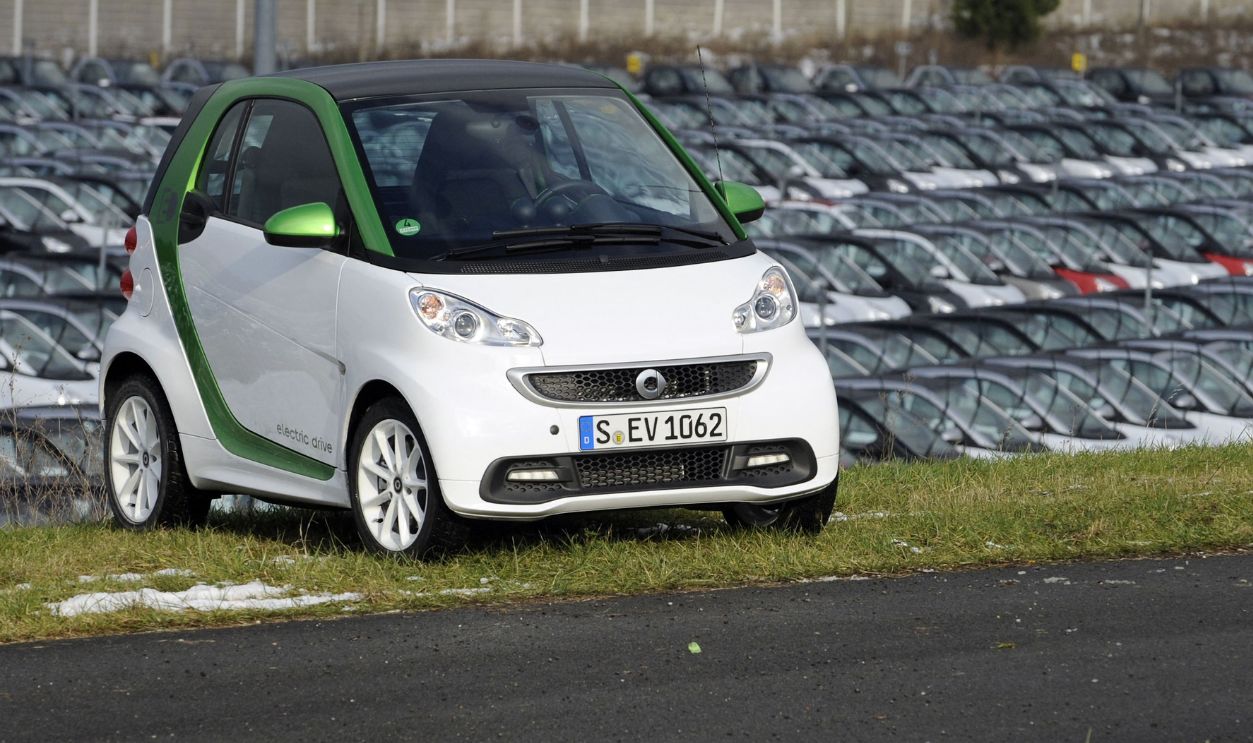
 Elijah van der Giessen from Edmonton, Canada, Wikimedia Commons
Size Meets Safety & Regulatory Costs
Meeting US safety and emissions regulations adds cost and complexity. The Fortwo had to be adapted from its European form, increasing development and production costs. Those costs had to be recovered somehow, and that was by pricing or volume.
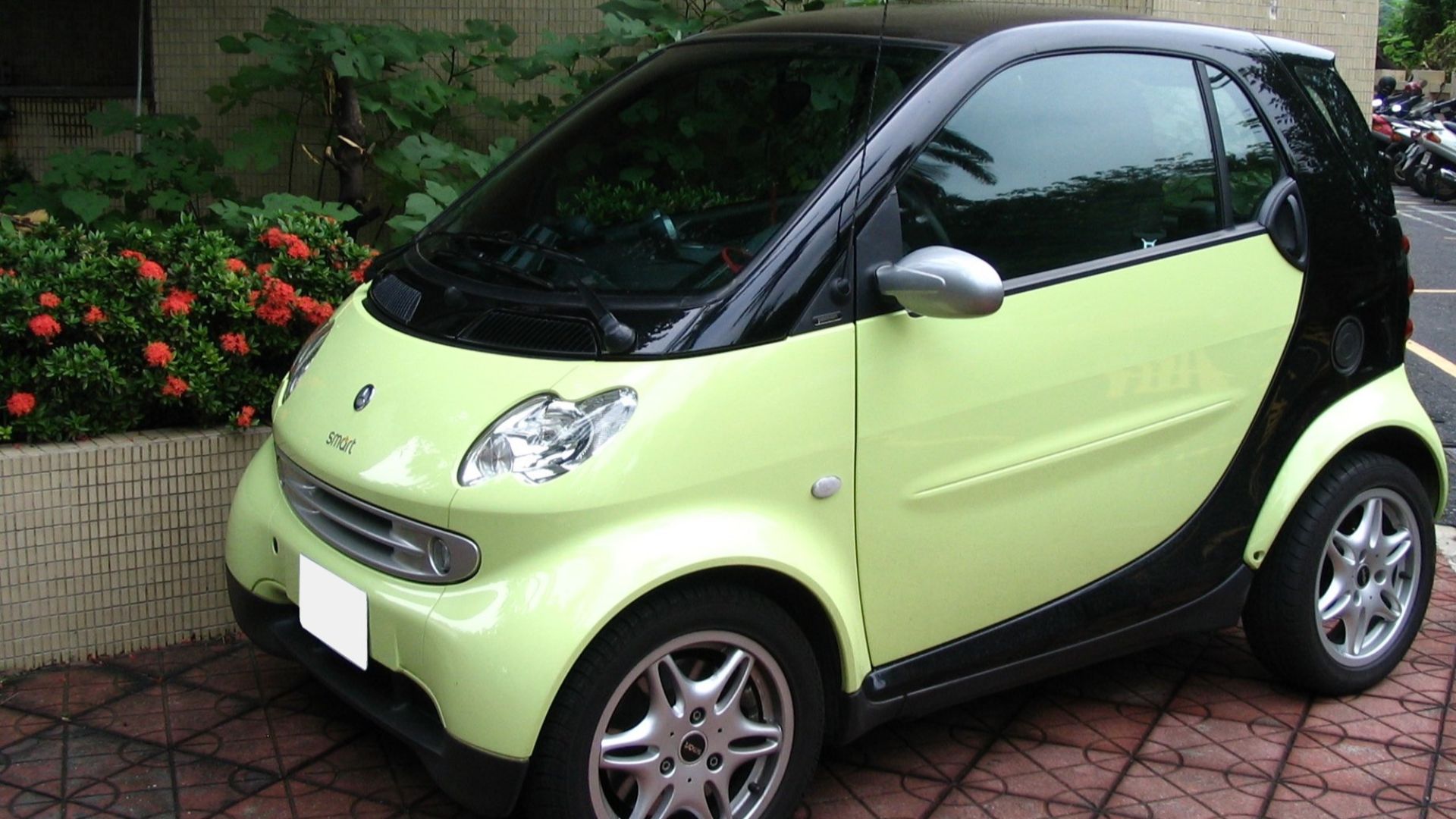
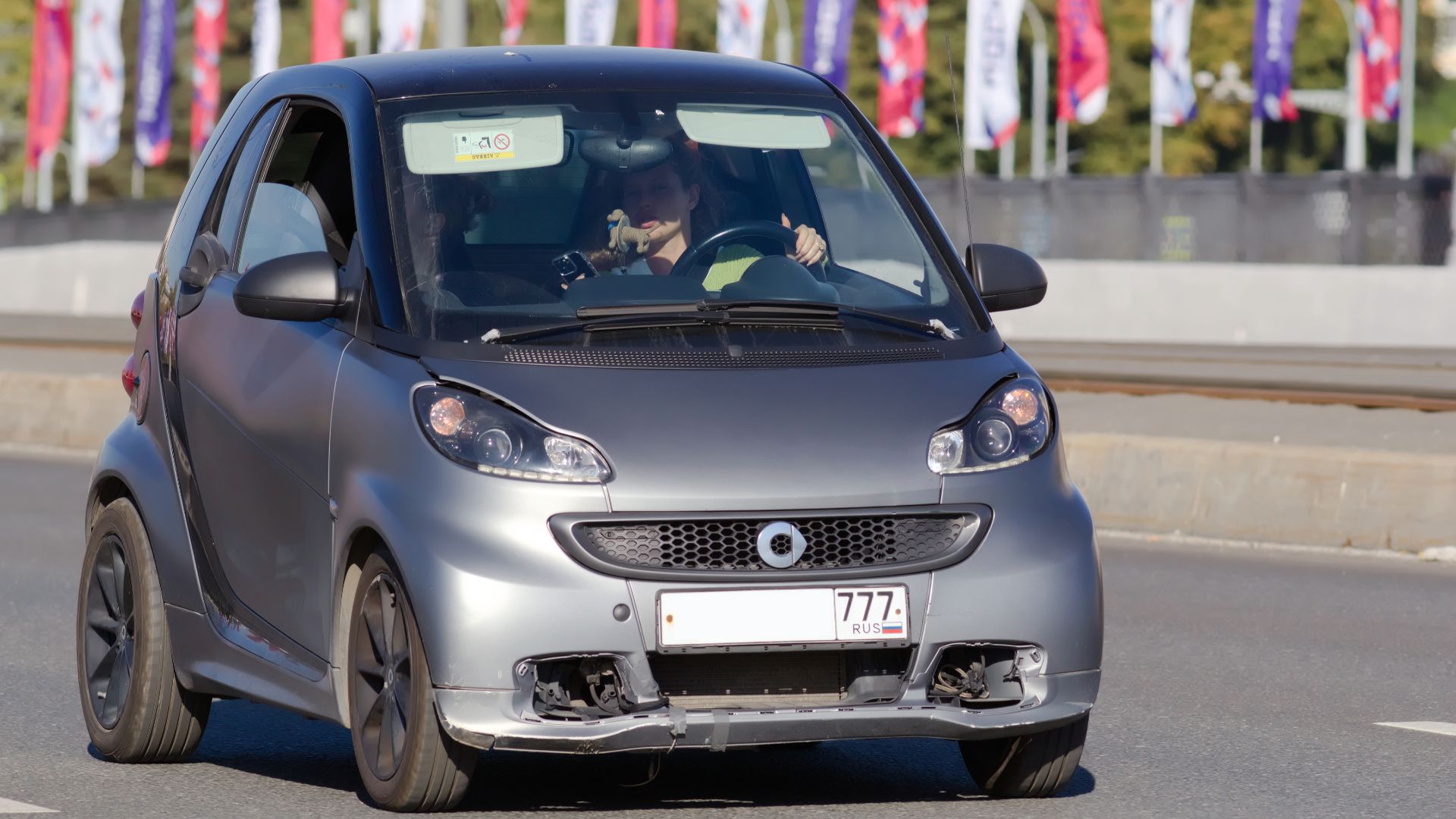 Retired electrician, Wikimedia Commons
Limited Utility For American Lifestyles
Picture your family of four, or even a single person needing weekend gear, maybe towing or road trips. A two‑seat microcar has serious limitations in that respect. Versatility is hugely important in the US market. Smart’s narrow niche meant a lot of potential buyers dismissed it out of hand.
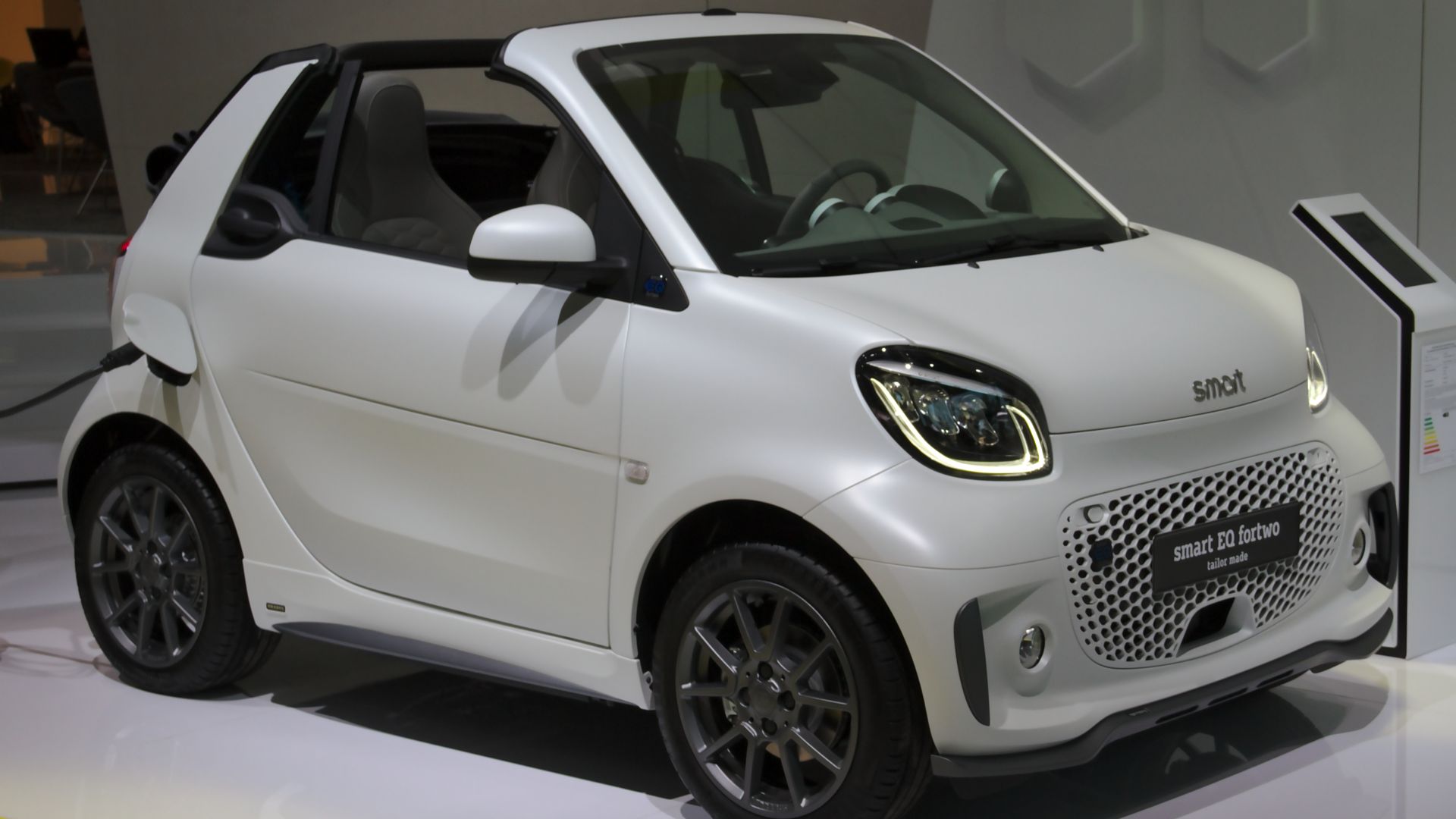 Alexander Migl, Wikimedia Commons
Dealer Network & Service Challenges
You want confidence when you buy a car: service, parts, and resale value. Smart’s US network was smaller and less developed than mainstream brands. That raised a lot of questions for buyers thinking of the long‑term picture, and not just about how cute it looks today.
Branding And Perception Clash
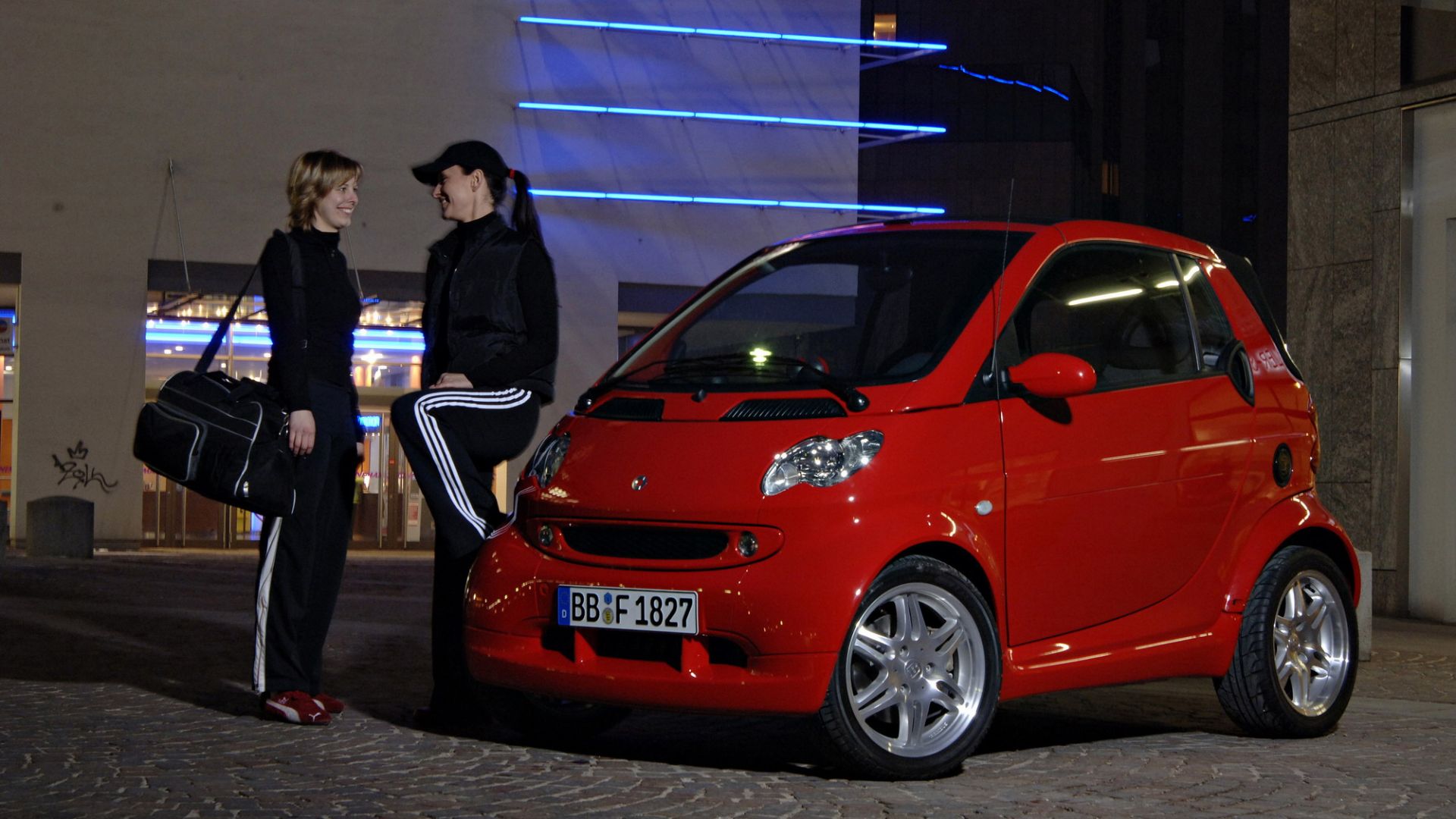
While Smart was quirky and fun in Europe, American buyers were more likely to see the car as a gimmick. One article described it as a 'cool concept wrapped in an undesirable package.' That mismatch between image and reality seriously hampered the car’s acceptance in the US market.
 JEAN-CHRISTOPHE VERHAEGEN, Getty Images
High Costs To Rightsize For America
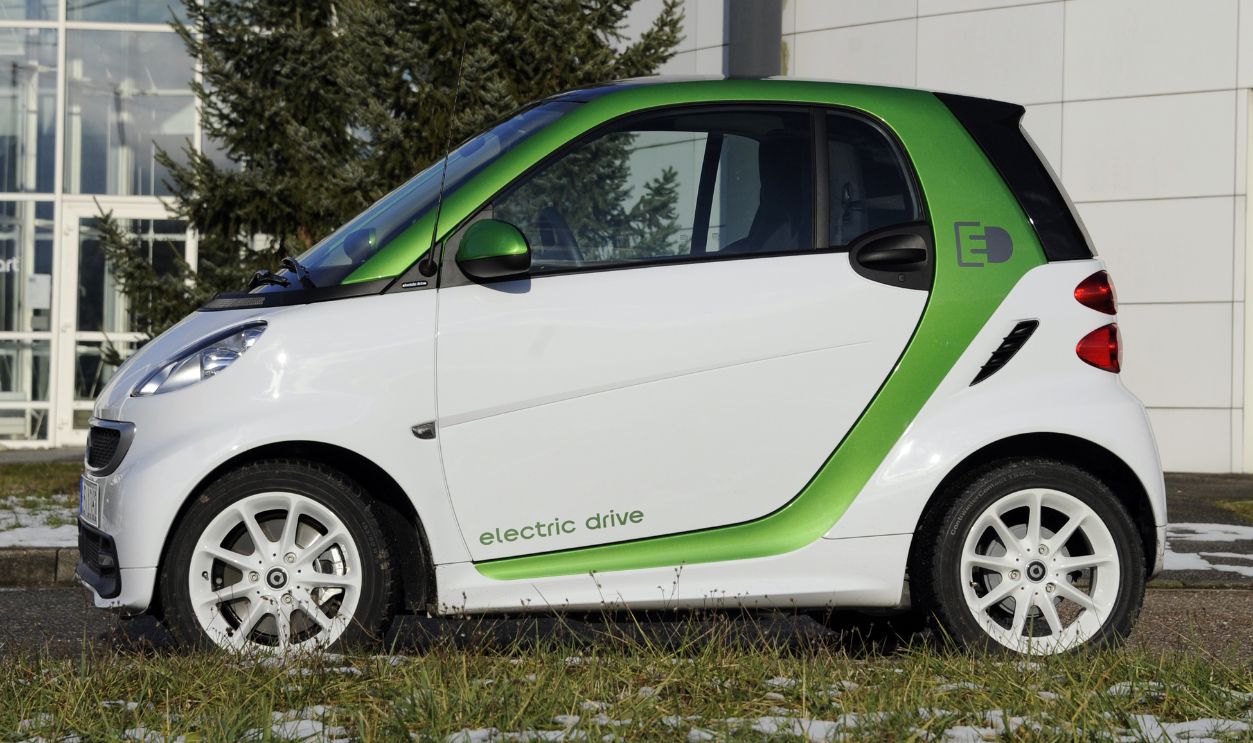
Mercedes‑Benz reportedly lost billions on the Smart brand globally. A 2013 report cited losses around $4.6 billion, which was roughly $6,100 lost per car sold. When each unit loses that amount of money, scaling becomes an unsustainable proposition.
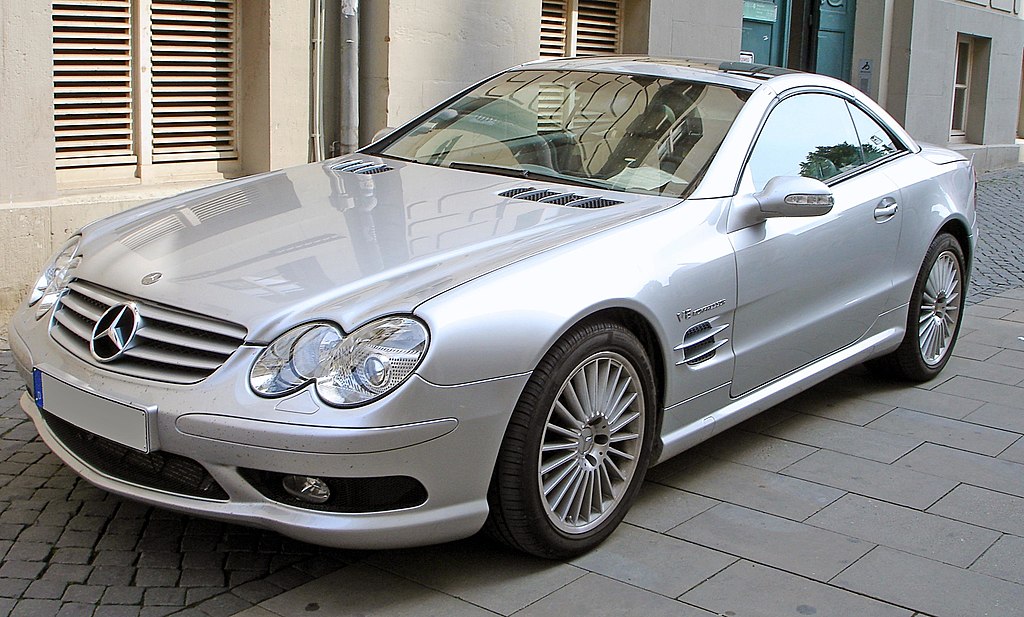 JanST, CC BY-SA 2.5, Wikimedia Commons
Electric Pivot Too Little, Too Late
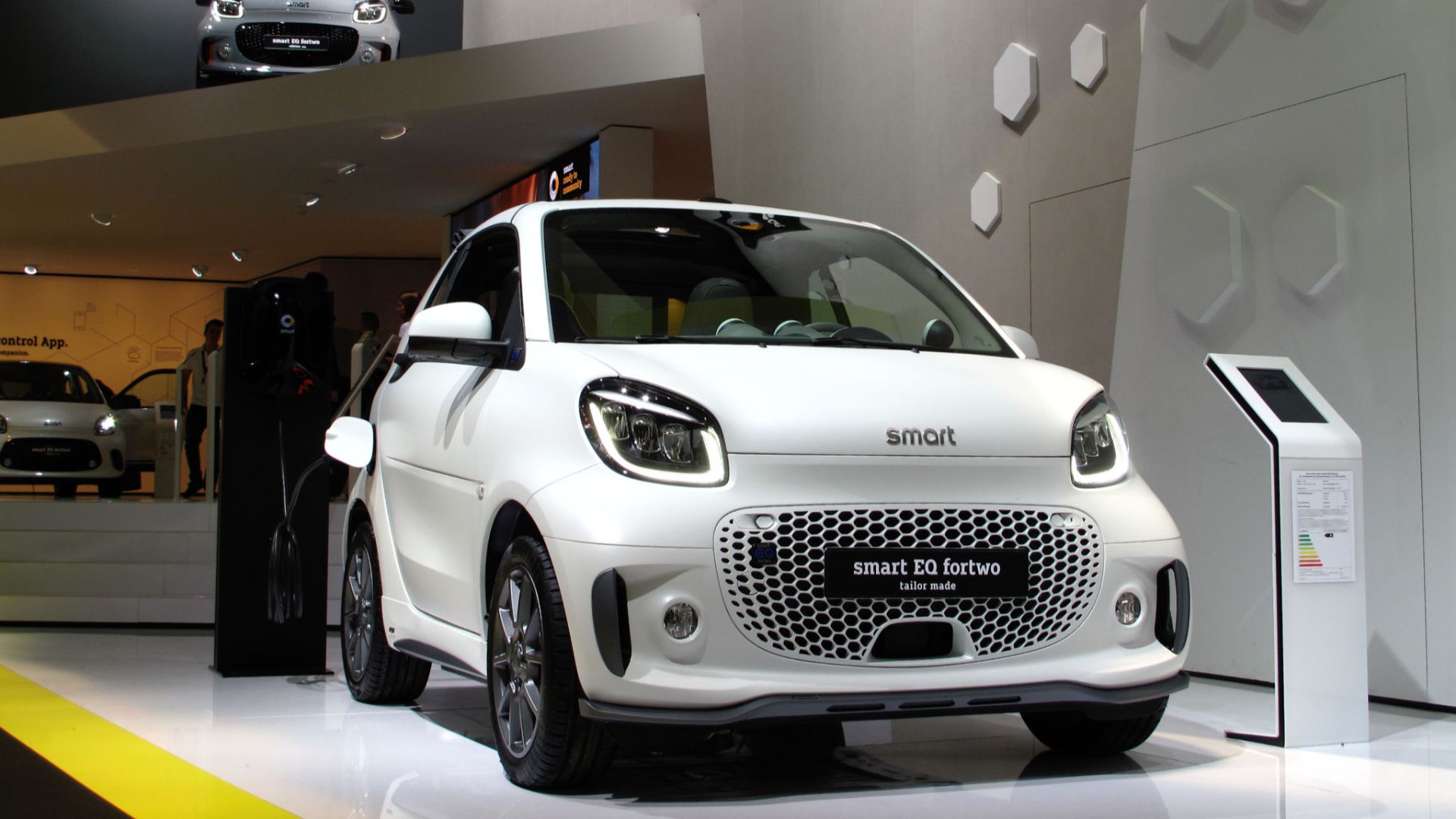
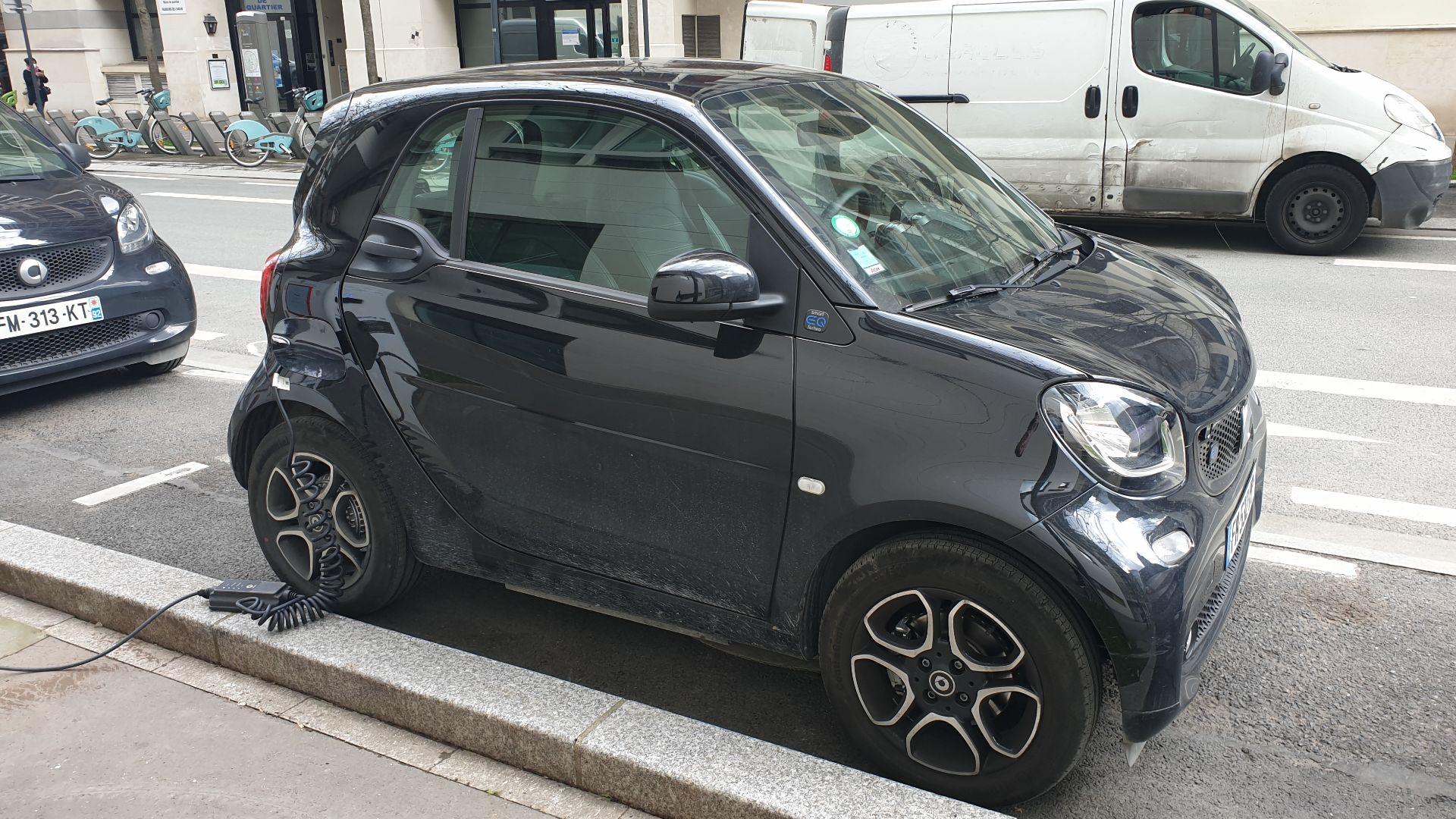
Smart attempted a pivot to electric only in the hopes of gaining new relevance. But in the US, range, infrastructure, and still limited space made the EV microcar a lot less compelling than it might be in other parts of the world. By then, momentum was gone.
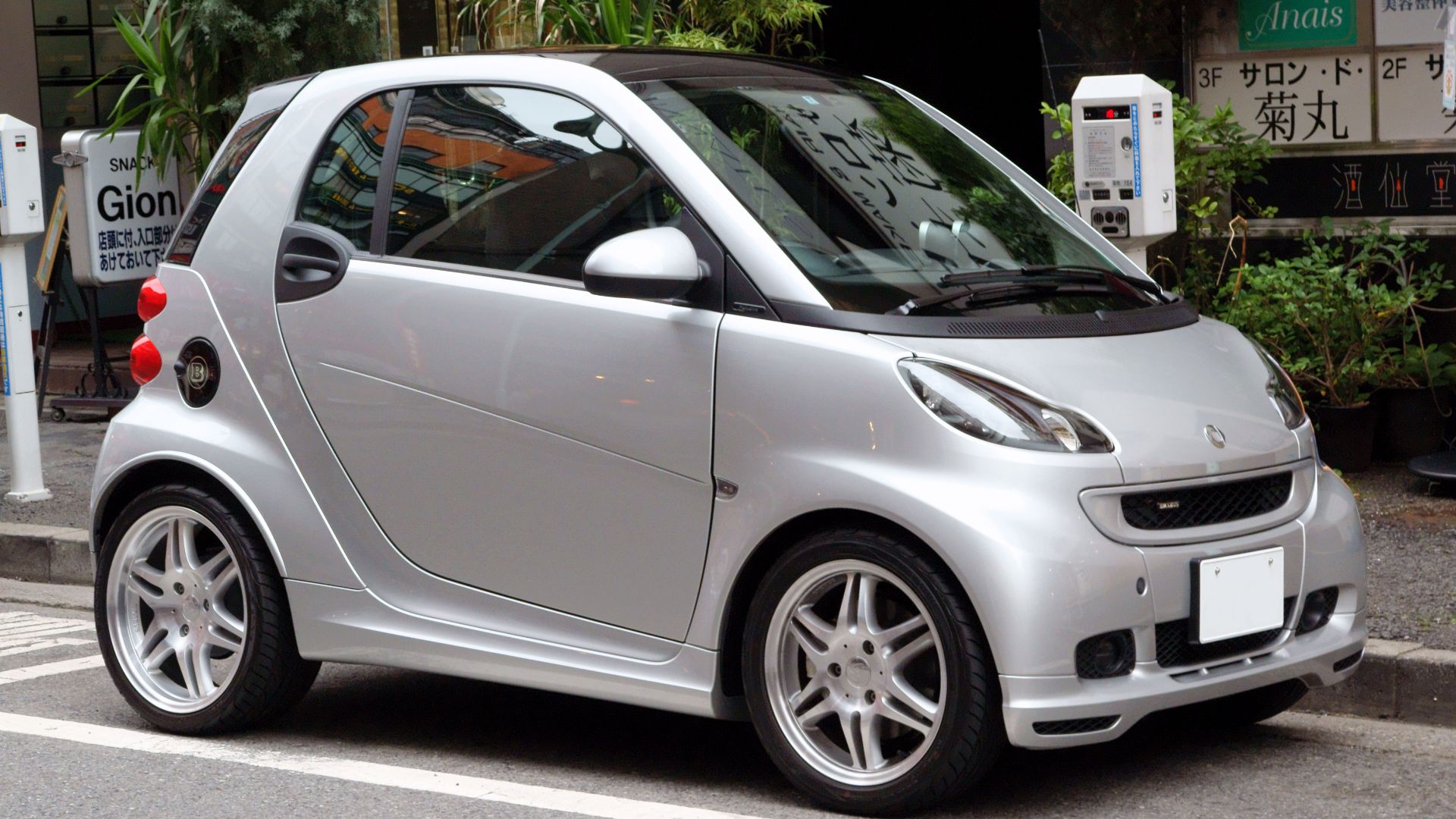 Hatsukari715, Wikimedia Commons
Pricing Against Better Competitors
By the time Smart was pushing its US versions, rivals were offering more car for similar value. Buyers could get compact hatchbacks, small crossovers, or larger EVs for similar or even better money. Smart’s tiny compromise started to look far too expensive.
Resale Value And Long‑Term Ownership Worries
When you buy a niche model like Smart, it’s normal to worry about the vehicle’s resale, parts, and support. Many buyers begged off because 'what happens in five years?' The tight market and limited demand meant resale prices suffered accordingly.
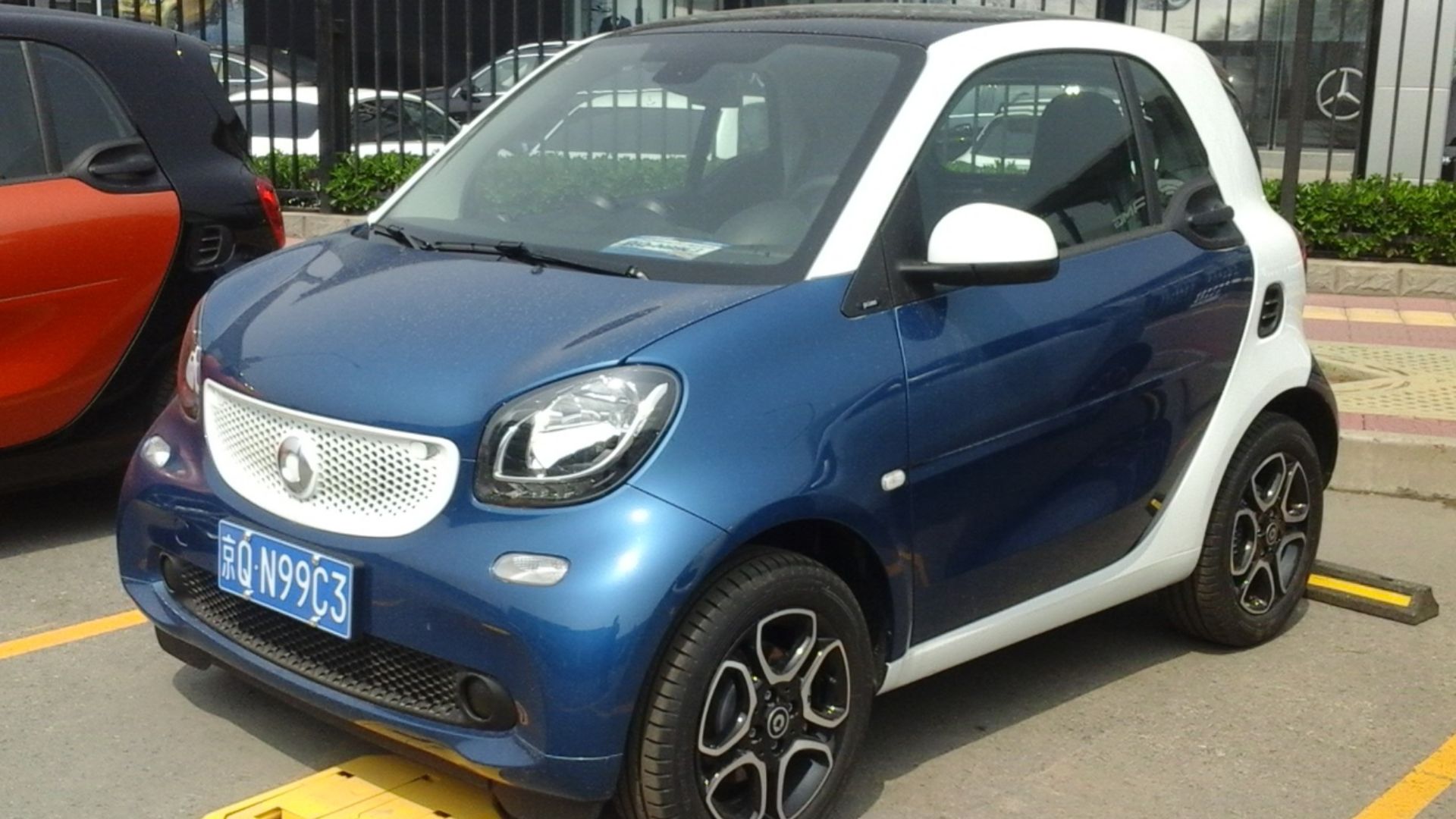 Navigator84, Wikimedia Commons
Market Timing And Fuel Price Dynamics
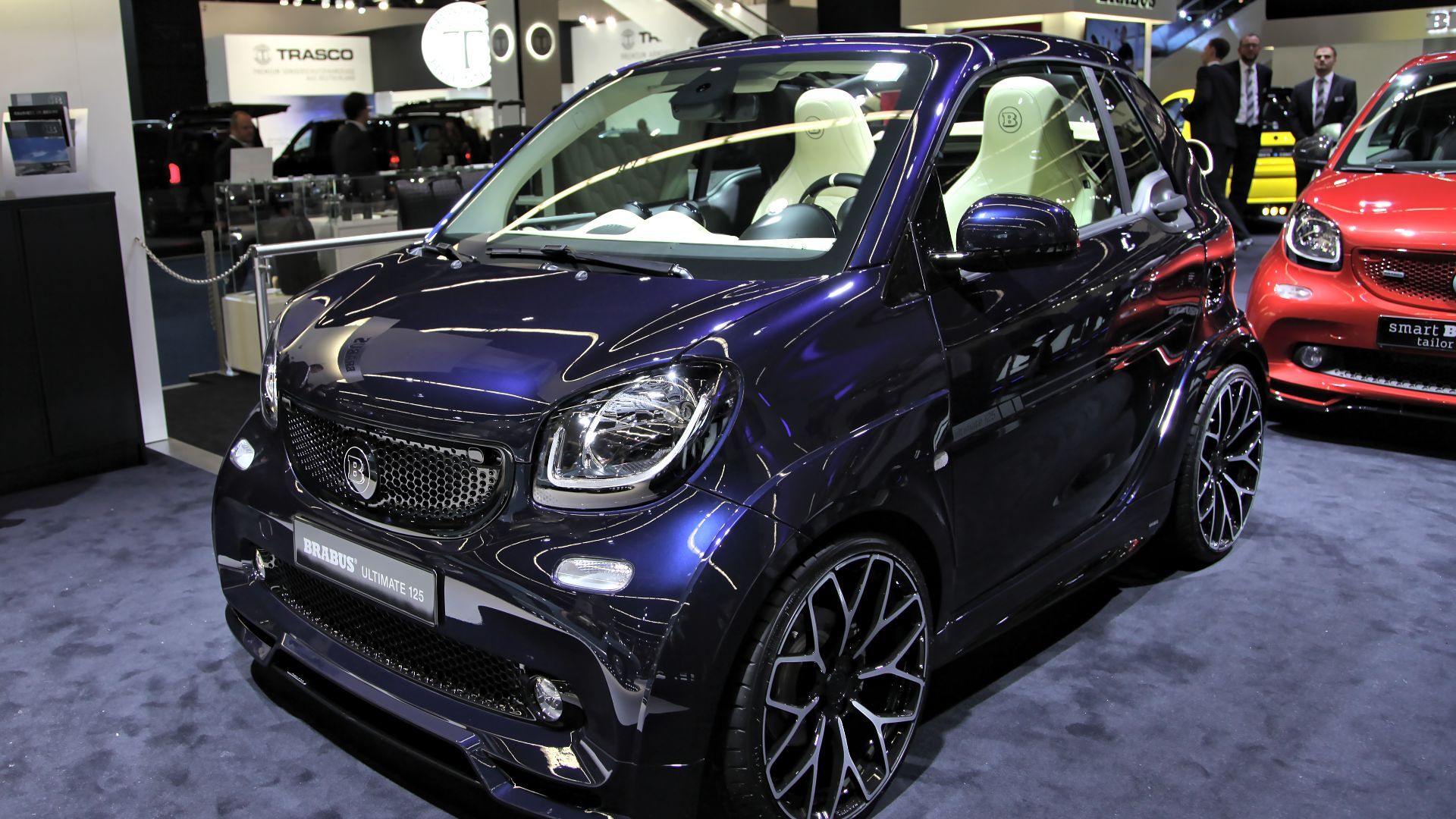
When Smart entered the US, fuel prices were rising, which seemed like great timing. But as fuel prices stabilized or buyers shifted their concern to utility rather than economy alone, the urgency faded. A tiny car plus a small price premium boiled down to a poor match.
 Alexander Migl, Wikimedia Commons
Marketing Vs Reality Gap
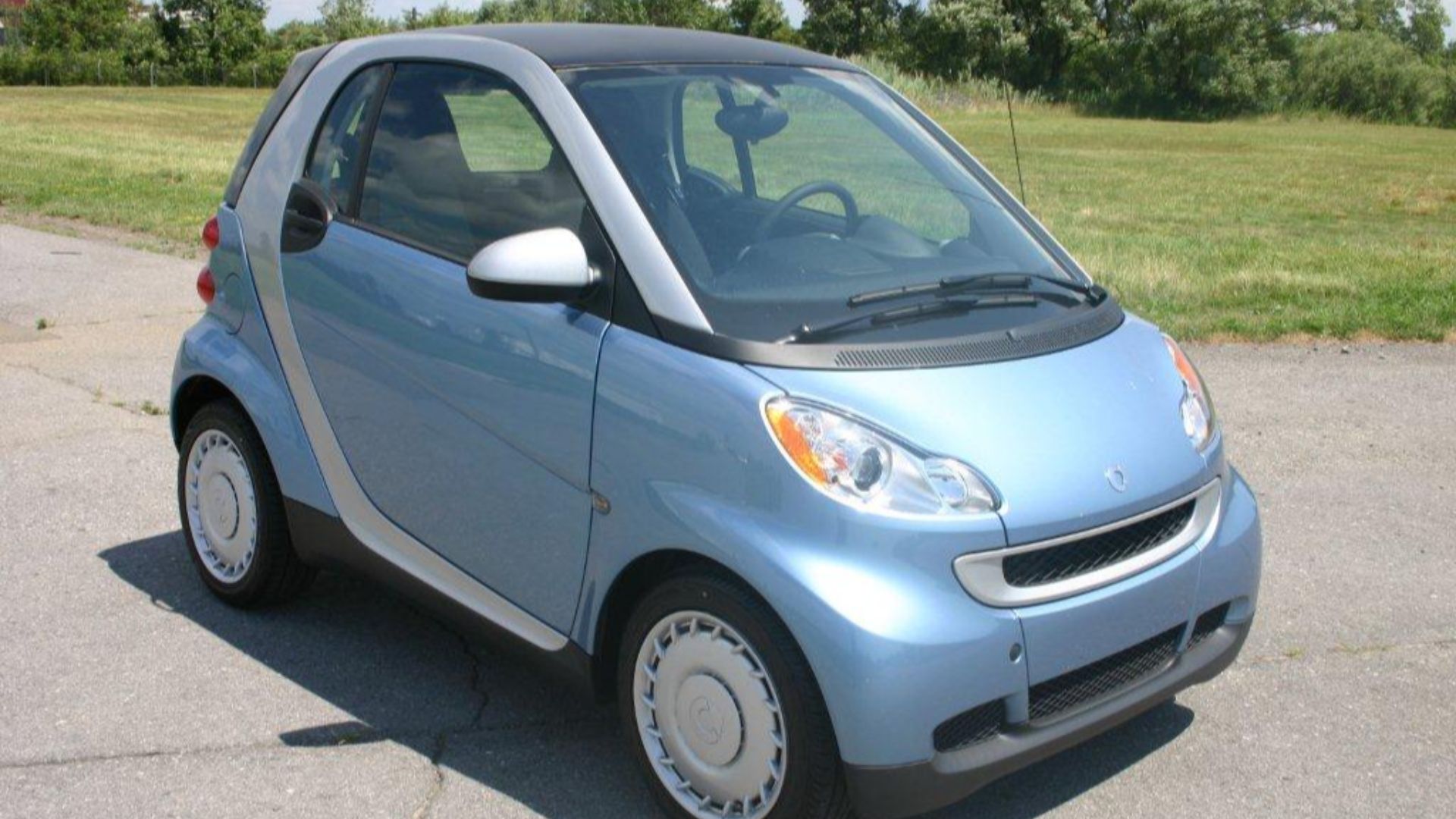
Smart marketed the Fortwo for its agile urban mobility, but in America a huge number of buyers live in suburbs, drive longer distances, and need more storage. The promise of a city‑car solution wasn’t a message many wanted to listen to beyond dense urban cores.
 National Highway Traffic Safety Administration, Wikimedia Commons
Lack Of Critical Mass And Scale
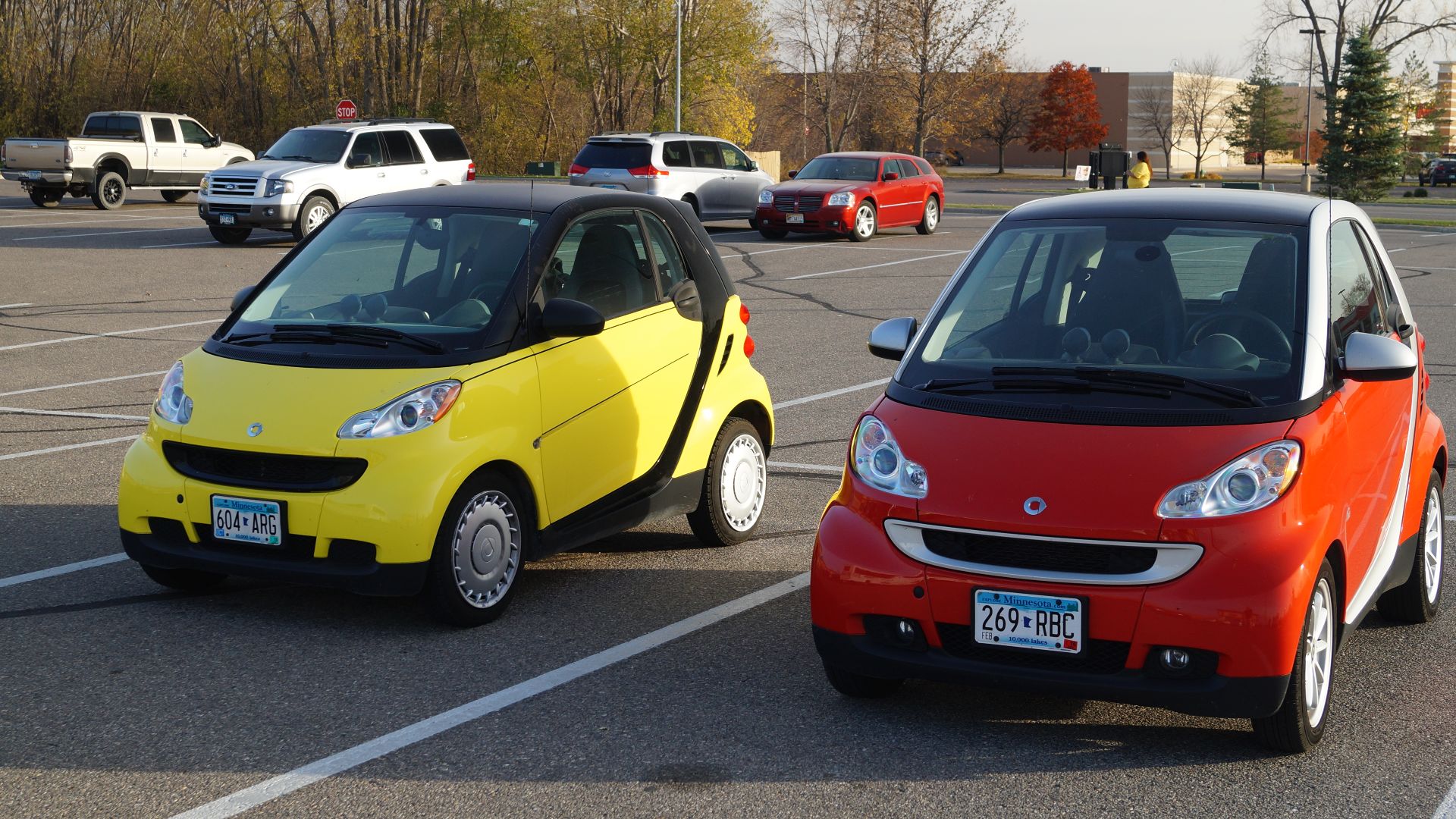
With fewer sales, Smart US couldn’t generate economies of scale. Smaller volume meant higher unit costs, making price reduction an impossible task. The brand stayed too small to succeed.
 Greg Gjerdingen from Willmar, USA, Wikimedia Commons
Abandonment: Pulling Out of the US Market
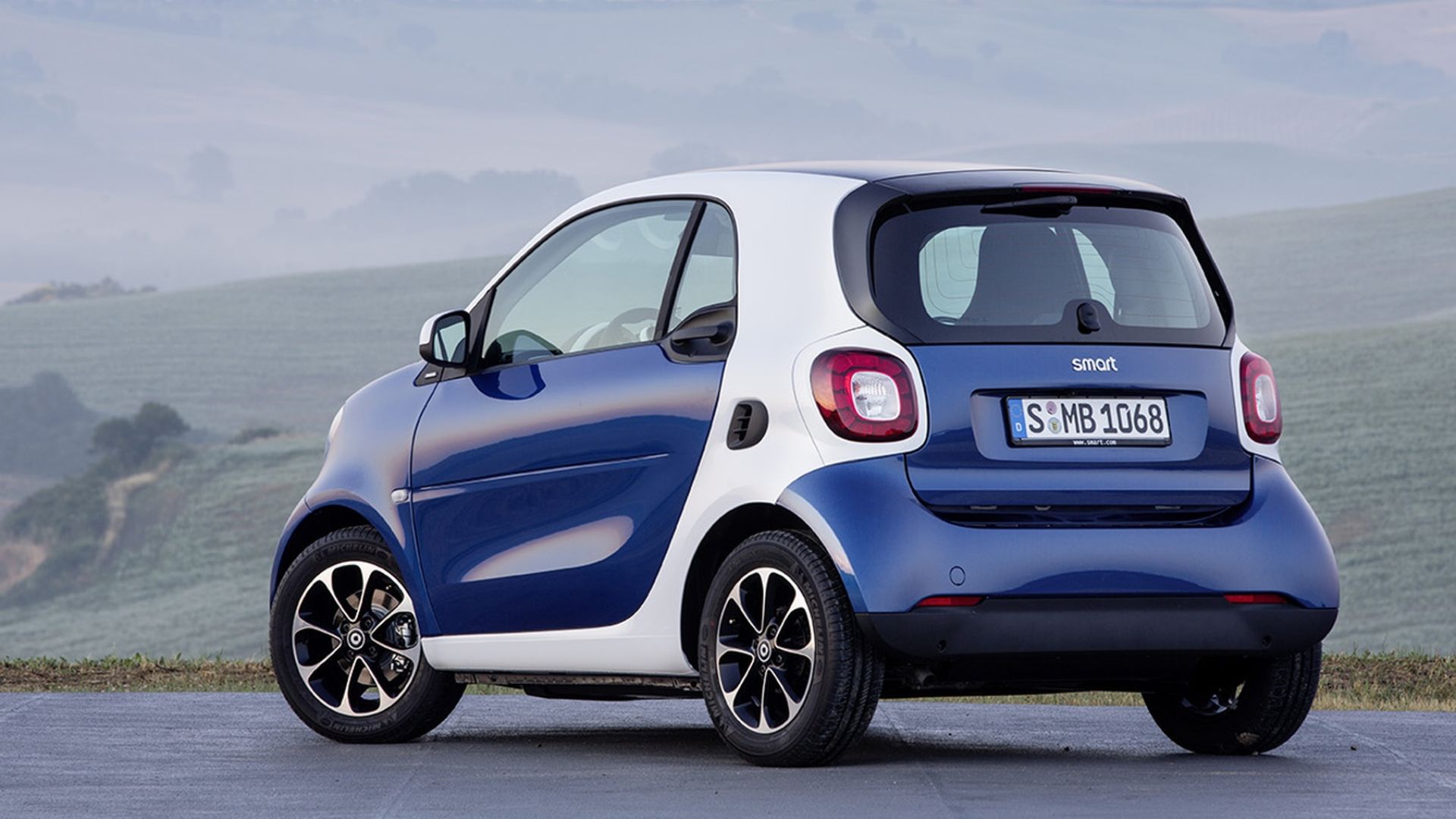
By 2019 Smart announced the discontinuation of US and Canadian sales after the model year. The reasons came down to slow sales, a declining micro‑car market, and cost structure mismatch.
 Robert Basic from Germany, Wikimedia Commons
Legacy And Lessons For Automakers
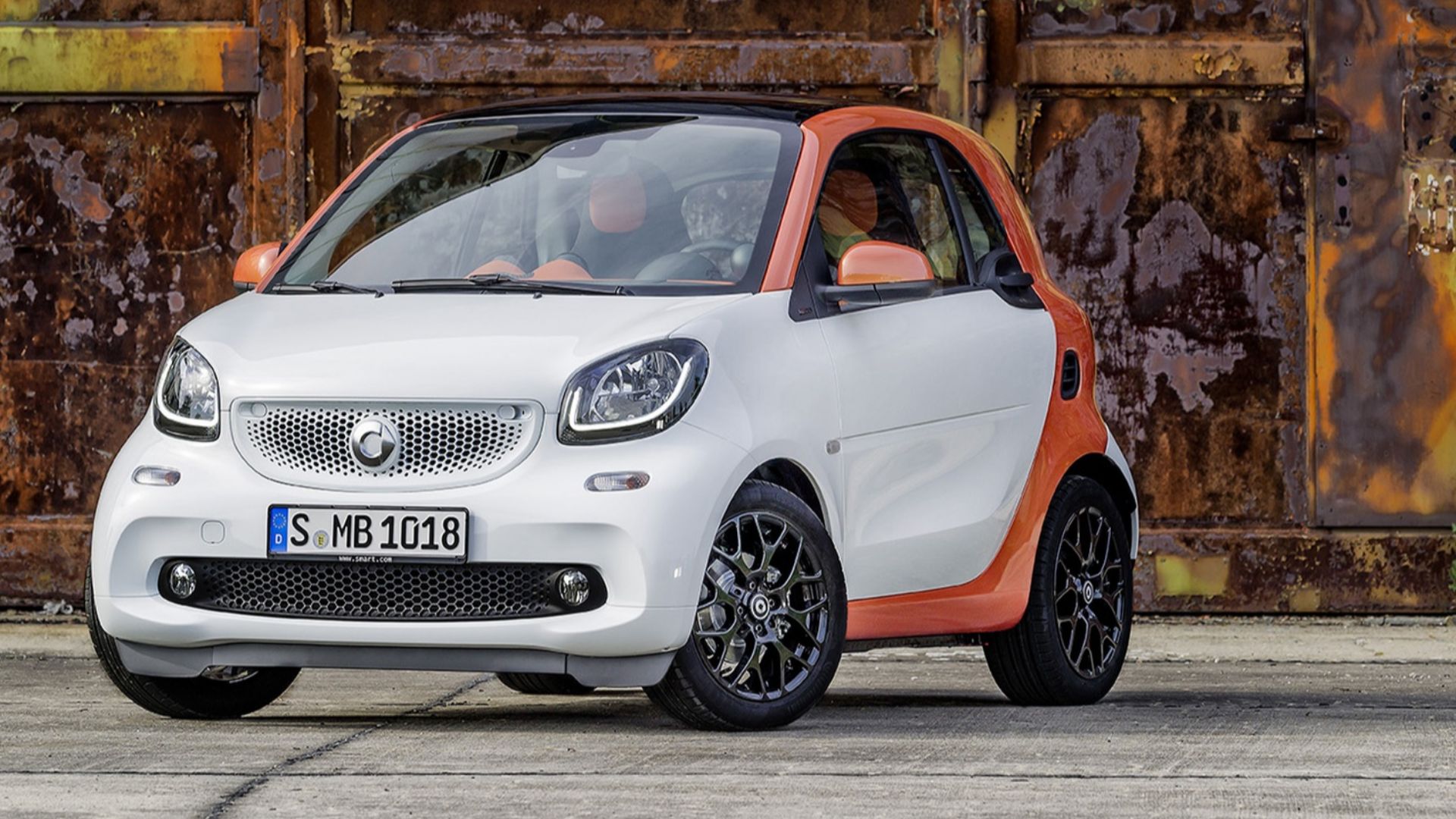
Smart’s US story offers lessons: size isn’t always the selling point; minimalism is not always valuable for its own sake, but must align with consumer realities; and differentiators have to be meaningful. If your small car feels like a compromise, buyers turn away.
 Robert Basic from Germany, Wikimedia Commons
The Role Of American Consumer Preferences
It’s generally known that American consumers often value space, power, and resale value above all else. Even economy‑minded buyers wanted more practicality than the Smart offered. The US market was never fully primed for ultra‑micro cars.
 Rutger van der Maar from Leiden, The Netherlands, Wikimedia Commons
Did Smart Make The Car Americans Would Buy?
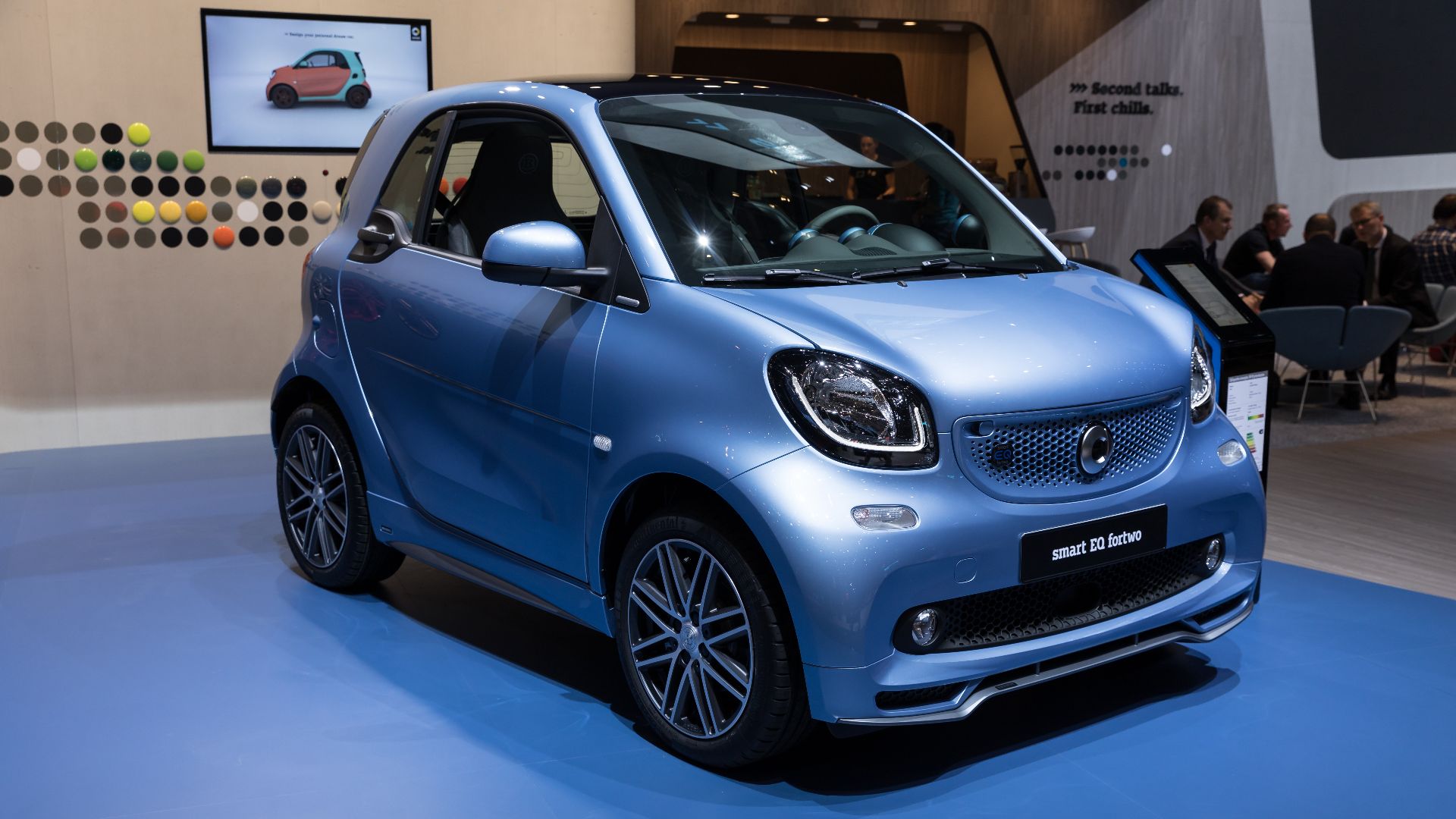
Even critics agree that by the time Smart made something more aligned to US tastes (bigger, more capable vehicles), the brand had already lost its footing. Smart finally made a car Americans would buy, but America couldn’t have it.
 Matti Blume, Wikimedia Commons
What Might The Future Hold?
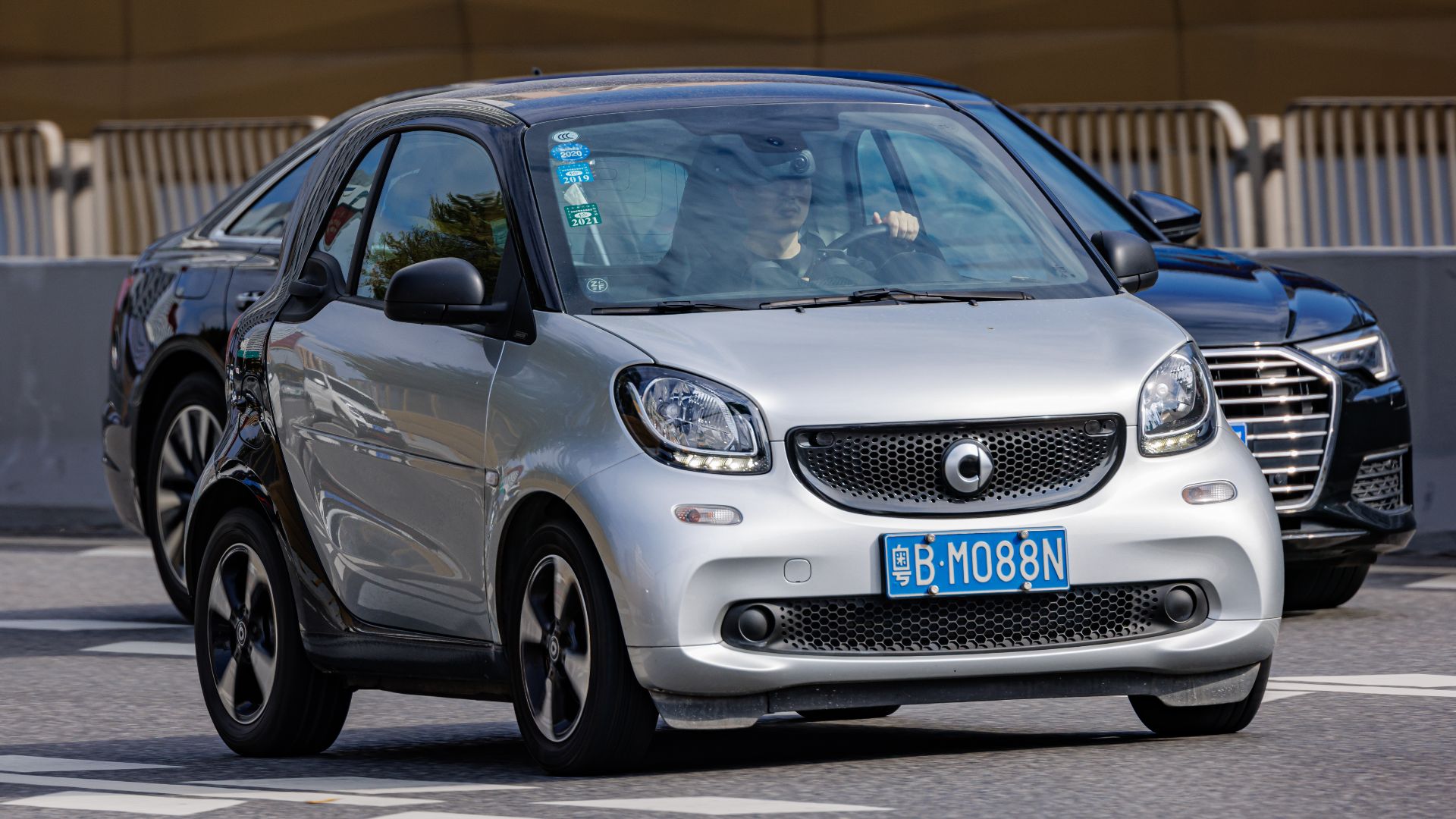
With Smart now in partnership with Chinese automaker Geely and focusing globally on electric and slightly larger vehicles, the question now is: could a reborn Smart succeed in the US if given the right size and price? Perhaps, but the old formula is over.
 Dinkun Chen, Wikimedia Commons
The Bottom Line: Too Small To Succeed in America
The Smart Car’s American failure wasn’t about quality so much as it was a mis‑match. The car was too small for American norms; too expensive to be an economy car; and lacked scale, support, and relevance. It’s a case study in how a globally successful concept doesn’t always transfer well to every country.
You May Also Like:
Three Great Cars For College Students
Small Engines That Will Still Give You Shockingly Big Horsepower
The Ford Flex: The Cool Family Car That Never Found Its Crowd